By Laurence Kresnyak, UK Travel & Transport Sector Lead, Getronics
The bus industry continues to face a challenging landscape. Outside of London, passenger numbers remain nine percent below pre-Covid levels, with 15 percent fewer bus miles operated since 2019. And in an effort to get people back on the bus, the government and private bus companies are going full speed ahead on sustainability. Earlier this year a further 37.8 million GBP was allocated as part of the Zero Emission Bus Regional Areas (ZEBRA) scheme to facilitate the purchase of 319 green buses across the UK.
But is electrification really the thing that’s going to get passengers back on the bus? Or should we be looking elsewhere for the answer? Perhaps up North, where a passenger-first digital strategy is driving passenger numbers up.
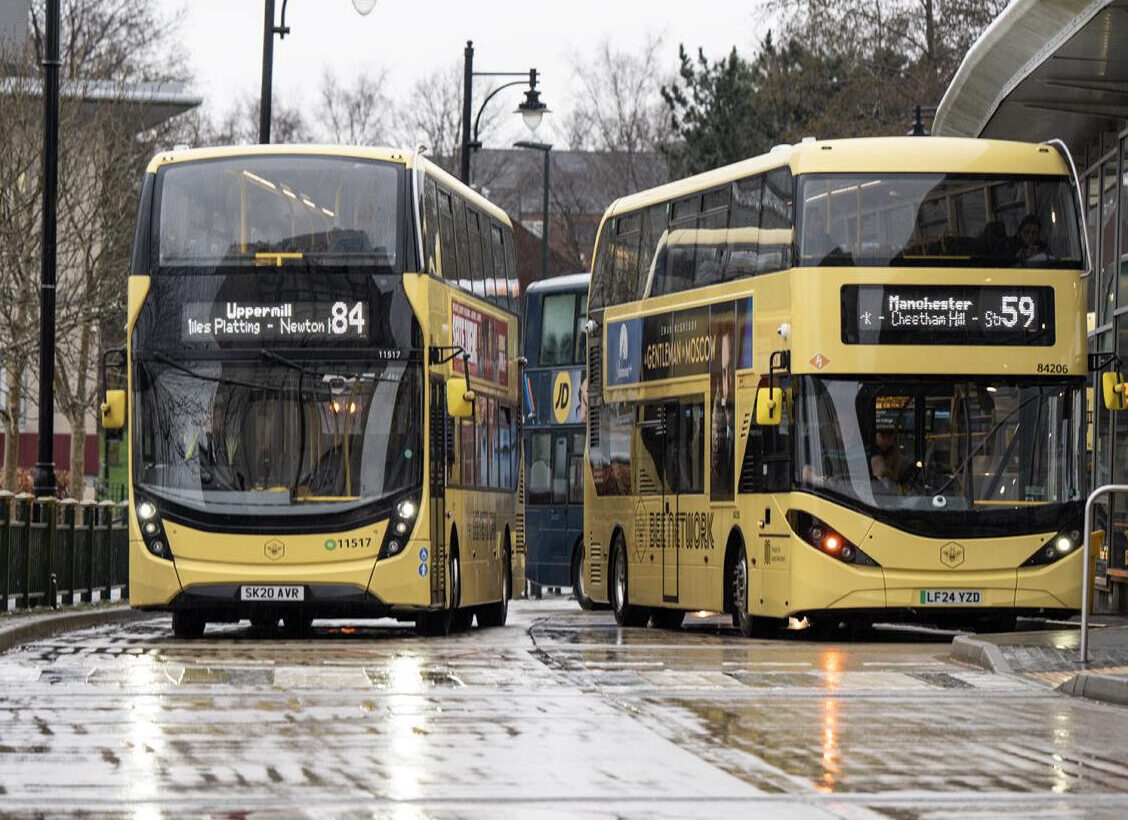
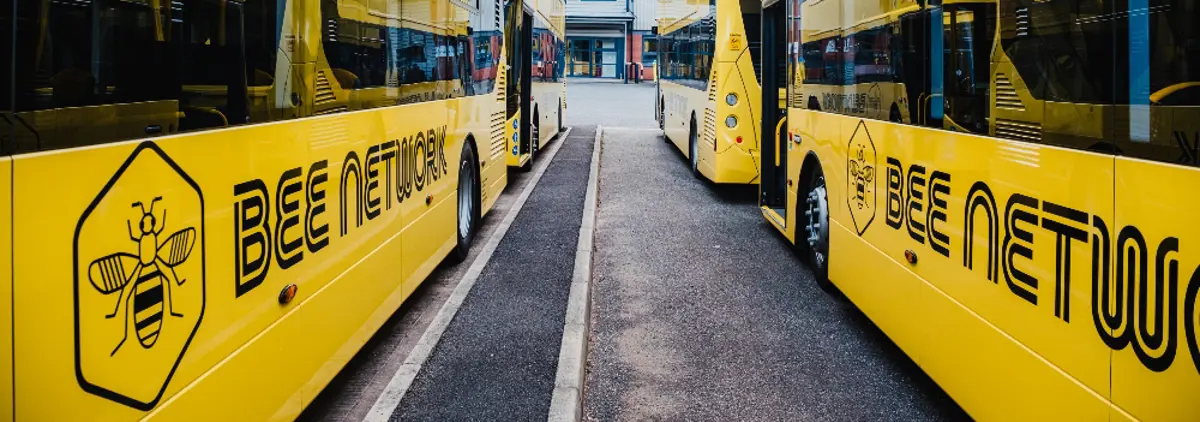
In Greater Manchester, a bright yellow bus revolution is well underway. First announced in 2018, Manchester’s Bee Network rolled out its first buses in 2023, and as of 2025, every bus in Greater Manchester is now part of the Bee Network.
To date, the Bee Network has achieved 14 percent year-on-year passenger growth since launching in September 2023 and reports an impressive 85 percent customer satisfaction rating. And while it’s true that much of the fleet is electric, with the whole fleet on track to be electric by 2030, there’s more to Manchester’s success than electrification.
Manchester’s Bee Network has proven that bus travel can be a high-growth industry again. Now the question is, what learnings can the rest of the sector take?
What the Manchester model wanted to fix
From the outset of the Bee Network, Transport for Greater Manchester (TfGM) knew it had a job to do.
After years of buses not showing up, competing routes that left passengers feeling disconnected, cancelled stops and poor communication, passenger trust was non-existent. Passengers were left out in the cold, both literally and metaphorically, with no reliable information about when – or if – their bus would arrive.
The Bee Network identified critical challenges across the entire passenger experience. Bus routes were difficult to understand, might not be up to date and might not even cover your area. Previously, bus companies had competing routes that were disconnected, leaving passengers unsure which route would get them where they needed to go. Meanwhile, tickets had to be purchased through different apps, and you had to check multiple apps to plan for the next stage of your journey, whether that was the tram or the train. Without real-time performance data connecting all these touchpoints, transparency was nonexistent, while disconnected data meant there was no accountability.
In short, the experience of using the bus had too much friction, and years of disconnected and fragmented services had eroded trust entirely.
The Bee Network was created to change that and put passenger experience front and centre. But in the modern world, how do you create a seamless passenger experience? The answer is unified technology and data that works across every touchpoint.
This started with the routes. Technology and shared data were the key to creating better routes and fully coordinated timetables, removing overlaps or long service gaps that can occur in a fragmented market. By leveraging route data, the Bee Network can ensure that services serve the entire community and run regularly – ultimately delivering the joined-up journey that passengers want.
Through the Bee Network App, users can plan every step of their journey across buses, trams and trains, as well as active travel options like walking, wheeling or cycling. The app shows live departure times for those same transport options too, allows you to track your bus live on a map and easily view all the bus stops near you. You can buy tickets, see travel alerts and rate your journey, as well as report incidents to Greater Manchester Police through a live chat service too.
In a nutshell, everything you could want in terms of public transport across the city region can be accessed through the app.
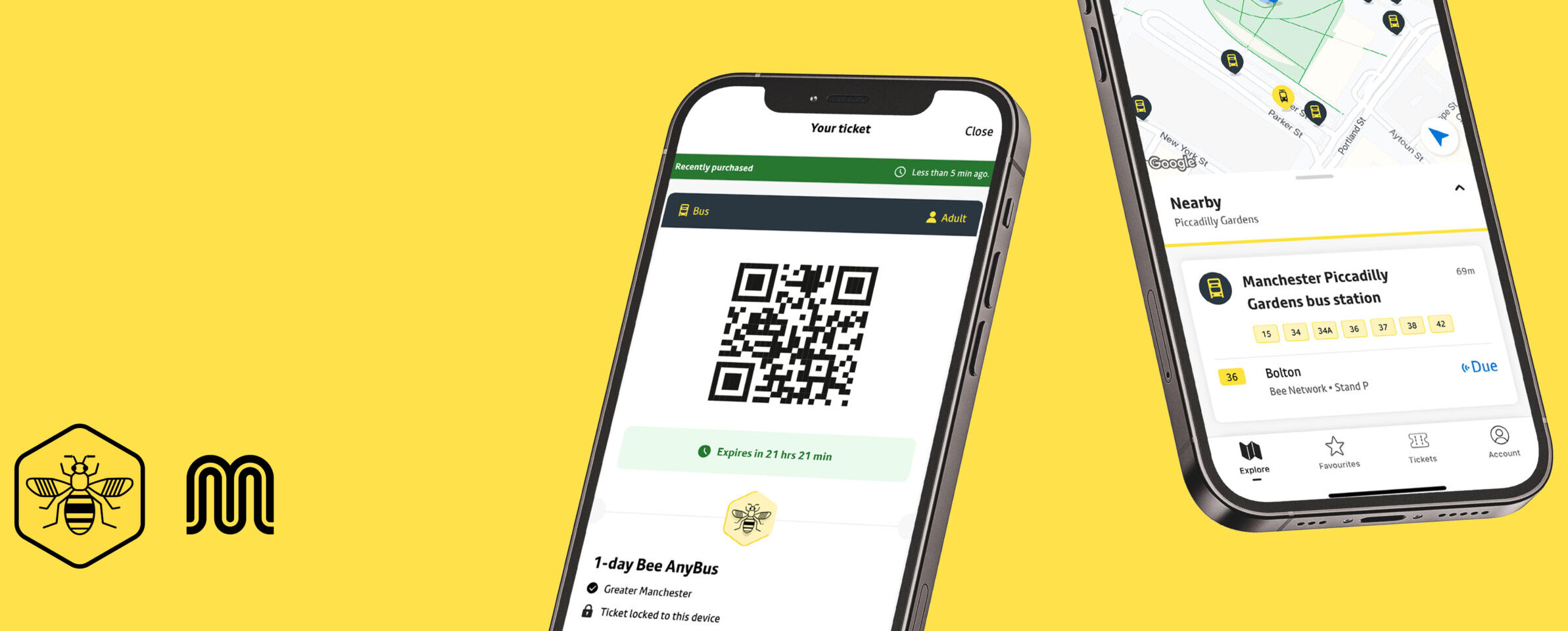
While an app seems like a simple solution, and many bus providers have them, Manchester’s magic was in bringing all the data together into one location – and the technological infrastructure and data required to do so is significant. Real-time performance data is used to manage services effectively, ensure the app is updated in real-time and most importantly, prove reliability to passengers.
Now passengers don’t have to navigate different websites, timetables or even payment options. Everything they need to get around is in the palm of their hand – not only creating a better experience but also building trust.
In an effort to further win back eroded passenger trust, from day one, the Bee Network committed to regularly reporting on things that mattered most to passengers – like delays and passenger numbers. Now every week, it uses the same data that powers the app and the bus network to publish public-facing punctuality reports – another way they’re making the most of their data and technological infrastructure.
The Bee Network Blueprint
Manchester’s success is a result of the local authority taking control of local services. But regardless of whether you’re for or against local authority control of buses, the fact remains that there are many lessons to be learnt from the success of the Bee Network. The main one is that genuine integration, unified data and a seamless passenger experience is the key to getting people back on buses.
Passengers don’t care about the operational model, which bus operator a route is contracted to, or how long that contract will last, they care about the experience. They want simplicity and reliability. They want to easily access information about their journey, to know if buses cover their areas, and to know about cancellations before waiting for 30 minutes in the cold. They want to be confident that if a bus is scheduled, it will show up, and ideally, they want all this information in one easy location.
The challenge bus operators now face is how, through collaboration and digital partnerships, they can deliver the passenger benefits of a system like the Bee Network, while retaining their independence and operational agility.
Operators need to start thinking beyond their next contract win and instead about increasing passenger numbers for the long term.
A shared technology platform that facilitates collaboration, while allowing them to focus on what they do best – delivering high-quality local services, could be the answer.
In practice, this could mean the creation of a unified, co-branded app – think Trainline for buses, and the other services they connect to, whether that’s trains or trams. Operators could pool their data, everything from timetables and real-time locations, into a single, high-quality regional app, removing barriers and friction for passengers.
Looking forward, this could evolve to include a single shared ticketing and payments engine, accessible through the app, allowing passengers to access and pay for different routes, across different types of transport, run by different providers, through one single touchpoint.
A model like this would give passengers the seamless digital experience they crave, while preserving the agility of independent operators.
Now it’s over to the operators
The Bee Network is more than a local success story; it’s a blueprint for renewal. It proves that when you build a data-led, technologically sound, easy-to-use, reliable and transparent service, passengers will return.
The rest of the industry is now at a crossroads. Operators can wait for local authority control to be imposed, or they can proactively build digital partnerships with other operators that deliver the same passenger benefits, on their own terms.
Collaboration through technology is the best way for independent operators to build trust, inspire a new generation of passengers and lead the future of British bus travel.