More than two-thirds of commercial diesel trucks and buses operating in the United States are now powered by the latest generation of advanced diesel engine technology, according to new analysis released by the Engine Technology Forum.
The findings, based on S&P Global Mobility TIPNet data covering commercial vehicles in operation as of December 2025, indicate that internal combustion engine technologies continue to dominate the US commercial transport sector, despite growing investment in zero-emission alternatives.

The report found that 98% of commercial vehicles currently in operation are powered by internal combustion engines. Diesel remains the leading fuel type, accounting for 76% of the fleet, followed by petrol at 23% and natural gas at 0.5%.
According to the analysis, 67% of diesel-powered commercial vehicles on US roads are now model year 2010 or newer. These vehicles incorporate advanced emissions control systems designed to achieve near-zero emissions performance. The proportion represents a 6% increase compared with 2023 levels.
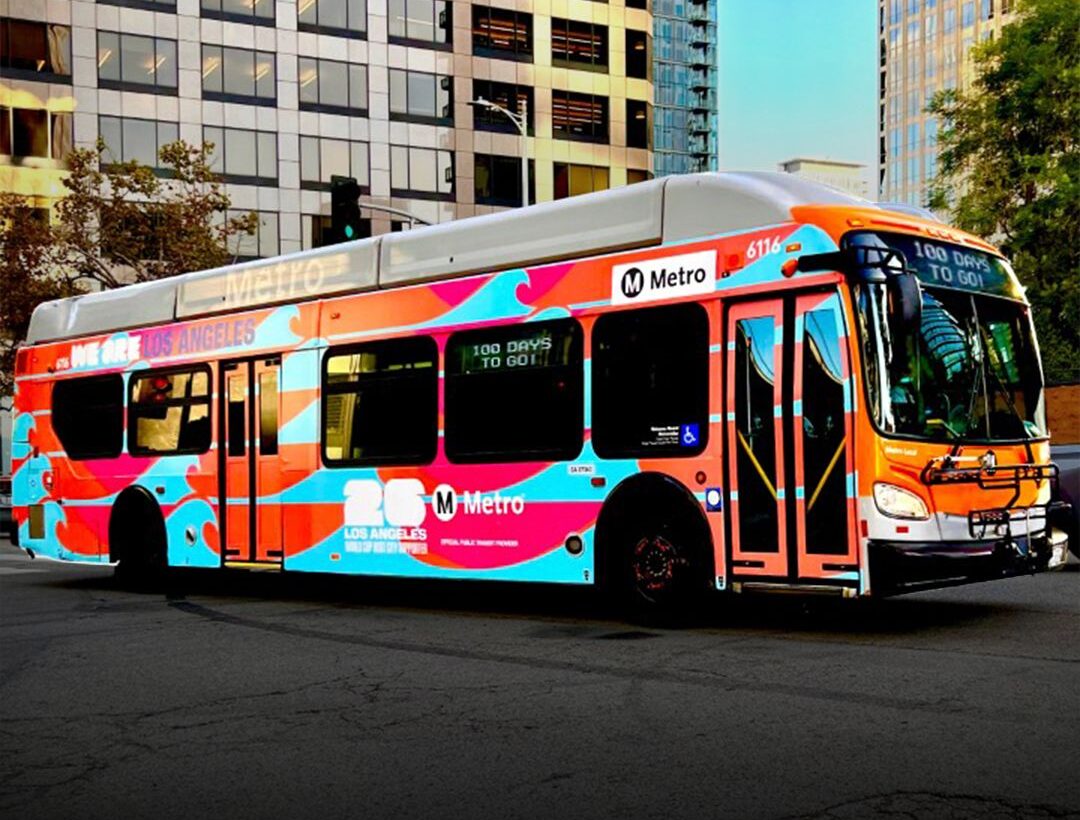
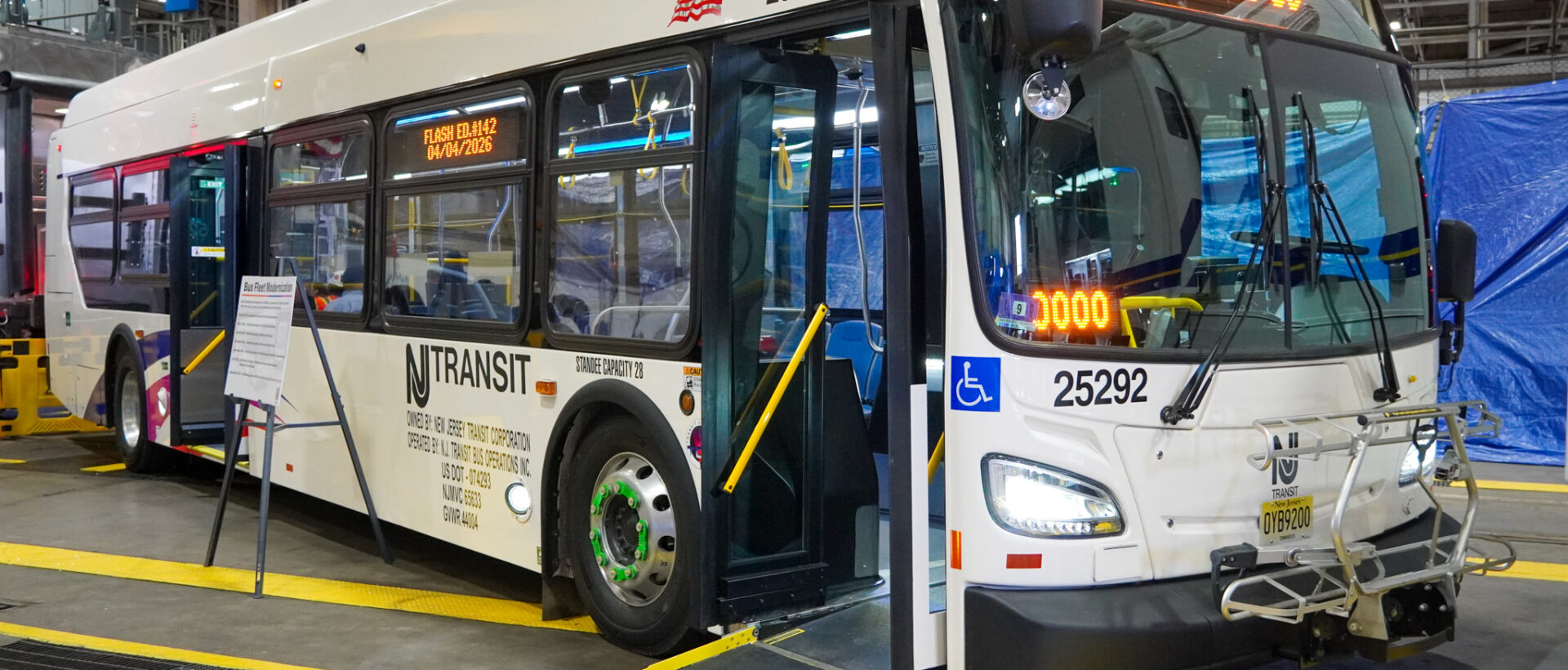
The transition has been particularly notable in public transport and education fleets. Nearly 63% of diesel transit buses and 72% of diesel school buses in operation at the end of 2025 were equipped with advanced diesel engines built from 2010 onwards. Those figures increased by 8% and 5% respectively since 2023.
Allen Schaeffer, Executive Director of the Engine Technology Forum, said:As more of the nation’s truck and bus fleets adopt the latest generation of advanced diesel and natural gas technology, communities are experiencing cleaner air and fleets save on their fuel expenses, too.
Previous research showed the significant climate, fuel savings, and clean air impacts in the U.S. of the newer generation (MY 2010+) of advanced diesel in Class 3-8 heavy-duty vehicles. From 2011 through 2030, this generation of diesels will save approximately 1.3 billion tons of carbon dioxide emissions and 130 billion gallons of fuel, while yielding cumulative savings of 1 million tons of particulate matter and 18 million tons of nitrogen oxide. These benefits will be even greater once new emissions regulations are implemented for new vehicles starting in 2027.
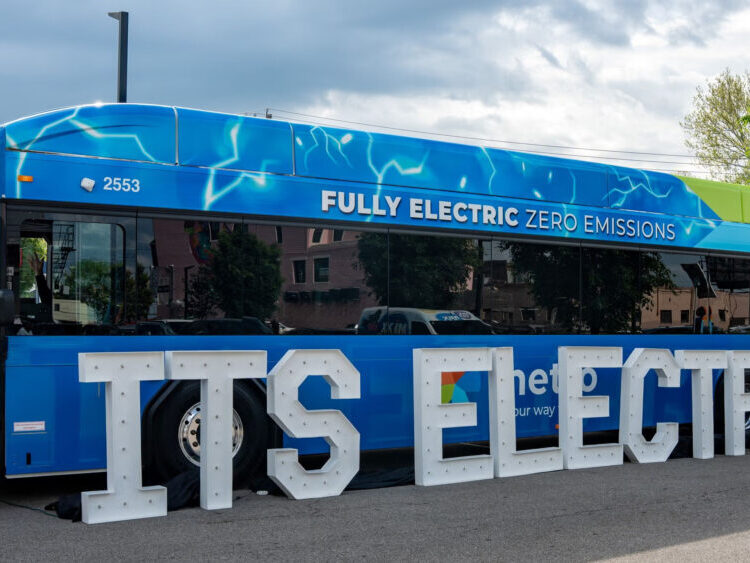
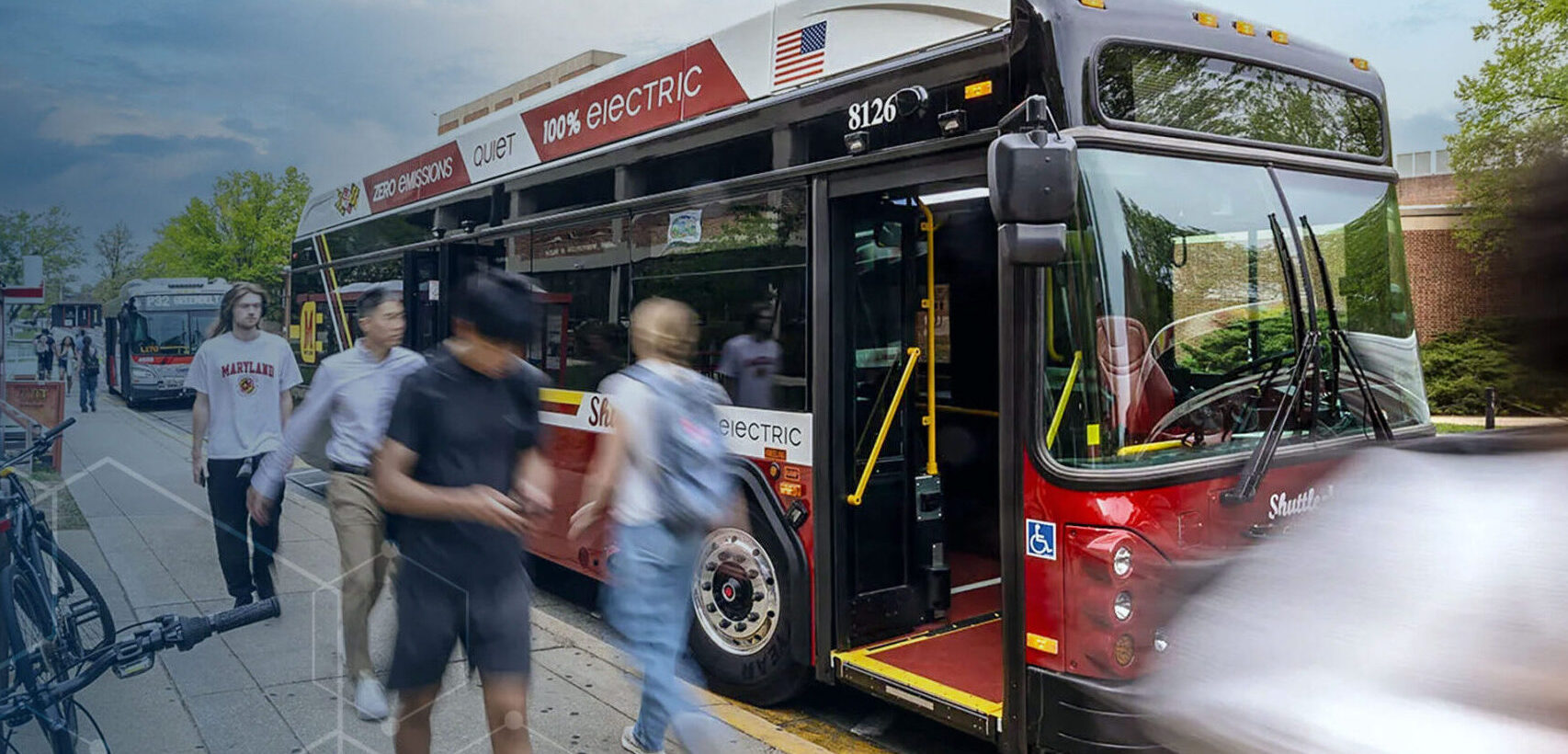
While battery electric and hydrogen fuel cell technologies continue to attract investment, the report found that their presence within the commercial fleet remains comparatively limited. Electric vehicles currently represent 8.6% of transit buses and 1.1% of school buses included in the analysis.
California remains the leading state for commercial electric vehicle deployment, accounting for more than one-fifth of all Class 3-8 electric commercial vehicles in operation nationally. Michigan, Florida, Maryland and Illinois follow behind.
The report also pointed to forthcoming emissions regulations due to take effect in 2027, which are expected to reduce nitrogen oxide emissions from new vehicles by more than 80% compared with current standards.
Industry participants are continuing development work on next-generation internal combustion engines to comply with the tighter requirements while supporting freight transport and public mobility demand.
How Do ICE Engines Achieve Near-Zero Emissions Performance?
Modern diesel engines achieve near-zero emissions performance through a combination of cleaner combustion processes, ultra-low sulphur diesel fuel, and advanced exhaust aftertreatment systems introduced widely from model year 2010 onwards in the United States.
The main technologies include:
Diesel Particulate Filters (DPFs)
These capture and remove soot and particulate matter from exhaust gases before they leave the tailpipe. The filter periodically regenerates by burning off accumulated particles at high temperatures.
Selective Catalytic Reduction (SCR)
SCR systems reduce nitrogen oxide (NOx) emissions by injecting diesel exhaust fluid (DEF), a urea-based solution, into the exhaust stream. The chemical reaction converts NOx into nitrogen and water vapour.
Exhaust Gas Recirculation (EGR)
EGR systems redirect a portion of exhaust gases back into the engine’s combustion chamber, lowering combustion temperatures and reducing NOx formation at source.
Diesel Oxidation Catalysts (DOCs)
These catalysts help reduce hydrocarbons and carbon monoxide emissions by oxidising pollutants in the exhaust.
High-Pressure Fuel Injection
Modern common-rail injection systems deliver fuel more precisely and at higher pressures, improving combustion efficiency and lowering emissions.
Electronic Engine Management
Sophisticated sensors and onboard computers continuously optimise fuel delivery, combustion timing and emissions control performance.
Together, these technologies have reduced particulate matter and NOx emissions from new heavy-duty diesel engines by more than 95% compared with diesel vehicles produced in the late 1980s and 1990s.