Air quality in Greater Manchester continues to improve, supported by ongoing investment in cleaner public transport through the Bee Network and the city region’s broader Clean Air Plan.
Newly released data for 2024 shows a further reduction in nitrogen dioxide (NO₂) levels, with the number of locations breaching legal limits falling from 64 in 2023 to 38. This marks a significant decrease from 129 sites recorded in 2018.
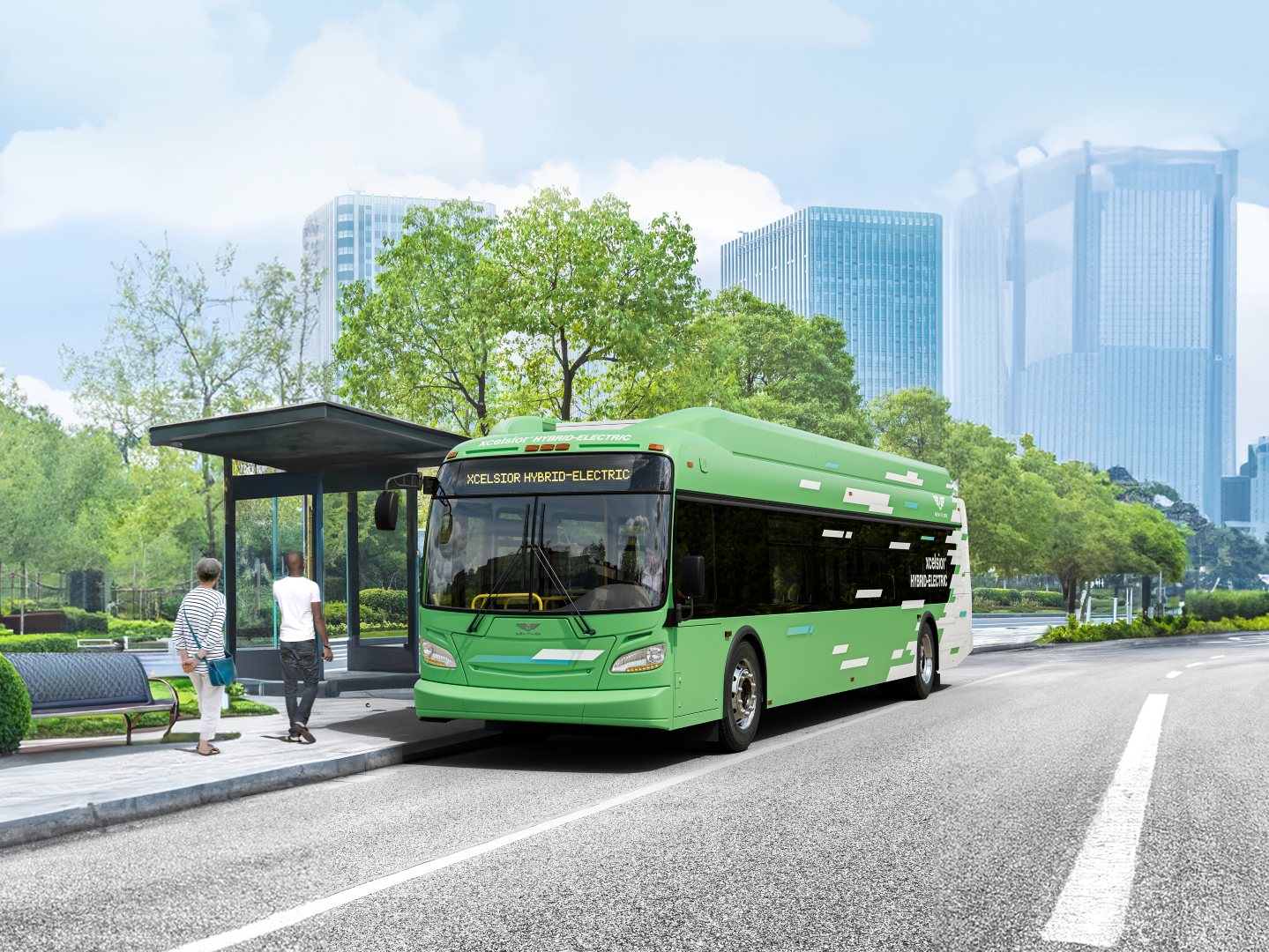
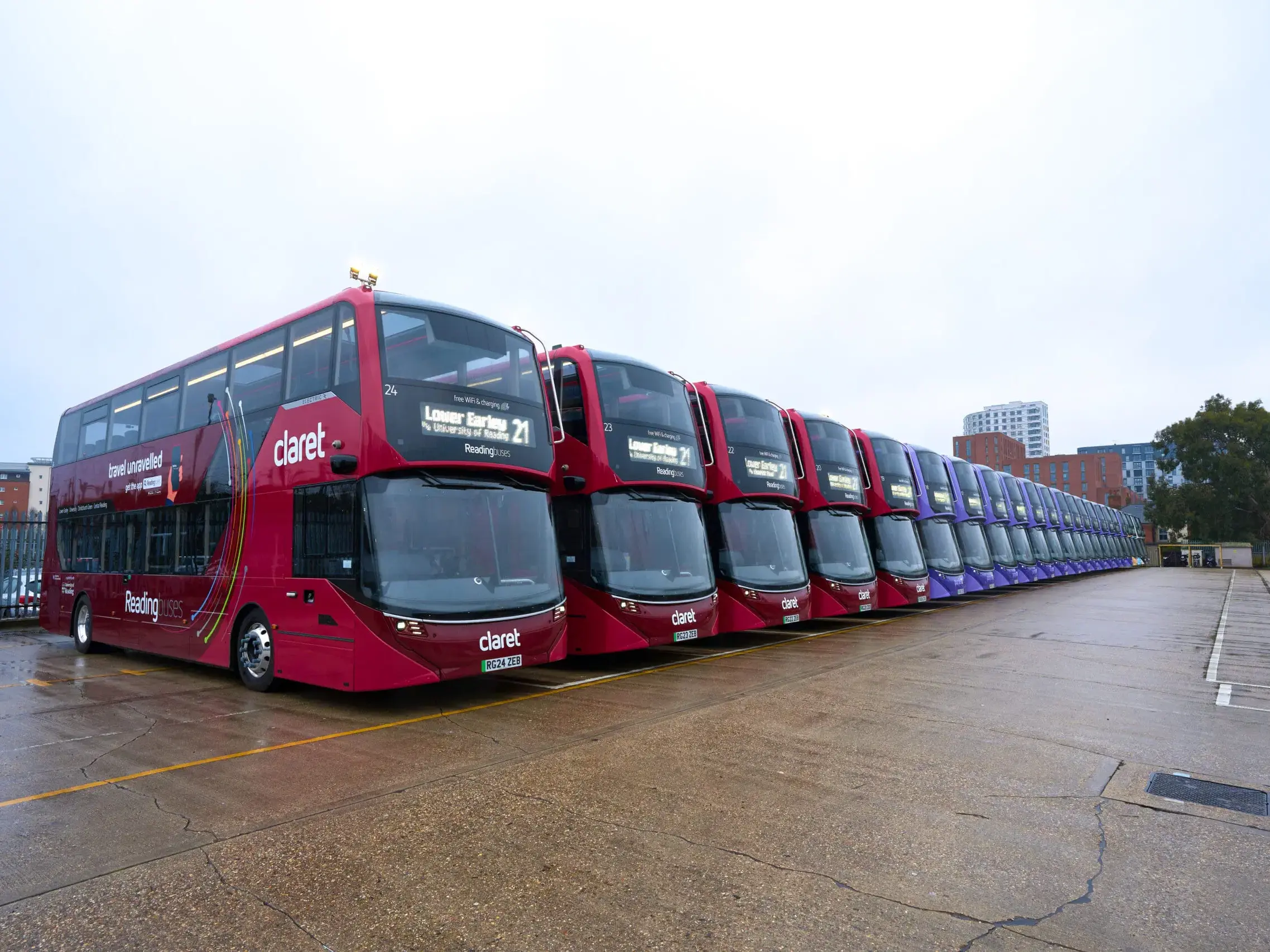
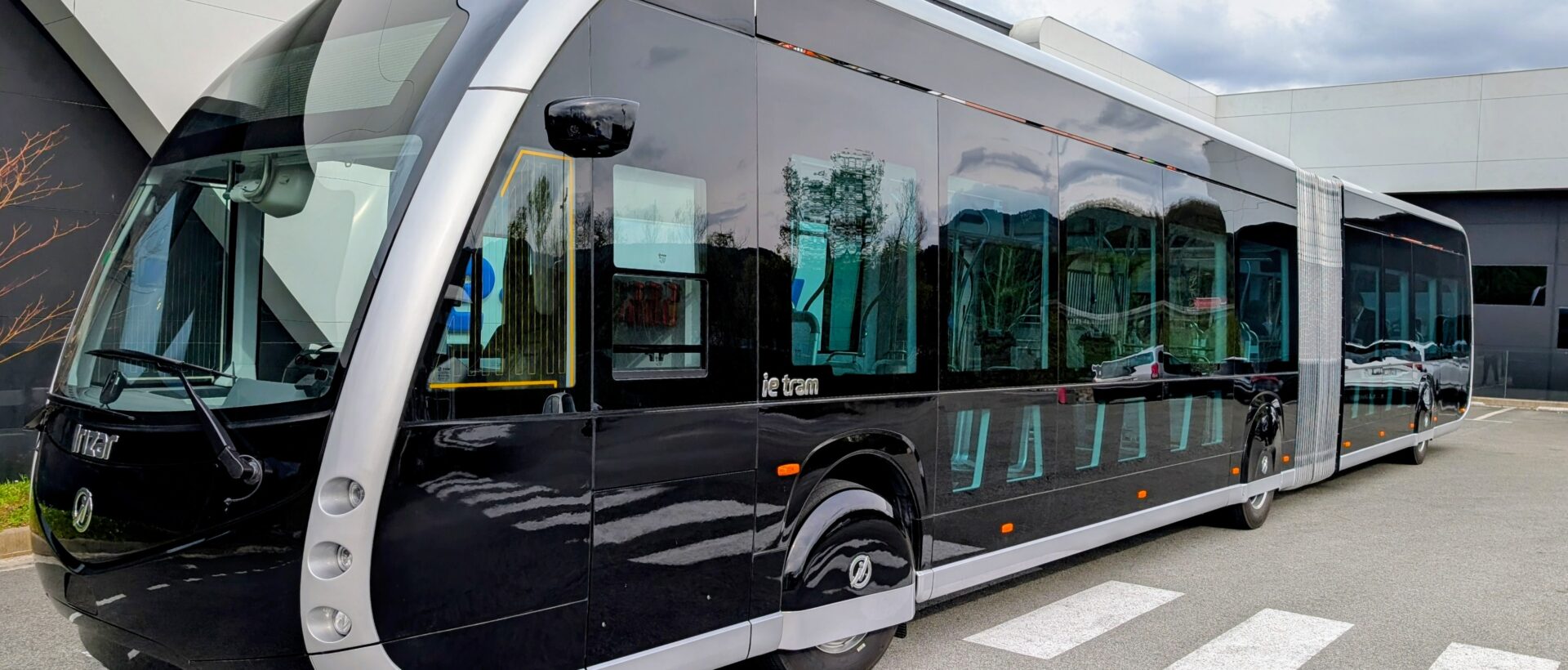
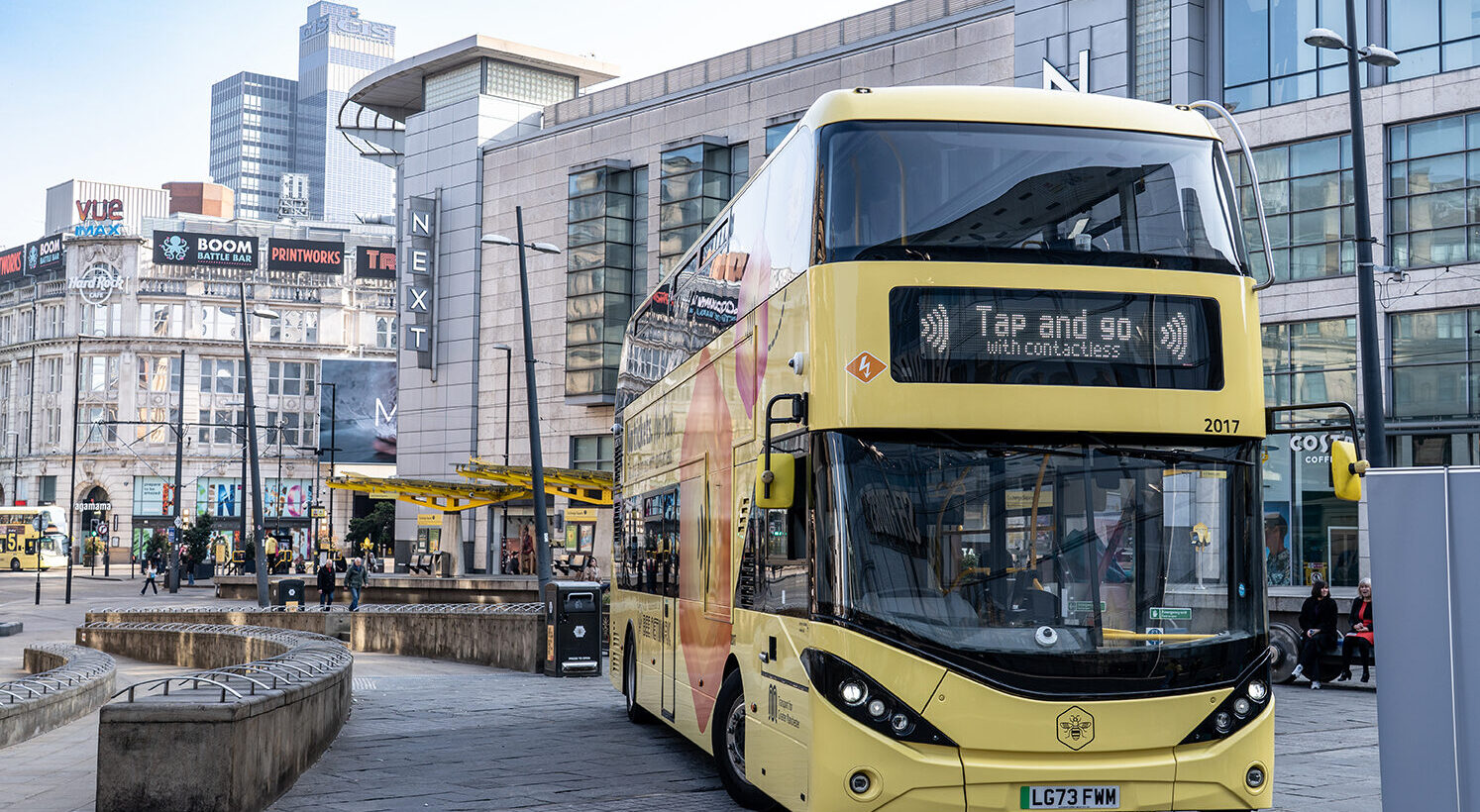
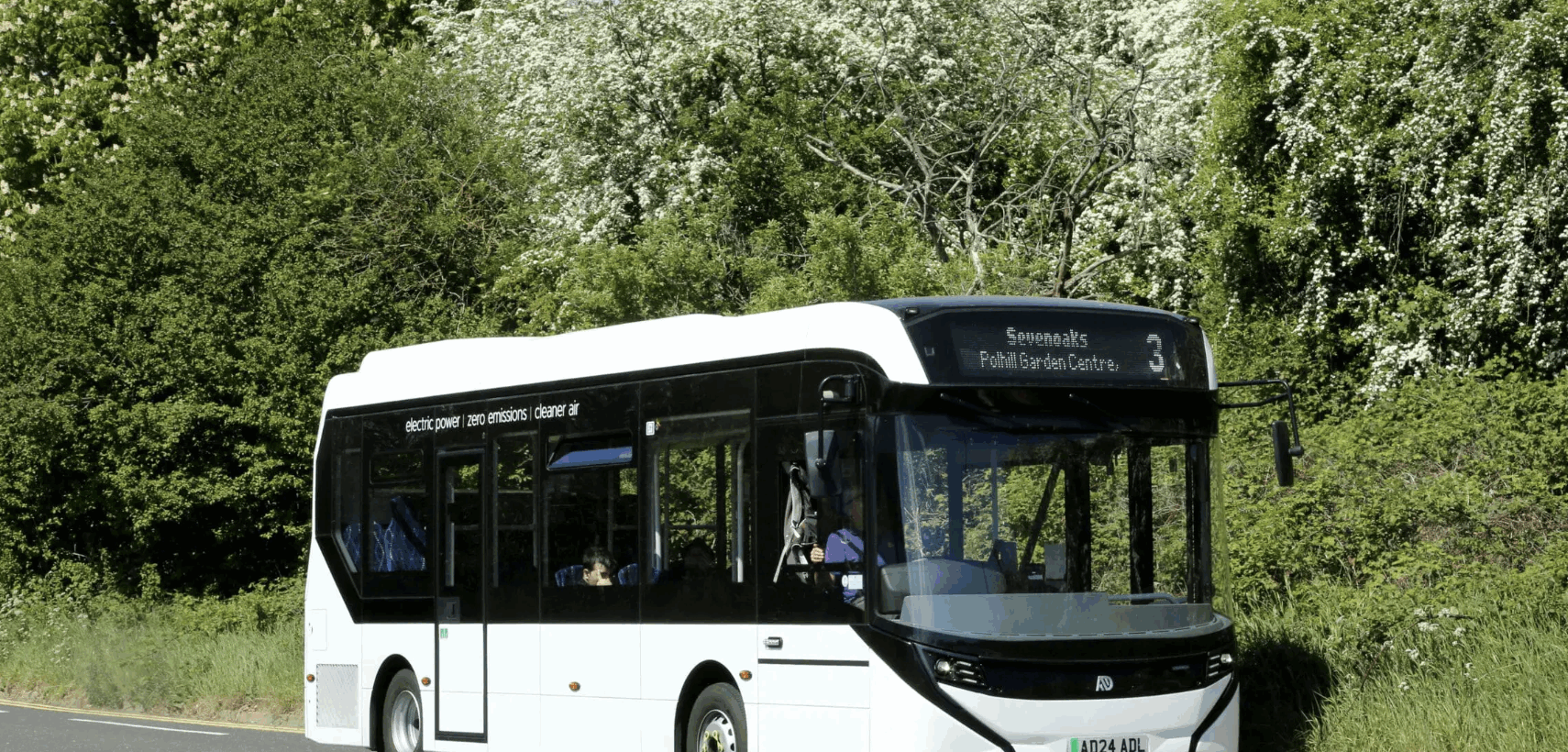
Central to this progress is the introduction of more low- and zero-emission buses. Over 300 electric buses are now in service, marking a tenfold increase since the Bee Network assumed control of bus services. A longer-term goal to fully electrify the region’s bus fleet by 2030 is supported by 2.5 billion GBP in wider government transport funding.
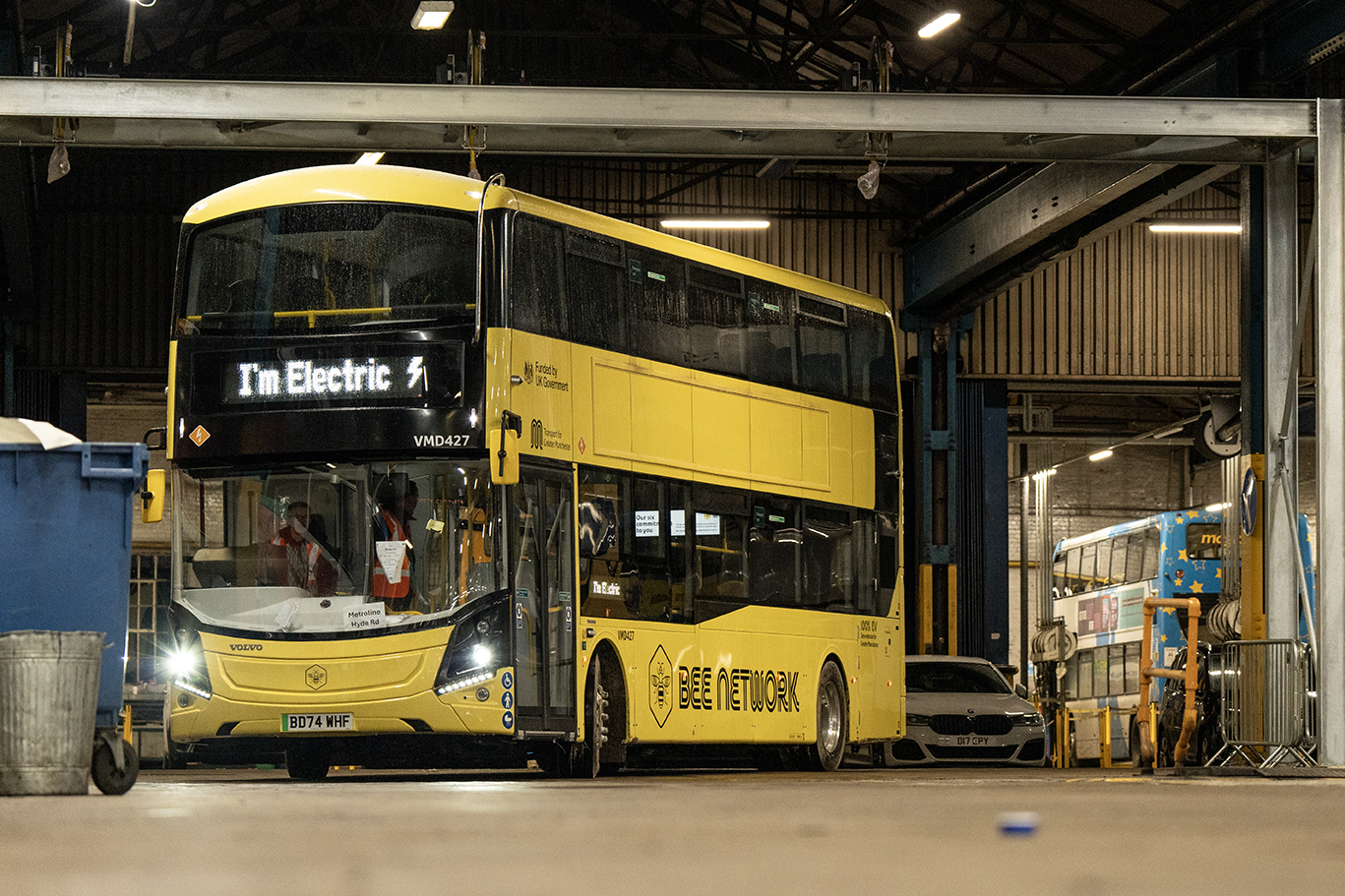
To enable this shift, Transport for Greater Manchester (TfGM) is upgrading infrastructure across the region. Depots in Bolton, Manchester, Oldham and Ashton have been adapted to support electric vehicles, with Ashton becoming the first depot in the region to operate fully electric services. Work at Middleton depot is due to begin next.
This transition is being implemented as part of a non-charging approach to air quality, focused on cleaner transport alternatives rather than levying charges on drivers.
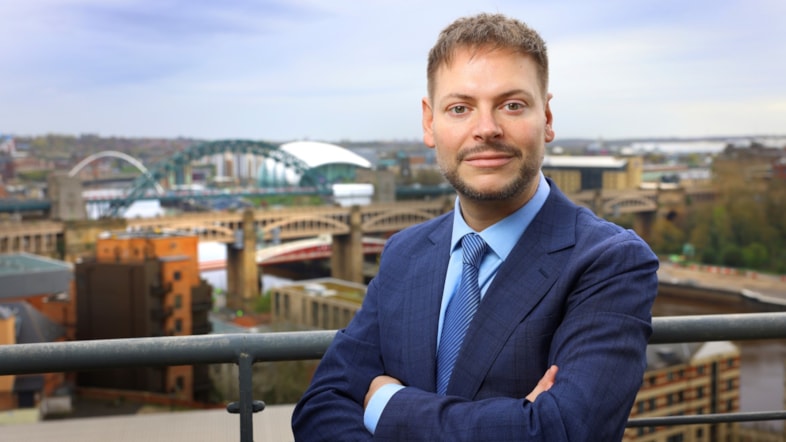
Cllr Eamonn O’Brien, Leader of Bury Council and Clean Air lead for Greater Manchester, said:We’ve always been focused on doing what’s right for Greater Manchester, and by accelerating investment in our public transport network, we’re showing that it’s possible to improve air quality faster than if a charging Clean Air Zone had been introduced.
Investment in the Bee Network is enabling more people to choose cleaner, greener ways to get around – like public transport and walking or cycling – instead of driving.
As we deliver our Clean Air Plan alongside the Bee Network, with support from the government, we’ll roll out the UK’s first fully integrated, zero-emission public transport system by the end of the decade and improve the air we all breathe for generations to come.
Greater Manchester’s investment-led approach to air quality has been endorsed by central government. Modelling suggests the city-region can meet legal limits for nitrogen dioxide without the need for a charging zone, and potentially sooner than if one had been implemented. The current plan aims to achieve compliance by 2026 at the latest.