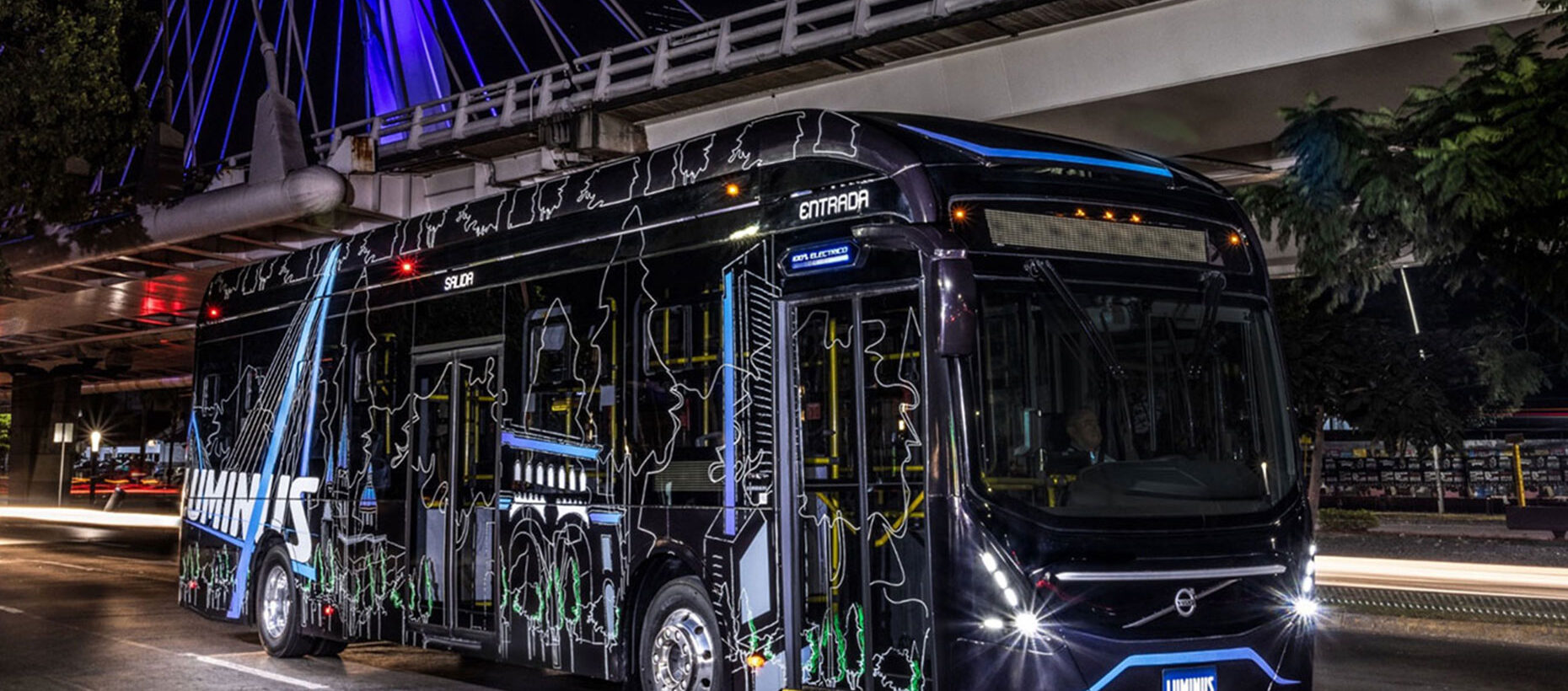
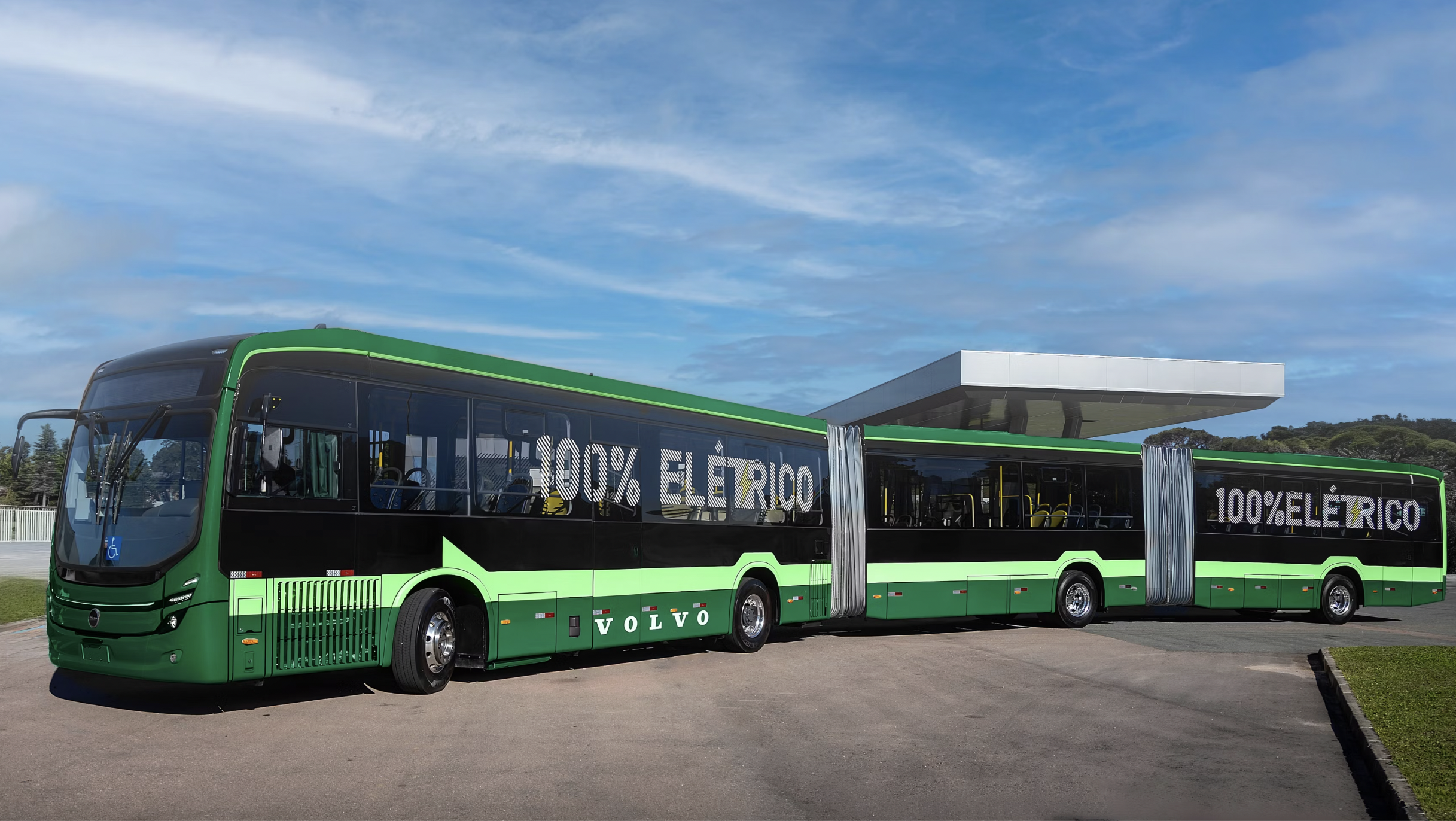
Goiânia, Brazil, has begun operating the world’s first fleet of electric bi-articulated buses in regular passenger service, with vehicles supplied by Volvo Buses.
The rollout includes 21 high-capacity electric vehicles and a new charging hub designed to support large-scale battery bus operations in the city’s bus rapid transit network.
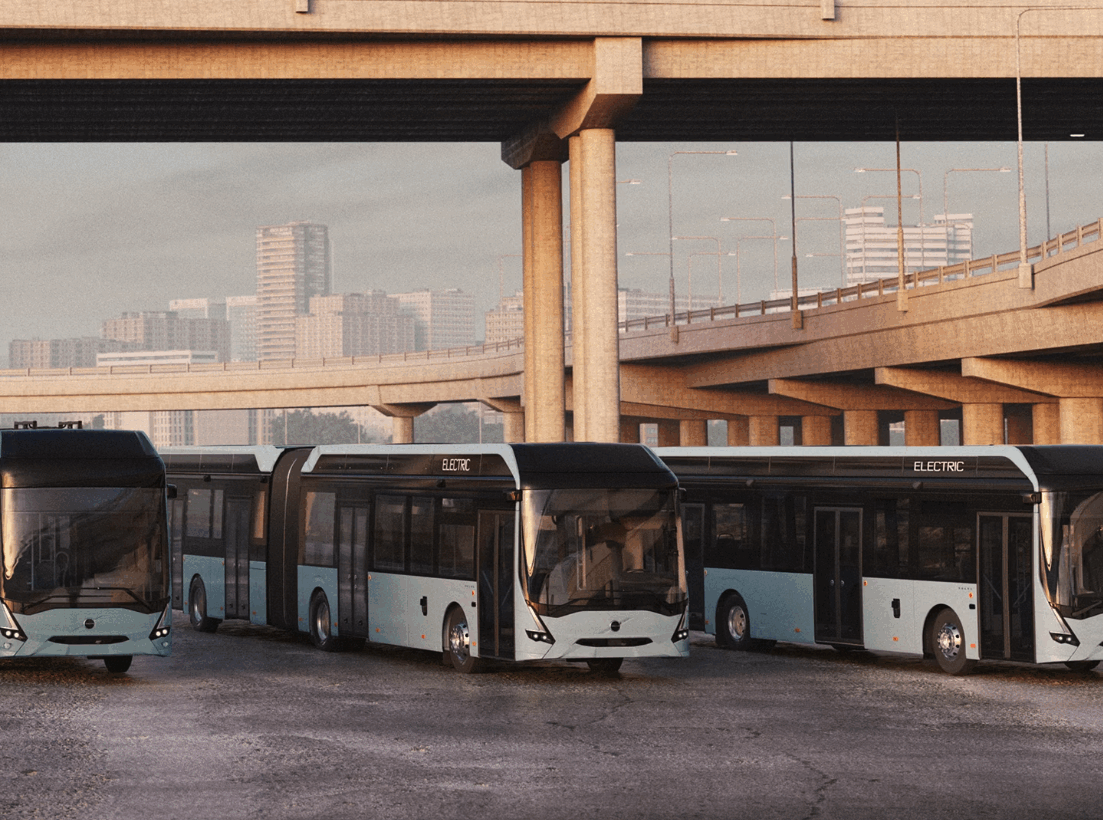
The new fleet consists of 16 articulated and five bi-articulated buses built on Volvo Buses’ BZRT electric chassis, with bodies produced by Marcopolo. The vehicles have entered service on dedicated BRT corridors serving the metropolitan public transport network known as RMTC.
Alongside the vehicles, authorities and project partners have opened the Eletroposto Oeste charging hub at the METROBUS S.A. depot. The site is equipped with 23 chargers rated at 240 kW and is designed to charge up to 46 buses at the same time. The facility is intended to support scheduled charging and daily fleet rotation for high-capacity routes.
Volvo Buses’ bi-articulated electric models measure 28 metres in length and can carry up to 250 passengers. The articulated versions are 21 metres long with a capacity of up to 180 passengers. Both types use two electric motors rated at 200 kW each, providing a combined output of 400 kW. Battery capacity on the bi-articulated buses can reach 720 kWh using up to eight battery packs.
The motors are mounted centrally under the floor to improve weight distribution and stability. The battery layout is also floor-mounted, allowing a continuous passenger interior without raised sections. In addition, the vehicles are fitted with driver assistance and safety systems, including camera-based visibility support, blind spot monitoring sensors, and traffic sign recognition.
Andre Marques, Vice President, Volvo Buses in Latin America said:This marks a transformational moment for high-capacity urban transport. Introducing the world’s first electric bi-articulated bus fleet in regular operation shows what strong partnership and a shared commitment to sustainable mobility can achieve.
Goiânia has a long history of pioneering mobility solutions, and we are proud to continue that legacy together. From the first bi-articulated buses in 2005 to today’s fully electric fleet, our collaboration has consistently pushed the boundaries of modern public transport.
The project has been developed through cooperation between several organisations, including HP Mobilidade, GreenMob Capital, Suécia Veículos, Volvo Financial Services and Volvo Buses. Financing, vehicle supply, charging infrastructure and fleet operation were structured jointly between the partners.
City and network operators plan to use the new buses across upgraded BRT corridors as part of a broader programme to reduce local transport emissions and modernise fleet infrastructure.