The California Transportation Commission (CTC) has approved nearly 1 billion USD in transport funding, with a share of the package supporting bus services.
The 988.7 million USD allocation includes 184 million USD from the federal Infrastructure Investment and Jobs Act (IIJA) and 336 million USD from Senate Bill 1 (SB 1), California’s long-term transport funding mechanism.
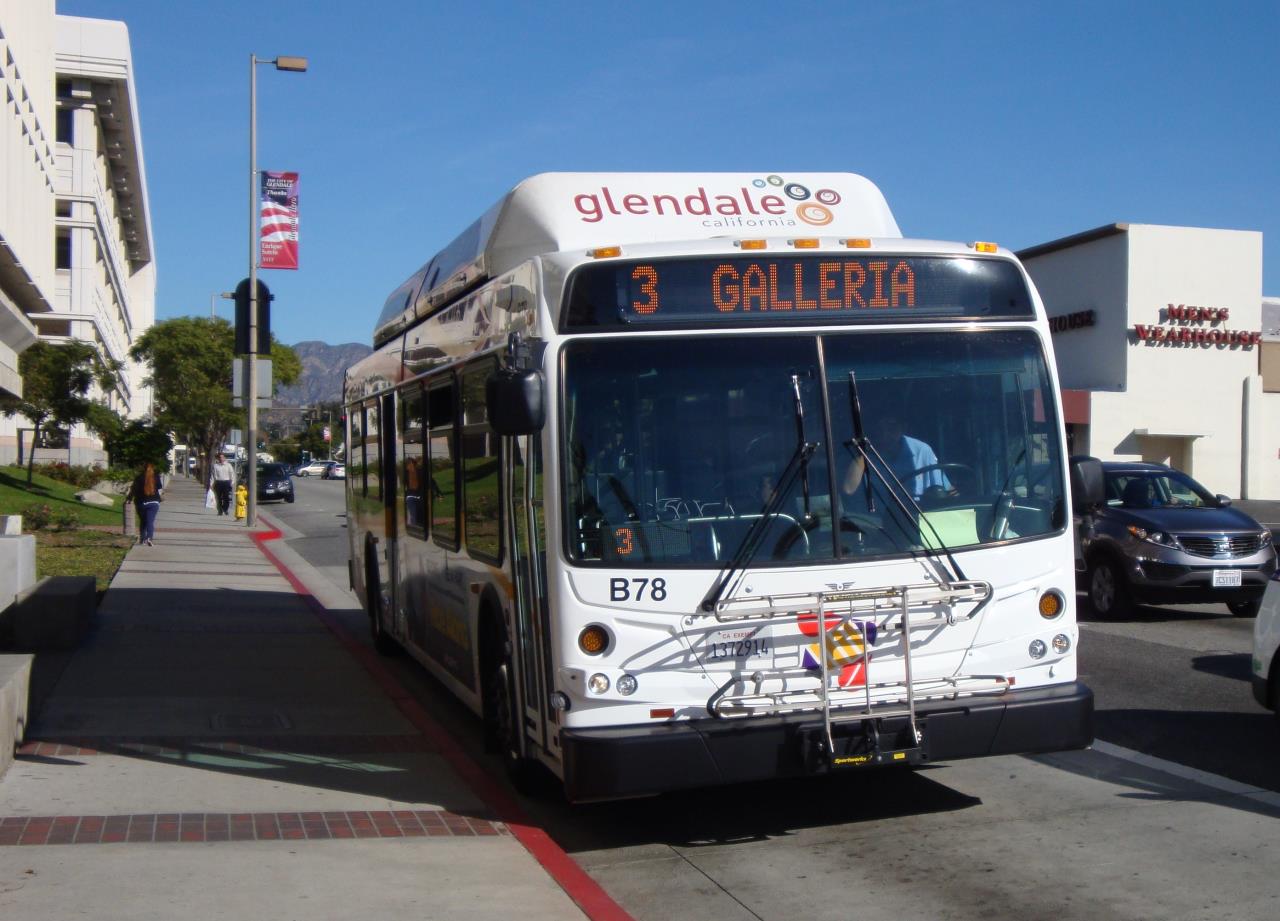
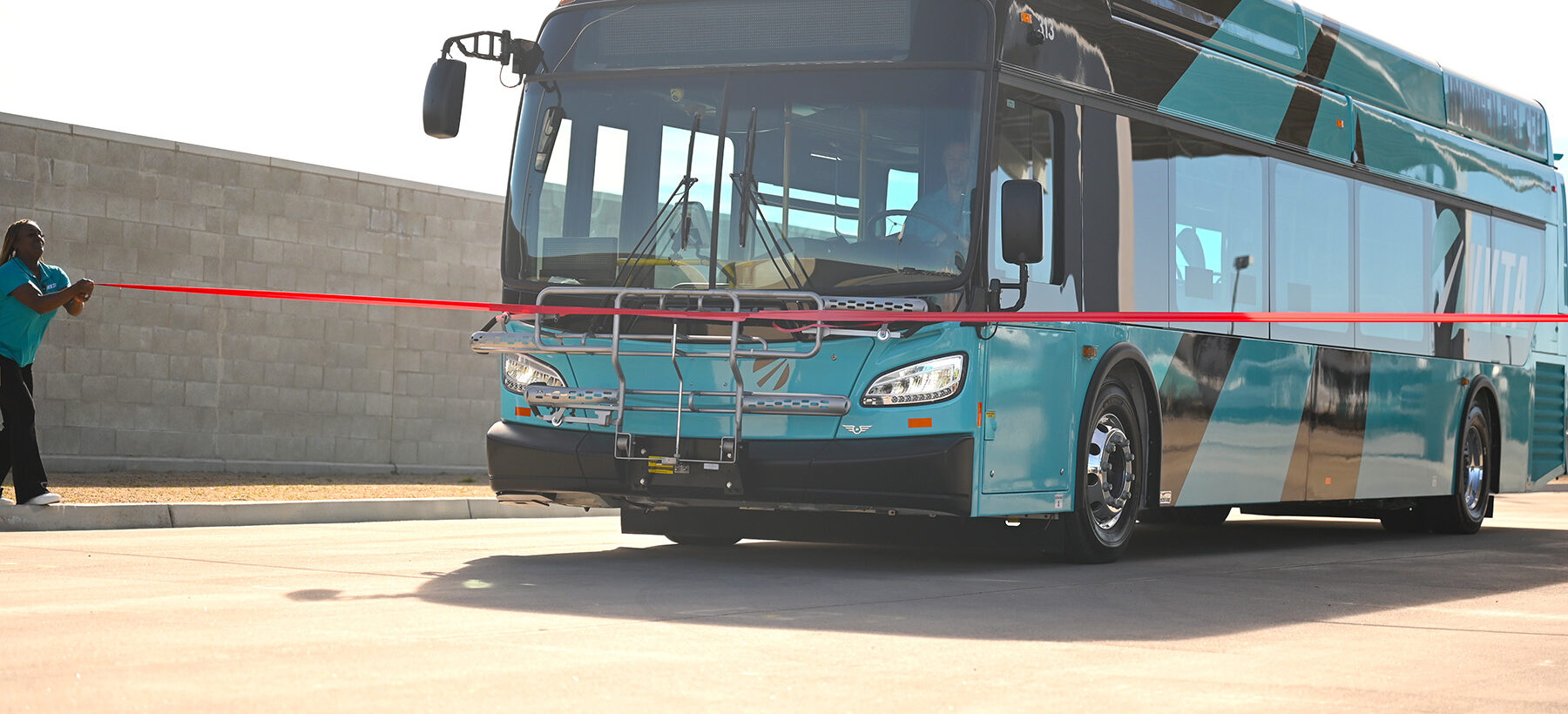
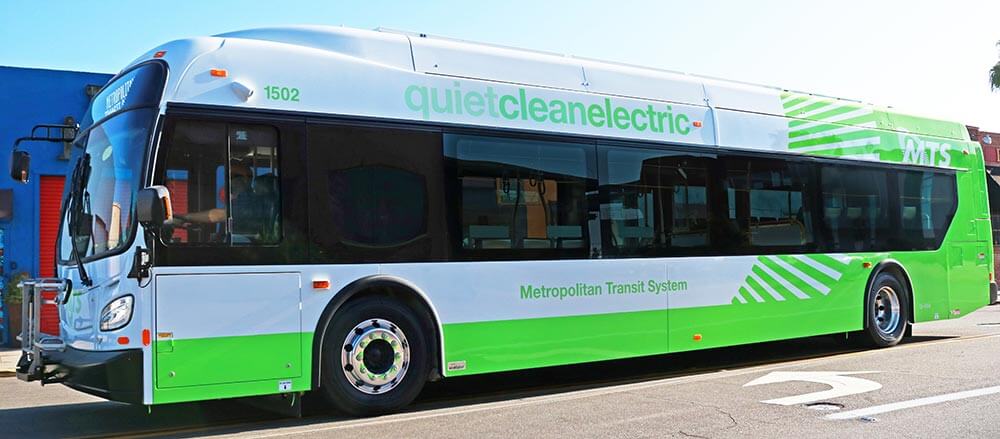
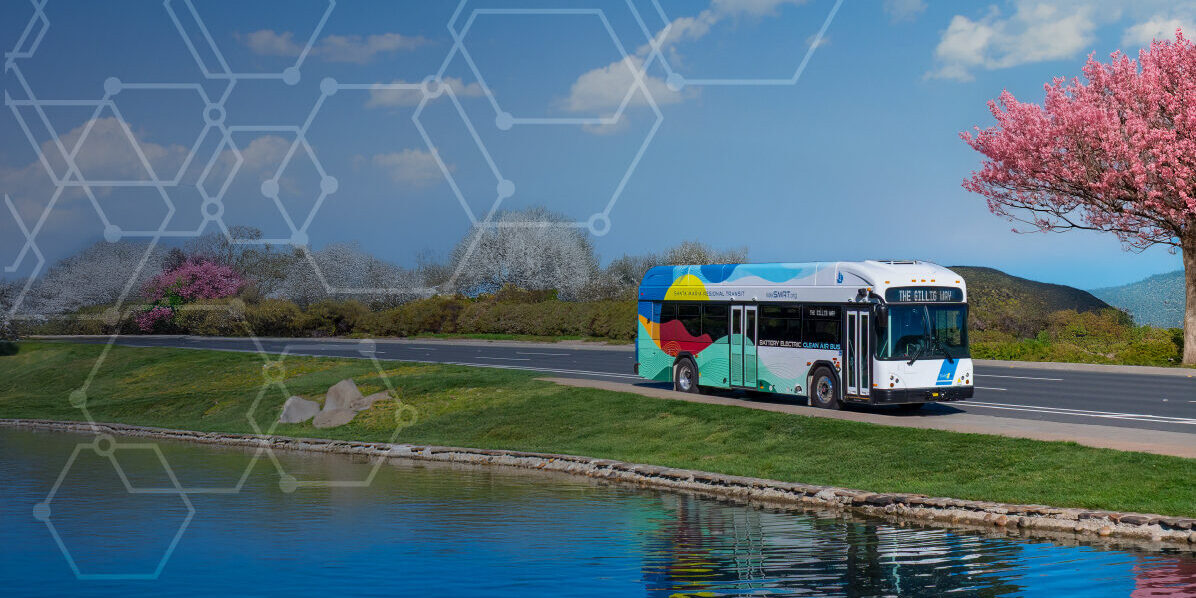
A key bus-related allocation includes 17 million USD for the city of Glendale to purchase 20 electric buses. The vehicles will be added to the local fleet to support lower-emission operations and modernise services that connect residential areas with employment centres and rail stations.
Bus services are also expected to benefit indirectly from several multimodal corridor projects included in the funding package. Along the US 101 corridor between Ventura County and Goleta, 96 million USD has been allocated for improvements that include public transport enhancements alongside high-occupancy vehicle lanes, pedestrian routes and cycle paths. These upgrades are intended to improve reliability and journey times for bus services operating on or alongside the corridor.
California Transportation Secretary Toks Omishakin said:Creating a brighter future in the Golden State is about addressing big challenges with meaningful investments like those made today. This level of support funds wide-ranging transportation upgrades that provide the backbone of California’s vibrant economy by improving goods movement, expanding transit and rail systems and making our system more bikeable and walkable. These benefits will be experienced by every region, including disadvantaged communities throughout the state.
In Santa Barbara County, 81.8 million USD has been approved for the final phase of the US 101 Multimodal Corridor Project. While primarily a highway scheme, the project includes infrastructure designed to support public transport use, including bus operations within the corridor.
Across the state, a range of road rehabilitation, safety and accessibility projects are also expected to improve conditions for bus travel, particularly in rural and regional areas where buses form a key part of the public transport offer. These include pavement rehabilitation, junction upgrades and the introduction of Complete Streets features, which aim to accommodate public transport, pedestrians and cyclists alongside general traffic.