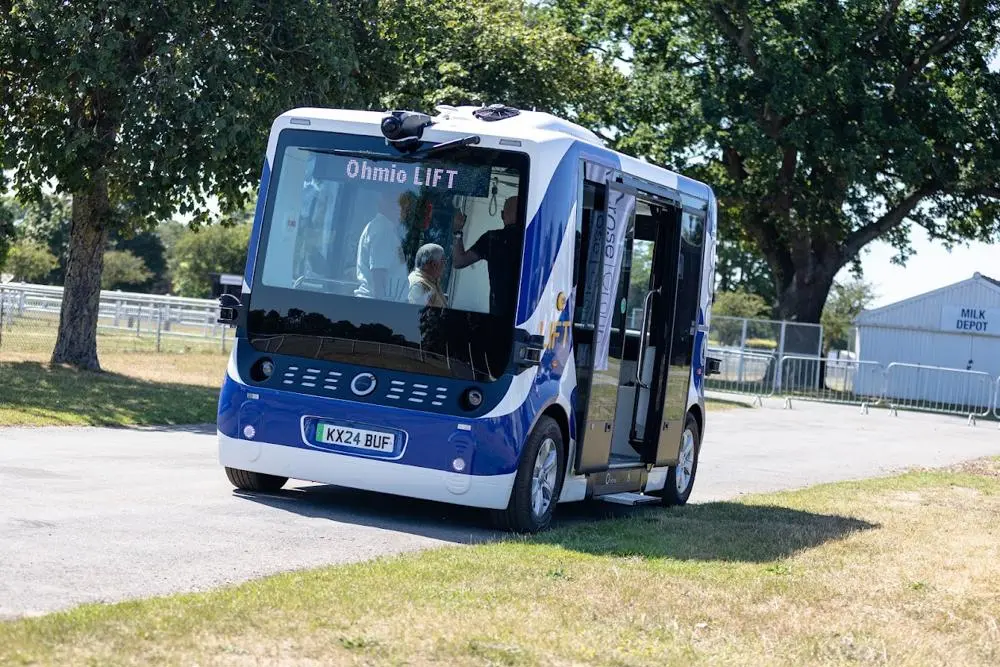
Aurrigo has launched an autonomous passenger shuttle service in Kanata, Ottawa, marking the first deployment of an all-season, medium-speed driverless shuttle bus on Canadian public roads.
The nine-seat Auto-Shuttle, developed by Aurrigo, will operate along a 4.5-kilometre route through the Kanata North Technology Park, connecting eight stops that serve local businesses, restaurants, public spaces, and transit links.
The project is being delivered in partnership with the Kanata North Business Association (KNBA), Invest Ottawa’s Area X.O test facility, and several supporting organisations.
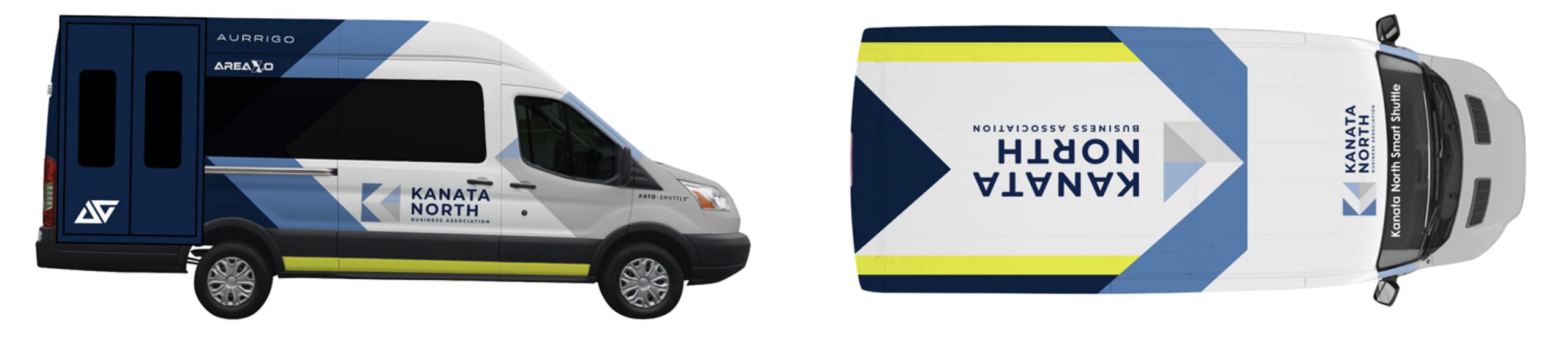
The Auto-Shuttle is a Level 4 electric vehicle designed to operate without a driver in mixed traffic. It has been engineered to manage year-round Canadian weather, including snow, ice, rain, wind, and autumn leaf fall.
Before entering service on public roads, the vehicle underwent testing at Area X.O, Ottawa’s dedicated R&D facility for advanced mobility and smart technologies.
David Keene, Chief Executive of Aurrigo International said:We have been working with Kanata North Business Association for over six years on how we can effectively bring autonomous vehicles to the streets of Canada.
This important project accelerates this vision, and we believe we have the real-world technology in place in Auto-Shuttle® that will prove that driverless vehicles can operate safely and effectively in all weather conditions. In my opinion, this could be the testbed that unlocks further AV developments in North America and across the rest of the globe.
The trial will examine:
- The operation of electric autonomous vehicles in Canadian four-season conditions
- Development of a municipal safety framework for autonomous shuttles
- Inclusive design features, such as an ASL avatar and visual communication system developed with Deaf.AI for Deaf and hard-of-hearing passengers
- Policy recommendations for future Canadian autonomous vehicle regulations
The initiative follows earlier autonomous vehicle trials in Ottawa in 2019 and 2021, which involved low-speed pods and shuttles. The new deployment moves to a larger commercial vehicle with higher speed and passenger capacity, aiming to test the technology’s readiness for broader public use.