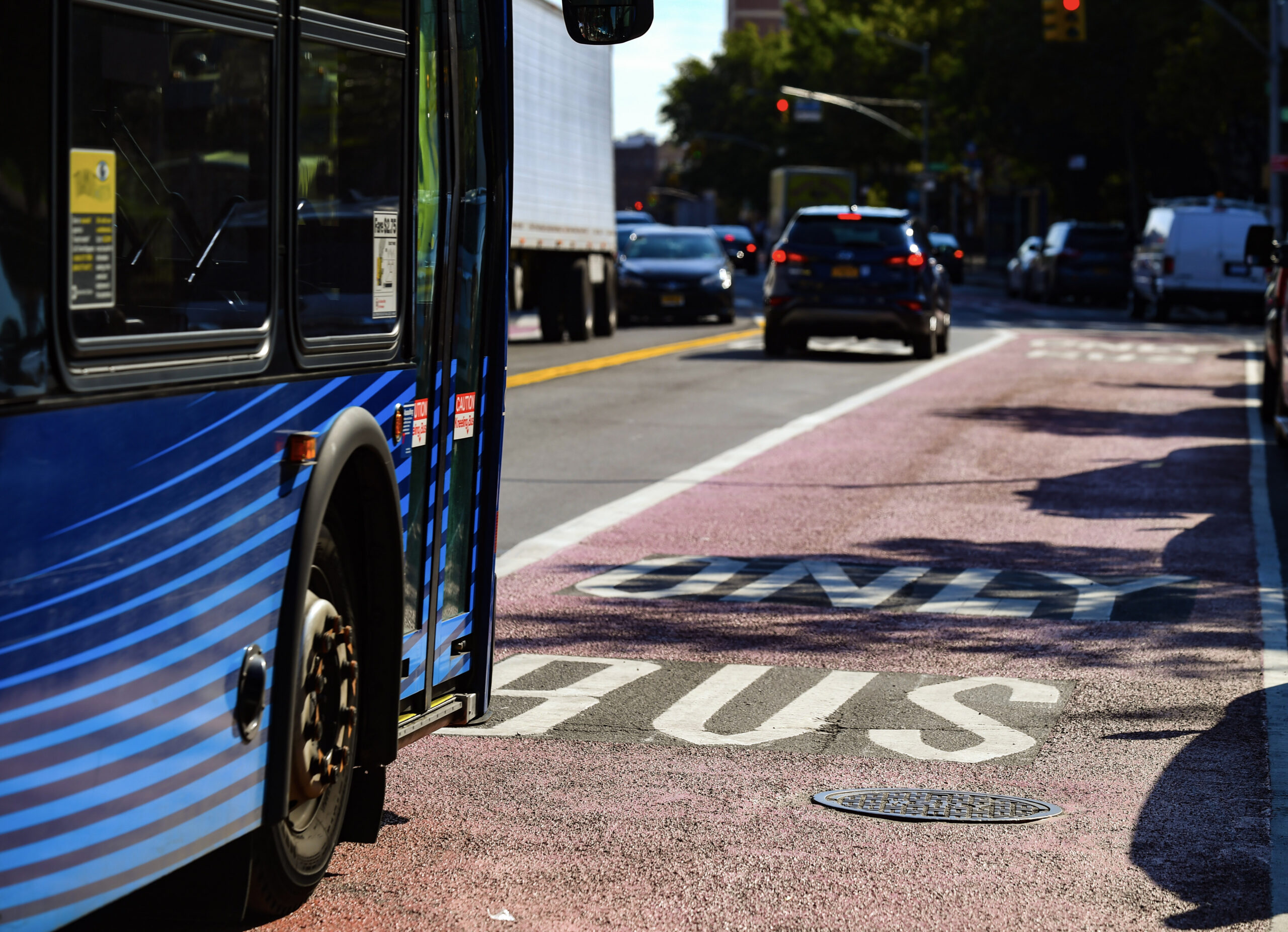
The Mayor of New York City, Zohran Mamdani, has announced that construction will restart on four previously paused bus and cycle lane projects in the Bronx and Brooklyn.
The schemes aim to improve bus journey times for around 130,000 daily passengers while addressing road safety concerns for pedestrians, cyclists and drivers.
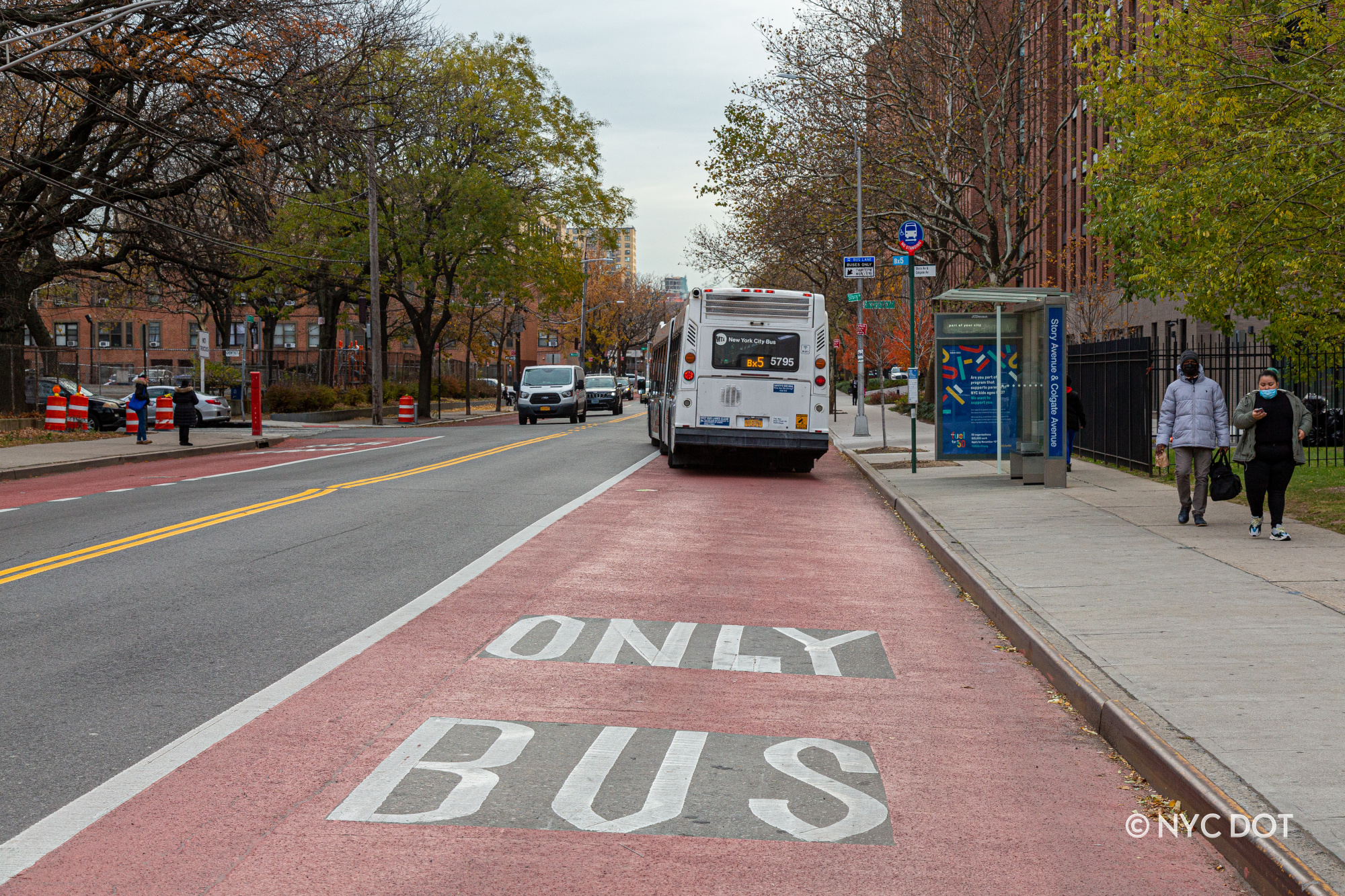
The projects, overseen by the New York City Department of Transportation, had been delayed amid political disagreements and community concerns. Work is now expected to begin in spring 2026 following renewed design and consultation processes.
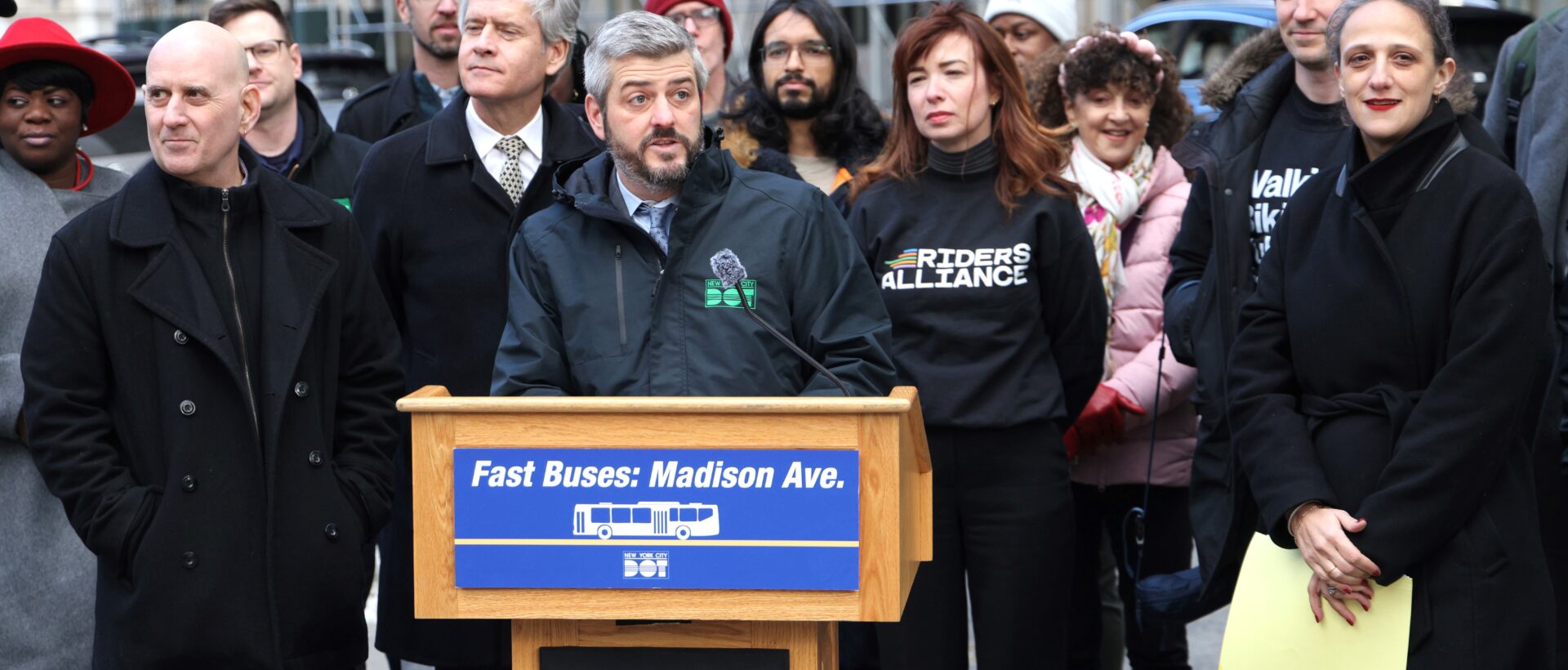
Zohran Kwame Mamdani said:For too long, New Yorkers have been told to wait as long overdue improvements to our transit system were blocked time and again. That ends now. Today, we’re moving forward with faster, more reliable buses for the 130,000 New Yorkers who depend on them every single day. Today, we build safer streets for New Yorkers who walk, bike, or drive in their own neighborhoods. And this is just the start — it’s part of a larger commitment to bold, systemic change that gives New Yorkers the transit system and streetscape they deserve.
The four projects include new bus lanes on Fordham Road in the Bronx and three cycling infrastructure programmes across Brooklyn.
Fordham Road Bus Lane
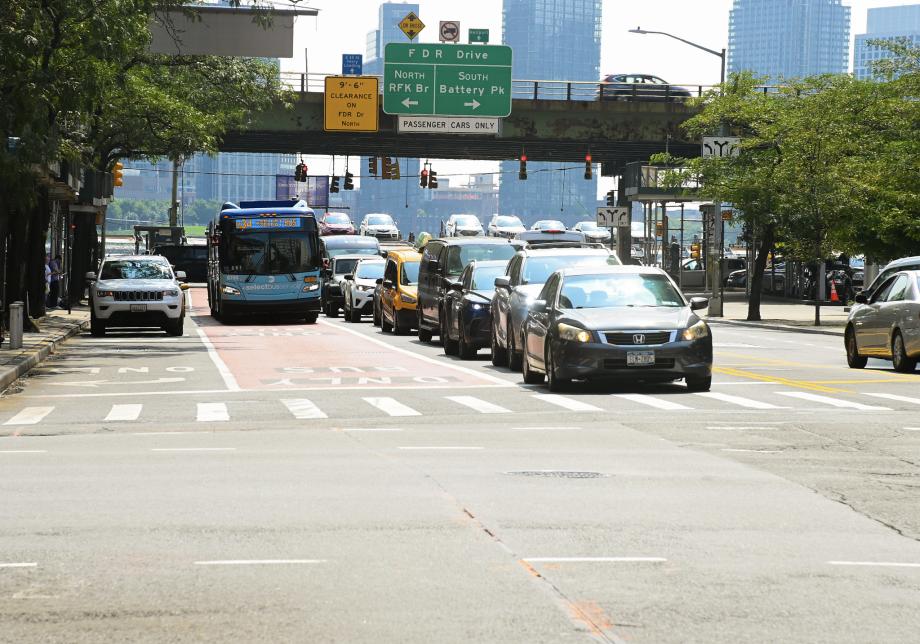
Fordham Road is the busiest bus corridor in the Bronx, serving routes including the Bx12, Bx9, Bx17 and Bx22. The redesign will introduce offset bus lanes between Sedgwick Avenue and Boston Road.
City data indicates that 62% of households in the surrounding area do not own a private vehicle and that 71% of residents rely on public transport, walking or cycling. The layout change is expected to improve bus speeds and service reliability. Monitoring will continue after installation to assess performance.
Ashland Place Cycle Lane
In Brooklyn’s Fort Greene neighbourhood, the final section of a protected cycle lane on Ashland Place will be completed. The scheme will convert the southernmost block of the street from two-way traffic to one-way and add a two-way protected cycle lane.
The redesign also includes plans to turn part of Hanson Place into a shared street, expanding pedestrian space and linking to wider public realm improvements. Once finished, the route will form part of a continuous protected cycling corridor connecting Sunset Park and DUMBO, with links towards Greenpoint and Queens.
Midwood, Flatbush and East Flatbush Network
A separate plan will create a cycling network across Midwood, Flatbush and East Flatbush, areas with established cycling activity but limited dedicated infrastructure. Parking-protected cycle lanes are planned for Cortelyou and Dorchester Roads in Ditmas Park, while standard lanes will be installed on 14 additional streets across the three neighbourhoods.
Intersection upgrades aimed at improving visibility and reducing collision risk are also included. City officials cited research indicating that protected cycle lanes can reduce deaths and serious injuries by around 18% for all road users.
Brooklyn and Kingston Avenues
A further project will introduce parking-protected cycle lanes along Brooklyn and Kingston avenues in Central Brooklyn, corridors that run close to more than 10 schools. Transport data recorded 65 injuries on the routes between 2021 and 2025, with pedestrians and cyclists accounting for the majority of serious incidents.
The redesign will extend from East New York Avenue to Wingate Park at Winthrop Street and include a protected cycle loop around the park. Additional conventional cycle lanes are planned on Rutland Road and Fenimore Street in Prospect-Lefferts Gardens.