The real transformation is happening at bus stops, terminals and depots – where charging becomes invisible.
Electric buses are driving change in public transport. But the real leap forward isn’t just what moves – it’s how we keep it moving. Across Europe, cities are facing rising pressure to electrify fleets while keeping operations reliable, affordable and resilient. And increasingly, the most effective solution is the one you don’t even see: high-power inductive wireless charging.
Charging Without Compromise
Unlike plug-in or pantograph systems, inductive charging requires no mechanical arms, exposed connectors or driver interaction. Energy is transferred directly through the air – safely, silently and automatically.
This makes it ideal for opportunity charging. At bus stops, your vehicle can top up in just two minutes while passengers hop on and off. At terminals, a 15 to 30 minute pause is enough to add serious range without disrupting operations. The system charges when your bus is naturally paused – no detours, no waiting, no extra handling.
But wireless charging also transforms depot operations. Because everything is embedded in the ground, there’s no visible hardware, no risk of damage and no cables to connect. Buses can be parked closer together and charging starts automatically – even with narrow spacing or full overnight schedules. No manual connection means no risk of wear, misalignment or failure.
In both scenarios, charging adapts to your route and rhythm – not the other way around. This leads to lower idle times, smaller and lighter batteries, improved battery life and a significant reduction in operational complexity. The result is a charging strategy that fits into your daily flow, improves uptime and lowers your total cost of ownership.
Proven in Real-World Extremes
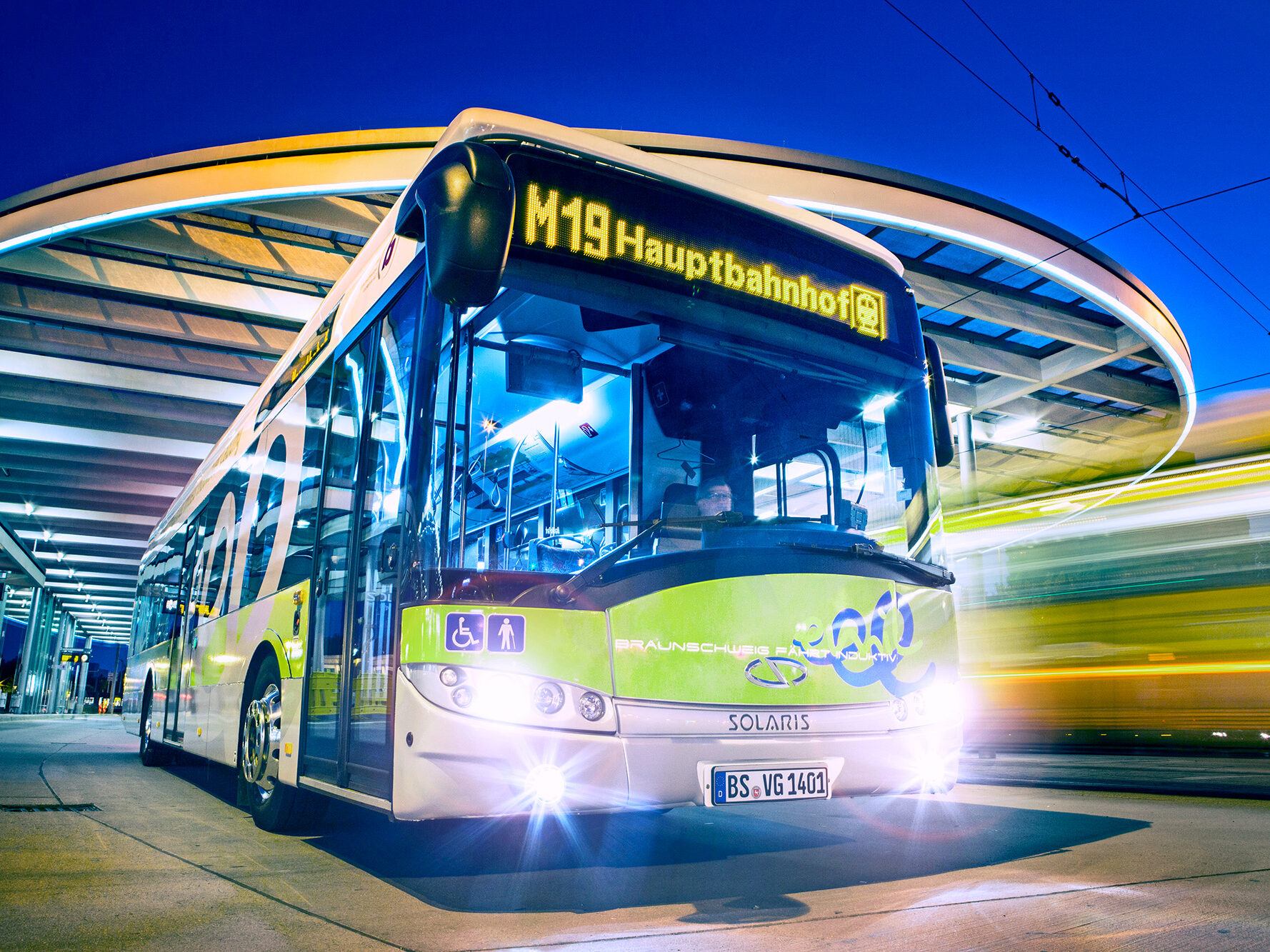
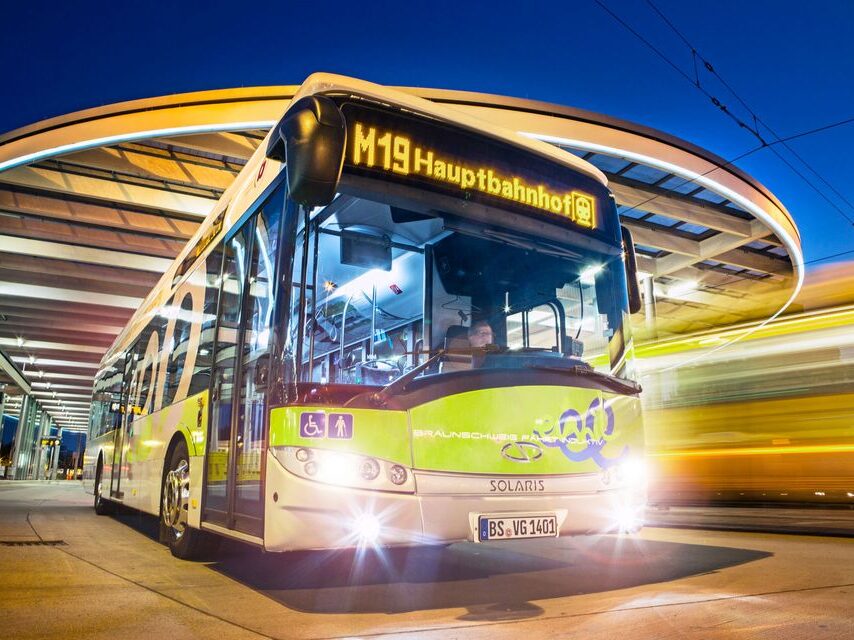
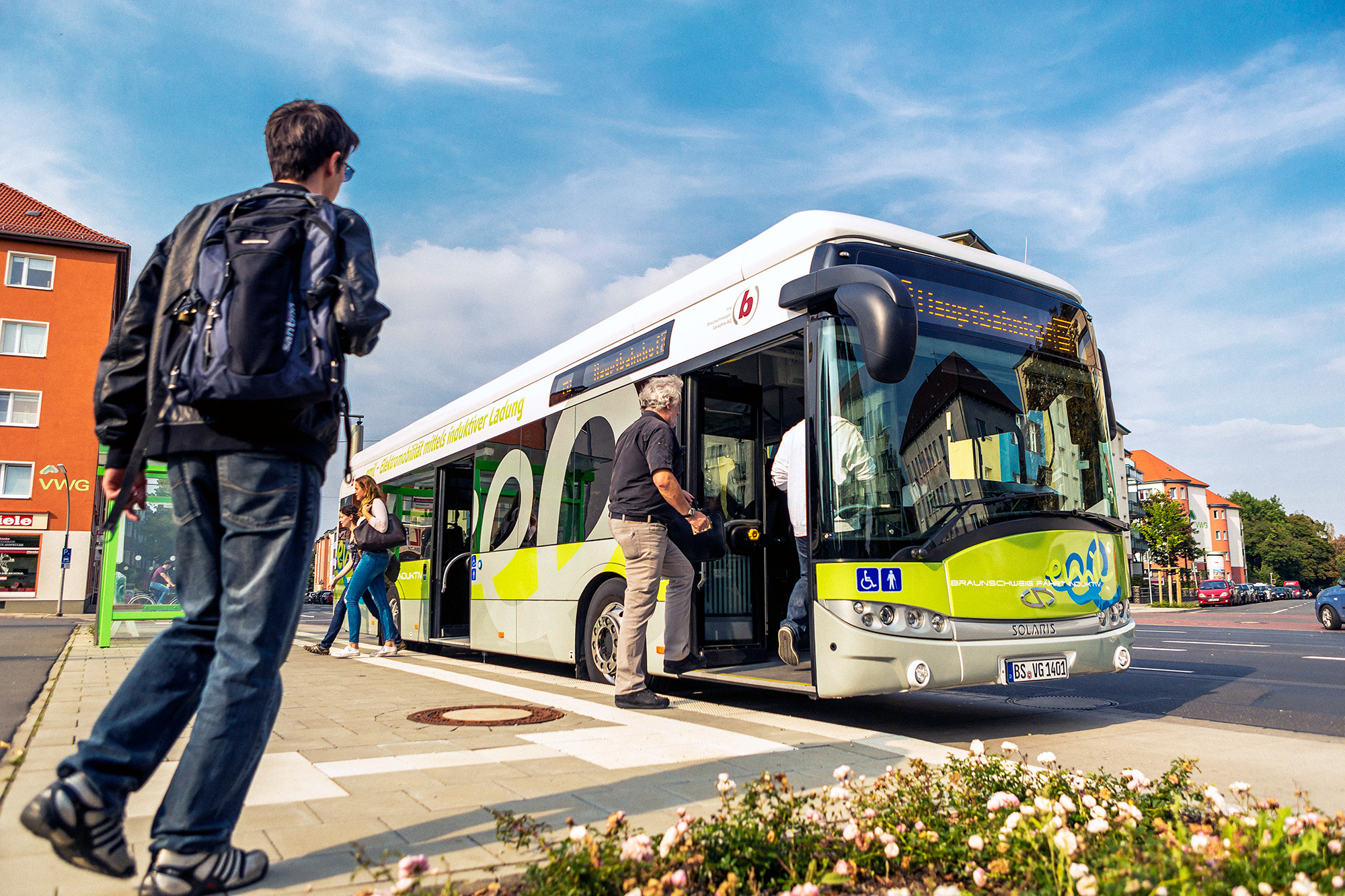
While some systems struggle in harsh conditions, ENRX’s solution was built for them. Deployed in cities like Turin, Braunschweig and Genoa since the early 2000s, the technology has operated for decades through snow, ice, heat and dust storms – without a single replacement of the ground infrastructure.
How? There are no electronics embedded in the road. The underground pads are passive, sealed and resilient – unaffected by freezing water, sand, salt or surface debris. Unlike pantograph or plug-in systems that rely on moving parts and contact points, ENRX charging continues to perform in all weathers, with minimal maintenance and no external failure points.
Clean Energy, Longer Battery Life
But wireless charging doesn’t just increase uptime – it also protects battery health. ENRX systems convert standard AC current to high-frequency power (up to 85kHz), transmit it wirelessly and rectify it into clean, stable DC for the battery. This minimises harmonic distortion and thermal stress.
And because vehicles receive multiple smaller charges throughout the day, battery cells stay within the optimal state of charge. That prevents deep cycling and helps avoid premature ageing. It’s better for batteries – and better for the bottom line.
Trusted for Over 30 Million Kilometres
The results speak for themselves. Since 2003, ENRX has delivered more than 30 million wireless kilometres across Europe, powering public transport in some of the continent’s most challenging environments. The system is in daily use, has proven itself in every climate and continues to support legacy fleets and new OEM platforms alike.
Cities in Northern Europe often rely on depot charging due to historical investments. In the United States, by contrast, opportunity charging is gaining faster ground – driven by a stronger focus on operational flexibility and long-term cost savings. But the benefits are universal: reduced charging times, better fleet availability, and the freedom to scale electric transport – without redesigning your entire depot.
Built for What’s Next
As autonomous driving becomes a reality, the case for hands-free charging only strengthens. Inductive systems are already enabling fully automated operation, where vehicles recharge themselves without human input. No plugs. No errors. No alignment issues.
And because there are no exposed or moving parts, wireless infrastructure can be installed in public spaces, shared zones or busy transfer points – safely and unobtrusively.
See It for Yourself
The technology is ready. The infrastructure is proven. The results – in uptime, performance and total cost of ownership – are measurable. But nothing beats seeing it in action.
Want to test it with your own buses, in your own city?
We’ll bring the system to you – and demonstrate how invisible charging delivers visible results.
This article first appeared in the Bus-News Magazine Issue 2 2025. Download the full PDF version here.