A new report from the Clean Air South network has outlined the role that cleaner transport and zero-emission buses play in improving air quality across the south of England.
The report, produced by the University of Southampton in partnership with local authorities, businesses and health organisations, brings together examples of projects that are reducing air pollution and supporting public health across the region.
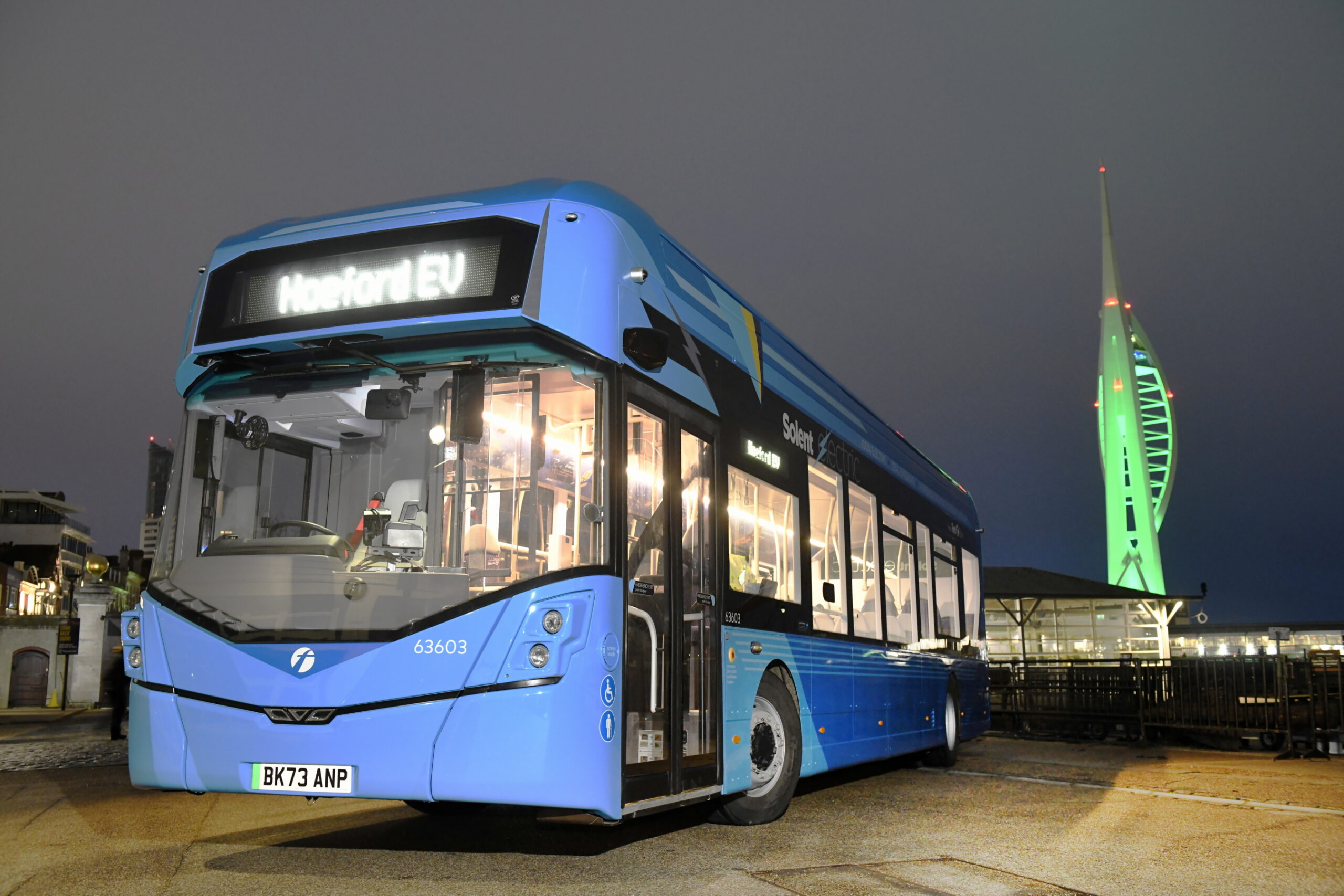
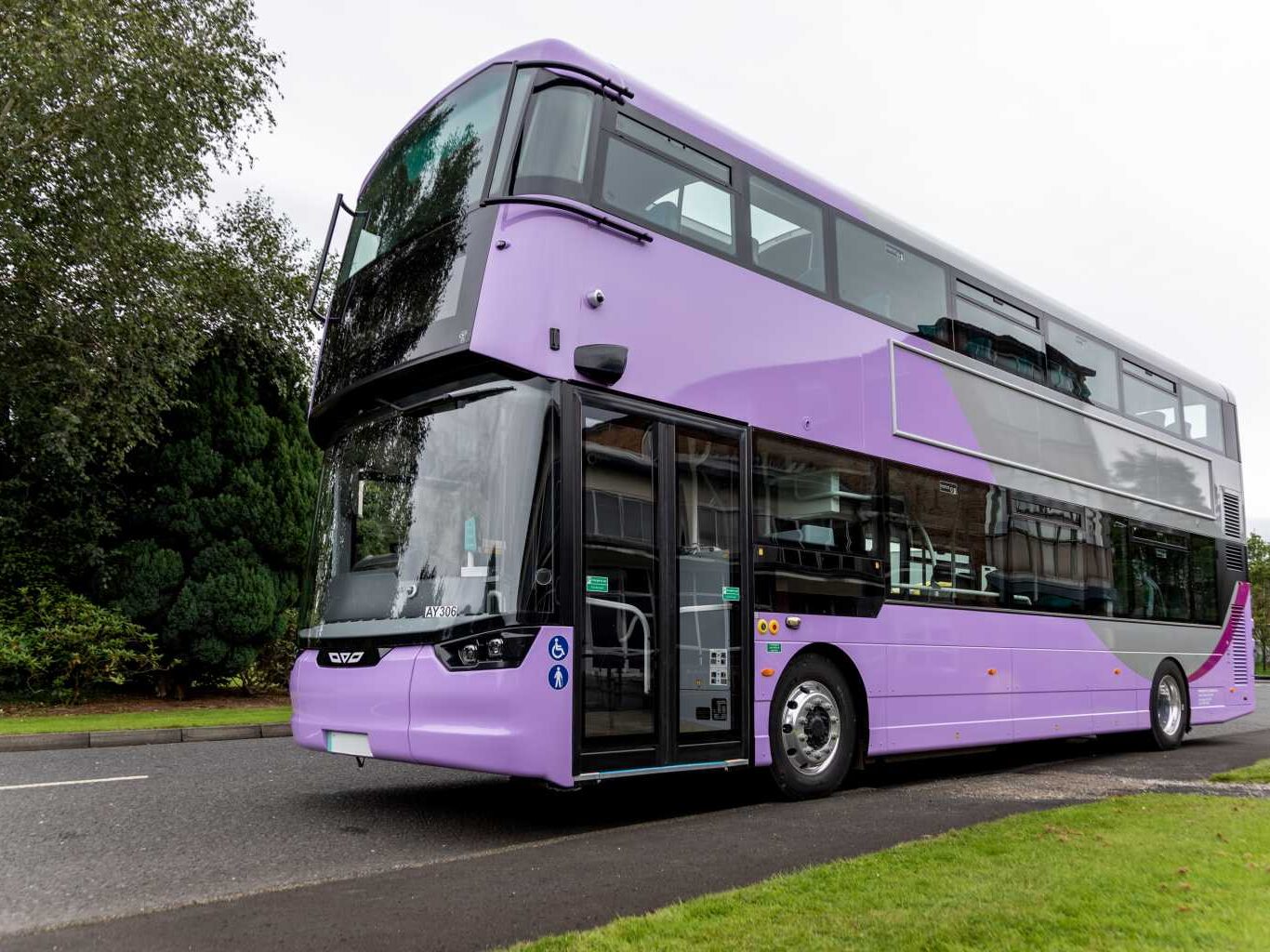
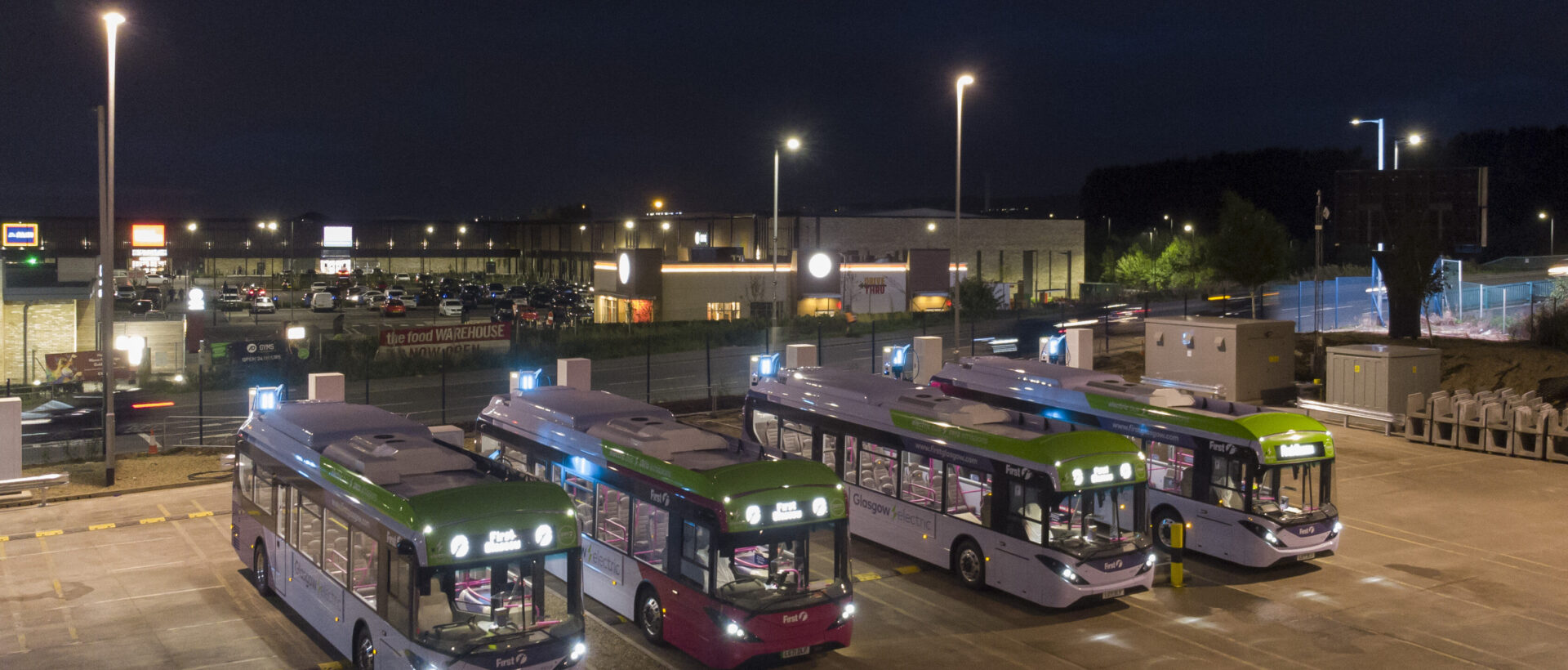
Among the featured case studies is Portsmouth’s electric bus programme. The initiative, delivered through a partnership involving First Bus, Portsmouth City Council and Hampshire County Council, has introduced 62 zero tailpipe emission buses to the city’s transport network.
According to the report, the buses have completed nearly four million journeys, contributing to lower transport emissions and efforts to improve air quality in Portsmouth.
The report also points to the importance of cooperation between local authorities, transport operators, healthcare organisations and communities in addressing air pollution through such schemes.
Cllr Kimberly Barrett, Cabinet Member for Climate Change and Greening the City at Portsmouth City Council, said:Portsmouth’s inclusion in the Clean Air South report highlights the real impact of the city’s shift to cleaner transport. First’s electric bus fleet is already cutting emissions on some of our busiest routes, improving air quality for the communities that feel pollution most. Electrification is one of several steps we’re taking to support healthier, low‑emission travel across Portsmouth.
First Bus continues to invest in zero-emission vehicles and depot electrification as part of its wider environmental strategy. The company currently operates around 1,500 zero-emission buses across the UK, with more than a quarter of its fleet now zero-emission. It has stated its intention to operate a fully zero-emission fleet by 2035.
Isabel McAllister, Chief Sustainability and Compliance Officer at First Bus, said:We welcome the publication of this report and the focus it places on improving air quality across the South. Public transport plays a vital role in reducing emissions and congestion, particularly in urban areas such as Portsmouth and Southampton where transport contributes significantly to poor air quality.
Working in partnership with local authorities, including Portsmouth City Council through initiatives such as the city’s electric bus programme, we are helping support wider decarbonisation ambitions and improve local air quality.
The report rightly highlights the importance of collaboration between industry, local government and other stakeholders. Addressing air quality challenges requires long-term partnership working, investment and practical solutions that make sustainable travel more accessible and attractive for customers.