The French city of Brest has inaugurated a second tramway line and a new Bus Rapid Transit (BRT) service, with both networks designed by SYSTRA.
Tram Line B and BRT Line D were delivered under the project titled My Network Is Expanding, overseen by Brest métropole aménagement. Project management was carried out by the Mobi-Brest consortium, led by SYSTRA France with partners SCE, B3i, LA/BA, Super8 and Ferrand-Sigal.
The scheme introduces around 10 kilometres of new routes intended to improve mobility for the Brest metropolitan population of about 215,000.
Tram Line B links the SNCF railway station with Cavale Blanche University Hospital. The route passes through the Bellevue district and serves two campuses of the University of Western Brittany, while also providing an interchange with the existing Line A in the city centre.
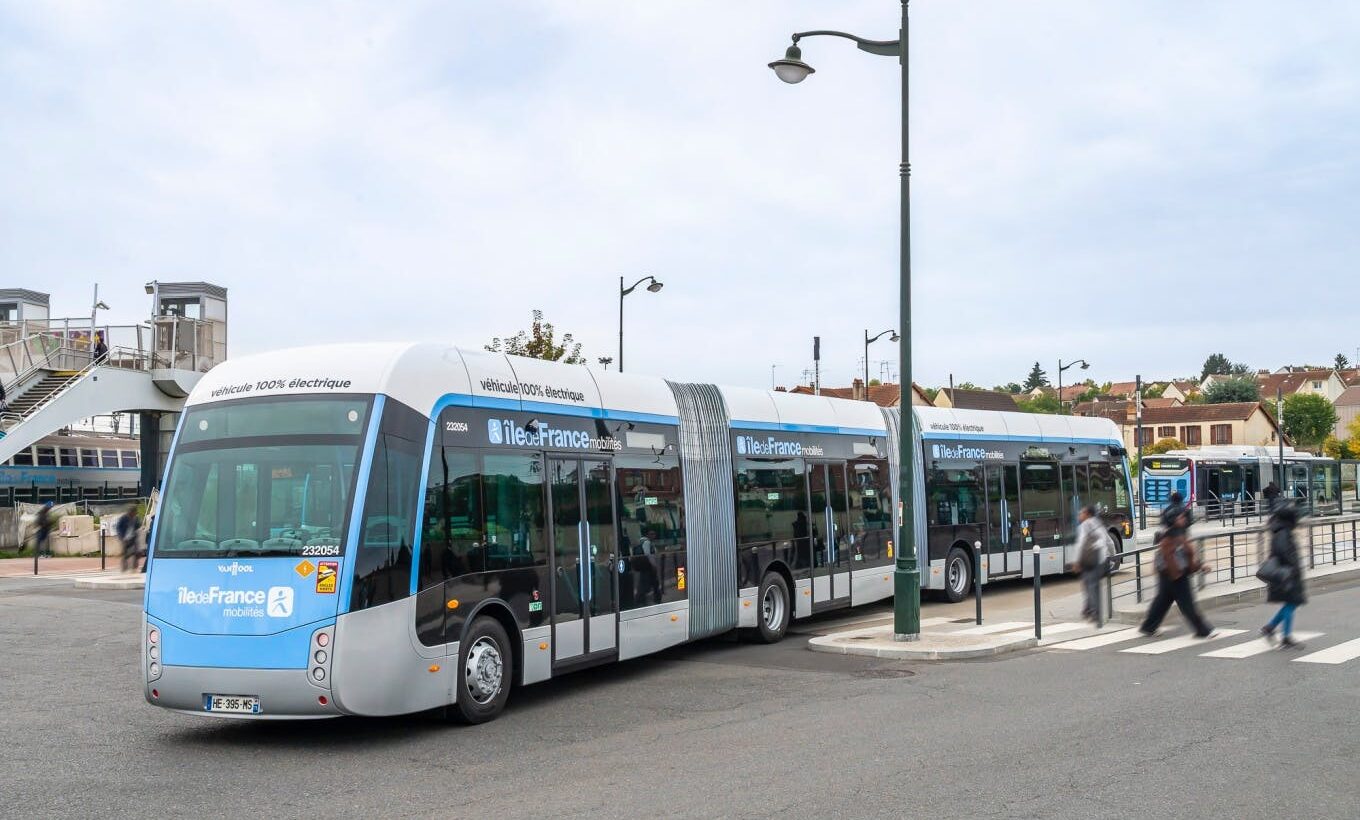
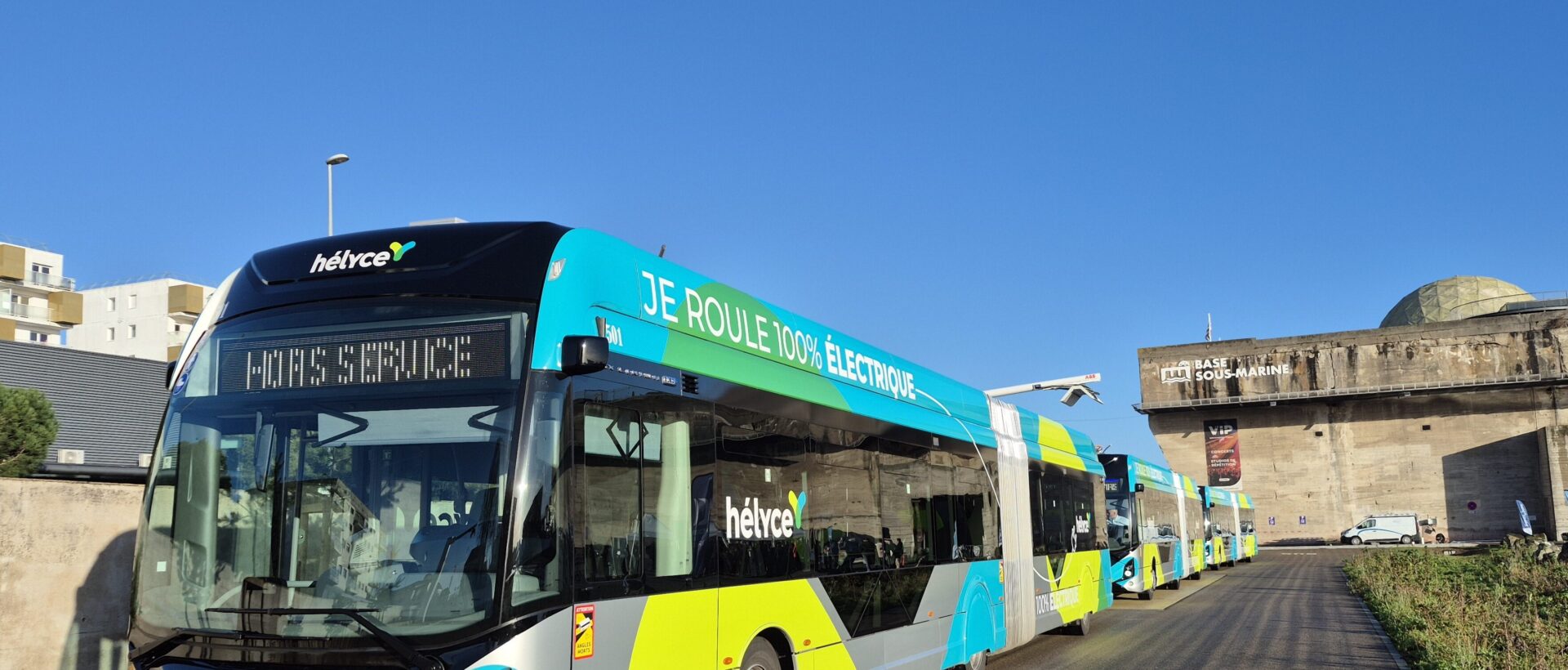
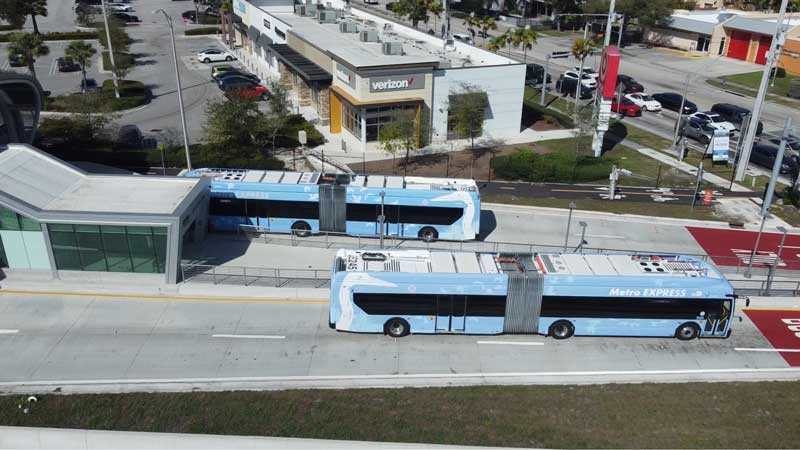
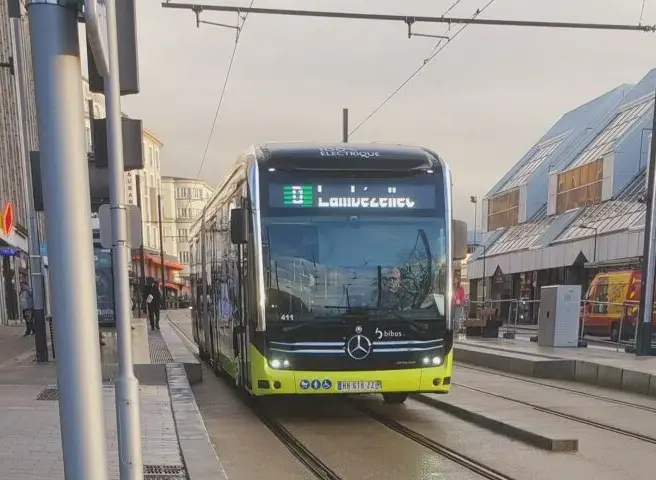
BRT Line D also departs from the railway station and travels to Lambézellec, an area undergoing urban regeneration. Much of the route runs on dedicated bus lanes to support regular services, and operations are carried out using electric buses.
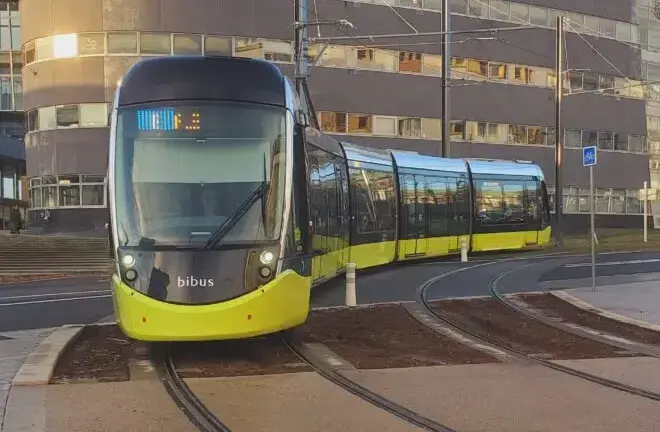
Transport authorities expect the two lines to carry more than 3.5 million passengers annually. They complement Line A, opened in 2012, which records more than 12 million journeys each year. The project also includes 12 kilometres of new cycle paths and a series of multimodal hubs intended to encourage shifts away from car travel and reduce transport-related emissions.
Matthieu Pouchard, Project manager at SYSTRA France’s Urban team said:The Brest network is a prime example of a metropolitan area transforming its mobility and committing to a shift in how people use transport. I thank all the SYSTRA teams who have contributed to this project over the past five years and made it a success.
A significant element of the programme involved the construction and modification of four bridges. Civil engineering teams from SYSTRA France contributed to the design and delivery of the Francis-le-Blé and Touillic-ar-Ran bridges, dedicated to trams, pedestrians and cyclists. Works also included the widening of the Clemenceau and Villeneuve bridges to accommodate tram infrastructure alongside existing road lanes.