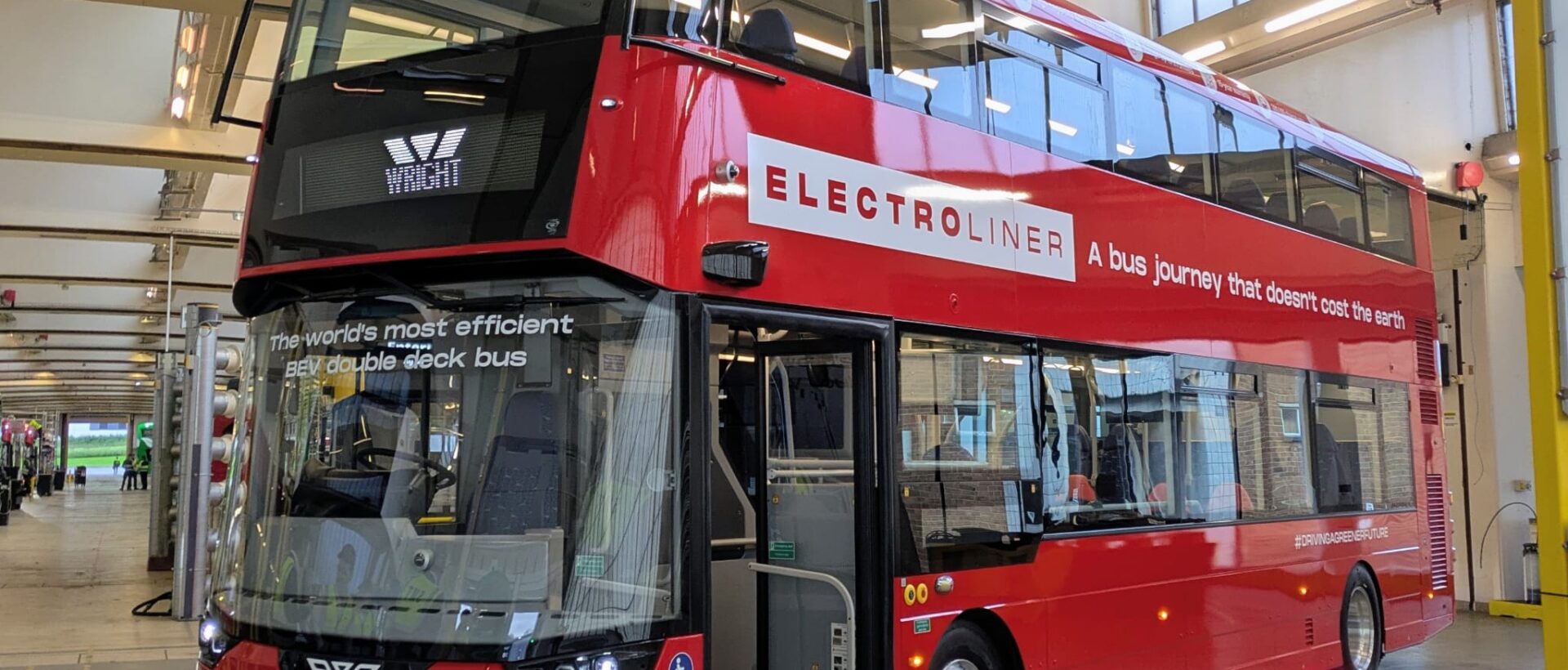
Last week, British bus manufacturer Wrightbus launched the second generation of its Electroliner, breaking the record for the world’s most efficient electric bus.
Take a closer look at the upgraded model in pictures, before the first orders begin to hit the streets across the UK.
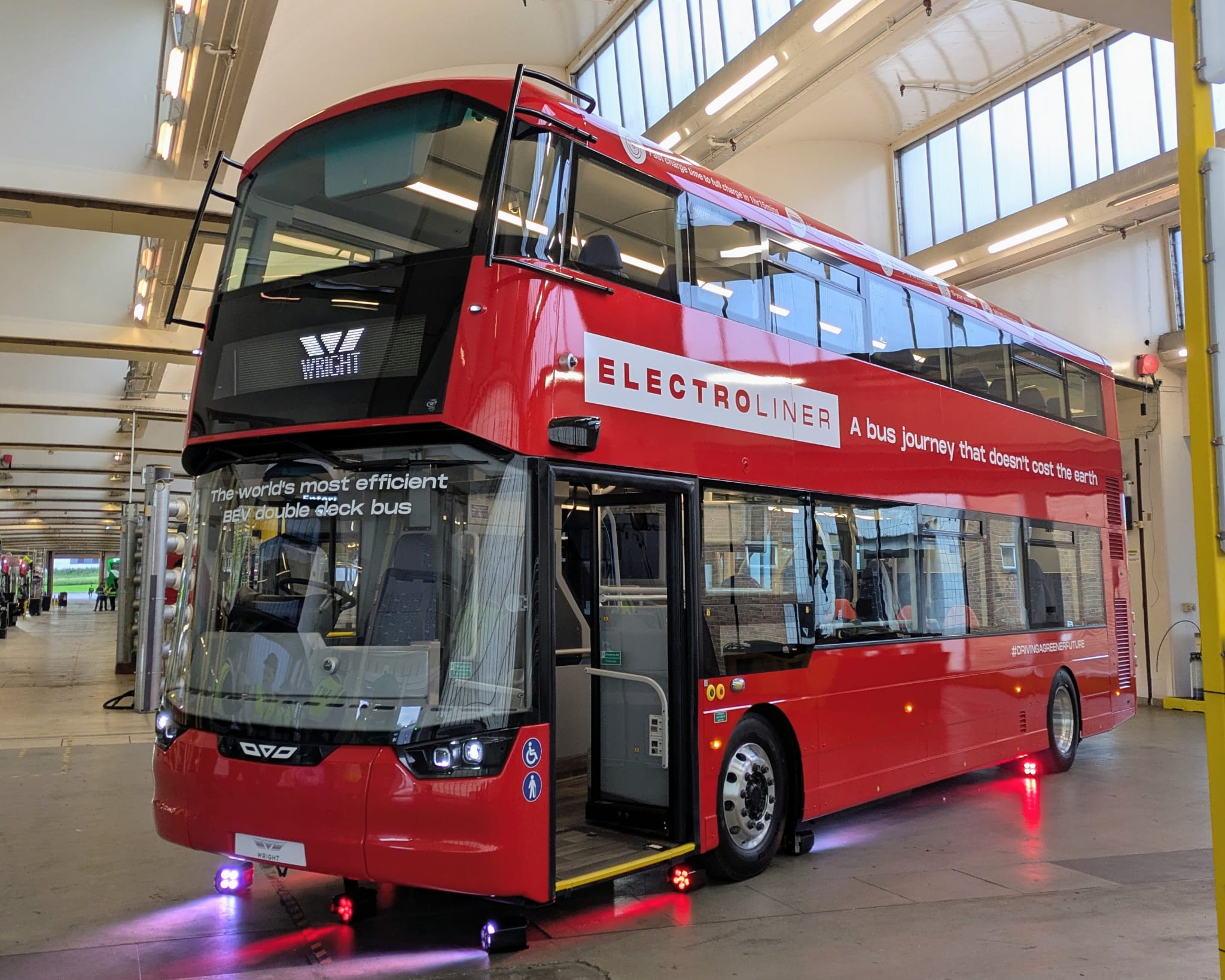
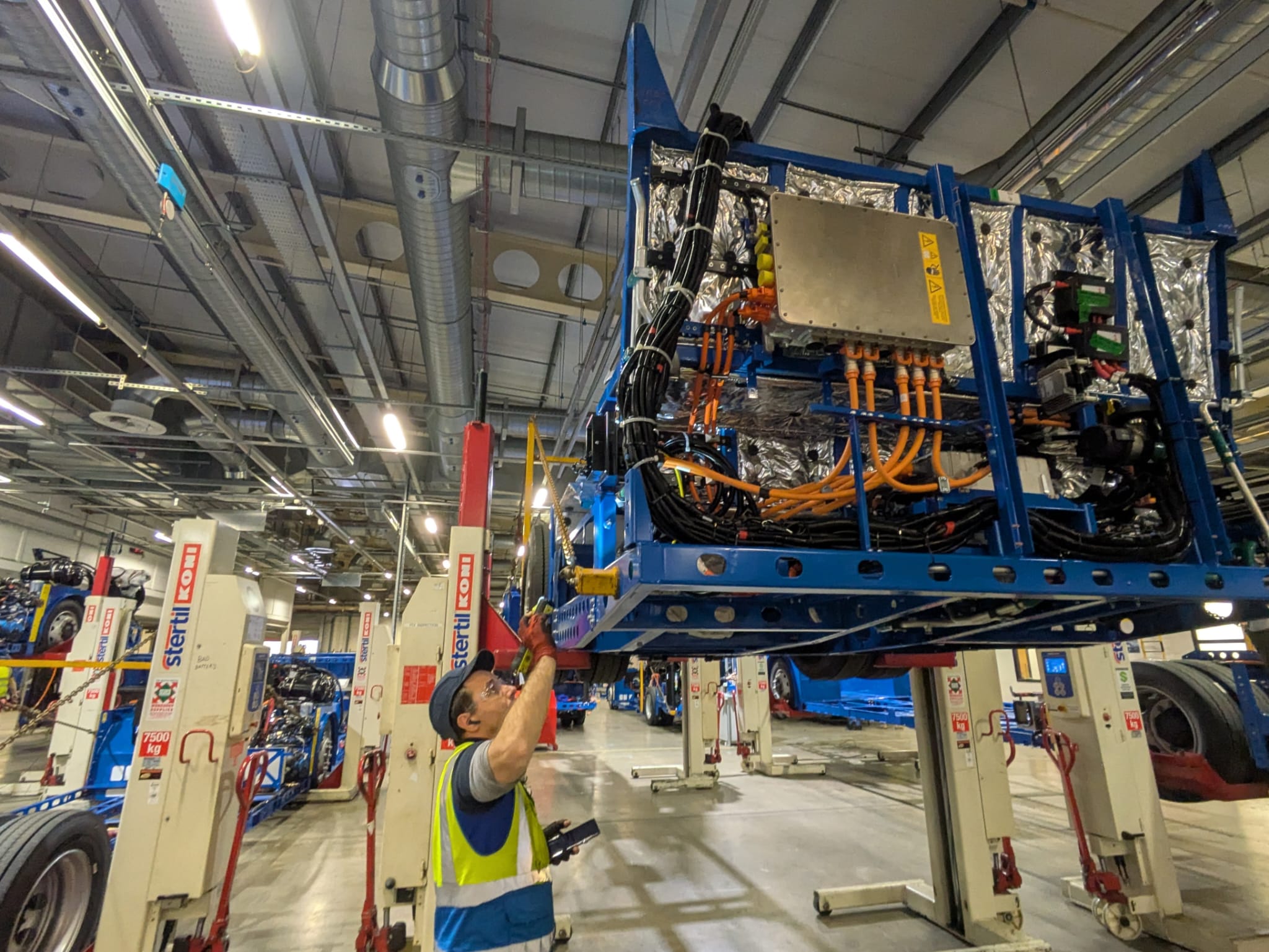
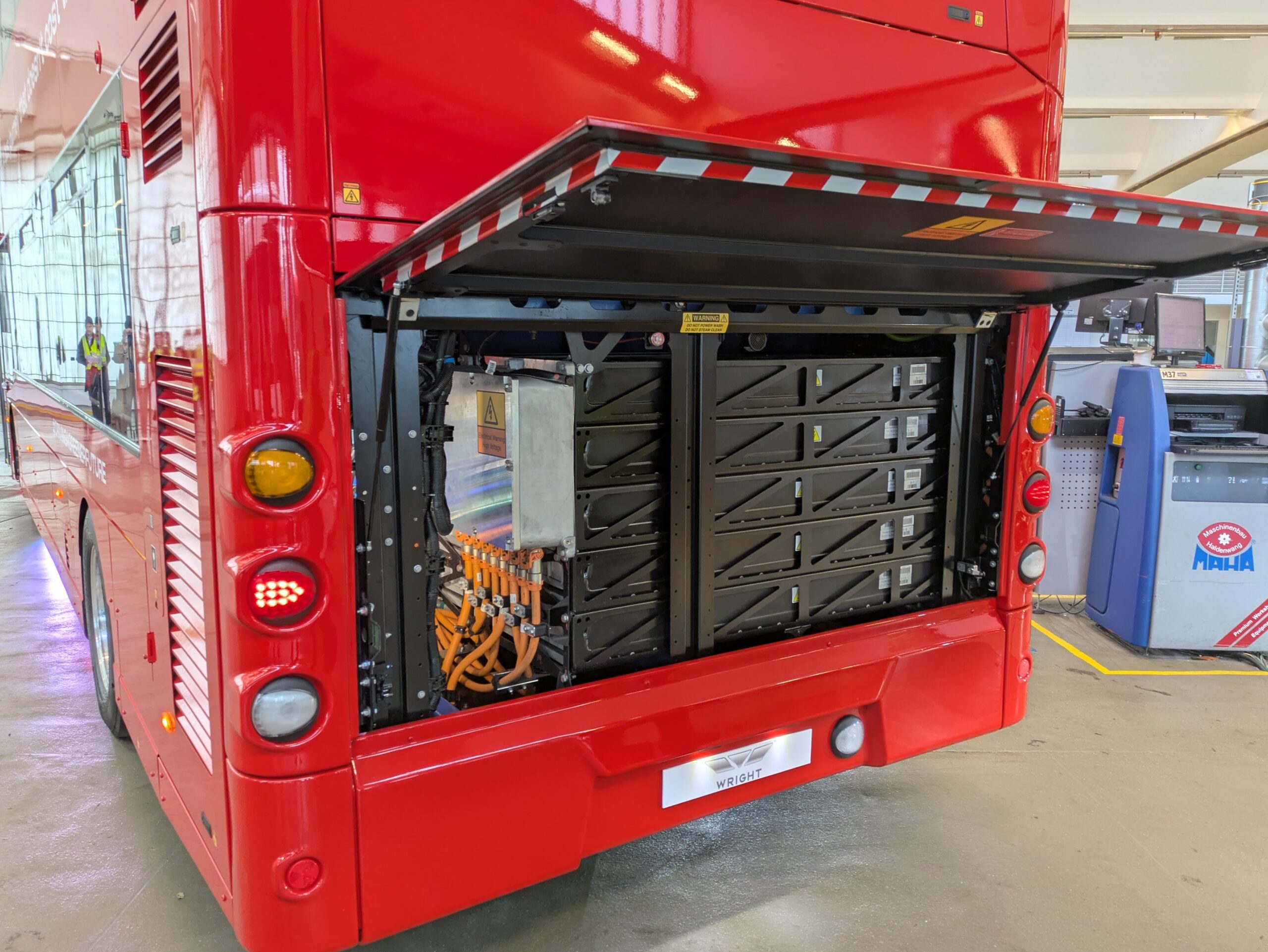
The new Wrightbus Generation 2 Electroliner sets a new benchmark in electric bus technology with its next-generation battery system, developed through a multi-million-pound in-house programme. Operators can choose between two ultra-efficient CATL batteries for the single deck – a 528 kWh or a 442 kWh – while the double deck comes with the 442 kWh pack, designed to maximise power while minimising weight and space.
The batteries deliver remarkable improvements in range, reaching up to 375 miles for the single deck and 275 miles for the double deck, with rapid charging times cut to just 75 minutes. Enhanced thermal stability ensures safety against fire or explosion in the unlikely event of thermal runaway, while battery life is supported by warranties of up to 15 years.
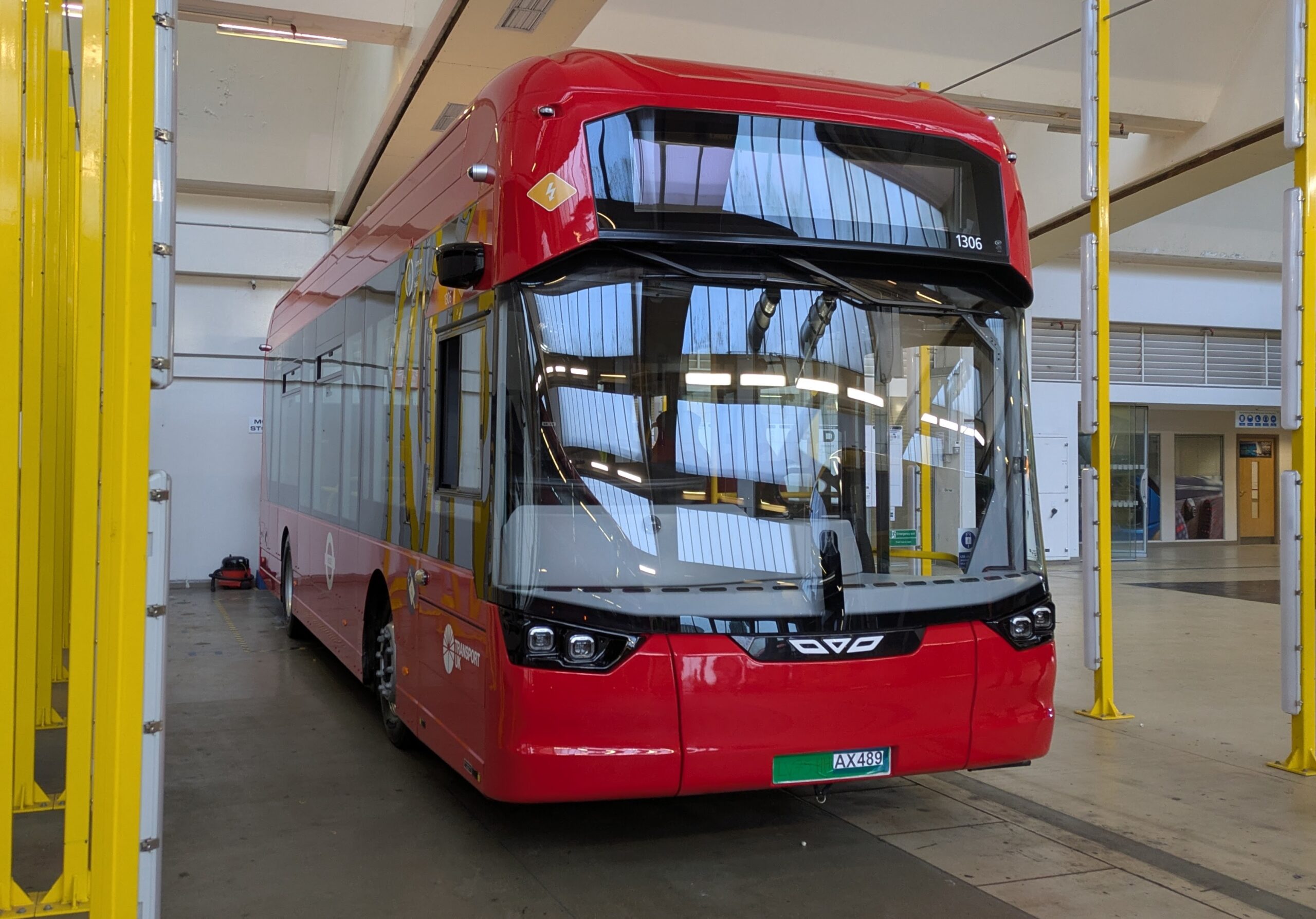
On the single-deck model, the batteries are configured on the roof of the vehicle, whereas they are spread across the base and rear of the double-deck version. These configurations prevent the need to encrouch on passenger space.
Additional upgrades include the new Voith VEDS1.5 driveline, offering greater drivetrain efficiency and reduced well-to-wheel greenhouse gas emissions. A revised HVAC system also integrates battery thermal management and reversible heat pumps for the stringent Transport for London v2.5 and v2.6 standards.
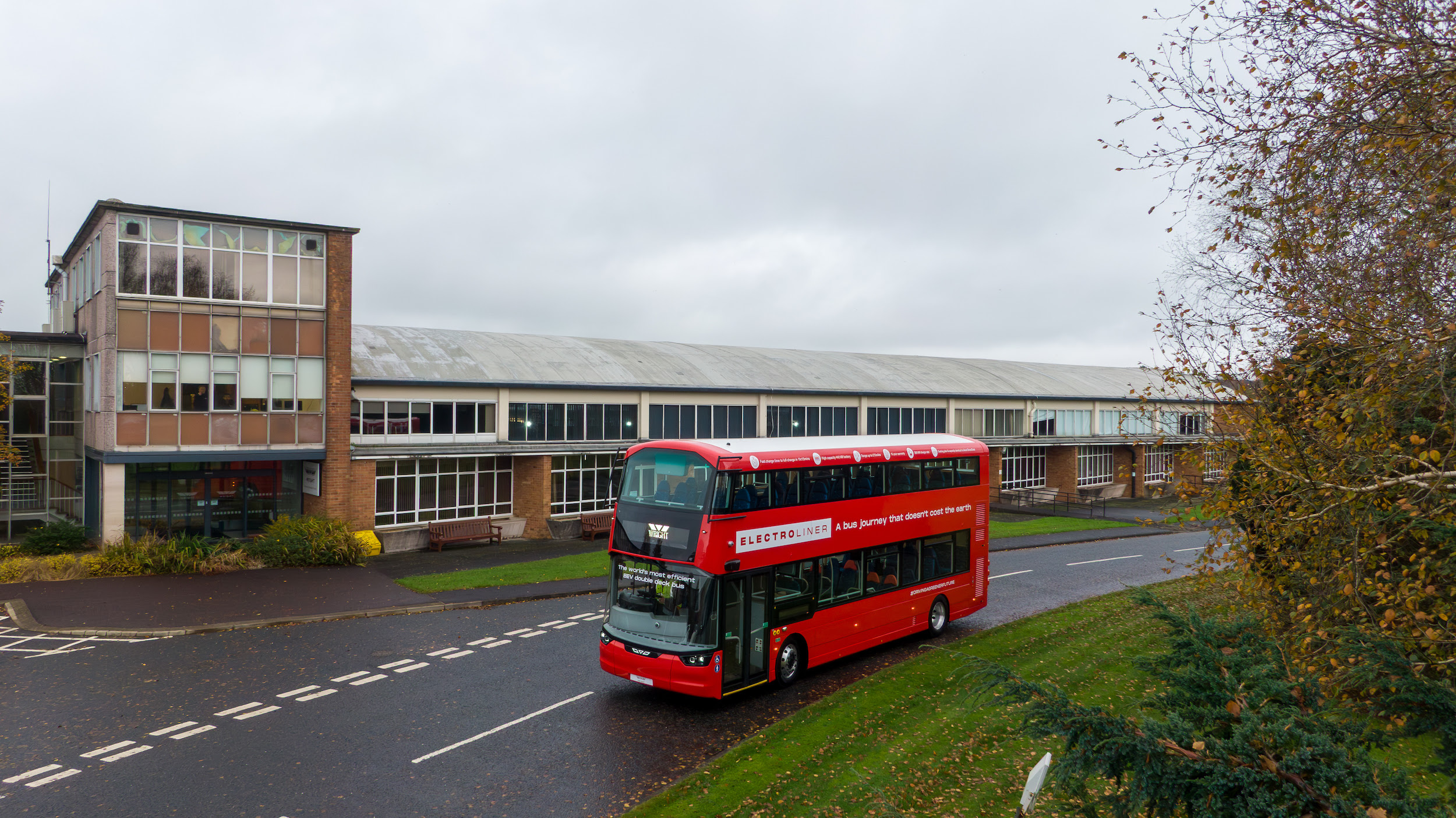
Safety improvements have also been made to the exterior of the vehicle, including considerations to help prevent injury in the case of pedestrian collisions. This includes smooth, rounded surfaces, while components such as headlights, grilles, and bumpers are designed to deform or absorb energy on impact, dissipating force away from the pedestrian.
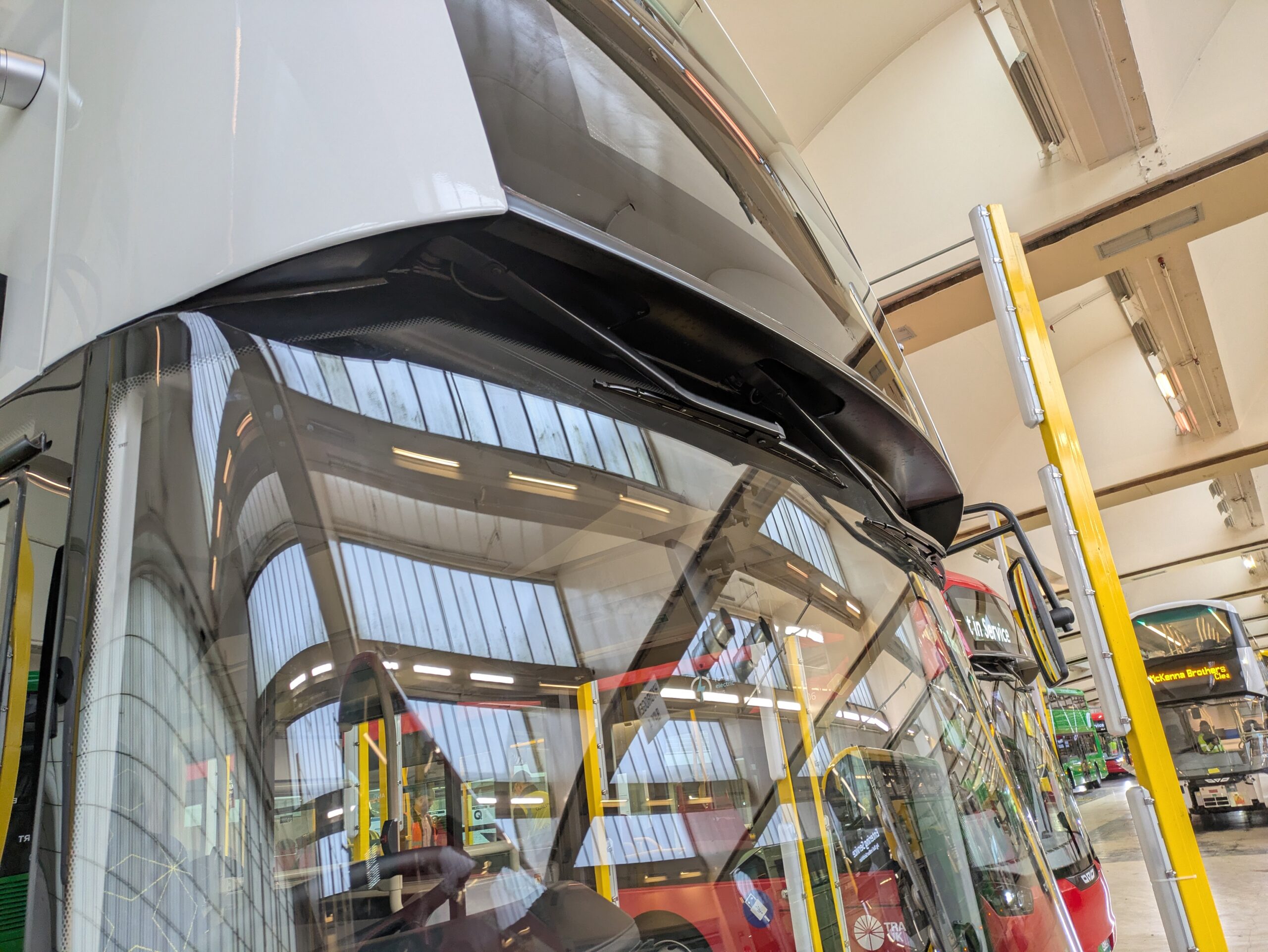
Even the windscreen wipers contribute to safety: they are mounted at the top of the windscreen and cleverly hidden under the ridge, reducing protrusions that could cause injury.
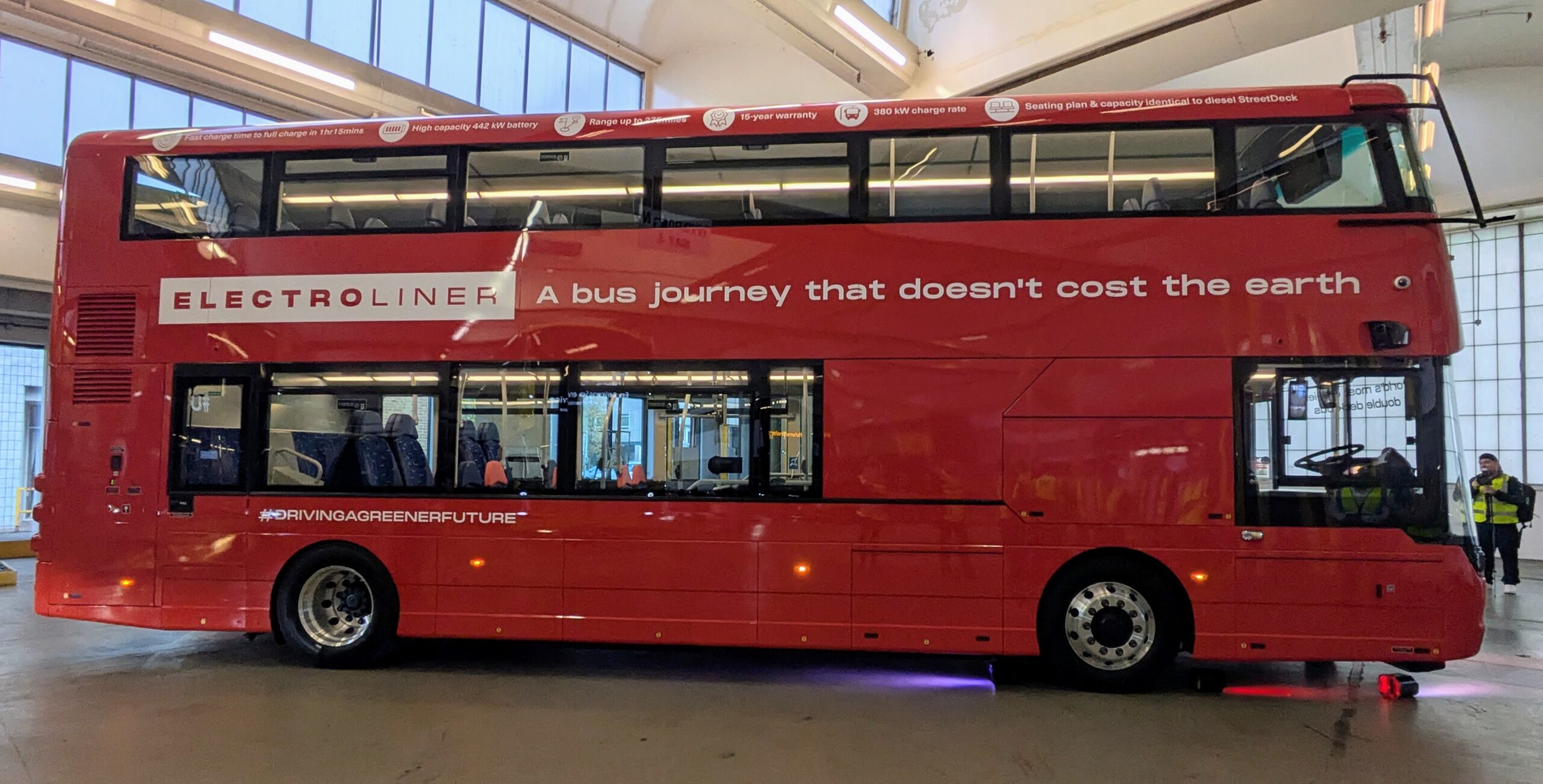
The interior layout remains primarily unchanged, with no compromises for passengers resulting from the technical upgrades. The bus maintains passenger comfort and capacity, with weight management ensuring maximum usable space. The floor also remains fully flat, which improves boarding and circulation.
More than 900 Generation 2 vehicles have already been sold, and the company expects almost 1,100 to be in service across the UK and Ireland by the end of 2026. Production of the new buses is therefore in full swing at Wrightbus’ Ballymena factory.