The Port Authority of New York and New Jersey (PANYNJ) has set out a proposed 45 billion USD capital plan for 2026–2035, outlining a decade of investment across its transport portfolio.
The proposal was presented at the agency’s Board of Commissioners meeting on 13 November.
The plan covers major schemes already in progress — including the replacement Midtown Bus Terminal and ongoing airport redevelopment — alongside a new programme of works intended to support future demand, climate resilience and operational reliability across the authority’s network.
The agency stressed that it operates on a self-funding model, receiving no tax revenue from New York or New Jersey. Around two-thirds of income is generated through non-toll and non-fare sources such as leases, landing fees and commercial charges.
Bus and Surface Transport
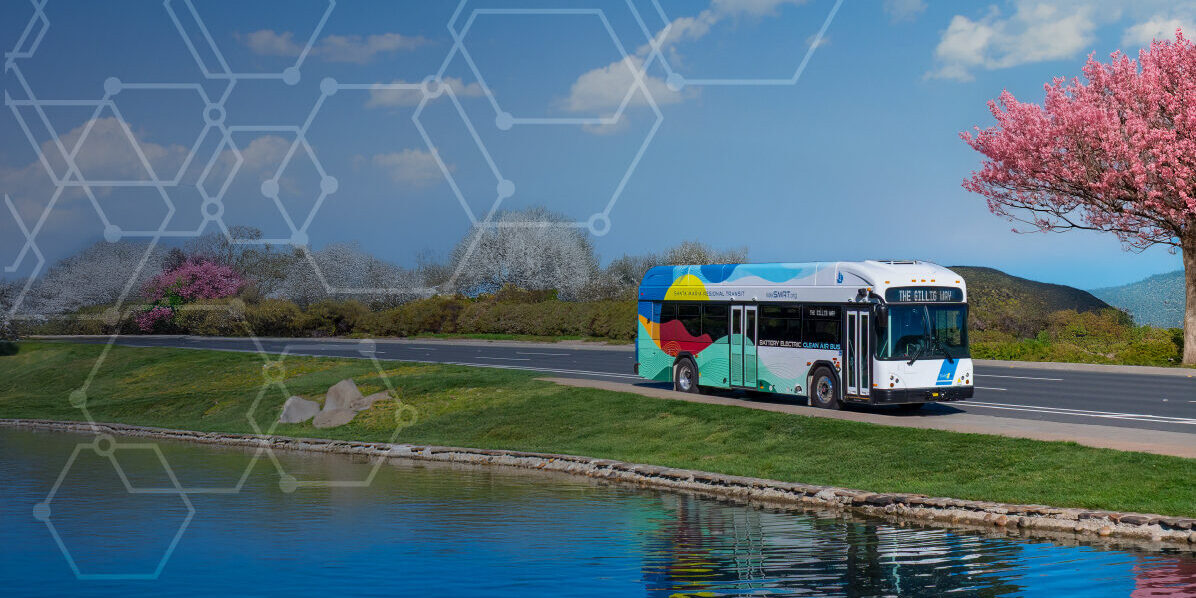
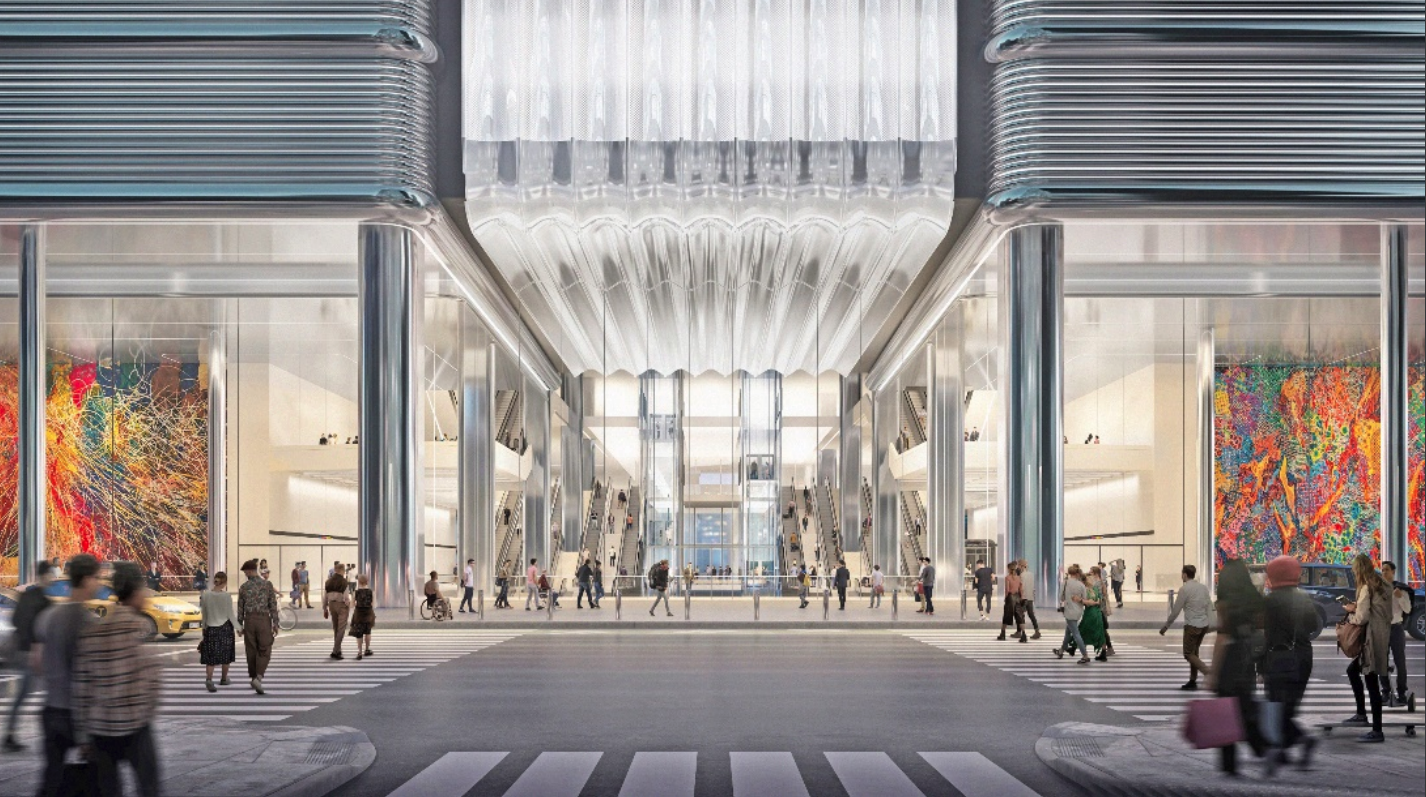
A significant proportion of investment focuses on the new Midtown Bus Terminal, replacing the 75-year-old facility. The authority plans an 11 billion USD programme to deliver a redesigned terminal, new ramps, improved access to the Lincoln Tunnel and facilities to support the transition to electric buses. A 3.5-acre public space and street-level commercial units form part of the wider scheme.
Construction is planned in two phases:
- Phase One, including new ramps and the vehicle staging facility, is due to be completed in 2030
- Phase Two, covering the main terminal and surrounding public realm, is expected to be completed in 2035
To support long-term operating and maintenance costs, the authority has proposed updating carrier fees for bus operators using the terminal and adjusting toll categories for minibuses and two- and three-axle buses from 2026 onwards.
The Lincoln Tunnel Helix and Outerbridge Crossing are also scheduled for multi-year rehabilitation programmes to maintain structural integrity until long-term replacement projects move forward during the following capital plan period.
Other investment areas include upgrades to the PATH rail network, airport redevelopment, seaport enhancements, and advancements in sustainability and technology.