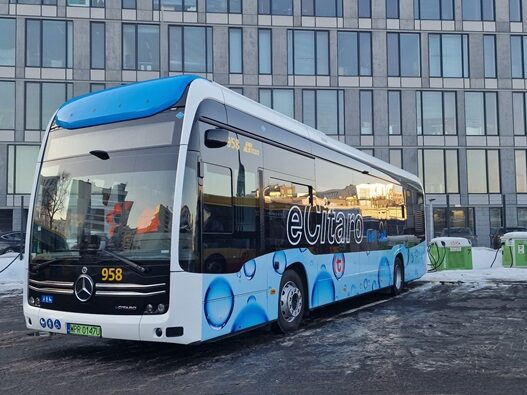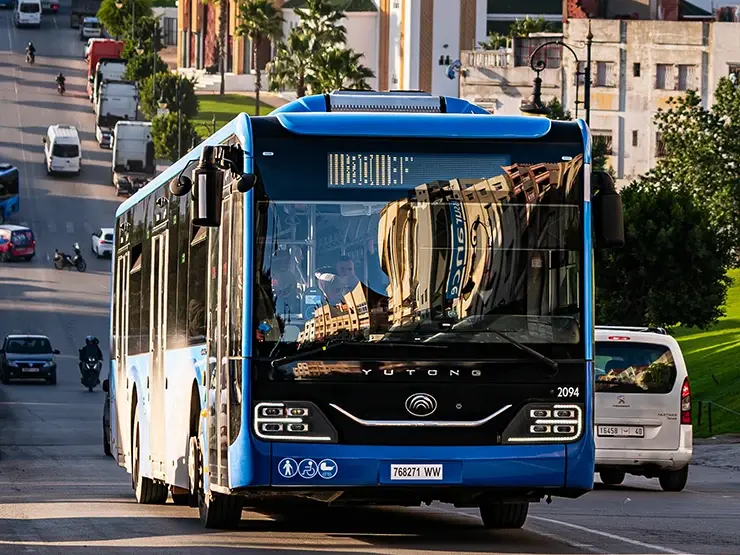
STCP has announced the introduction of a fleet of 20 new 100% electric Caetano buses, all of which will be located at the Via Norte depot, Porto.
The vehicles’ entry into service was marked with a ceremony at the depot itself, which was attended by Porto City Councillor Hugo Beirão Rodrigues, who had the opportunity to travel on the first of the 20 new electric buses.
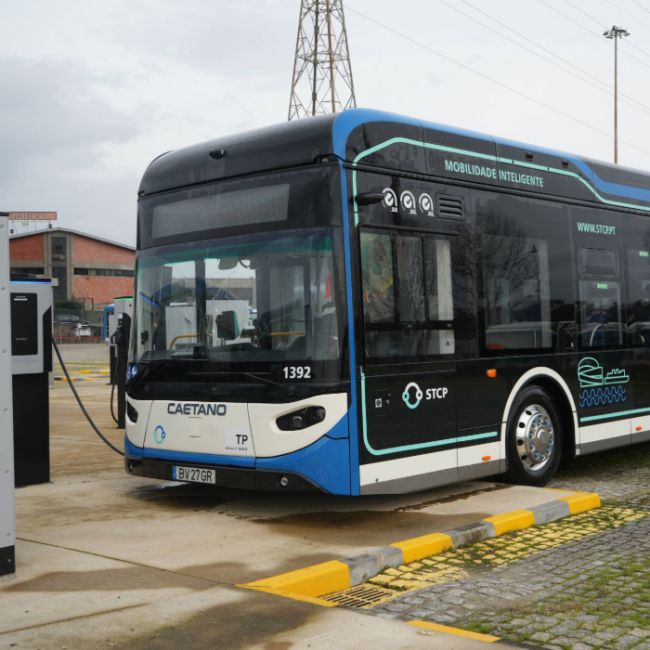
Made possible via an investment totalling 8.6 million EUR; the fleet is the first to be fully supported by STCP’s six shareholder municipalities – Porto, Vila Nova de Gaia, Maia, Matosinhos, Valongo, and Gondomar – since the company’s inter-municipalisation process in 2021.
The introduction of the new vehicles brings STCP’s emission-free fleet to a total of 88, representing around 20% of its operational fleet, with the remainder composed of vehicles either powered by natural gas (70%) or diesel (10%).
STCP has confirmed that 38 more electric buses (30 standard and eight midi) will be delivered by the end of 2026, allowing the company to reach a total of 126 buses – around 30% of its total fleet.
The 20 new vehicles are set to replace twenty buses that have reached the end of their natural life, all of which will be scrapped, contributing to the overall renewal and modernisation of the fleet.
Incorporating new technology, the vehicles aim to offer greater energy efficiency, a range of more than 400 kilometres, a reduction in noise levels and both comfort & safety improvements for passengers and drivers.
President of the Board of Directors of STCP, Cristina Pimentel said:The acquisition of these 20 new 100% electric buses represents another firm step in STCP's transformation journey. We are consolidating a more modern, efficient and environmentally responsible fleet, while reinforcing the quality of service provided to our passengers.
This investment reflects the commitment made to our shareholders and the region: to accelerate the decarbonisation of operations, reduce environmental impact and prepare the company for the challenges of urban mobility in the future.
The fleet renewal as a whole represents a pillar of STCP’s decarbonisation strategy, which aims for the progressive elimination of diesel vehicles by 2028.