Santa Maria Regional Transit (SMRT) has fully transitioned its bus fleet to battery-electric vehicles and has been named the Community Transportation Association of America’s (CTAA) Large Transportation System of the Year.
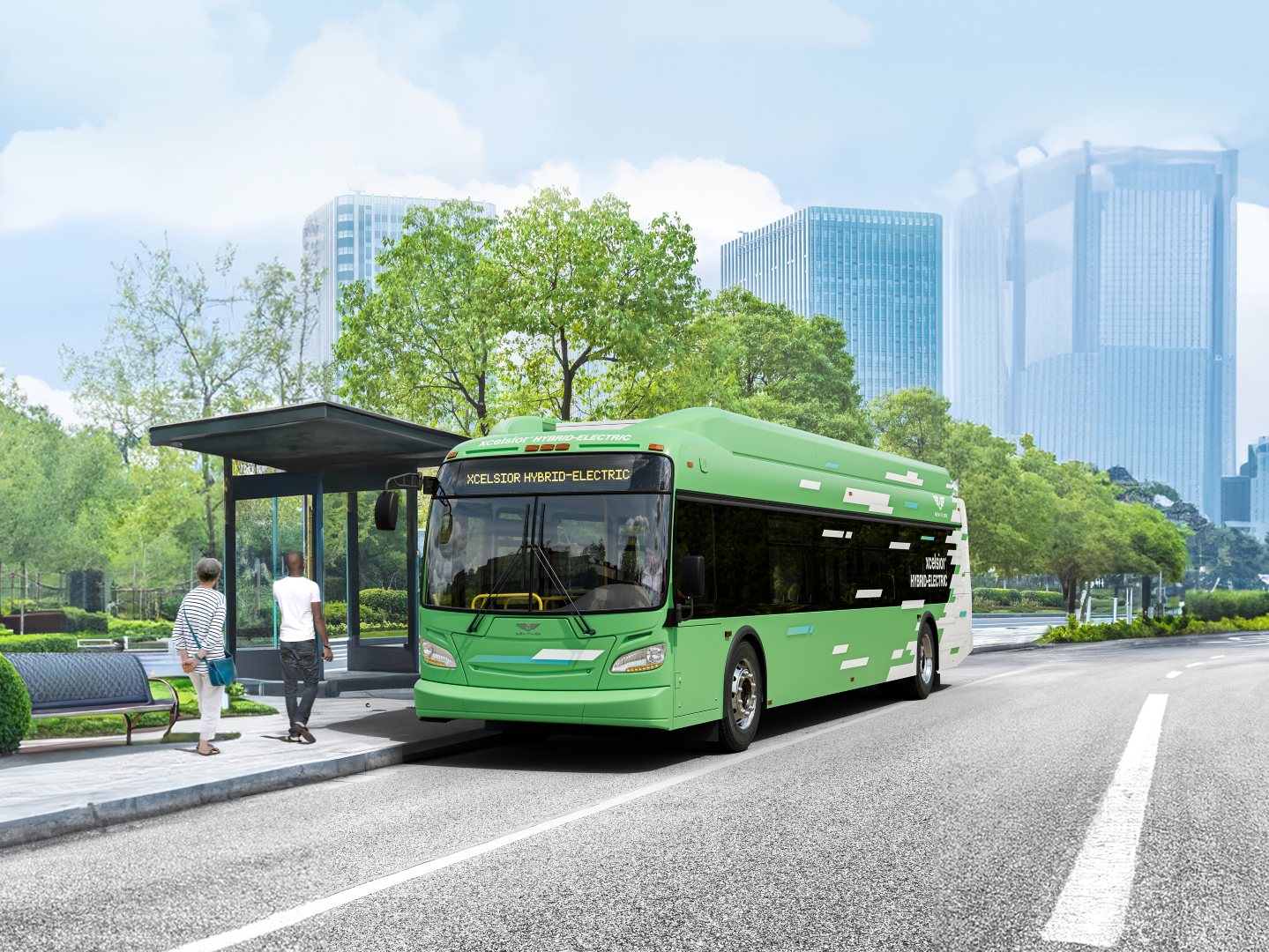
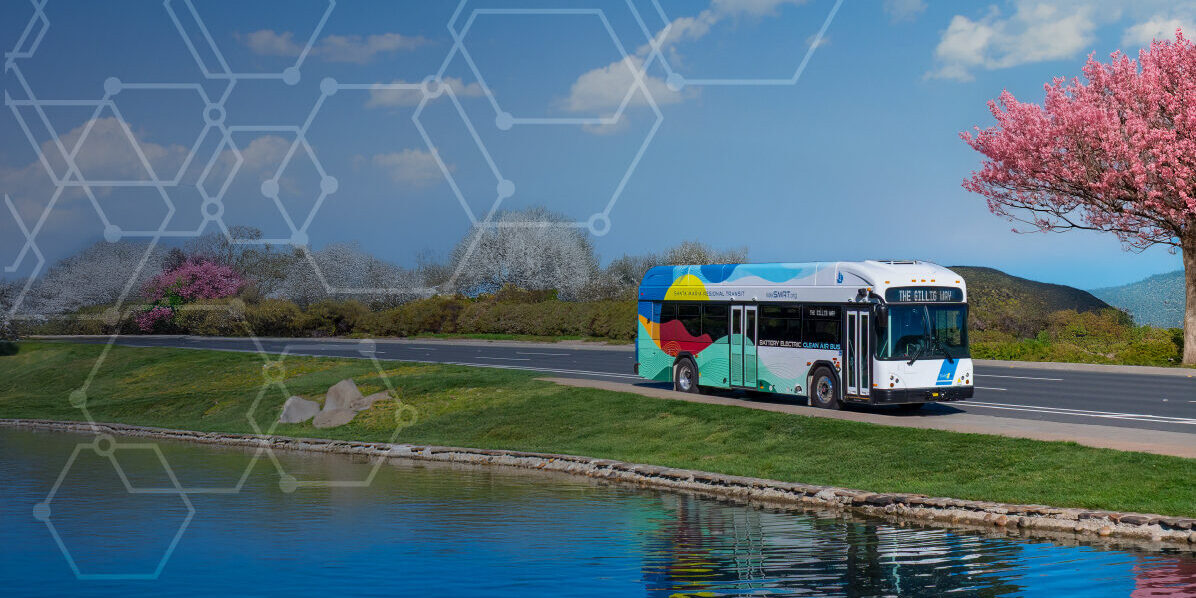
The agency recently took delivery of six new GILLIG battery-electric buses, bringing its total to 40 zero-emission vehicles. This marks the conclusion of a four-year programme to replace all diesel-powered vehicles with electric alternatives.
SMRT is among the first smaller-city transit systems in the United States to achieve full electrification, following a plan focused on sustainability, operational efficiency, and long-term cost management.
Meanwhile, the CTAA award recognises SMRT’s role in advancing community-based, sustainable transport. The agency’s emphasis on safety, technology, and financial responsibility has guided its approach to modernising services while maintaining reliability.
Gamaliel Anguiano, Transit Services Manager for SMRT said:Our efforts reflect our commitment to financial prudence and long-term stability. By converting to an all-electric fleet, we are moving SMRT toward greater independence from global fuel markets and potential supply chain disruptions. We are also saving hundreds of thousands of dollars each year in operating costs. This investment in our community’s future is a practical step toward fulfilling our goals of being a Smart City and a Safe City.
SMRT reports that the shift to an electric fleet has produced several measurable benefits:
- Lower operating costs: Electric buses require less maintenance and eliminate the need for diesel fuel, resulting in an estimated saving of around 400,000 USD per year
- Improved reliability: With up to 75 percent fewer moving parts than diesel vehicles, electric buses reduce dependency on parts supply and help ensure consistent service delivery
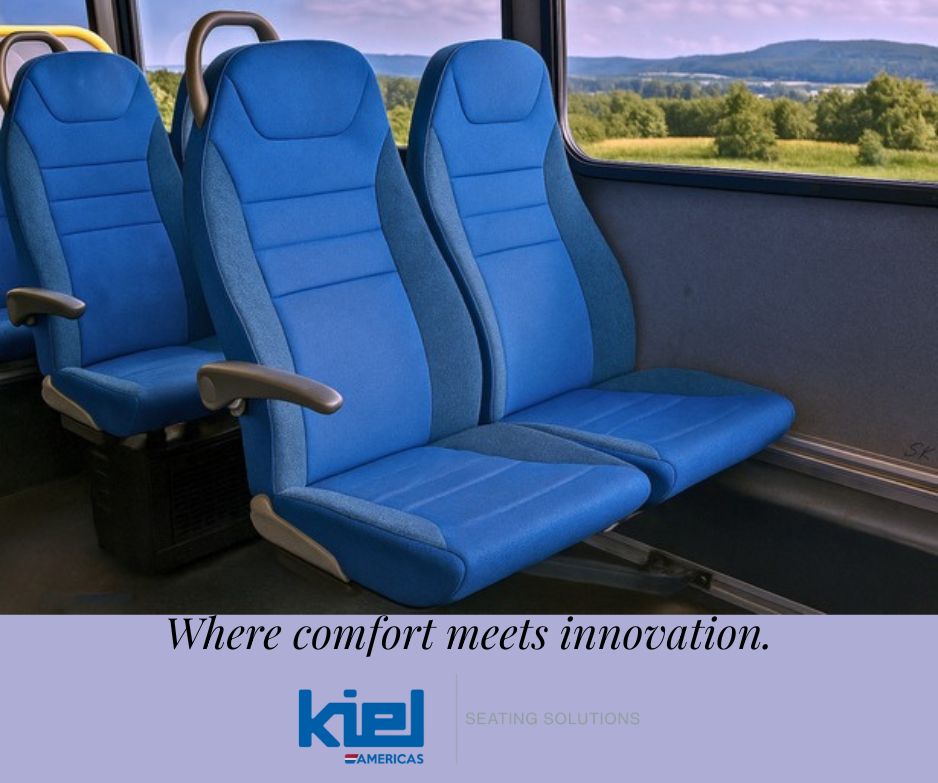
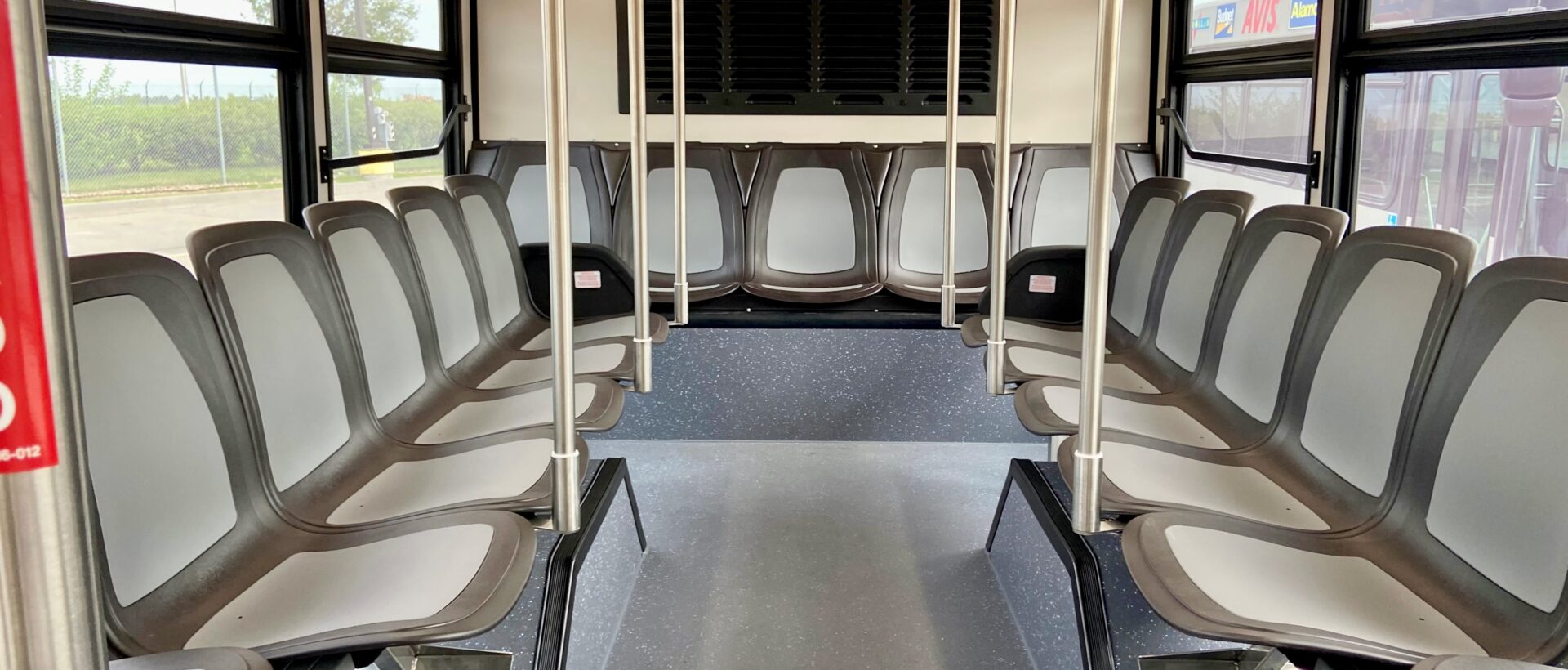
- Technological upgrades: The latest buses feature updated safety systems, artificial intelligence capabilities, and redesigned interiors for improved passenger comfort and efficiency
The transition includes SMRT’s fixed-route, paratransit, microtransit, and support vehicle operations. A small number of diesel buses remain in limited use until they reach the end of their federally defined service life, but the system is now equipped to operate fully on electric power.
The electrification project was supported through funding from the State of California and the Federal Transit Administration.