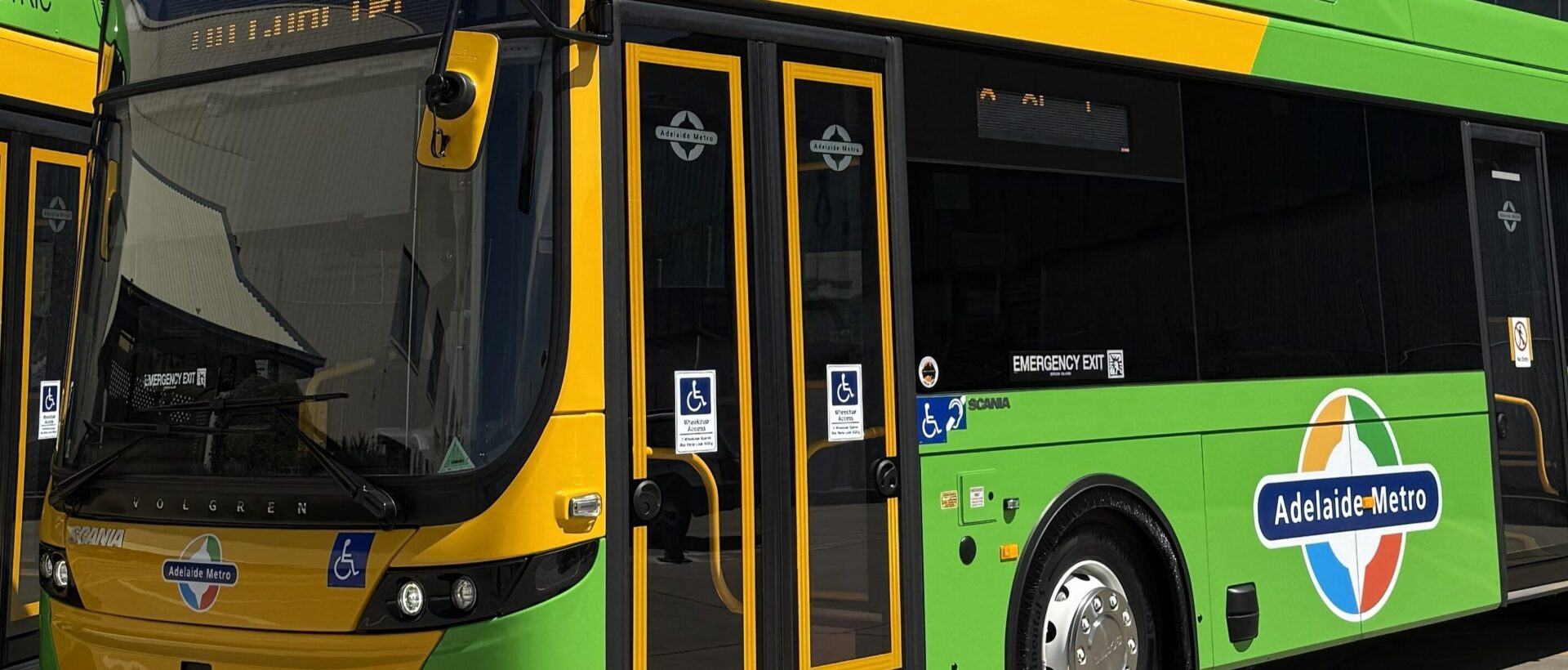
Scania has launched its new 11-litre Super powertrain for people transport applications, expanding its combustion engine portfolio for urban and inter-city bus operations.
The new Super 11 follows the introduction of the 13-litre Super powertrain six months earlier and is designed to serve both Urban and Travel segments.
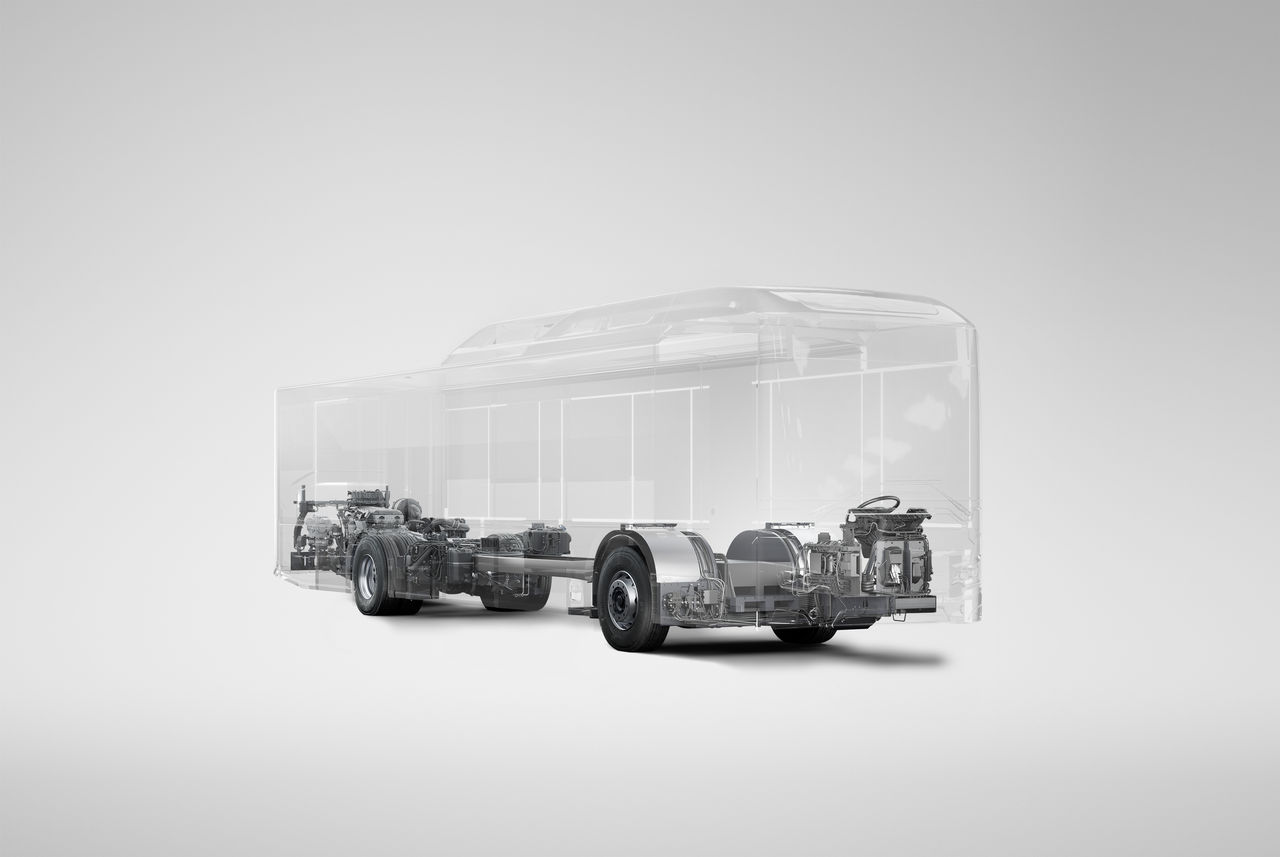
The Super 11 is positioned as a more fuel-efficient alternative to the company’s existing nine-litre engine. It is available in three output levels, 350, 390 and 430 horsepower, enabling it to cover a range of duties.
The powertrain can deliver fuel savings of up to 10 percent compared with earlier models. A contributing factor is the introduction of Variable Valve Braking (VVB), which combines compression release brake technology with cam phasing. This system provides braking power of up to 350 kW and, in some configurations, may remove the need for a retarder, reducing vehicle weight by approximately 80 kg.
Anders Liss, Global Head of Business Solutions for People Transport Solutions at Scania, said:The new Super 11 powertrain will help many Urban and Travel segment customers reduce their CO2 footprint, while also providing an economically competitive solution that meets their business needs now and in the years ahead.
As perhaps the most efficient combustion powertrain on the market, it will be a very strong solution for operations where there will be a continuing need for combustion technology.
The Super 11 is compatible with renewable fuels, including hydrotreated vegetable oil (HVO) and biodiesel (FAME), aligning with broader industry efforts to reduce lifecycle emissions. Scania reports that the engine has an expected lifespan of up to two million kilometres, representing a 25 percent increase compared with previous equivalents.
Serviceability has also been revised, with oil and fuel filters repositioned to the cold side of the engine. This change allows maintenance work to be carried out without waiting for the engine to cool, potentially reducing workshop downtime.
Additional updates include new rear axles, auxiliary braking systems and an aftertreatment system featuring twin SCR technology for Euro 6 compliance. These changes are intended to improve vehicle performance, handling and uptime.