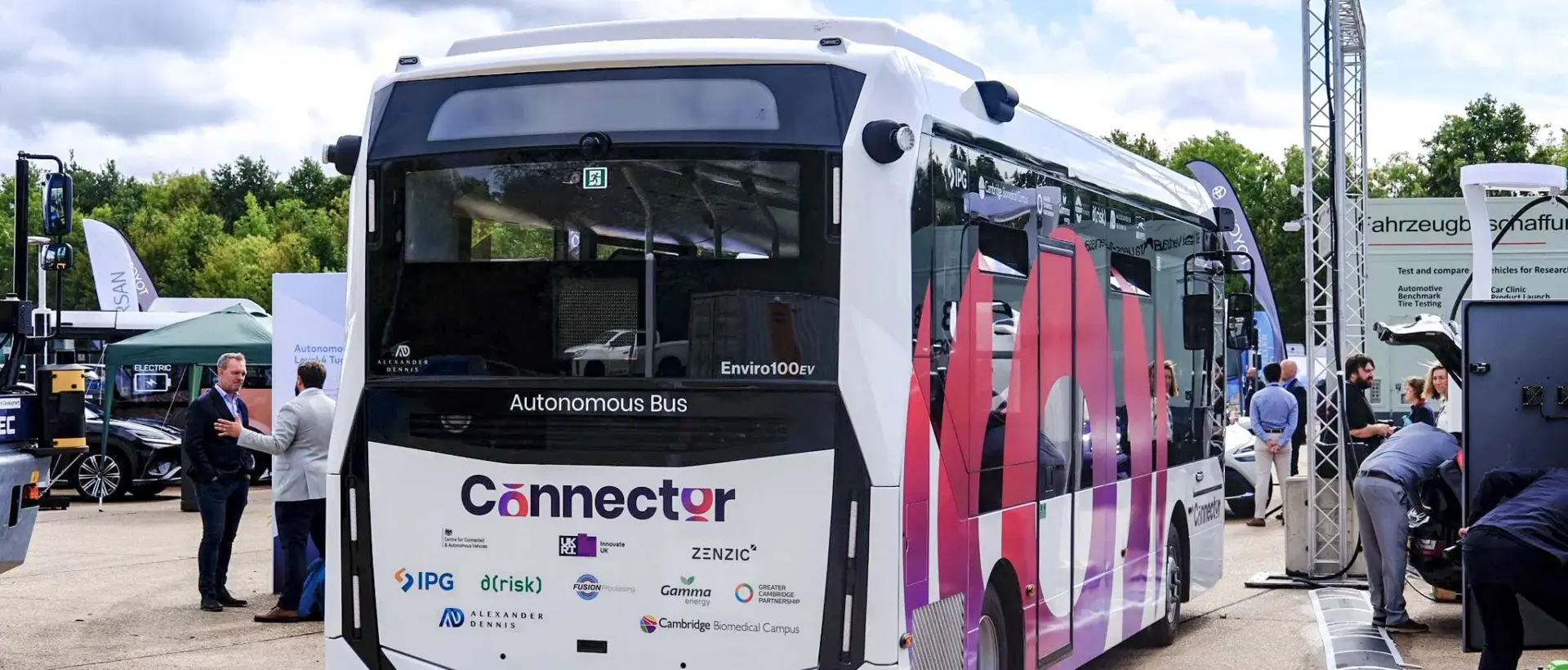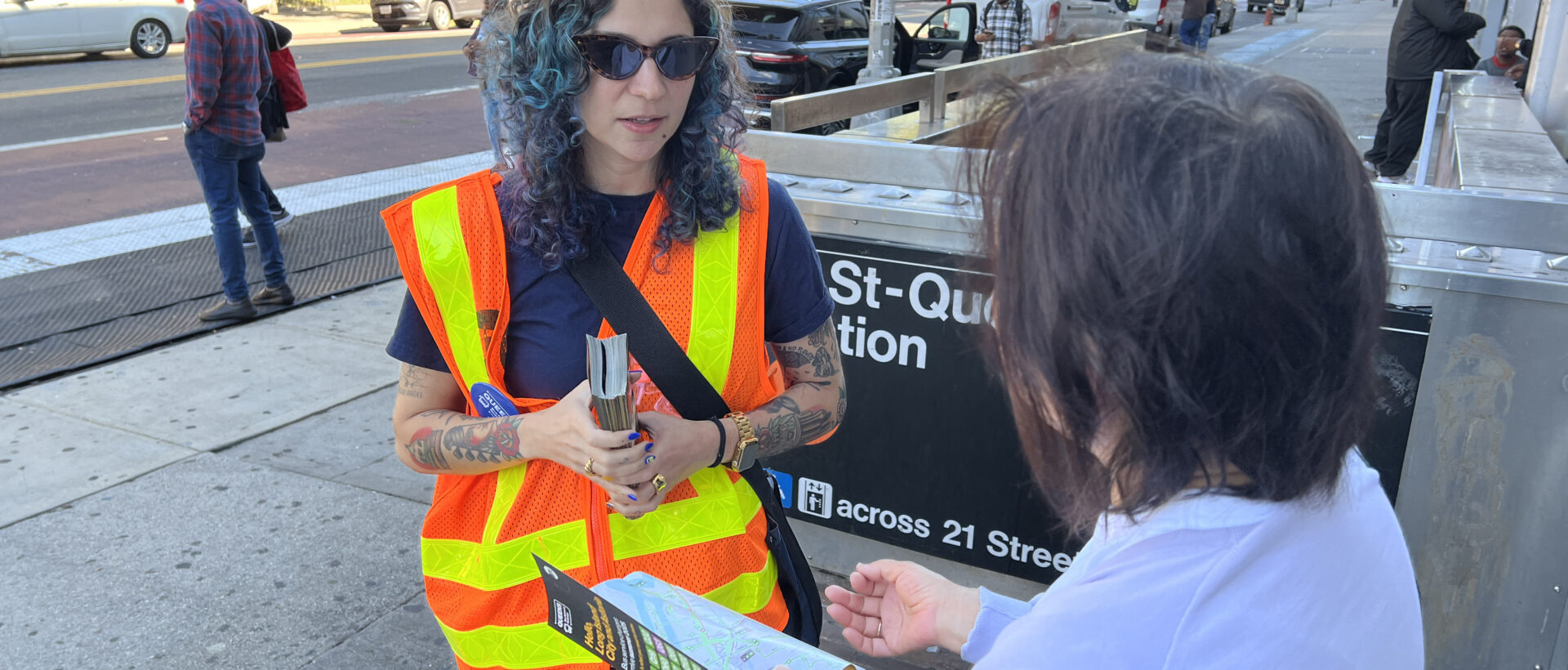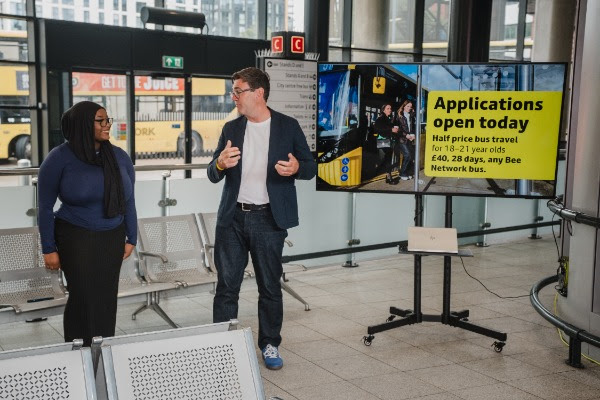
First introduced into Parliament on 17 December 2024, the Bus Services (No.2) Bill (also known as the ‘Better Buses Bill’), when put simply, in-part looks to expand on the potential of bus travel across the United Kingdom via an increase in the provision of bus services, as well as a replication of London’s bus service system in other regions up and down the country.
The bill, which has been referred to as an ‘enabling Bill’, will allow local authorities to take total control of their own bus services, giving constituencies the freedom to introduce, reduce or alter bus services according to any and all local needs.
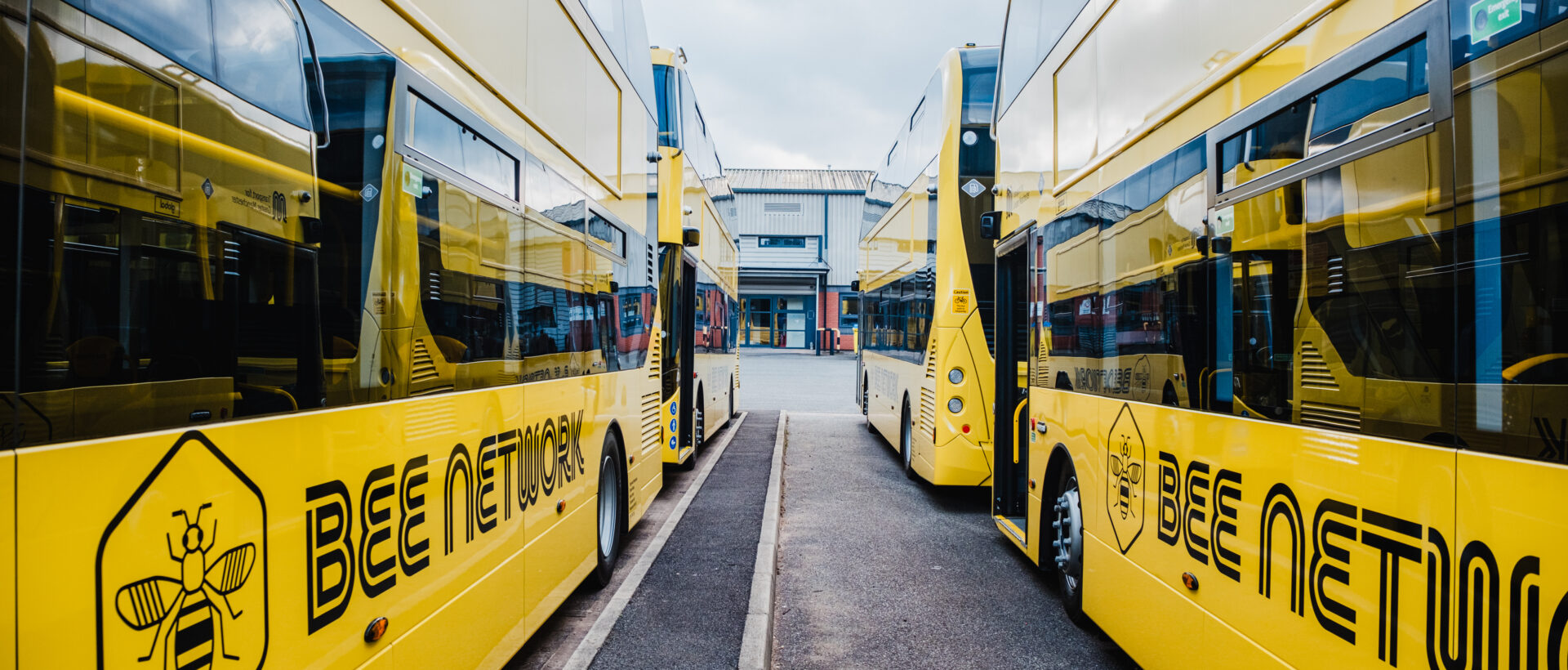
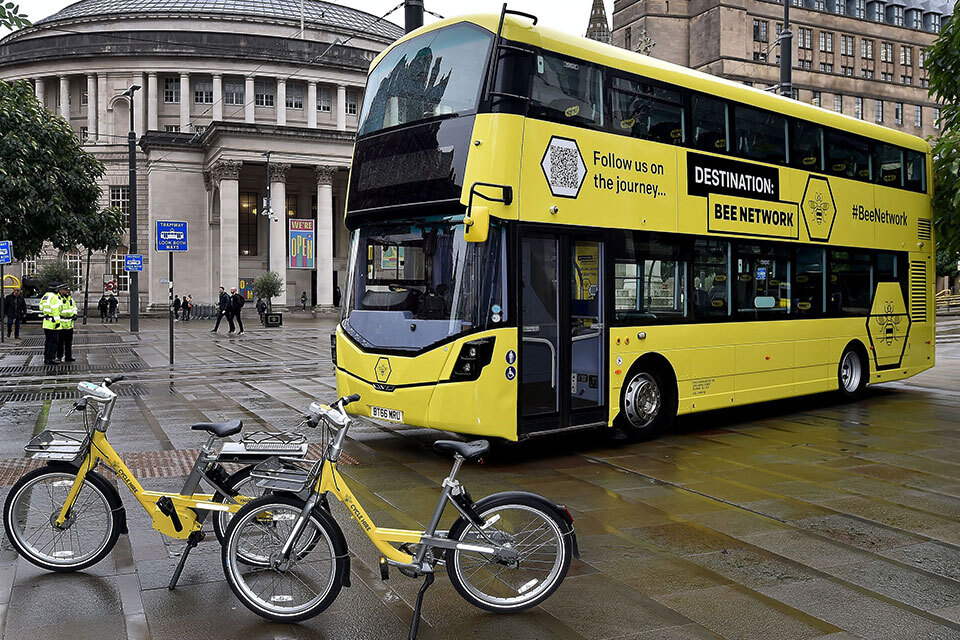
On the surface, this is, of course, a big win for those living outside of the capital. After all, bus franchising efforts have already seen massive improvements made in regions such as Greater Manchester, with its Bee Network experiencing an uptick in services, connectivity and overall quality since the decision was made to take the local transport network under local control in September 2023.
Elsewhere, the West Yorkshire Combined Authority has just opened its ‘dynamic market’ for potential franchised bus services, becoming the third location in the country to begin the process.
So, with a number of regions now taking their transport networks into their own hands the question may be, why wouldn’t every region in the UK want the same for their own constituents?
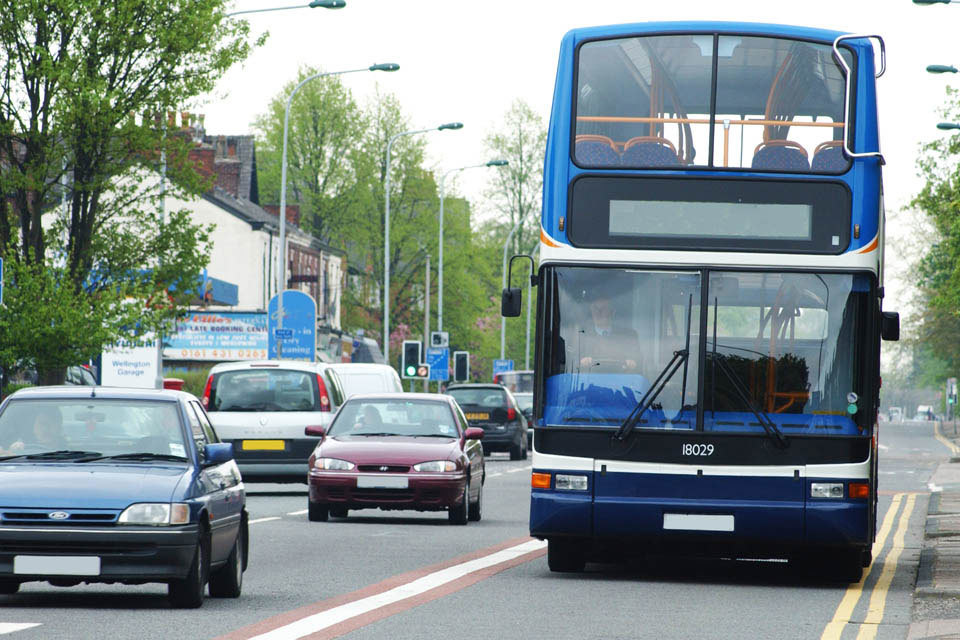
In order to give context for the potential successes and issues related to the country-wide adoption of such a system, it must first be presented the state that local & rural bus services find themselves in across the country as it currently stands.
Taking a look at a report published by the County Councils Network (CCN) earlier this year; it was found that bus services have decreased by 18% in areas covered by county and unitary councils between 2019 and 2024, the biggest decline the country has ever seen, with the Network’s analysis discovering that county and unitary councils have received a mere 31 GBP per person, on average, to improve bus services since 2022, half the number awarded to larger towns and cities.
Another report from the CCN in 2023 found that by 2022, nearly 350 million fewer journeys were taking place compared with numbers in 2010, with an analysis presented by Channel 4 in 2024 stating that that since 2011, local bus provision in England has seen a drop of 28% in overall services, despite a brief increase in funding due to the Covid-19 pandemic.
It is clear, then, that for a large portion of the country, the number of bus services is falling at an ever-increasing rate. What can be done to bolster these dwindling numbers? According to the government, the answer is franchising.
With the new system rolling out across the country, one which promises to protect ‘lifeline services’, it could be argued that the government is about to tackle the issues of scarcity in bus services. However, previous efforts, such as 2021’s National Bus Strategy, have pledged to address the diminishing rate of bus services outside the capital to, thus far, no avail. So what makes this new Bill any different?

Under the new Bill, local authorities will have the option to create their own franchise networks for, in theory, a better-connected transport network. However, this does not come without stipulations and concerns.
Firstly, a conversation must be had about the cost of the implementation of such a service. With already feeble local budgets being consistently slashed, constituencies may be left with broken, ineffective networks and no hope of any kind of aid once they are left to their own devices. Once the government washes their hands with the overall responsibility, a road to a more comprehensive system could be long and difficult.
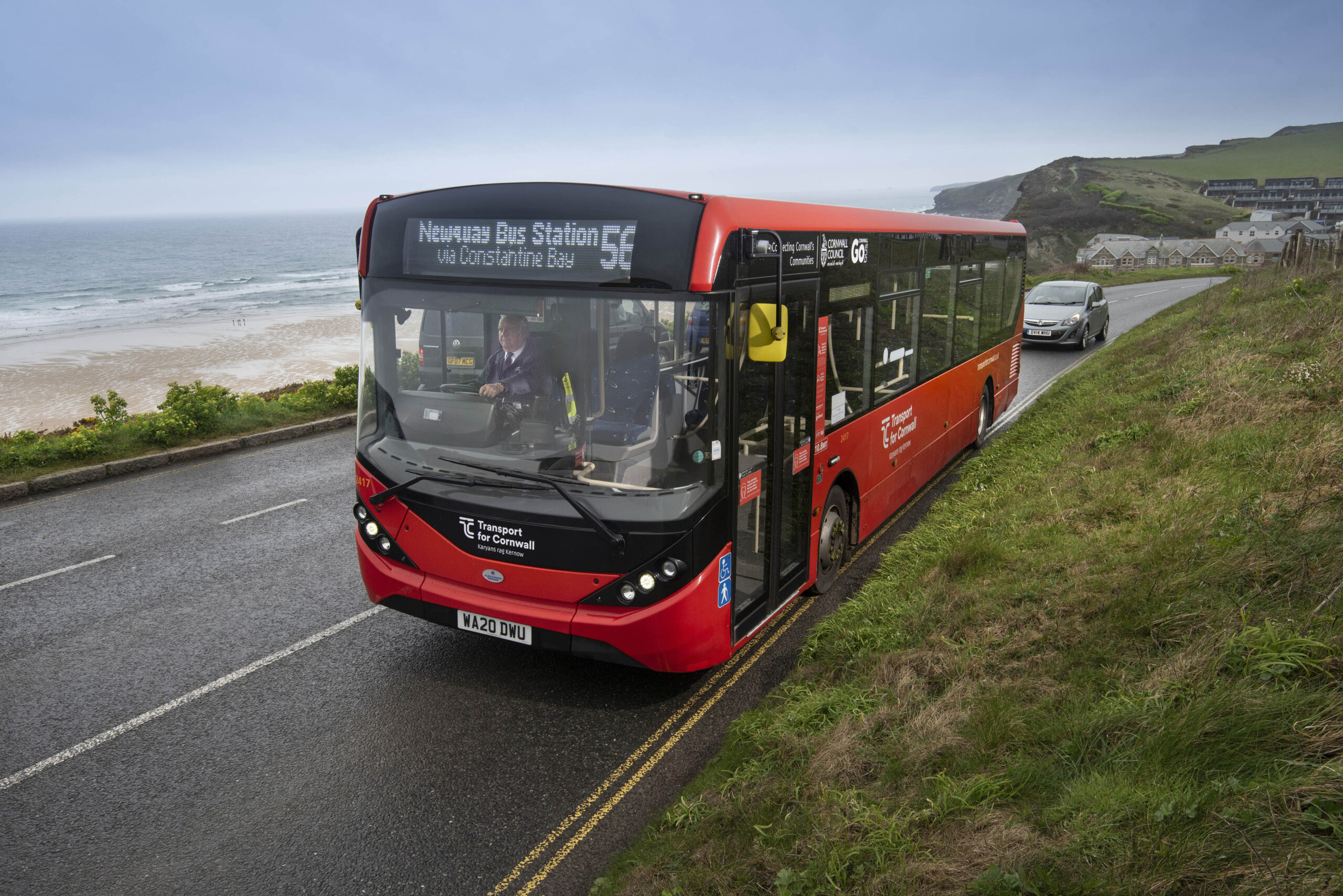
It can also be argued that rural transport simply does not need such a potentially convoluted system. In a large number of more isolated communities, it could be argued that a demand responsive transport (DRT) system would be a more effective use of funds, as it can suit a multitude of needs with less stringent requirements and provide more specific, tailored transport options for those less able.
With a large number of elderly & disabled bus users living within rural communities, such a solution could prove both more cost-effective and efficient than a localised franchise model, or, at least, in tandem with it.
Additionally, each authority will have to have a directly elected mayor in order to run franchised buses. That mayor would be explicitly responsible for franchise performance. However, implementing such a system would create new governance overhead, which could in turn hurt service reliability and availability, especially for people who depend on buses as scarce staff and budget are moved from operations to administration.
In order for the bill to truly have the greatest impact on those communities most in need, a restructuring of the funding process must be investigated and, wherever possible, reformed. The Bus Service Operators Grant currently allocates funding based on fuel consumption as opposed to passenger journeys, leaving those in non-urban areas at a significant disadvantage when it comes to appropriate funding. A reform would also, in turn, incentivise operators to increase passenger numbers.
It has to be said that despite the potential issues, a franchise model could still provide a wealth of benefits for those living in isolated communities. Once the need for profit has been stripped from the equation with the elimination of private service providers, local councils will be able to focus on what is truly needed, as opposed to providing services that offer the best value from a cost-setting perspective.
So, in closing: yes, franchising could provide the restructuring the country needs in order to get bus services back on track, but only with careful consideration of the needs of communities across the UK, as well as a funding review and real work to establish lifeline services for those that need it.