As of yesterday (12 October 2025), the European Union has officially implemented the European Entry/Exit System (EES).
The implementation of the new system will now require those in possession of a British passport to register biometric data in order to gain access when visiting a country within the Schengen area
Countries within the Schengen area include Austria, Belgium, Bulgaria, Croatia, Czech Republic, Denmark, Estonia, Finland, France, Germany, Greece, Hungary, Iceland, Italy, Latvia, Liechtenstein, Lithuania, Luxembourg, Malta, Netherlands, Norway, Poland, Portugal, Romania, Slovakia, Slovenia, Spain, Sweden, and Switzerland.
Why has the European Union implemented the EES?
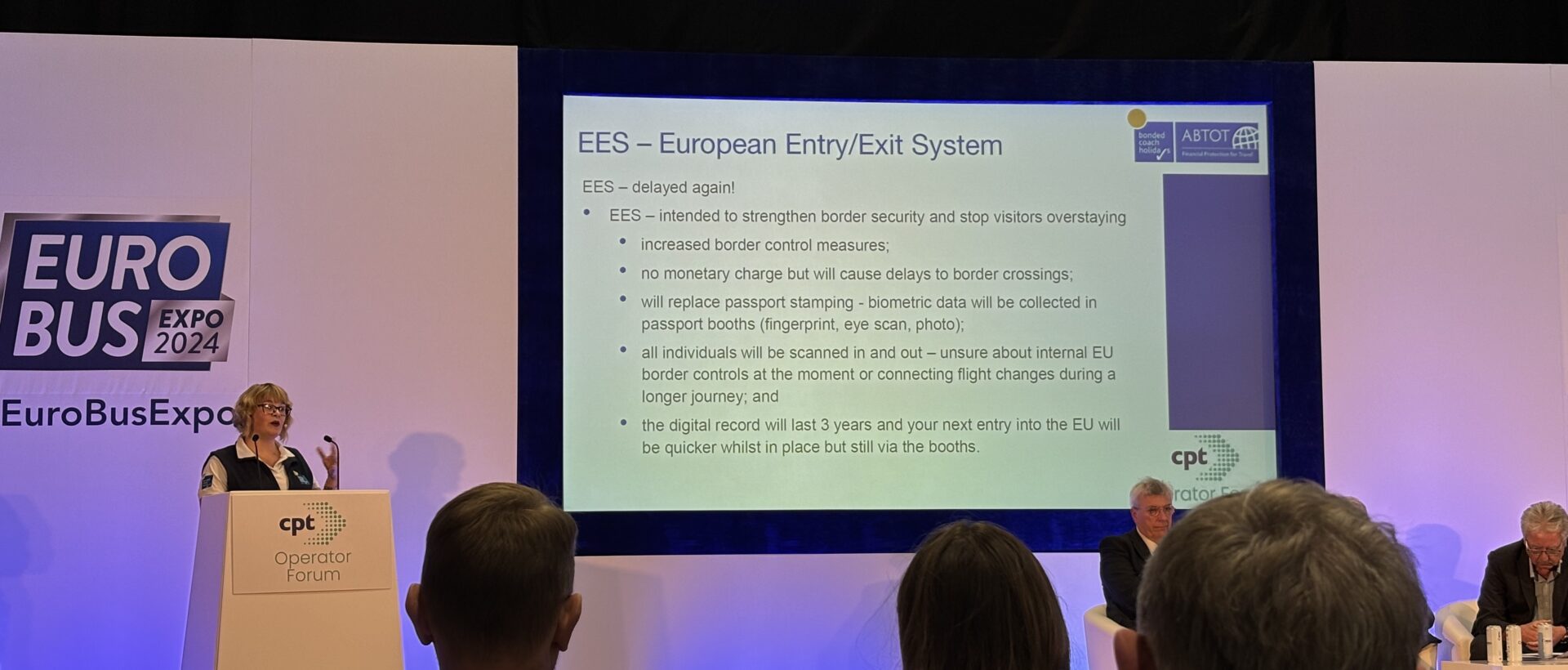
The new EES has been implemented in order to strengthen border control both within the EU and neighbouring countries, increasing security and automating border control checks in order to aid the EU in preventing the overstaying of visitors.
The implementation of EES will also herald the eventual introduction of the European Travel Information and Authorisation System (ETIAS), which once brought into official regulation will require those in possession of a UK passport to apply for authorisation to enter Schengen area countries before travelling. This will also incur a fee of 20 EUR.
What Will Change for the Travel Process?
The implementation will bring about a number of significant changes to the way travel will work when moving from a non-Schengen to a Schengen country. These changes include the abolishment of passport stamps when arriving in the EU, the introduction of a new biometric recording process upon a citizen’s first visit to a Schengen area at the port or airport on arrival and the need to submit fingerprints and have a photo taken at dedicated booths.
Travellers will not need to provide any information before travelling to a Schengen area country. If flying to a country in the Schengen area, travellers will complete EES checks upon arrive at their intended destination.
Those travelling using the Eurostar service from London St Pancras International will be required to use self-service pre-registration kiosks located within the station before travelling through ticket gates, and those travelling using the Eurotunnel at Folkestone will be directed to a purpose-built pre-registration area with a self-service kiosk before continuing their onward journey.
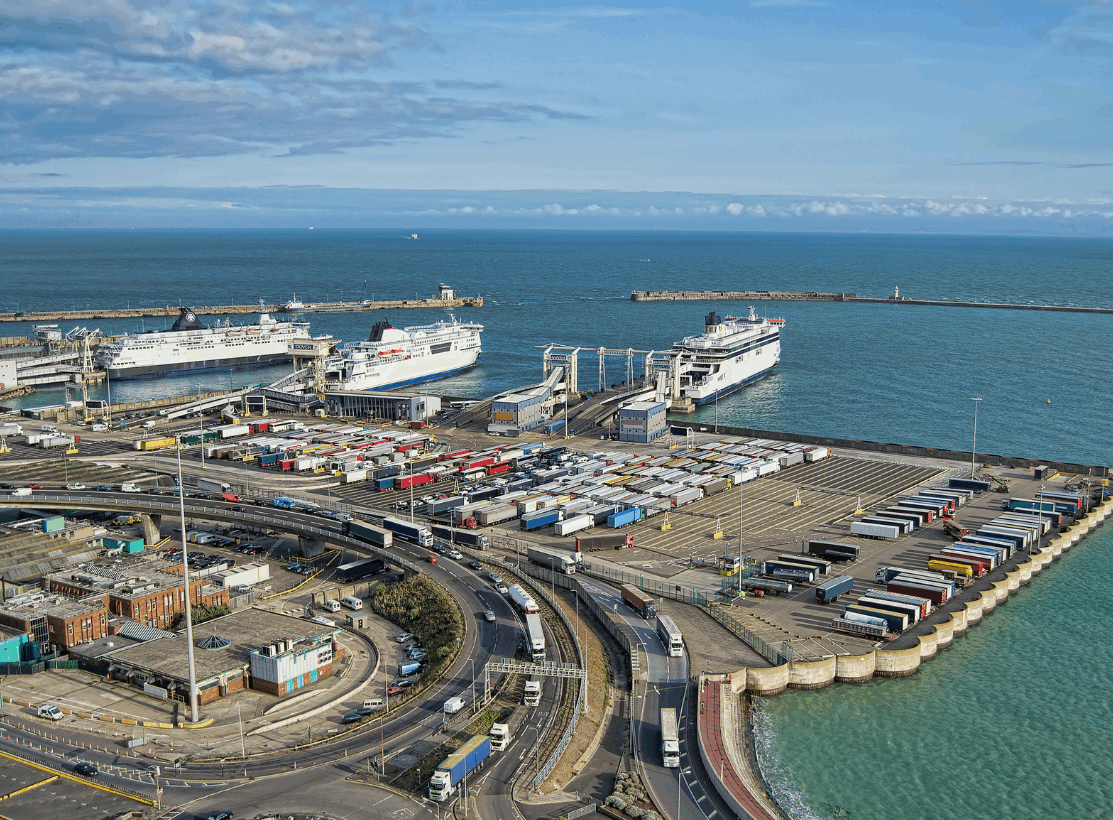
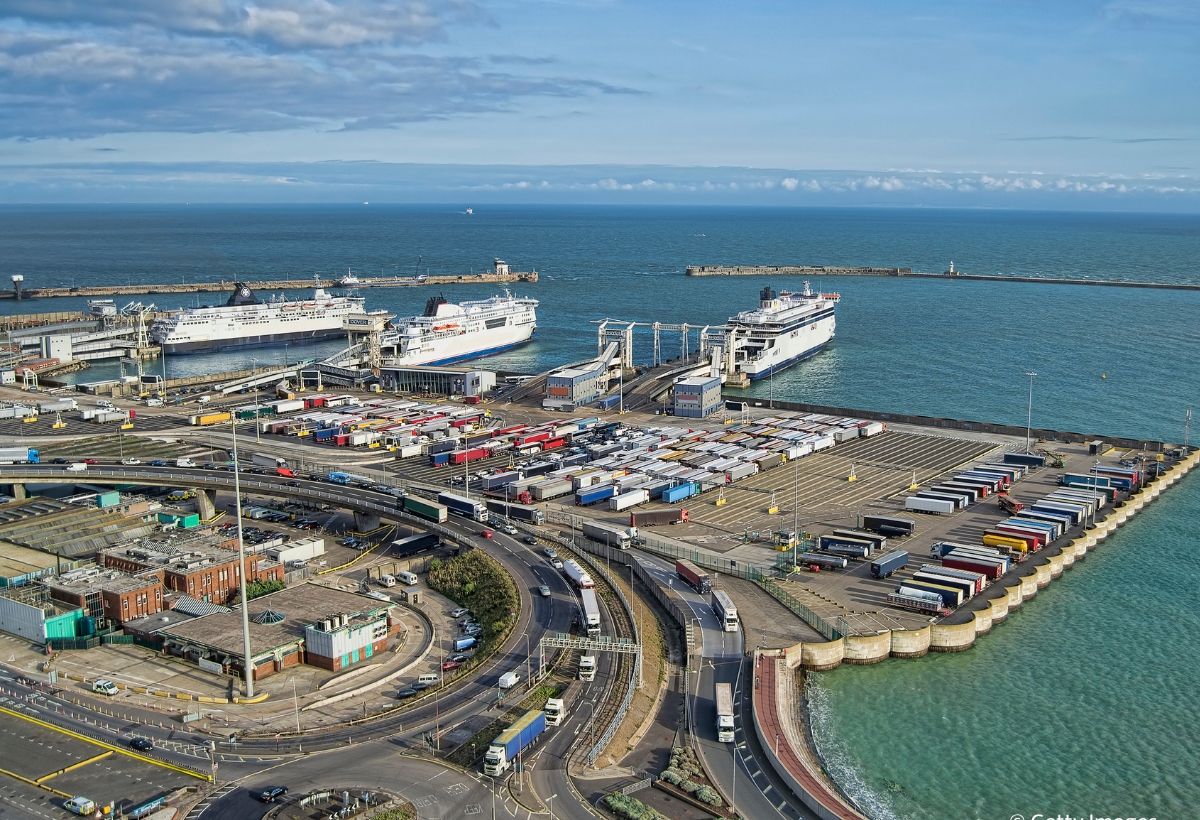
UK and non-EU travellers using ferry services from the Port of Dover will need to register with either kiosks at the newly-built Western Docks processing area or via a combination of port employee agents and tablets, depending on the vehicle. Those entering the Schengen area by air or ferry departing from any port other than the Port of Dover will be registered upon arrival.
How Often Will This Need to be Done?
Every traveller’s digital EES record will remain for three years after its initial creation, with those re-entering the Schengen area required to provide a fingerprint or photograph upon their re-arrival both during entry and exit.
Am I Exempt?
A small number of UK nationals are exempt from EES, with a full list of those not required to follow the new system listed on the government’s website, here.