With a workshop full of heavy vehicles and equipment, there’s a heavy responsibility to keep your teams compliant and safe.
Beyond the everyday training you give your workshop staff, there’s a wide range of safety certifications available to your technicians — and government regulations you need to follow.
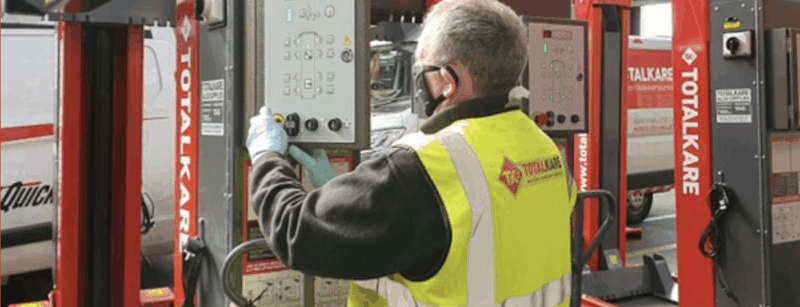
Here’s what you need to know about safety certifications for your equipment operators:
PUWER and LOLER
The government’s PUWER and LOLER regulations cover a wide range of activities and equipment. While there’s no official safety certification that’s required by the government, they do have specific standards you need to meet.
Under PUWER regulations, you’re required to give every equipment operator ‘adequate training’ for the equipment they use and the potential risks that come with it.
That usually means:
- Specific training from the manufacturer of the equipment
- External training from accredited organisations — which may include a safety certification
- Your own internal training delivered by a ‘competent person’.
There’s no government requirement to have an actual ‘safety certification’ for the workshop equipment they use. But they do need to be ‘adequately trained’ in a way that ensures the health and safety of your equipment operators, your other workers, and anyone else who might be affected.
IRTEC and IMI
Training and safety certifications are important for individual pieces of equipment. But it’s just as important to get the right training for the vehicles your operators work on.
Accreditations like IRTEC (managed by the Institute of Road Transport Engineers) assess the safety and competence of technicians working on vehicles. They’re specifically designed for the commercial vehicle sector — including buses, coaches, and other heavy commercial vehicles.
These safety certifications cover licences across 5 different career levels for technicians, with licences that last for 5 years (and are renewable).
As well as certifications for conventional vehicles, there are also safety courses designed for electric vehicles — an area that’s becoming more relevant as the industry shifts towards greener transportation.
Courses like the IMI Hybrid and Electric Vehicle Course (the Institute of the Motor Industry) give essential safety training relevant to EVs — including working with high-energy electrical systems, and electrical systems that have suffered damage.
F Gas safety certifications
Equipment that uses fluorinated gas (F gas) is a slightly special case.
While small-scale leaks of F gases aren’t usually considered an immediate safety concern, the release of F gases is harmful to the environment — and it’s a criminal offence to work with F-gas systems without an F-gas certification.
On top of that, a large-scale F gas leak can definitely become a health and safety issue. Especially in poorly ventilated areas where the gases can build up.
The need for F gas certification is a little complex, especially in the difference between certifying an individual, and certifying a company. We’ve covered this previously in our guide to F Gas certification.
But for any workshop that deals with F-gas systems (like the air conditioning systems in the vehicles you service), you need certification to stay safe, compliant, and avoid legal action.
Vehicle lift safety certifications
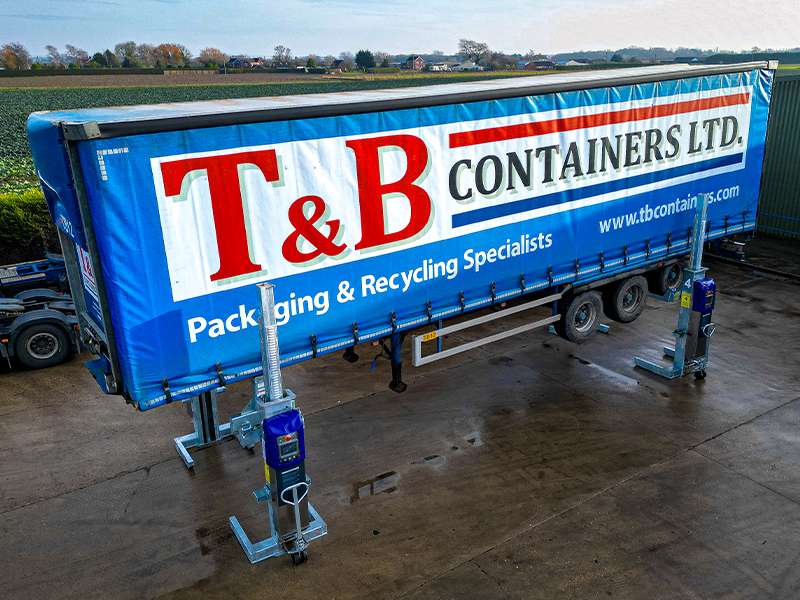
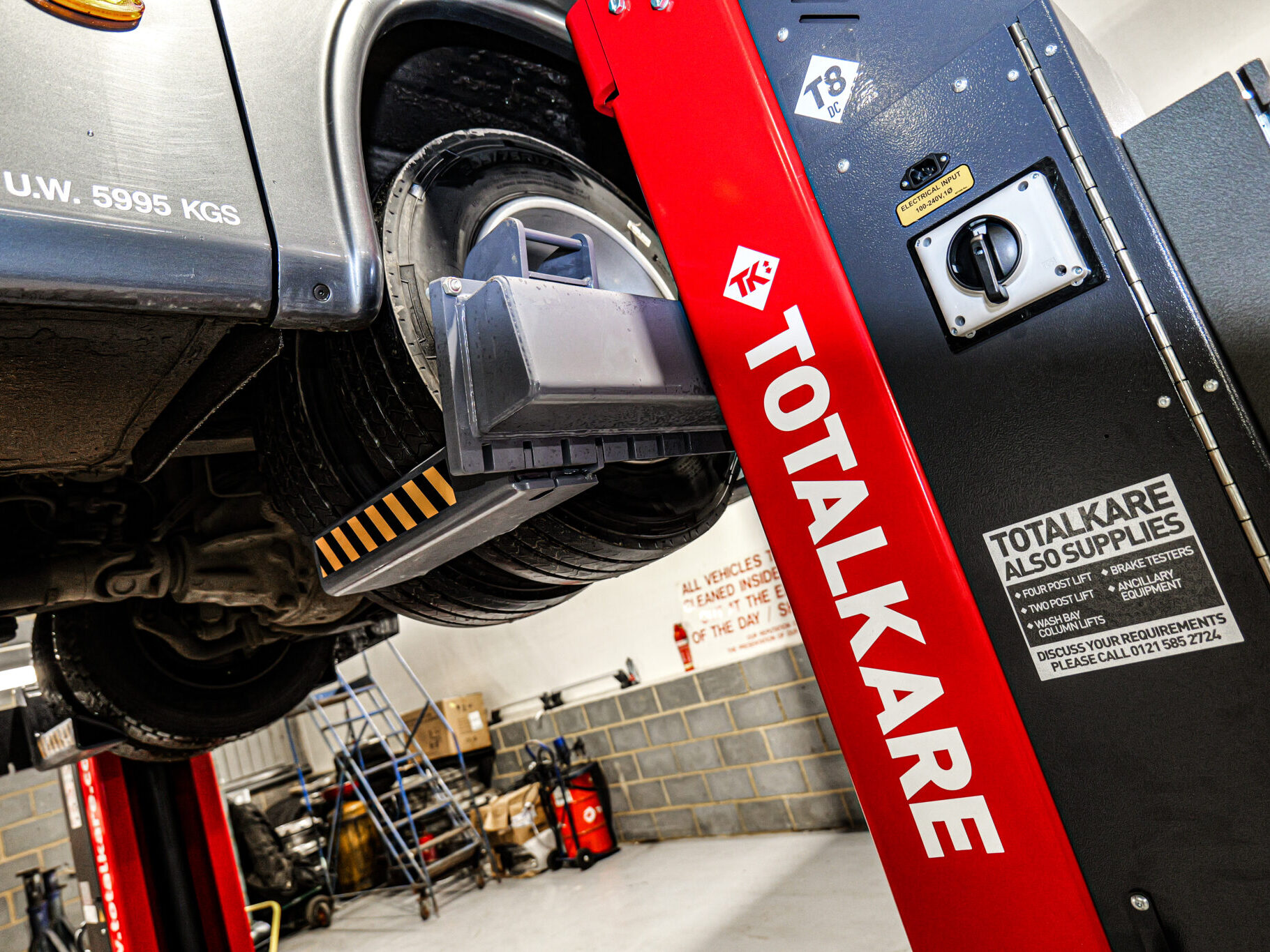
While every piece of equipment needs the right training under PUWER regulations, your vehicle lifts are usually one of the largest bits of kit in a workshop (and the ones that deal with the largest loads).
That means you should be paying extra attention to the training and safety certifications your equipment operators are getting — and you should choose both the course and the provider carefully.
In many cases, a reputable supplier will offer safety training specific to the equipment they provide: like the online training for our mobile column lifts, which is tailored to the precise models we supply.
It’s a CPD-certified course covering every aspect of safety and proper use — from inspections and checks to the ancillary equipment used with the lifts.
Since it’s created by the suppliers of the equipment (with individual modules specific to each model of lift), you know your teams are getting an exhaustive and relevant safety course, compared to the general overview that some other courses might provide.
But perhaps best of all:
Because it’s an online course, it’s a certification your teams can get with minimal disruption: completing it in their own time around their busy work schedules.
You can see the full details and all the areas covered in our online mobile column lift training — or talk to one of the Totalkare team to get the answers to your questions.
This article was originally published by Totalkare.