The Department for Transport (DfT) has announced an expansion of its bus franchising pilots to Cornwall.
The pilot will see local authorities given control over their own bus services and has been designed, according to the government, to ‘put passengers’ needs first’.
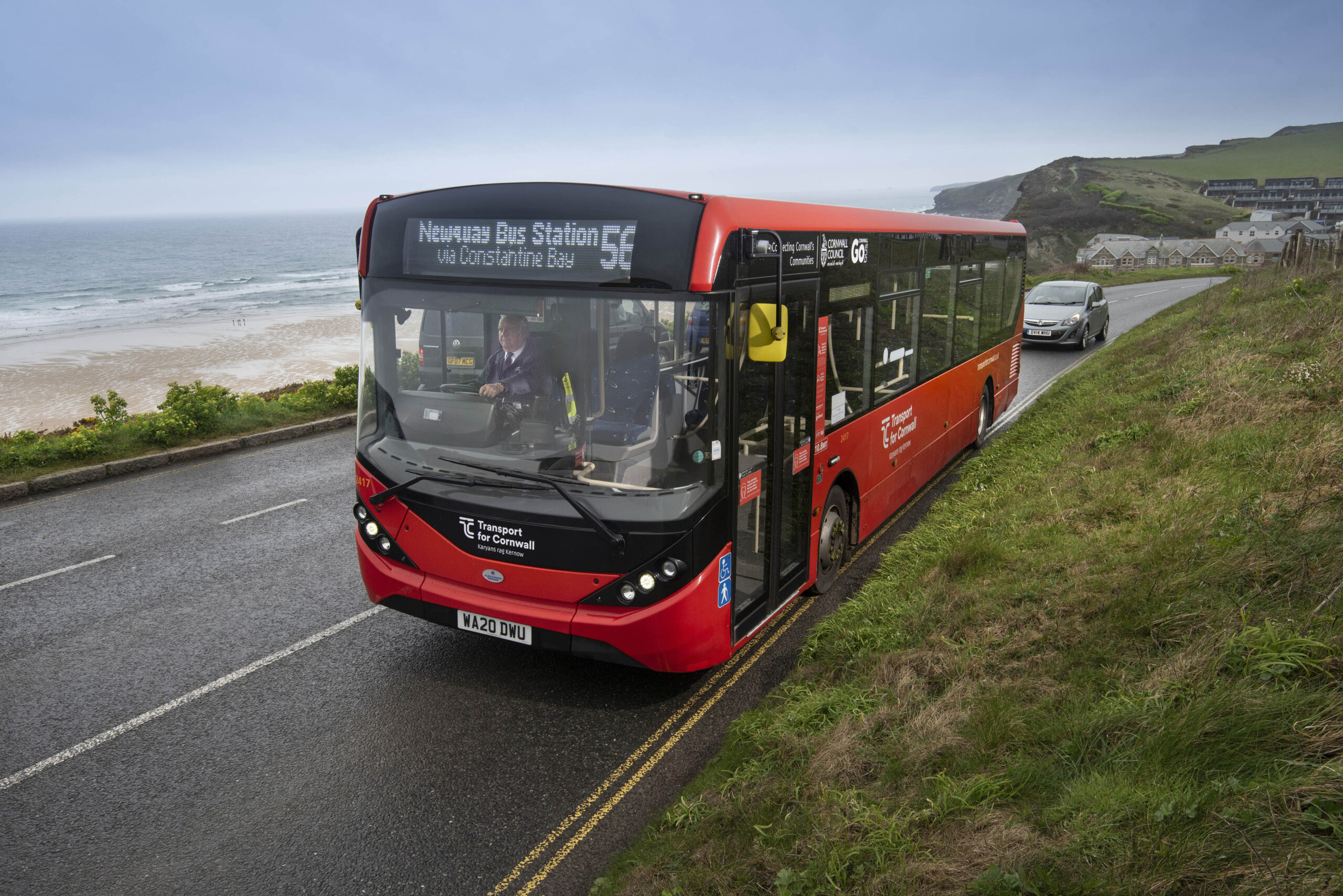
Local authorities will be given the power to choose which private bus companies are permitted the right to run in specific areas, and will test the effectiveness of such a system.
If adopted; the scheme would grant councils greater control over their local services, with authorities given the responsibility of creating their own requirements and crafting a network that suits their own specific needs.
Roads and Buses Minister Simon Lightwood said:We’re backing Cornwall to explore how it could take control of its bus network and transform rural services to work for everyone, ensuring passengers, not profit, are put first when it comes to bus services.
With our transformative Bus Services Bill just around the corner, this Government will put buses at the forefront of better connectivity - helping communities thrive and driving economic growth as part of our Plan for Change.
As part of the bill, councils will identify services deemed socially necessary and work with bus operators to put in place strict requirements before any of these services can be altered or cancelled.
Ultimately, the pilot aims to help the government understand how franchising can improve connectivity, boost passenger satisfaction and support local economies.
Announcement of the pilot comes ahead of the introduction of the government’s Bus Services Bill, which aims to tighten requirements surrounding the cancellation of vital bus routes.
Cllr Dan Rogerson, Cornwall Council cabinet member for transport, said:We know how important bus services are in connecting communities across the county and how much our residents rely on them. Our inclusion in the pilot study reflects our work to date in bringing together Cornwall’s bus operators and the collective vision we have to improve bus services for residents.
Delivering a bus network in rural areas has it challenges, particularly in the current financial climate. What works in cities doesn’t necessarily work in rural areas. This will give us the chance to come up with new ways of providing bus services and options that meet the needs of our passengers.