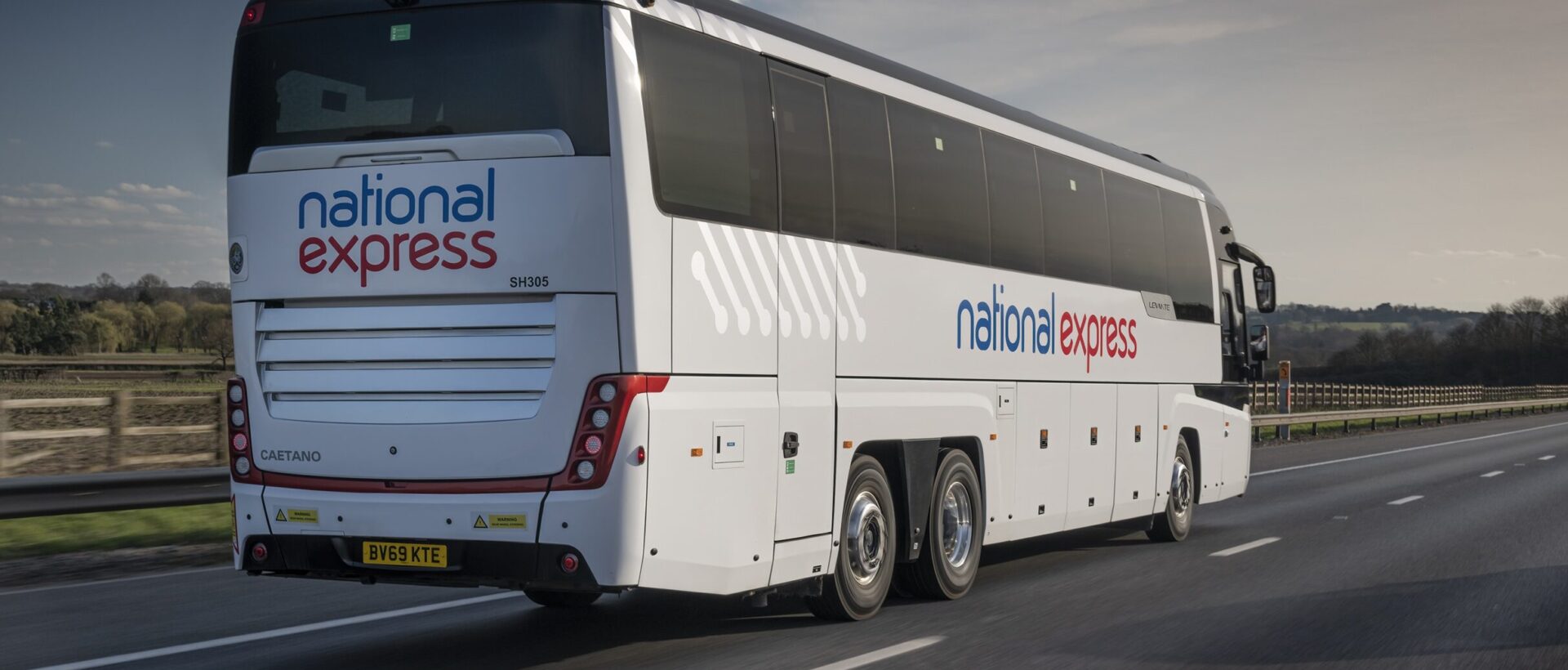
The West of England Combined Authority has presented a new long-term Transport Vision focused on improving reliability, connectivity and capacity across Bristol and Bath’s transit network.
The plan outlines a coordinated approach to investment in buses, rail services, mass transit, active travel and street infrastructure. The proposals are linked to a ten-year regional growth strategy intended to support housing, employment and productivity.
According to regional figures, congestion in Bath and Bristol led to estimated economic costs of more than 150 million GBP last year. Leaders say that improving journey times and reliability is necessary to support business activity and access to jobs and services.
The transport vision identifies several priority areas:
- Bus services with integrated ticketing and coordinated timetables
- Additional rail capacity, including new stations and more frequent services using lower-emission trains
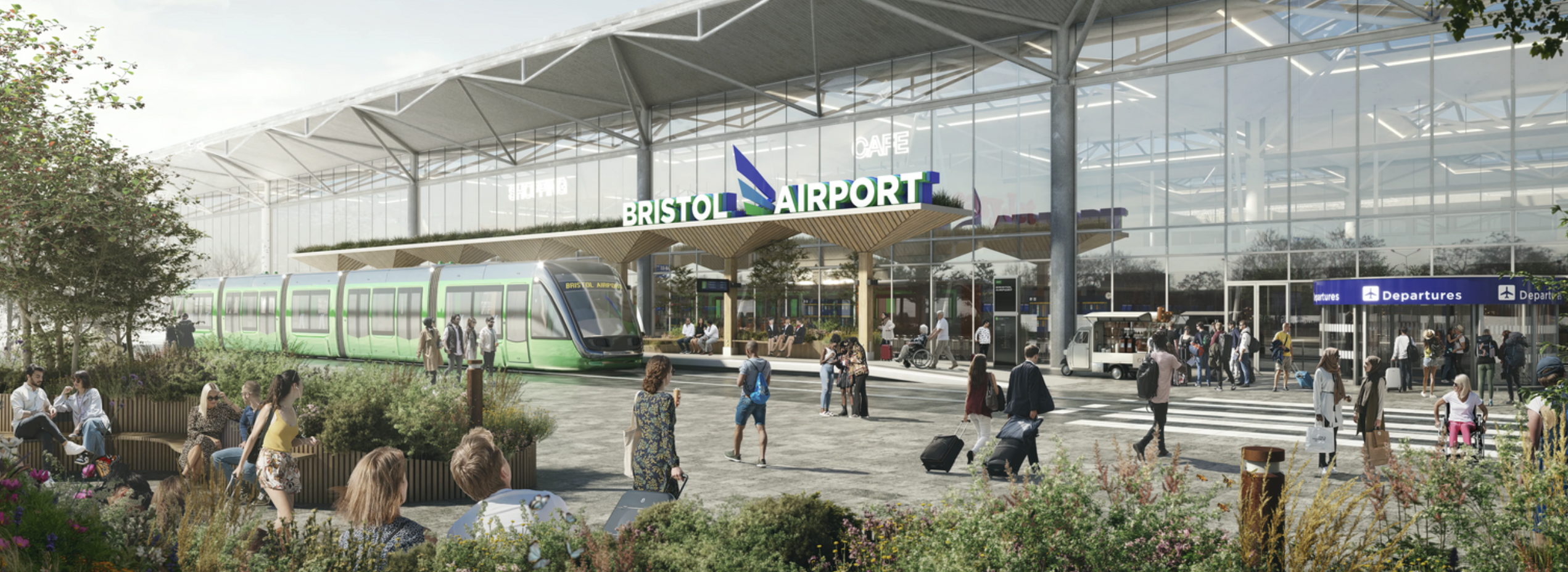
- A mass transit network linking major economic and residential centres
- Expanded walking and cycling routes, alongside provision for e-bikes and e-scooters
- Street improvements, including road maintenance, pavement upgrades, electric vehicle charging and expanded park-and-ride sites
Helen Godwin, Mayor of the West of England, said:Nobody wants to sit stuck in traffic or hang around for a bus that never turns up. Our record transport investment secured from government must make a real difference that people across the West can see and feel. We can start to give people their time back: to be home sooner, get out into nature more, or visit the many attractions that make our part of the world so special.
We need a transport system that people can trust, wherever they live. Together, we can and must deliver the integrated transport system that people need and deserve. As we lay the foundations with existing transport projects, and step things up a gear for better buses, more trains, and mass transit plans, we will seek our fair share of further funding to really get the West moving.
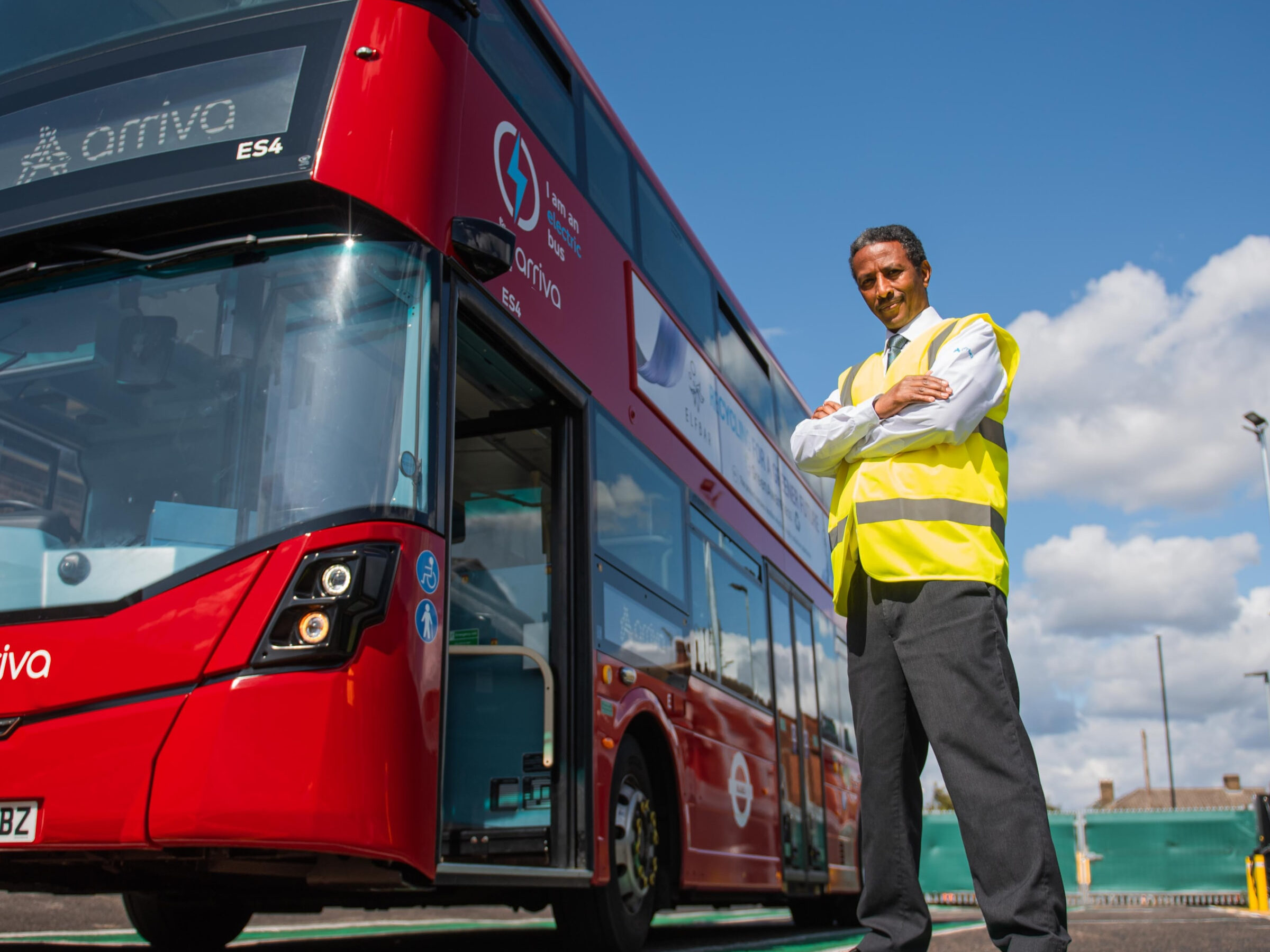
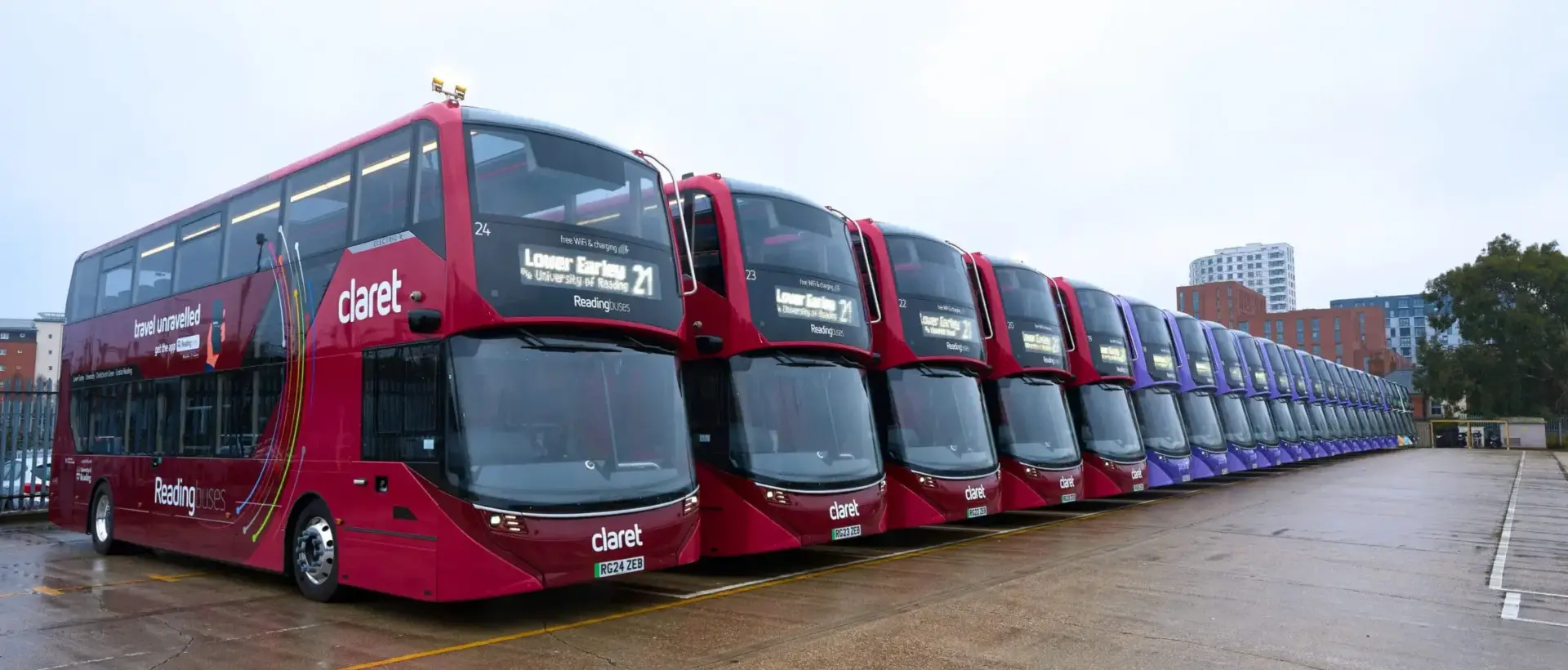
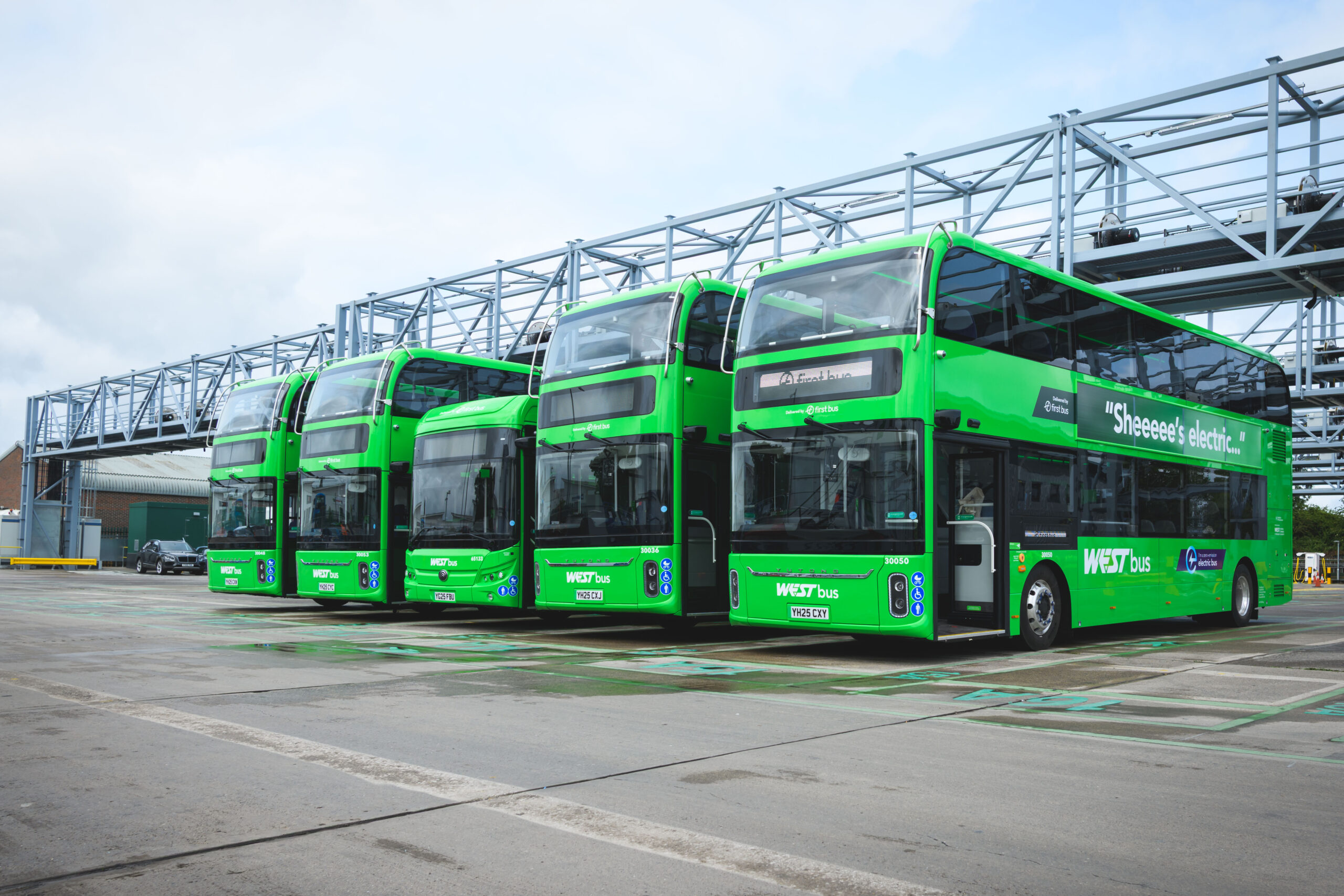
Projects already underway include the introduction of more than 250 low-emission buses by the end of the year and the construction of additional rail stations. Regional authorities report that 752 million GBP has been allocated across bus, rail and mass transit planning programmes. Passenger numbers on buses are also reported to be returning towards pre-pandemic levels, with increased youth travel supported by free travel schemes during school holidays.
A detailed transport strategy is due to follow, setting out specific infrastructure requirements and delivery phases. Public consultation is also planned on future bus network models as part of a separate regional Bus Plan.