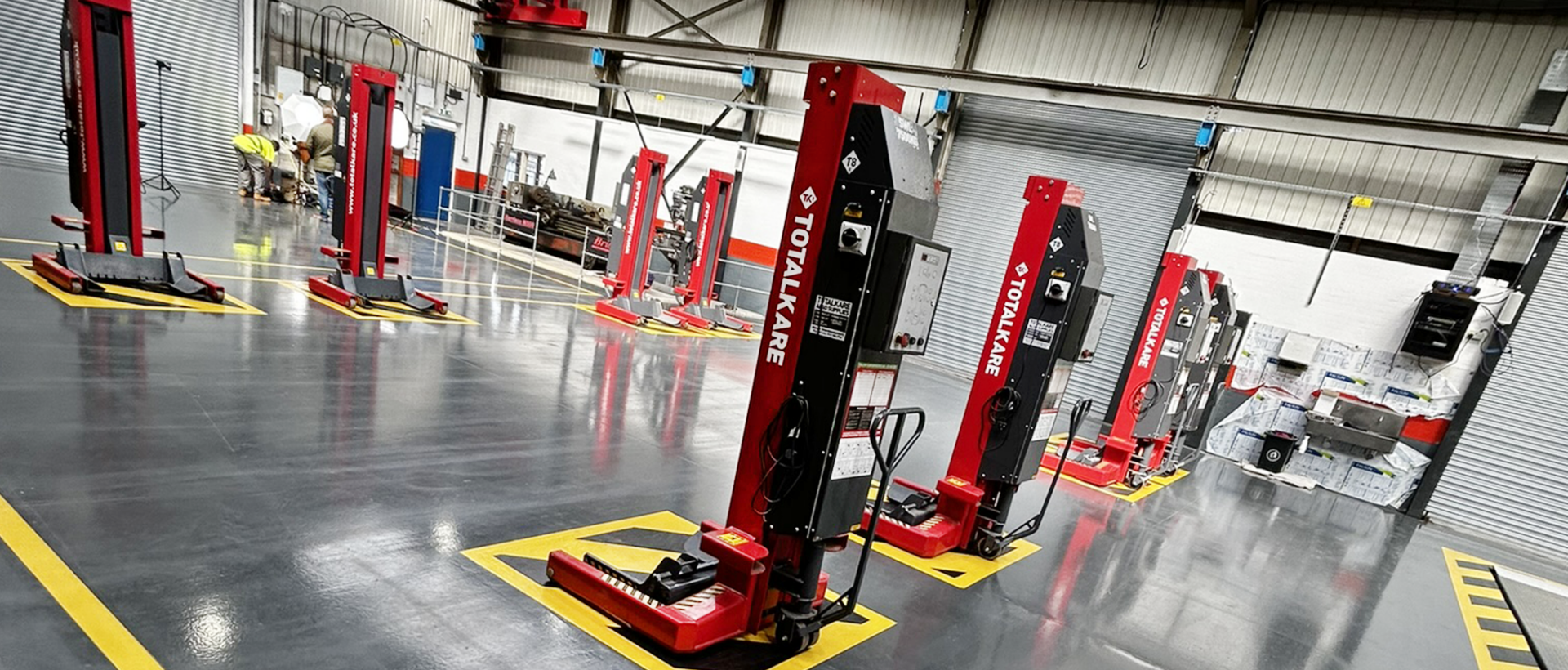
Every good workshop makes safety a top priority. But it’s a huge amount of work to stay compliant with every piece of workshop legislation.
So if you’re setting up shop or reviewing your current practices, the best place to start is with an understanding of the fundamentals.
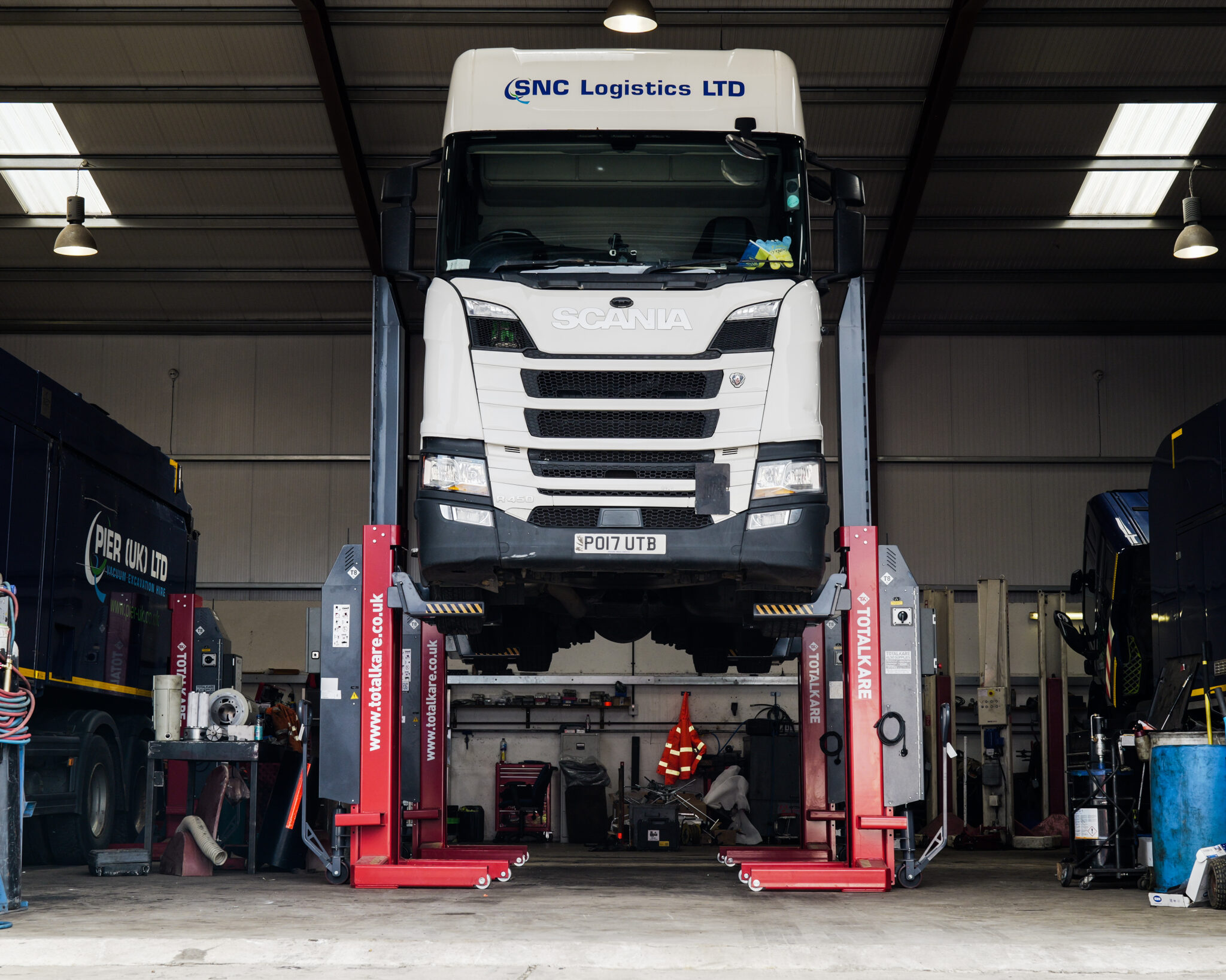
Here are 10 of the UK health and safety acts that form the pillars of workshop safety legislation — and the steps you need to take to stay compliant:
1. Managing Risk
Management of Health and Safety at Work Regulations 1999
The 1999 regulations were introduced to reinforce the existing Health and Safety at Work Act of 1974.
On top of the general duties established in 1974, the 1999 regulations add specific and practical steps that employers need to take to manage health and safety in a workshop.
As a workshop owner, you have a legal requirement to:
- Assign competent people to manage health and safety
- Identify hazards and assess risks
- Take steps to control those risks
- Record your findings and review the controls
- Plan for accidents and train your teams in emergency procedures
These risk assessments are an essential part of workshop health and safety, and should be carried out for every piece of equipment or activity that comes with risk. To help you plan and get started, you can look at the HSE’s risk assessment templates and examples.
2. Managing Substances
Control of Substances Hazardous to Health Regulations 2002 (COSHH)
Compared to factories and plants, most vehicle workshops won’t handle that many dangerous substances. But they do have some — things like oils, antifreeze, lubricants, and diesel. It also goes beyond the typical liquid chemicals to include things like dust and vapour, or fumes from activities like welding.
For workshops to follow the COSHH health and safety rules, they need to:
- Assess the risks from using substances — both handling and accidents like spillage, and the safe storage and disposal of those substances
- Prevent or control any exposure to those substances
- Give staff the right training and PPE to protect them
3. Buying Equipment
Supply of Machinery (Safety) Regulations 2008
While these regulations apply to manufacturers and suppliers of equipment, it’s important to understand their responsibilities when you’re choosing a supplier and assessing the equipment you buy.
The 2008 act requires that machinery is:
- Safe when supplied · Supplied with a Declaration of Conformity, and user instructions in English
- Marked with UKCA markings (or CE markings before the end of 2022)
4. Providing Equipment
Provision and Use of Work Equipment Regulations 1998 (PUWER)
Workshops have a legal requirement to check and assess the safety of the equipment their staff use.
In general, that means making sure that it’s:
- Suitable and safe for the intended use
- Installed correctly and safely maintained
- Used only by people with the right training and knowledge
- Accompanied by the right safety measures — like guards, markings, and emergency stops
But as well as these direct obligations under PUWER, you’re also required to check that the supplier has met their obligations under the 2008 Supply of Machinery Regulations.
That means making sure that the equipment is:
- Marked with UKCA or CE markings Supplied with a Declaration of Conformity and English user instructions
- Free from obvious defects. You can get the full details on your responsibilities in the government’s guide to buying new machinery
5. Using Lifts
Lifting Operations and Lifting Equipment Regulations 1998 (LOLER)
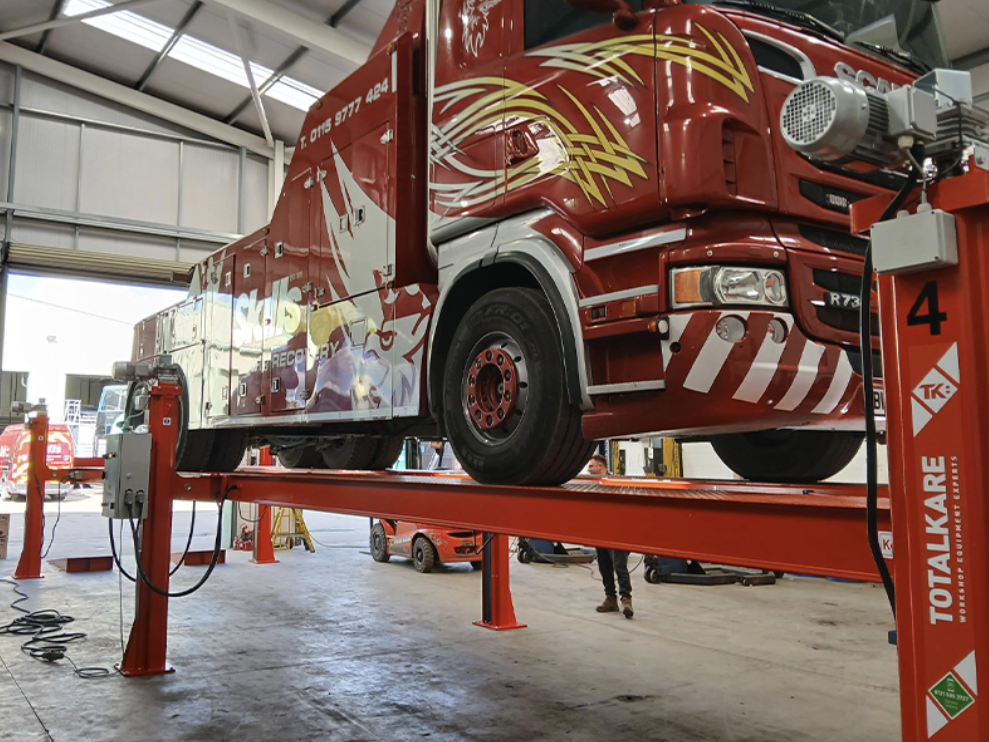
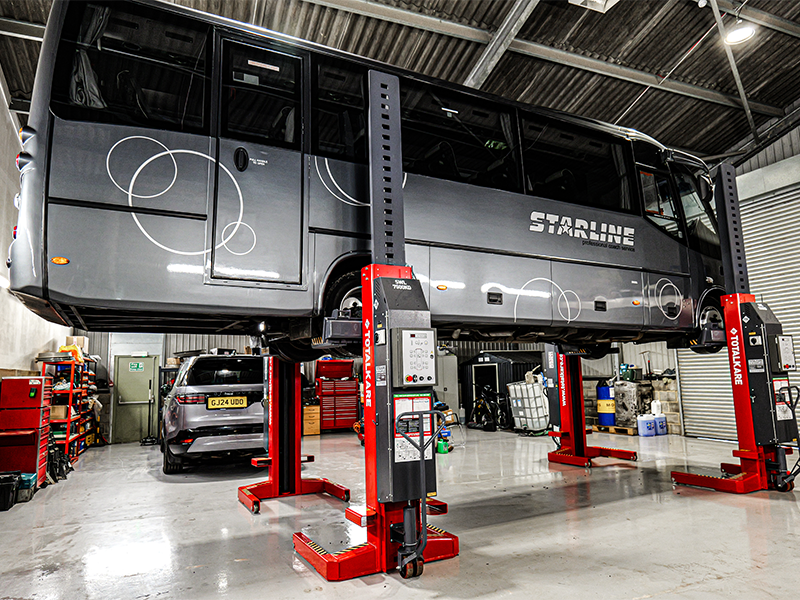
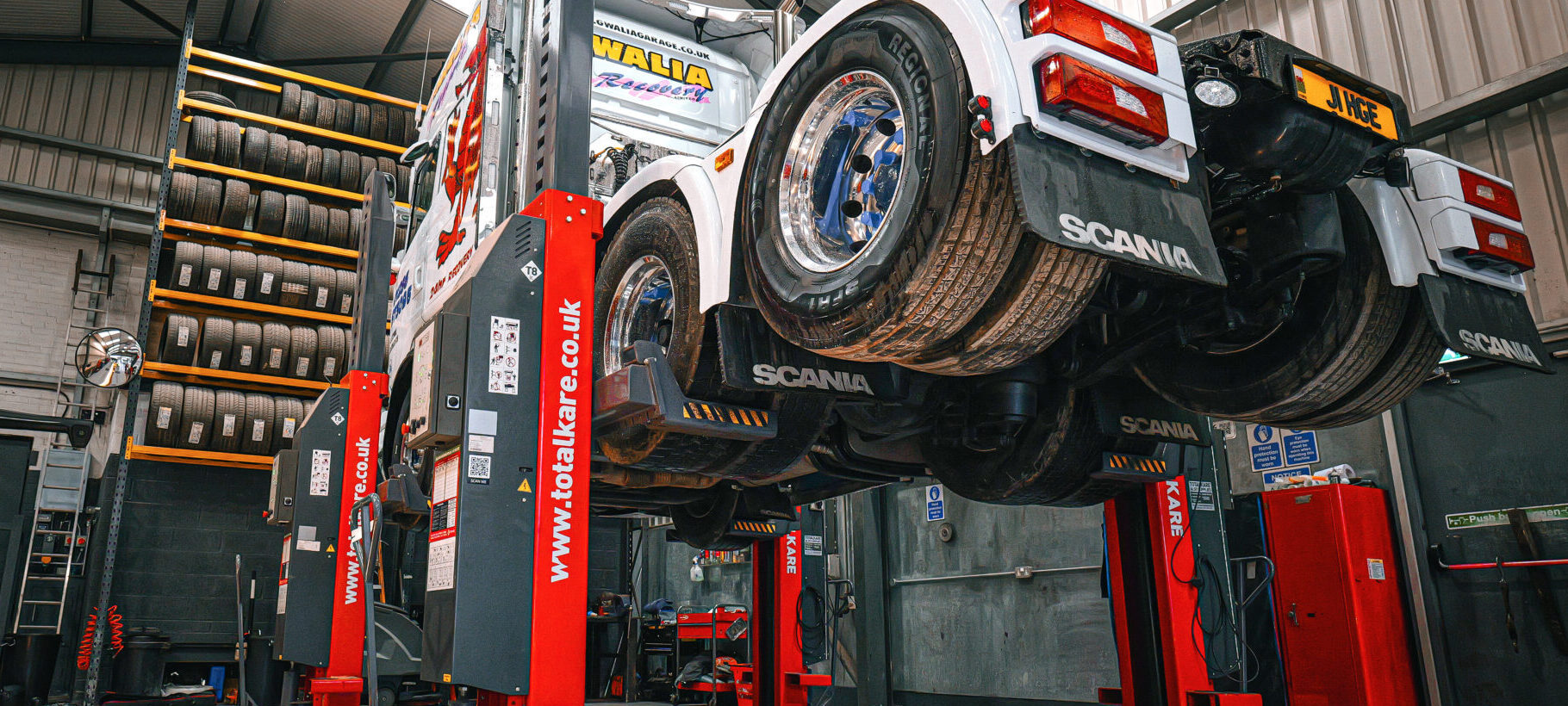
This is a big one for commercial vehicle workshops, where vehicle lifts are an everyday part of the services they provide.
As well as the PUWER legal requirements above, workshops also need to:
- Plan all lifting operations properly (by a competent person)
- Use people who are sufficiently competent
- Supervise the operations appropriately
- Ensure the operations are carried out in a safe manner
You also need to make sure the lifting equipment itself is:
– Fit for the purpose.
– Appropriate for the task.
– Suitably marked.
– Subject to periodic ‘thorough examination’.
These examinations need to be carried out by a competent person, with records and reports to go with them. It’s more complex than the standard PUWER responsibilities — which is why lots of workshops use a trusted external specialist to conduct Reports of Thorough Examination.
6. Using Pressure Tools
Pressure Systems Safety Regulations 2000 (PSSR)
Most vehicle workshops use equipment that comes under PSSR — things like air compressors or a hydraulic press.
Before using any equipment under PSSR, you need to:
- Have a Written Scheme of Examination (WSE) in place
- Conduct an inspection by a competent person
7. Managing Electricity
Electricity at Work Regulations 1989
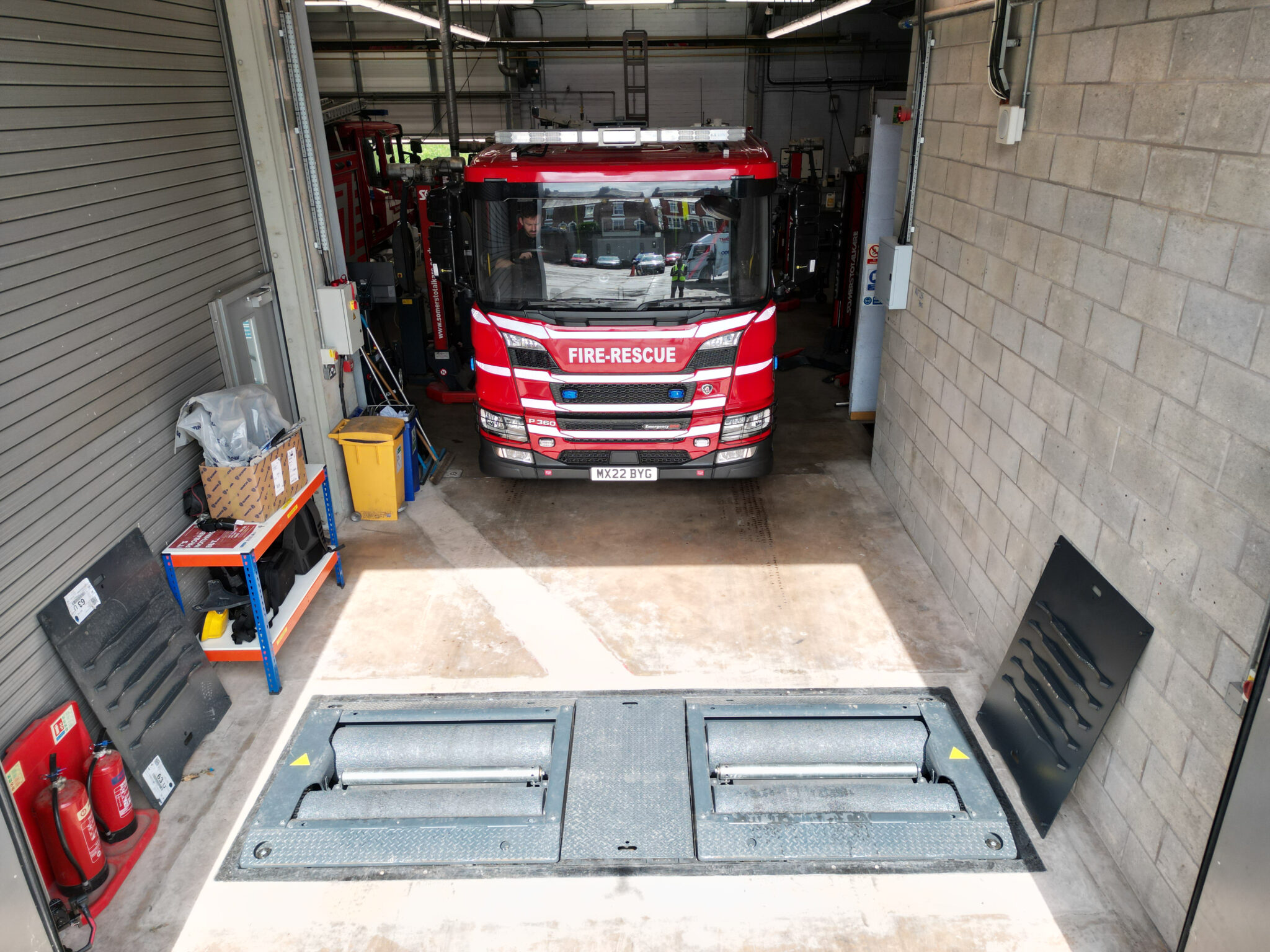
This regulation covers every electrical system in a vehicle workshop — from fixed installations like in-ground brake testers, to smaller equipment like induction heaters.
Under the regulations, you need to:
- Conduct risk assessments and control the risks
- Make sure equipment and installations are suitable for (and only used for) their intended use
- Safely maintain and repair electrical systems (carried out by a competent person)
- Arrange inspections and tests of fixed wiring installations
8. Controlling Vibration
Control of Vibrations at Work Regulations 2005
While these regulations are usually focused on handheld power tools or machines being hand-fed, the risks apply to any workshop equipment that exposes your staff to vibration.
Long-term exposure to excessive vibration can cause physical damage to your teams — leading to conditions like carpal tunnel syndrome.
As a workshop operator, you’re legally required to:
- Control and limit the risks from vibration
- Give your employees the right training around the risks and prevention of vibration
- Introduce safety measures when vibrations go above specific exposure values
- Make sure your teams never go above the upper limit for exposure values
9. Controlling Noise
Control of Noise at Work Regulations 2005
As well as protecting your teams from obvious physical harm, you also have a duty to protect their hearing.
It’s also important in preventing other incidents — where excessive noise can make people less aware of their surroundings and any dangers or accidents occurring.
While most vehicle workshop equipment isn’t known for being excessively loud, there can be exceptions — especially with older equipment, or equipment nearing the end of its life.
The regulations require you to:
- Assess the health risks and provide training when noise reaches a specific limit
- Provide hearing protection and protection zones above a higher limit
- Make sure workers are never exposed to noise above the highest limit
10. Providing PPE
Personal Protective Equipment at Work Regulations 1992 (PPER)
Every workplace needs to assess the need for PPE — especially in a vehicle workshop with heavy-duty equipment and vehicles.
As an employer, you need to:
- Carry out risk assessments to see where PPE is needed
- Assess PPE to make sure it’s fit for purpose
- Provide training and instructions, and make sure staff use it properly
- Maintain and store PPE correctly
- Provide PPE free of charge to their employees
This article was originally published by Totalkare Ltd.