Volvo Buses and GreenMob Capital have come together to launch the world’s first regular operations of 100% electric bi-articulated buses on the streets of Goiânia, in Brazil.
The launch is the result of a deal between the two companies and will see 21 Volvo BZRT buses (16 articulated and 5 bi-articulated models) enter service on the East-West BRT line of the Metropolitan Collective Transport Network of Goiânia.
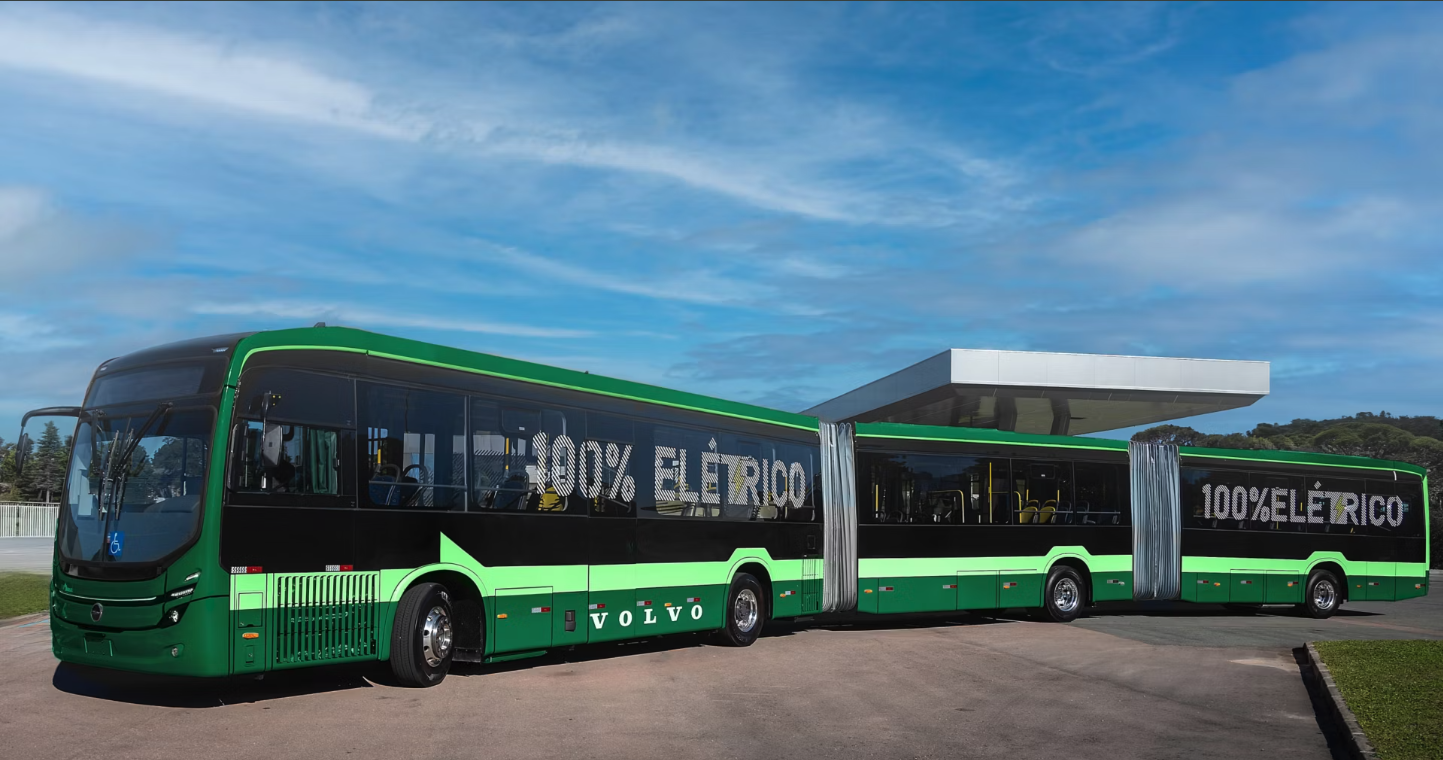
The vehicles form part of the first batch of electric articulated and bi-articulated chassis produced at Volvo’s industrial complex in Curitiba, Brazil.
André Marques, President at Volvo Buses Latin America, said:It is with great satisfaction that we announce this important sale for one of the main BRT-systems in Brazil. The city of Goiânia takes a major step toward decarbonizing public transport by adopting high-tech electric buses with exceptional safety features.
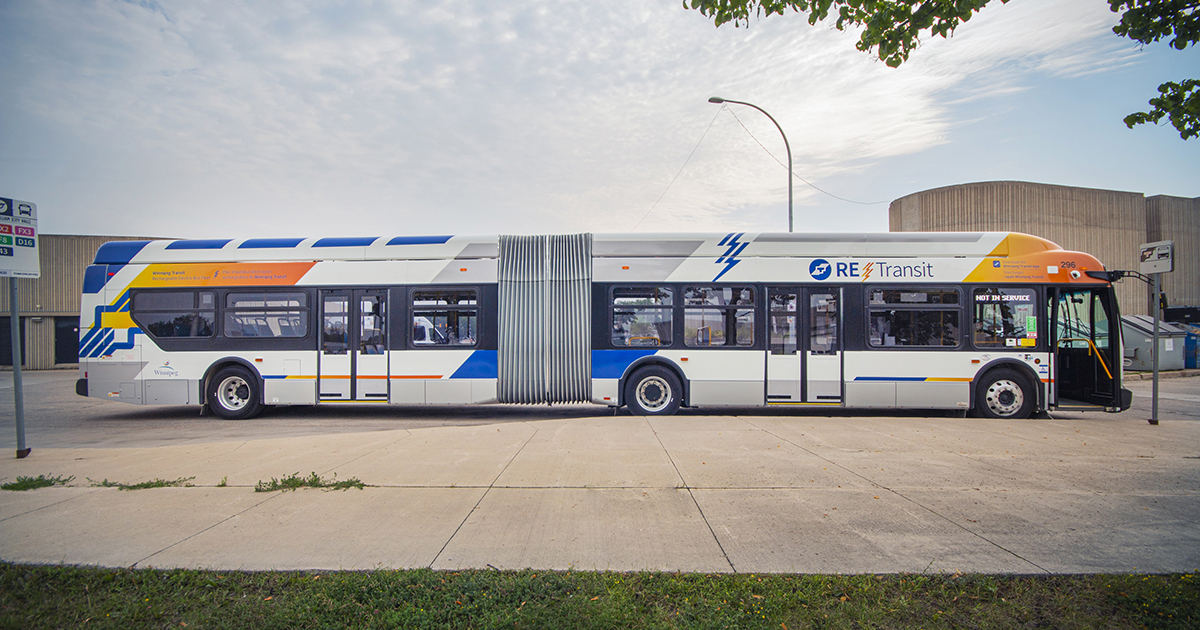
Volvo’s bi-articulated bus can carry up to 250 passengers, whilst the articulated bus can carry up to 180, which both offering zero CO2 emissions, low noise level, dual-side doors and air conditioning.
The buses come equipped with Volvo Buses’ active safety systems, including cameras, front and side sensors and traffic sign recognition.
Additionally, the buses have been fitted with Volvo Dynamic Steering (VDS), as well as the ‘Safety Zones’ system, which utilises GPS to automatically reduce a vehicle’s speed in high-risk areas.
Gustavo Bacellar de Faria, CEO of GreenMob Capital, said:We are bringing the most advanced vehicle technology available globally to Goiânia— combining efficiency, comfort, and safety. The arrival of the electric Volvo BZRTs strengthens our commitment to driving the development of innovative and sustainable urban mobility solutions, creating tangible value for both cities and our clients.
Greater Goiânia’s BRT system currently transports roughly 12 million passengers per month, and is expected to reach 17 million across its network with coverage including the East-West and North-South corridors, covering a total of 50 km with over 50 stations and connections to Trindade, Goianira, and Senador Canedo.