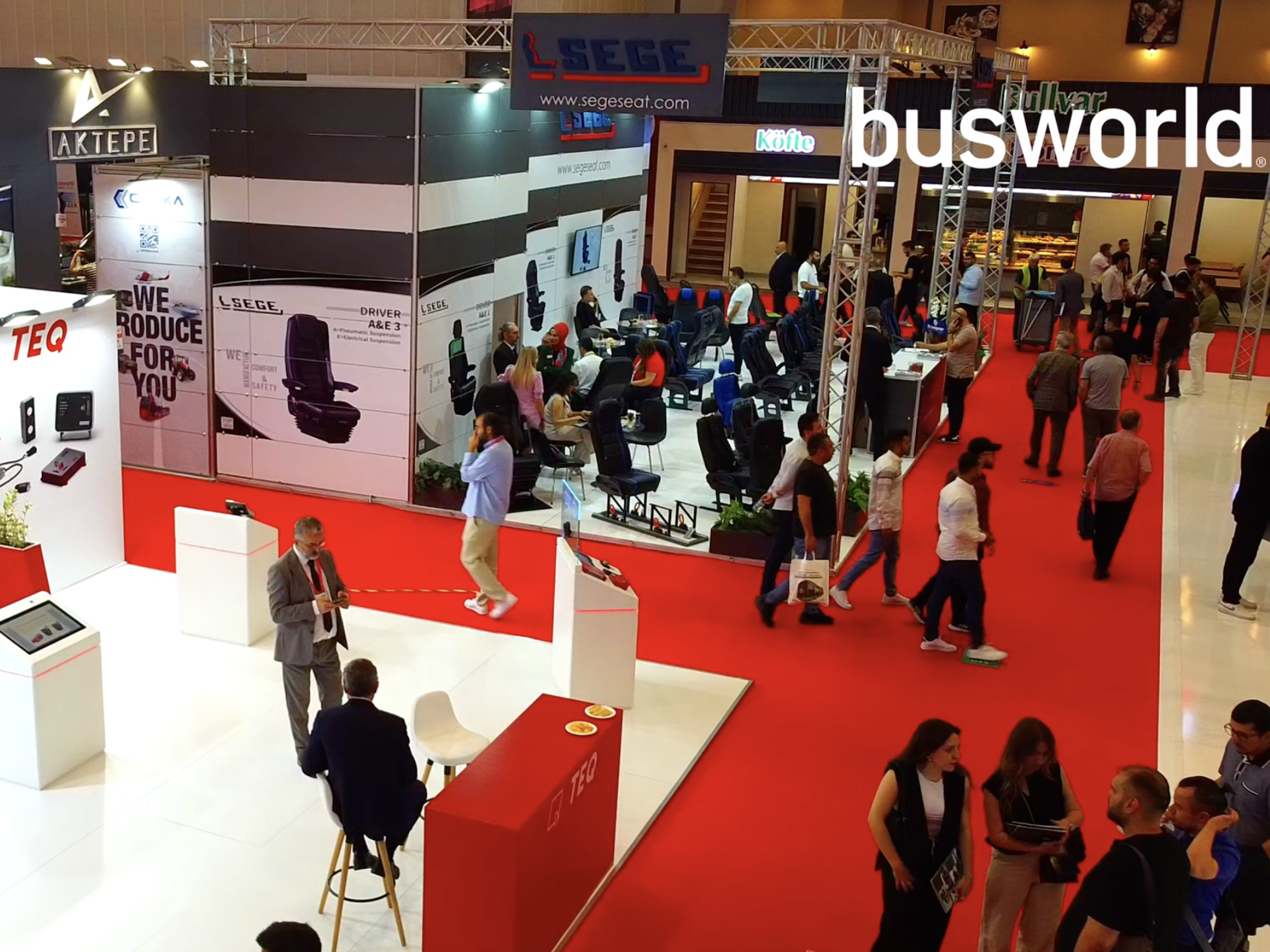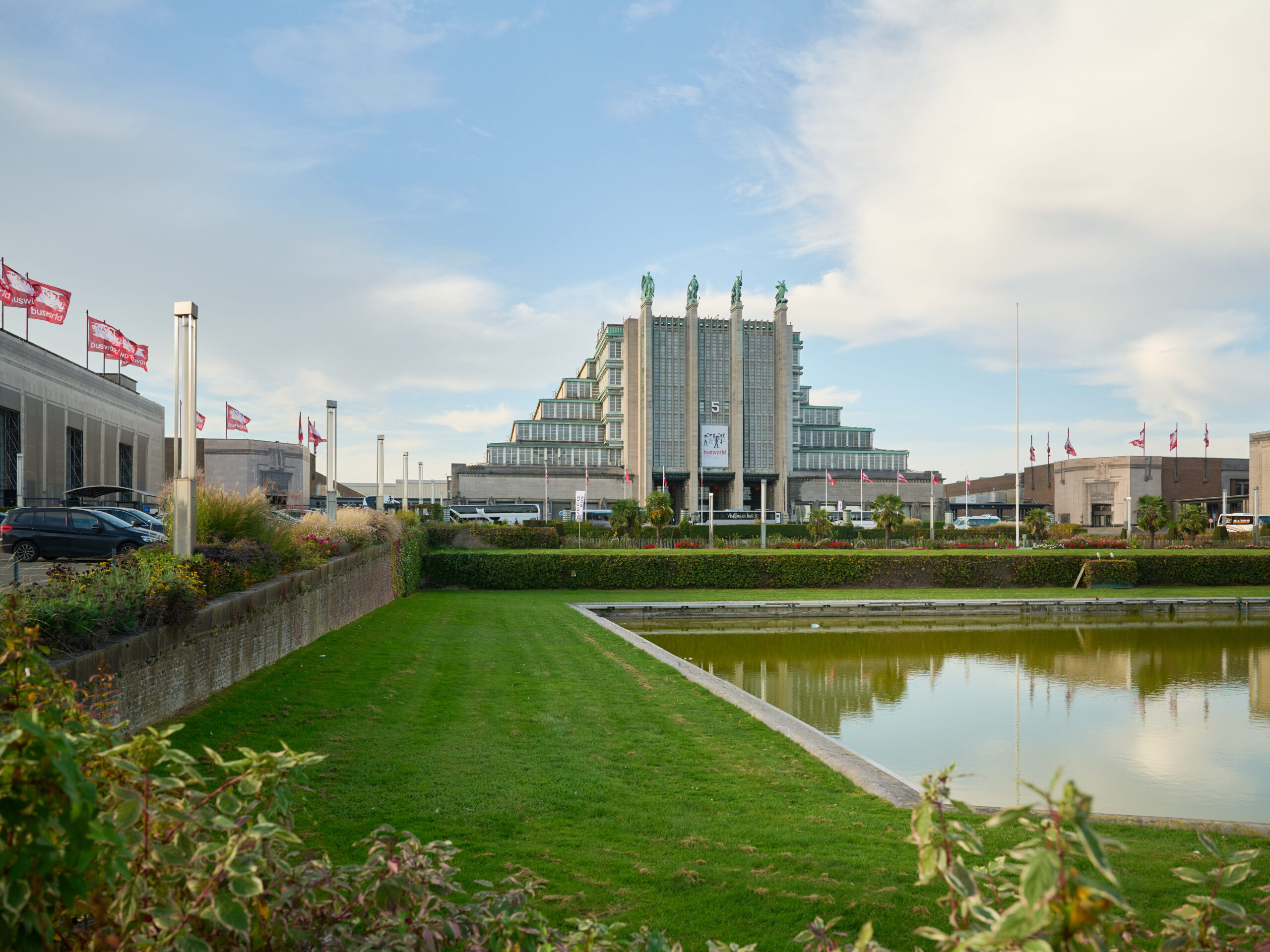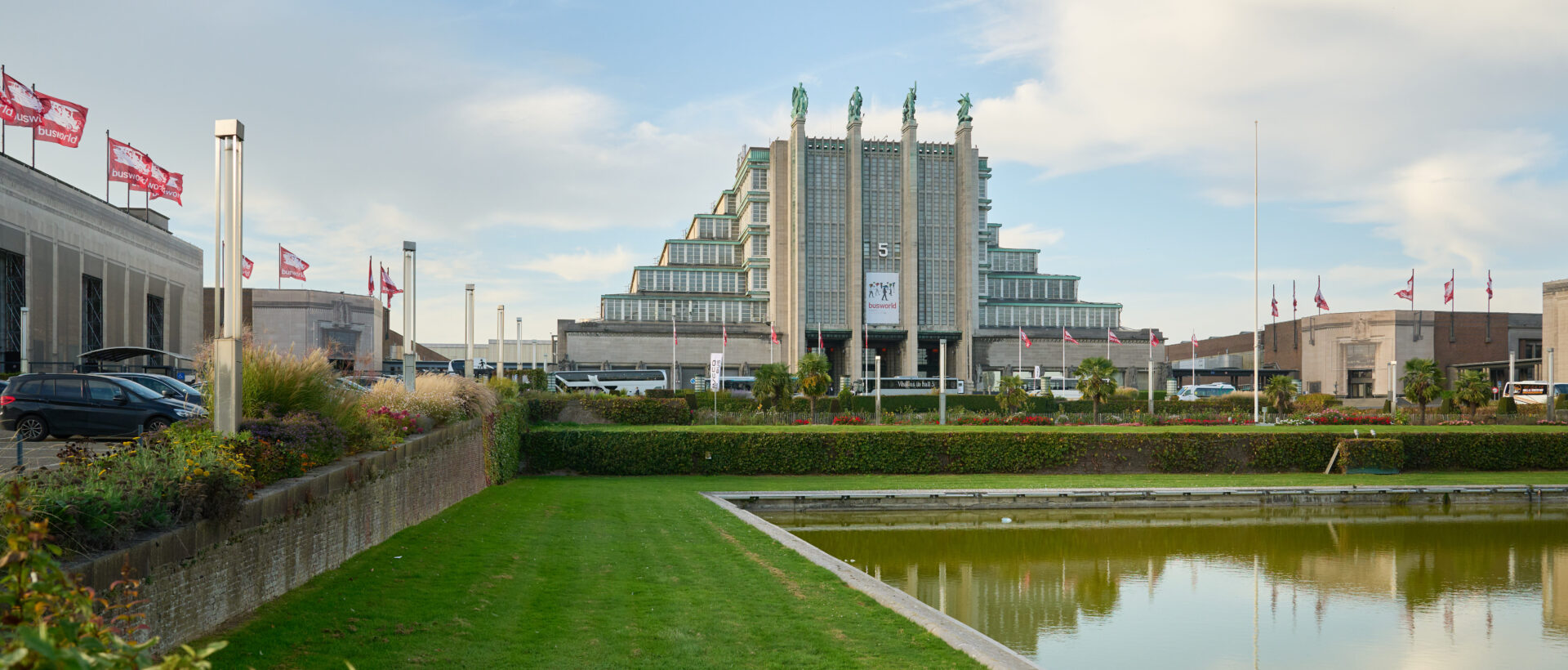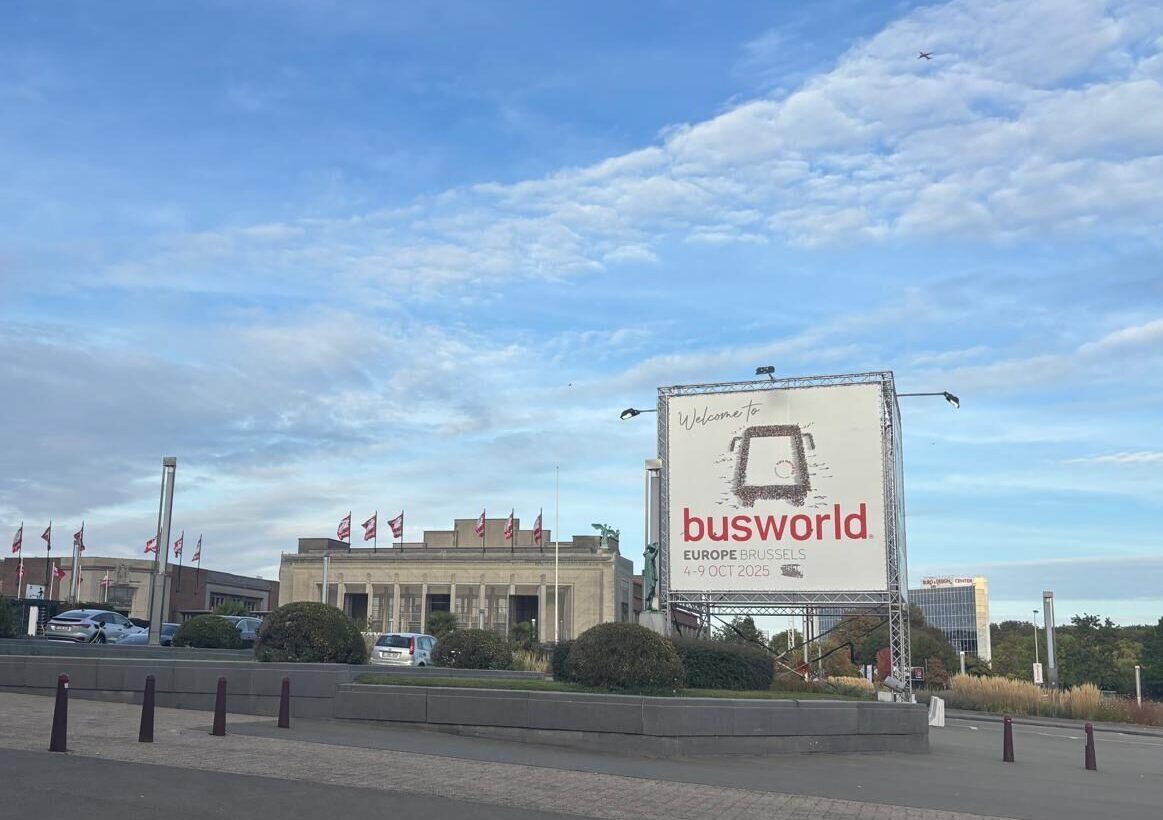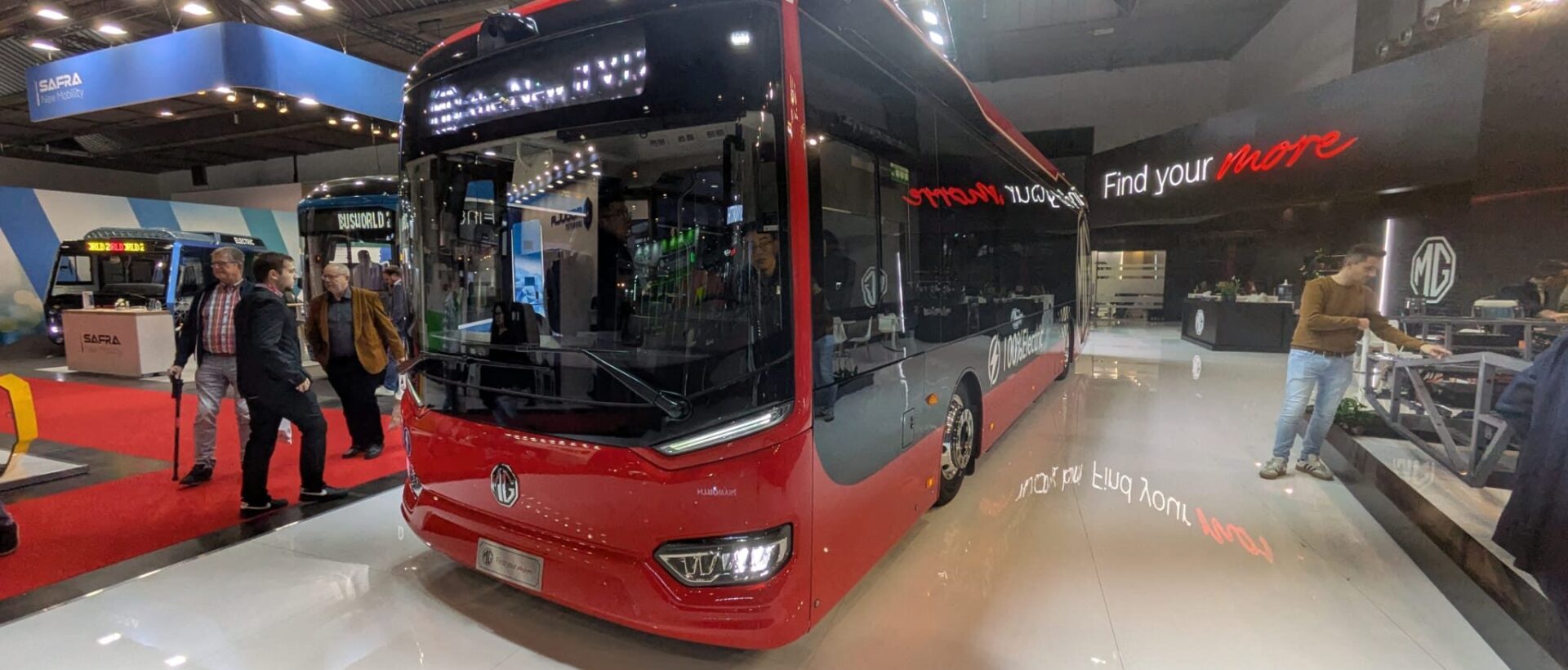
It has been just over a month since the sixth edition of the European Zero Emission Bus Conference, organised by ERM – Environmental Resources Management and Busworld Foundation, wrapped up in Brussels alongside Busworld Europe 2025.
The ZEB conference brought together more than 90 expert speakers including representatives of European ministries, bus operators, transport authorities, leading associations, researchers, and industry pioneers. As well as over 350 attendees from across the ZEB supply chain – including OEMs, component providers, infrastructure providers/integrators, and data analytics companies.
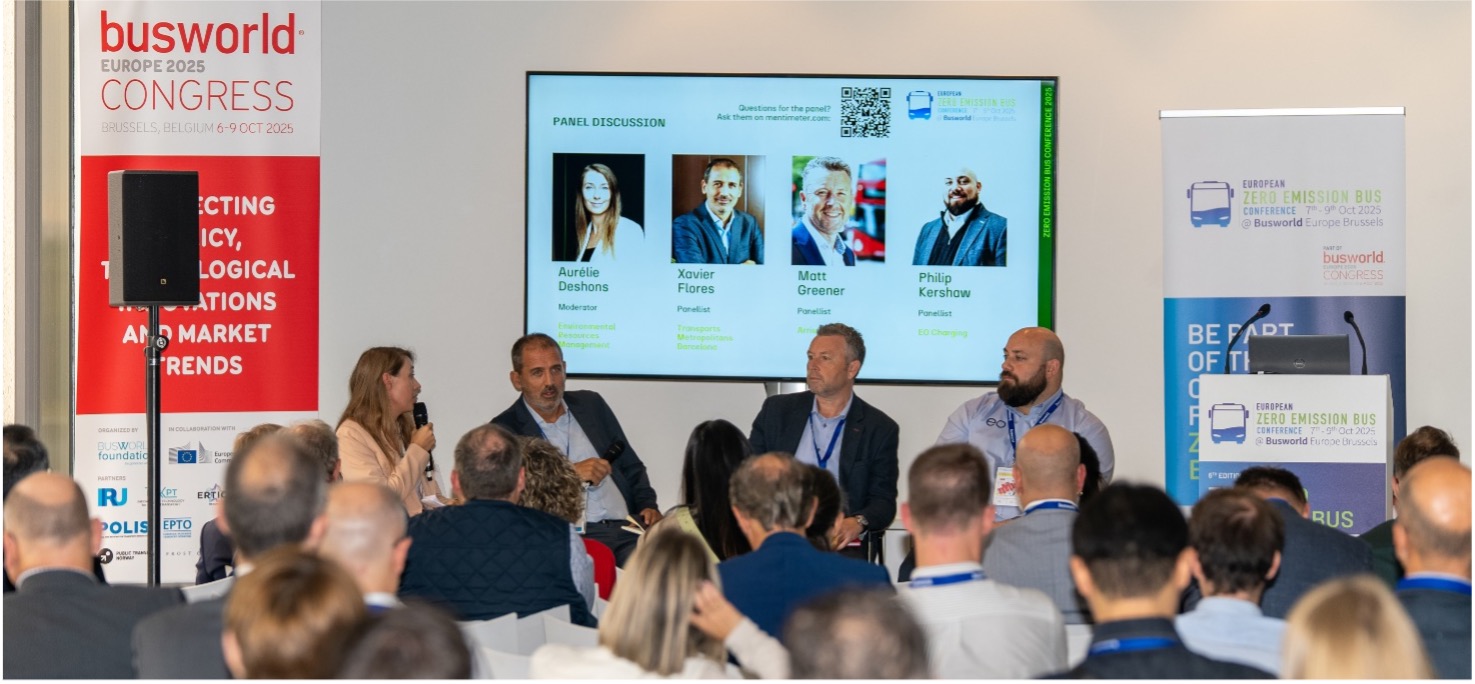
The sold-out networking dinner proved to be a standout success bringing together over 400 participants and in a vibrant and engaging atmosphere. SympH2ony took part in an insightful discussion with DG MOVE and Busworld Foundation exploring the intersection of EU mobility policy, sustainable transport innovation and industry collaboration, moderated by ERM.
In 13 sessions taking place over 2.5 days, stakeholders explored the latest developments and innovations in zero-emission fleet deployment, examined sector challenges and proposed solutions across technology, work force, and policy related topics.
Key takeaways of from ZEB 2025:
- The European zero-emission bus market continues to expand rapidly with electric bus sales surpassing those of diesel models (58% vs 32), and 83% of zero-emission buses sold in the EU are manufactured in Europe. National examples from the German Federal Ministry for Transport and the Austrian Ministry of Innovation, Mobility and Infrastructure illustrated strong policy and funding support driving market uptake.
- For operators, batteries are still largely a “black box” – they lack direct access to the data needed to fully understand battery health, performance, and status. This makes transparent, reliable data sharing and ongoing collaboration with OEMs essential. Prioritising safety in battery management, and innovative second-life management are crucial for sustainable and reliable electric bus operations.
- Universal access to high-quality, standardised operational data is critical; the EU Data Act and ongoing standardisation efforts are expected to empower operators, improve collaboration, and support better financial and operational outcomes.
- Some of Europe’s leading public transport organisations engaged in discussions on ‘Organisational Change and Real-World Performance of Zero Emission Buses’, including from the UK (The Go-Ahead Group), Norway (Ruter, Unibuss), Germany (WSW – Wuppertal), Spain (EMT Madrid) and Ireland (Translink). Successful integration of ZEBs demands significant organisational adjustments, and the redesign of fleet deployment strategies, route planning, and recharging or refuelling logistics.
- Operational high standard hydrogen refuelling stations still face challenges, particularly the pricing and reliability. Addressing these issues requires robust, well-sized stations, experienced providers, and a focus on system dependability to encourage wider adoption of hydrogen mobility.
- Charging infrastructure must adopt early planning and be tailored to local conditions, taking into account the most effective use of evolving charging technology.
- High-level policymakers and institutional leaders from the European Commission, including DG International Partnerships, CINEA as well as from Transdev and the European Investment Bank (EIB) confirmed that accessing finance requires strategic partnerships and coherent frameworks.
- ACEA (European Automobile Manufacturers’ Association) spoke about the future of manufacturing ZEBs in Europe and said meeting the EU’s 2030 CO₂ reduction target of -43% will require approximately 1/3 of bus production to be zero-emission. Achieving this goal depends on supportive policies and investment to maintain European manufacturing competitiveness amid global price pressures. Projections show that between 2025 and 2030, around 48,000 electric urban buses and 20,000 electric intercity buses and coaches will enter the European market. Meeting EU targets will require major policy support and investment to maintain European manufacturing competitiveness amid global price pressures. A fruitful discussion followed with inputs from Transdev, ACEA and Vervoerregio Amsterdam providing a range of opinions.
📘 Read more about the ZEB Conference’s key outcomes here: ZEB 2025 – Conference report
🖥️ View the slides from the ZEB Conference presentations here: Zero Emission Bus Conference | Brussels, 7-9th October 2025

Valuable contributions from all those involved made this edition exceptional, with special recognition given to the sponsors, speakers, and all attendees who contributed to new insights, knowledge and connections.