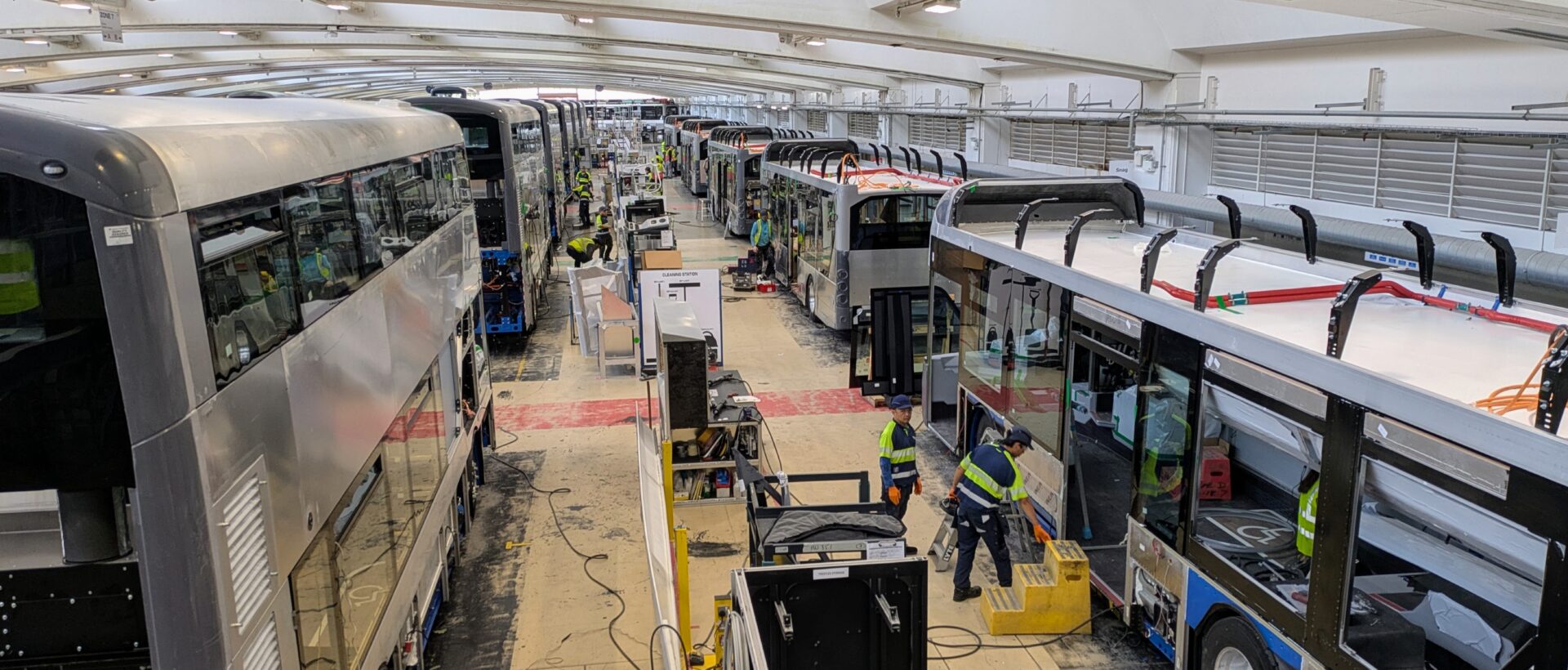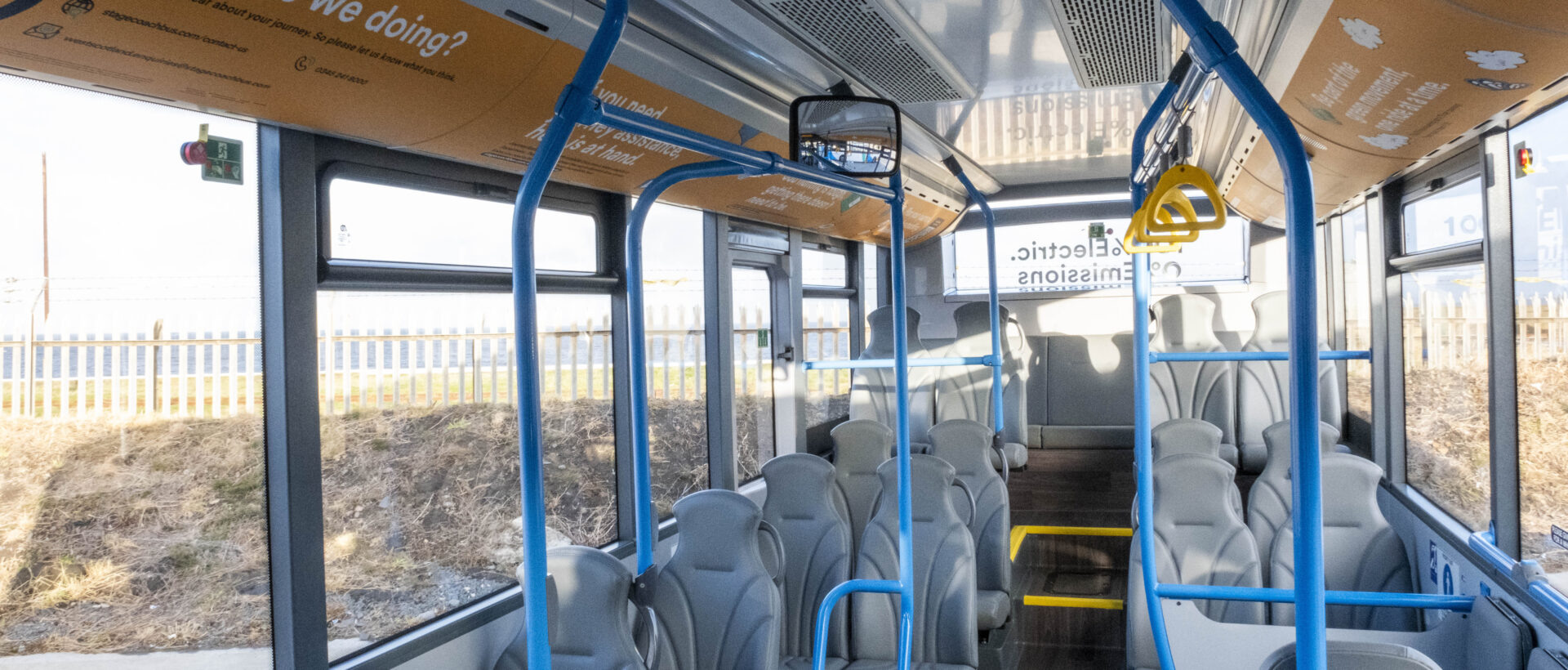
At a time when the UK economy is under pressure to strengthen domestic industries, the case for building buses in Britain and Northern Ireland remains highly significant. Manufacturing sustains thousands of skilled jobs, while underpinning regional supply chains and engineering expertise.
With the industry in transition to zero-emission transport, ensuring that orders translate into work for UK factories is arguably central to economic resilience.
UK Bus Manufacturers
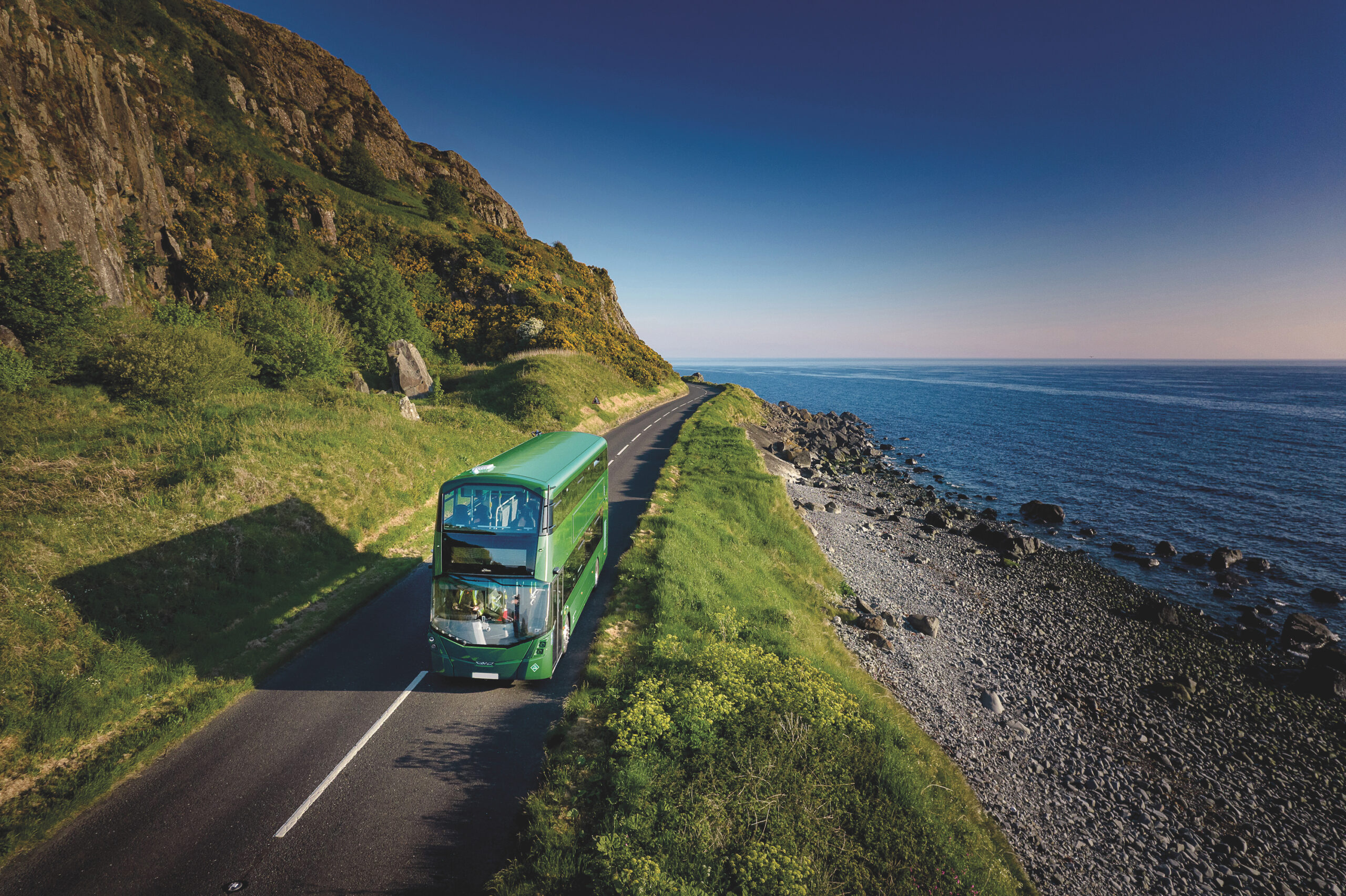
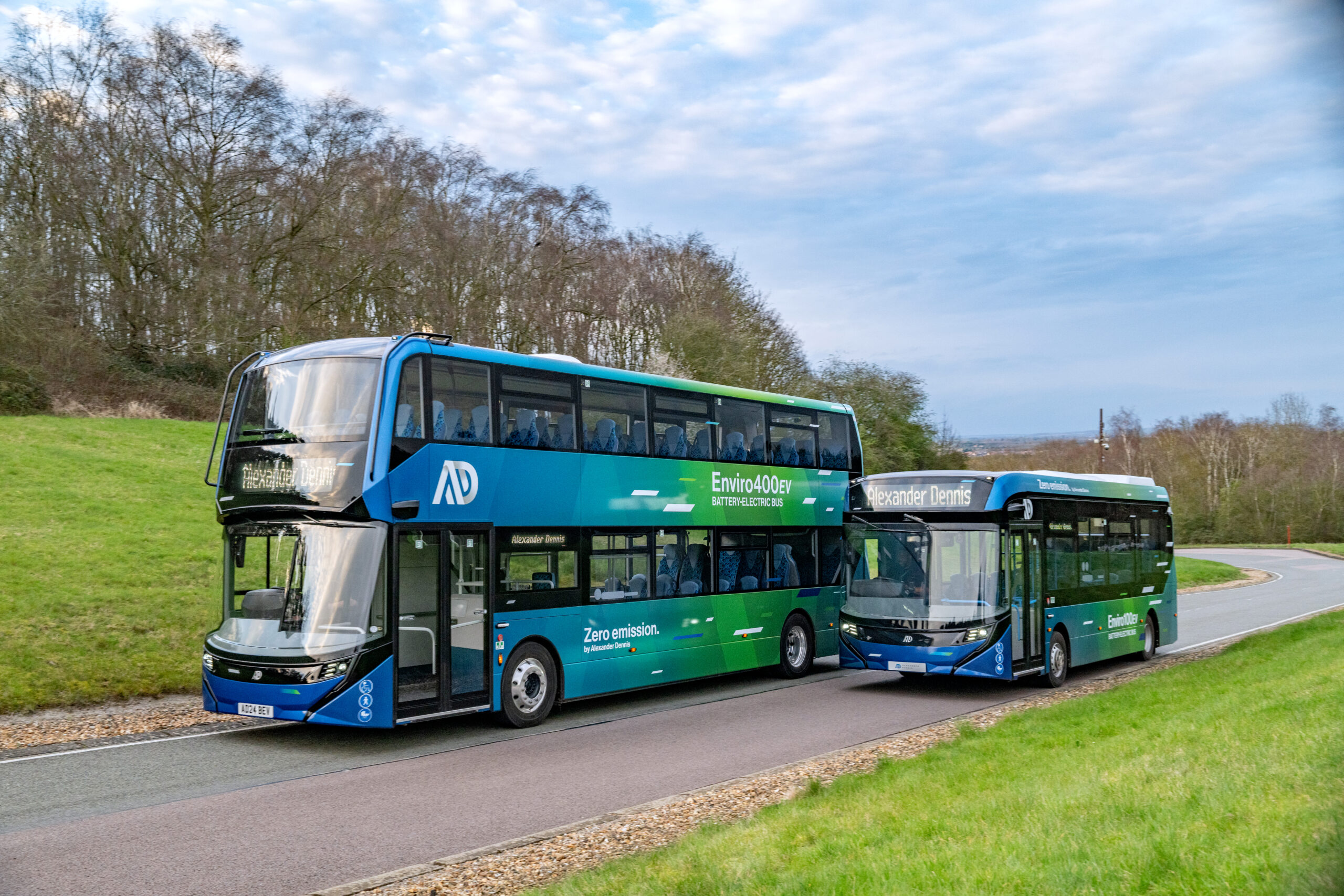
Three bus manufacturers are currently present in the UK: Switch Mobility, Alexander Dennis, and Wrightbus. However, Switch Mobility has recently gone bankrupt and is in the process of closing its UK factory at Sherburn-in-Elmet. Meanwhile, Alexander Dennis has introduced a furlough scheme for workers and received emergency help from the Scottish government earlier this month for its sites in Larbert and Falkirk to stay open.
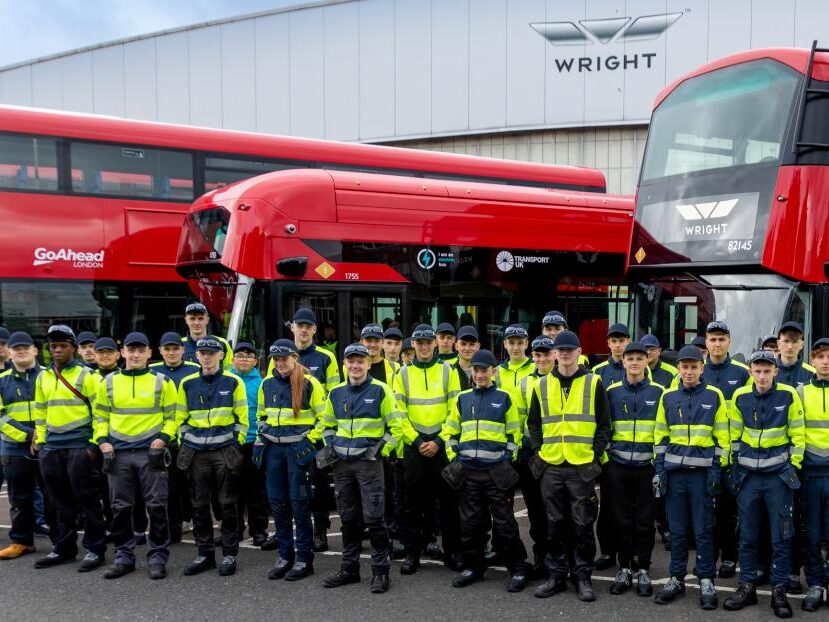
Wrightbus, now the leading UK bus manufacturer, has also undergone challenges. Founded in 1946, the company entered administration in 2019. Production was halted before the company was rescued later that year by green entrepreneur Jo Bamford. Under his ownership, Wrightbus restarted manufacturing and shifted its focus towards hydrogen and electric buses. Since then, the company has increased its workforce from 49 people to over 2,000 and is now manufacturing around 1,200 buses annually.
Despite Wrightbus’ ongoing success, the UK bus manufacturing sector is arguably vulnerable. With only two major companies operating domestically, the industry remains sensitive to financial pressures, policy changes, and market fluctuations. Switch Mobility’s departure and the precarious position of Alexander Dennis illustrate that even established manufacturers face significant risks. As a result, the sector’s future depends on stable demand, supportive government policies, and the ability of these companies to adapt to current market conditions.
Threats from Overseas
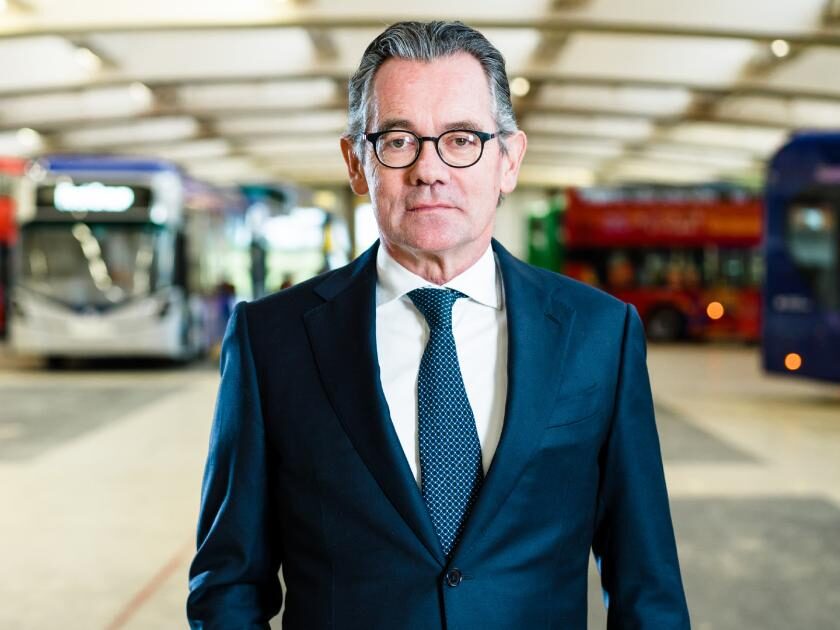
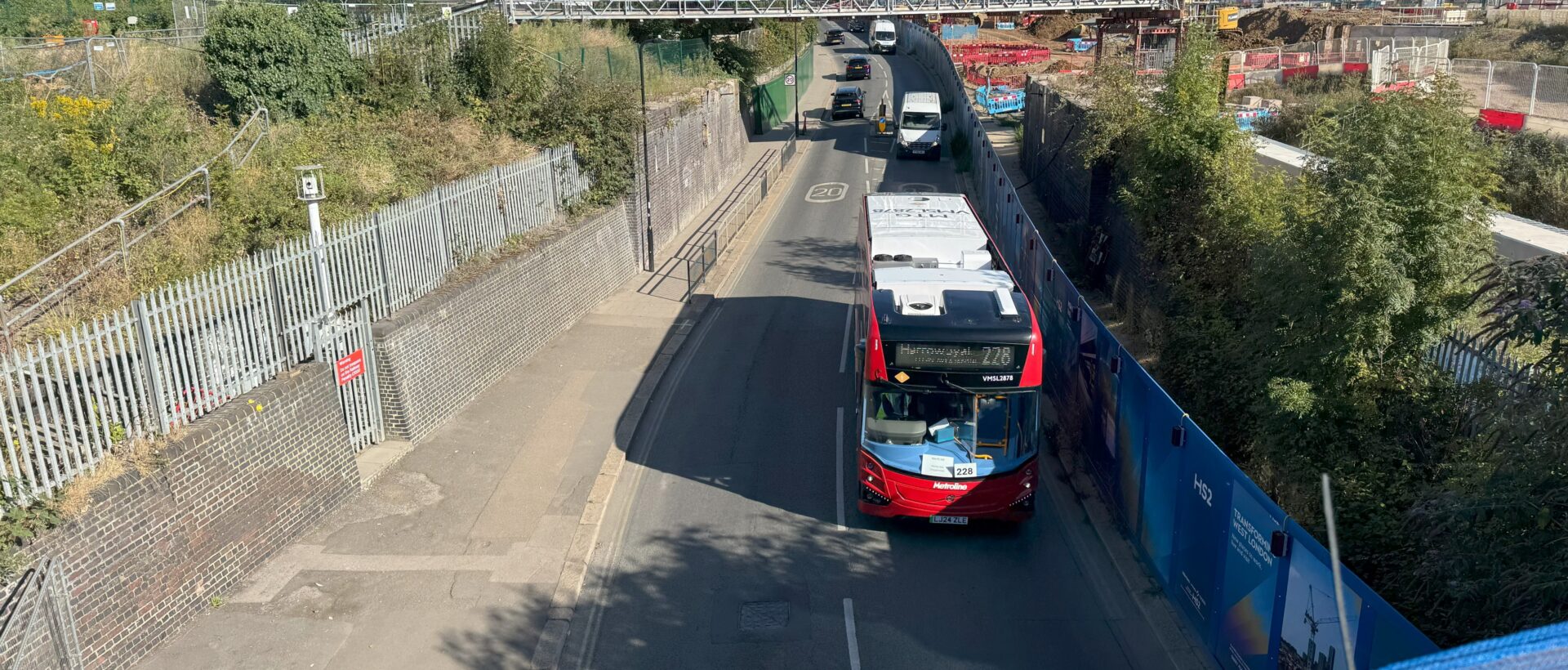
During a presentation at Wrightbus’ headquarters in Ballymena, Northern Ireland, Wrightbus CEO Jean-Marc Gales noted the growing need for UK manufacturers to be competitive with imports from China. Chinese electric buses from manufacturers such as BYD and Yutong currently have 27% of the UK market share, meaning that over a quarter of electric buses for the UK are being manufactured in China.
To stay competitive, Wrightbus is continuously working on improving efficiency and reducing costs.
In interview with Bus-News, Jean-Marc Gales said:Two years ago, we told suppliers that we were going to triple production, but they needed to give us something in return with lower costs. And they virtually all did that, meaning everybody profited. They got more revenue, and in the end, they also increased their profits. Because growth is the main driver.
To further support growth in British manufacturing, government support is imperative. However, despite the Chancellor repeatedly stressing the importance of domestic industries, these words have arguably not translated into concrete action. Indeed, the government’s Zero Emission Bus Regional Areas (ZEBRA) scheme awarded approximately 413 million GBP for the purchase of zero-emission buses in England, yet a significant portion of this funding was used to purchase buses from Chinese manufacturers, thus limiting the domestic benefits of the investment. This contrasts with schemes such as ‘Buy America’ in the US, where federal funding can only be used to buy vehicles produced in the US.
What’s more, with ZEBRA funding now dried up, UK bus manufacturers and operators face renewed uncertainty. Without a follow-on programme or similar funding mechanism, domestic companies may struggle to secure orders needed to maintain production and employment levels. In addition, the transition to zero-emission buses is likely to slow down, with Wrightbus predicting a renewed uptake in diesel orders.
Expanding Product Offerings
To address the financial challenges and provide operators with more flexible solutions, Wrightbus launched its NewPower repowering business in 2024, offering a cost-effective alternative to purchasing new vehicles. Earlier this year, Alexander Dennis followed suit through a partnership with KleanDrive.
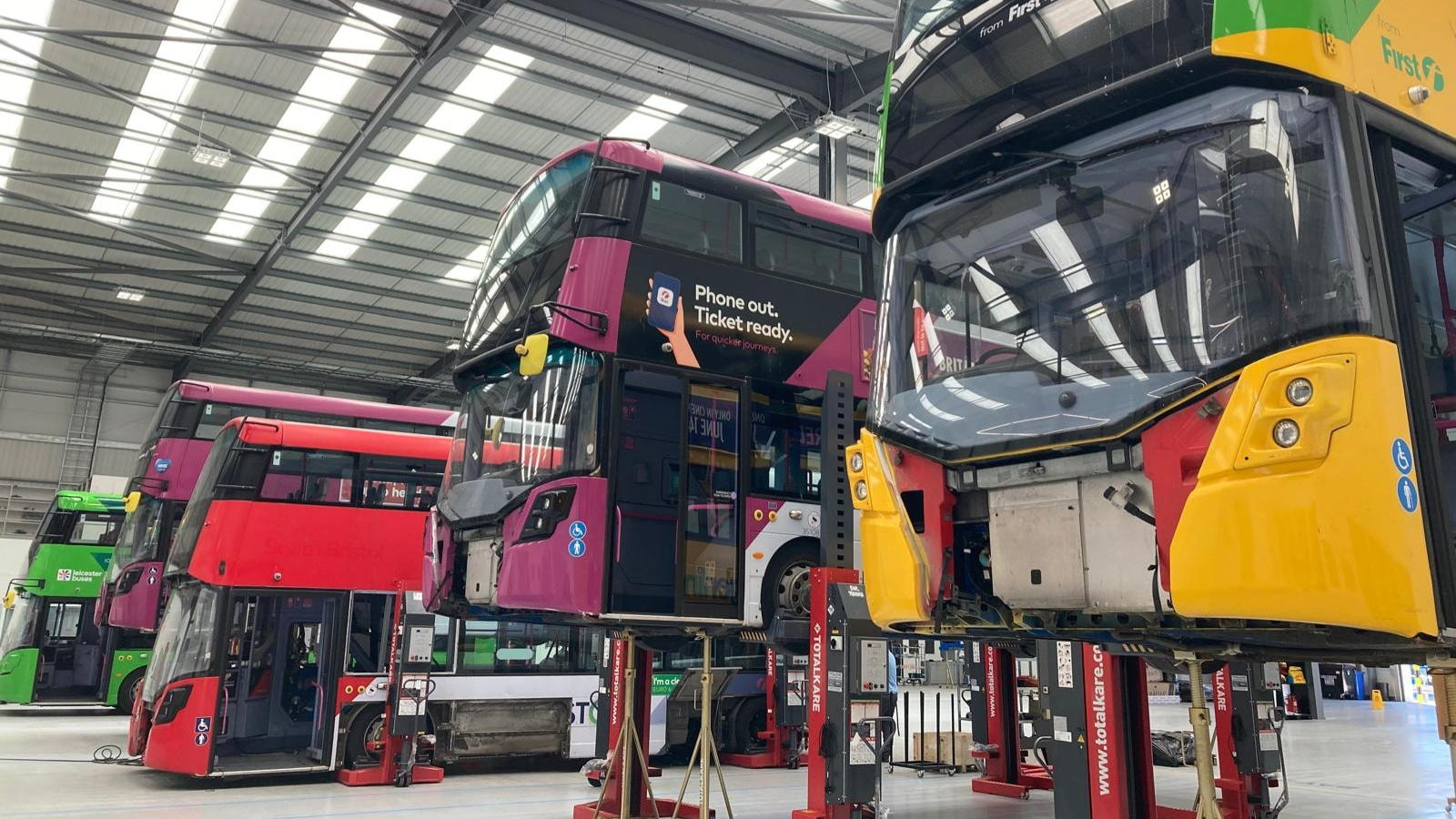
Repowering existing buses offers several benefits, extending the service life of vehicles while reducing emissions and fuel costs. Repowered buses can also be deployed more quickly than new vehicles, helping operators meet immediate environmental targets. However, there is currently no government funding available to support operators in repowering their fleets. This limits the potential uptake of the technology despite its practical and environmental advantages.
In addition to repowering buses, Wrightbus most recently launched its repowered electric truck, extending its zero-emission activities beyond the bus sector to strengthen its business. Wrightbus reports that more than 90% of the truck’s electric driveline is shared with its battery-electric bus products, allowing the company to leverage existing technology and supply chains.
This new product opens up a significant market for the manufacturer, with 625,000 trucks currently in operation in the UK and only 1% of vehicles electrified.
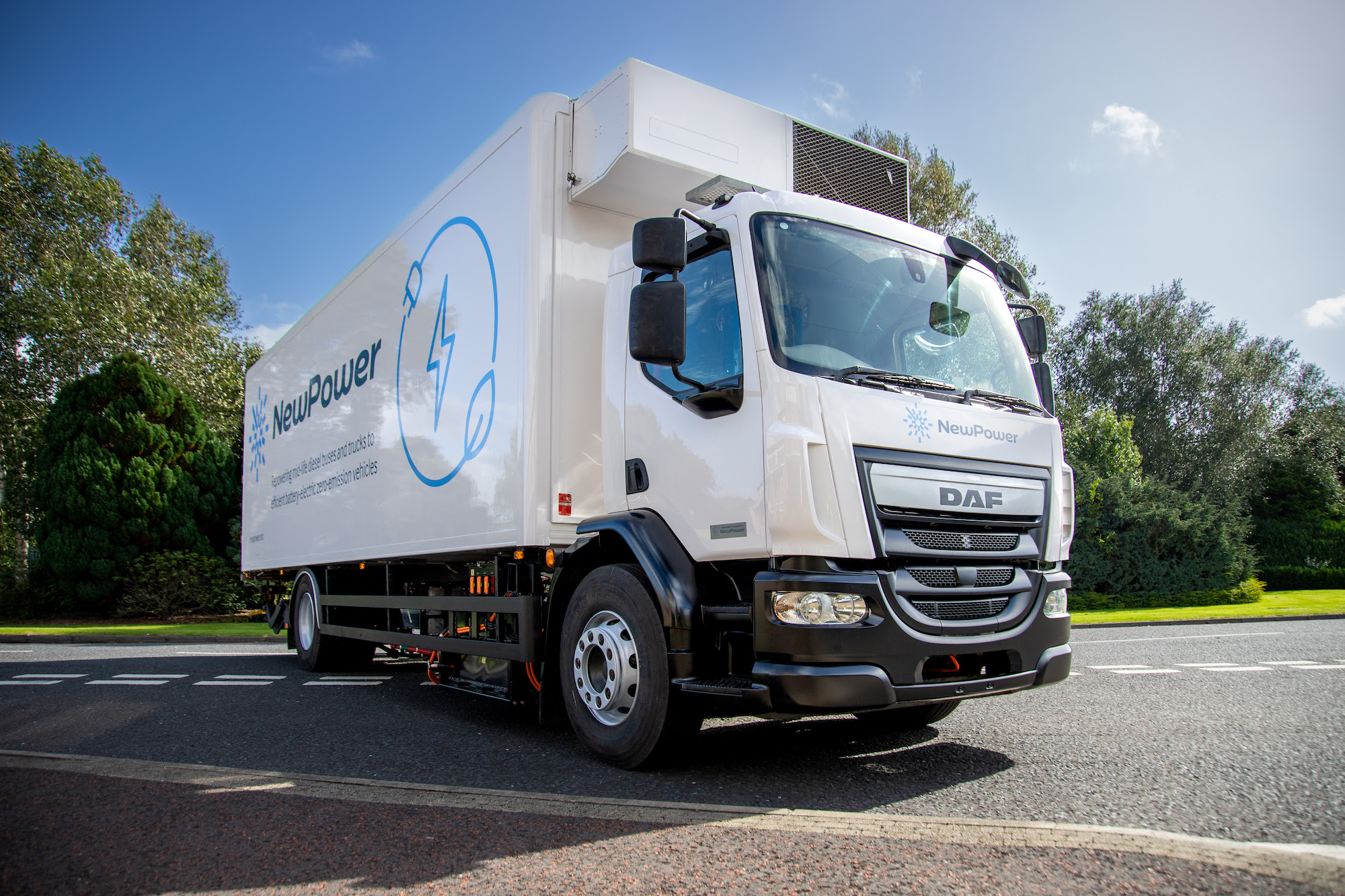
The repowered 19-tonne twin-axle DAF truck was selected because of its similarities to bus duty cycles, including predictable routes and back-to-base operations. Although Wrightbus acknowledges that a lack of charging infrastructure is currently a barrier to decarbonising the truck sector, the company asserts that it successfully worked with operators to overcome this challenge for the buses, and the same can therefore be achieved for trucks.
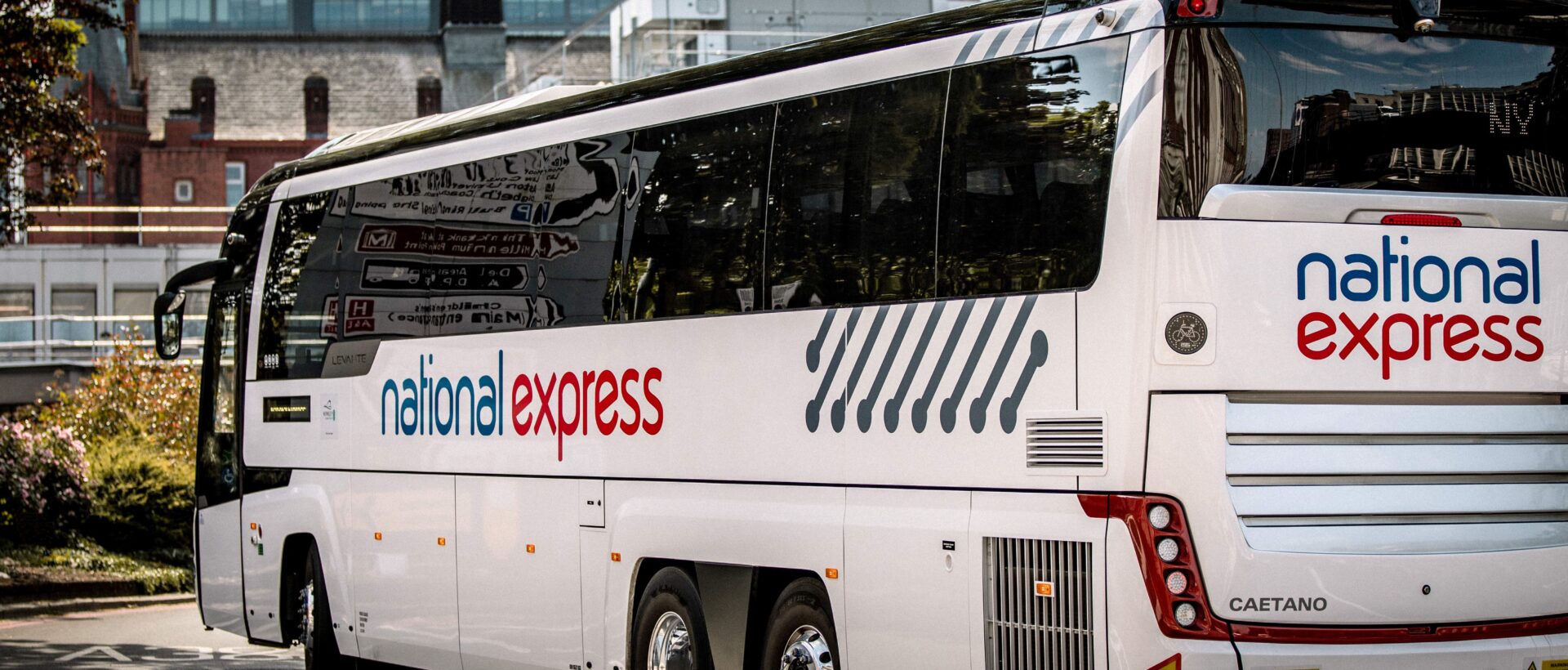
In addition, many trucks also share operational traits and charging requirements with the coach industry, making this a potential complementary market for zero-emission technologies. As Wrightbus is currently the UK’s only manufacturer of coaches, it is well-positioned to tackle this future demand. Indeed, Jean-Marc Gales alluded to Wrightbus’ plans to launch a hydrogen coach in 2026 to provide long-distance, zero-emission transport.
Together, these initiatives not only demonstrate the agility and innovation of British manufacturers but also underline how the UK’s manufacturing base is increasingly poised to meet future demands across buses, trucks, and coaches—securing a strong role in the transition to zero-emission transport.
Overseas Business
Alongside building buses in the UK, for the UK, British and Northern Irish manufacturing is further strengthened when orders can be shipped internationally. For Wrightbus, this is reflected by a series of initial orders to supply 130 hydrogen buses in Germany, alongside further European expansion plans. This includes an expansion of its repower business, which Jean-Marc Gales states is fully scalable and can be built up anywhere in 6-9 months.
What’s more, Wrightbus also has a factory in Malaysia and views countries such as Singapore and Hong Kong as key target markets for double-decker buses. Notably, this ambition to expand internationally mirrors the manufacturing activities of Alexander Dennis, which also produces double-decker buses for Asia, as well as North America.
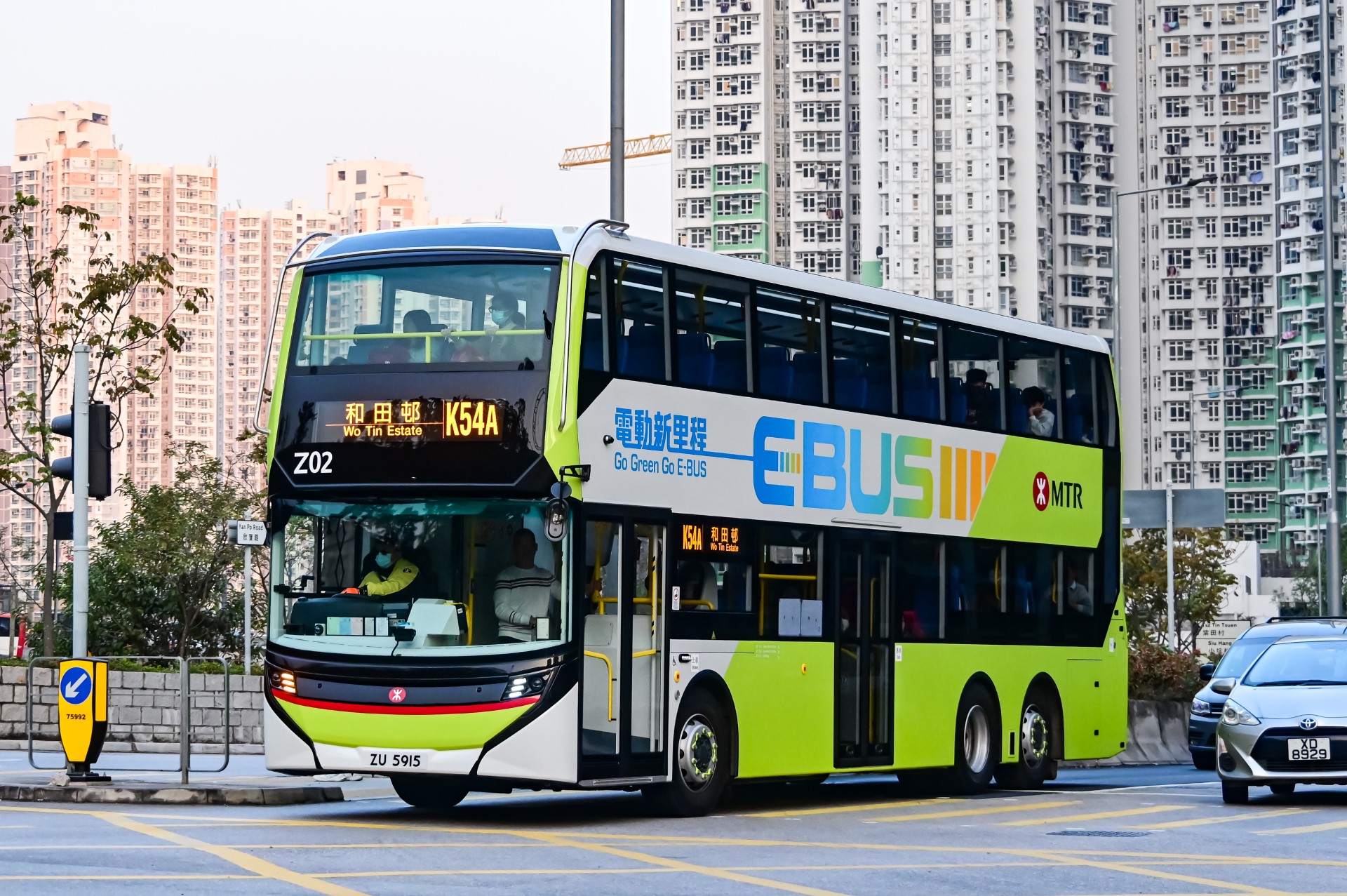
As such, British bus manufacturing has the potential not only to sustain thousands of skilled jobs at home but also to play a defining role in the global transition to cleaner transport.
However, if the UK is serious about strengthening its industrial base and accelerating the shift to zero-emission transport, targeted support for domestic manufacturers is essential. This means ensuring that funding schemes translate into tangible work for UK factories, building resilience into supply chains, and supporting exports as a driver of long-term growth.
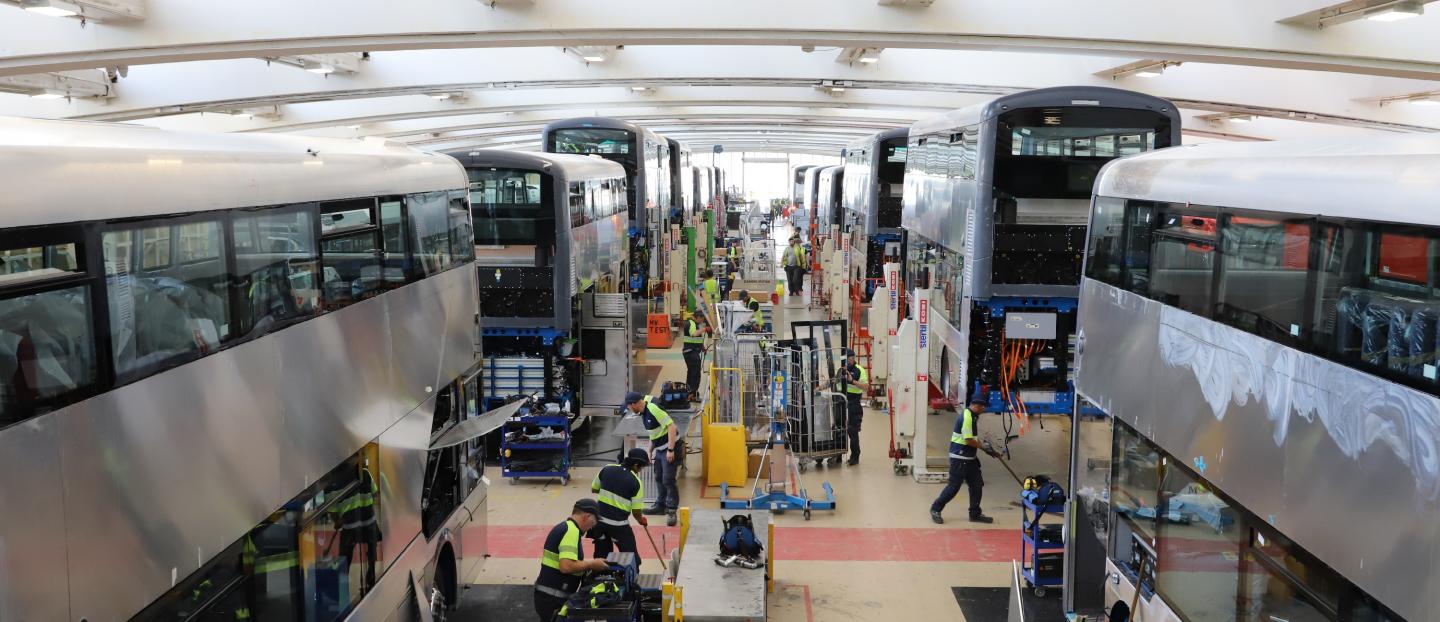
For more information about Wrightbus’ manufacturing activities in Northern Ireland, take a peek into its Ballymena factory.