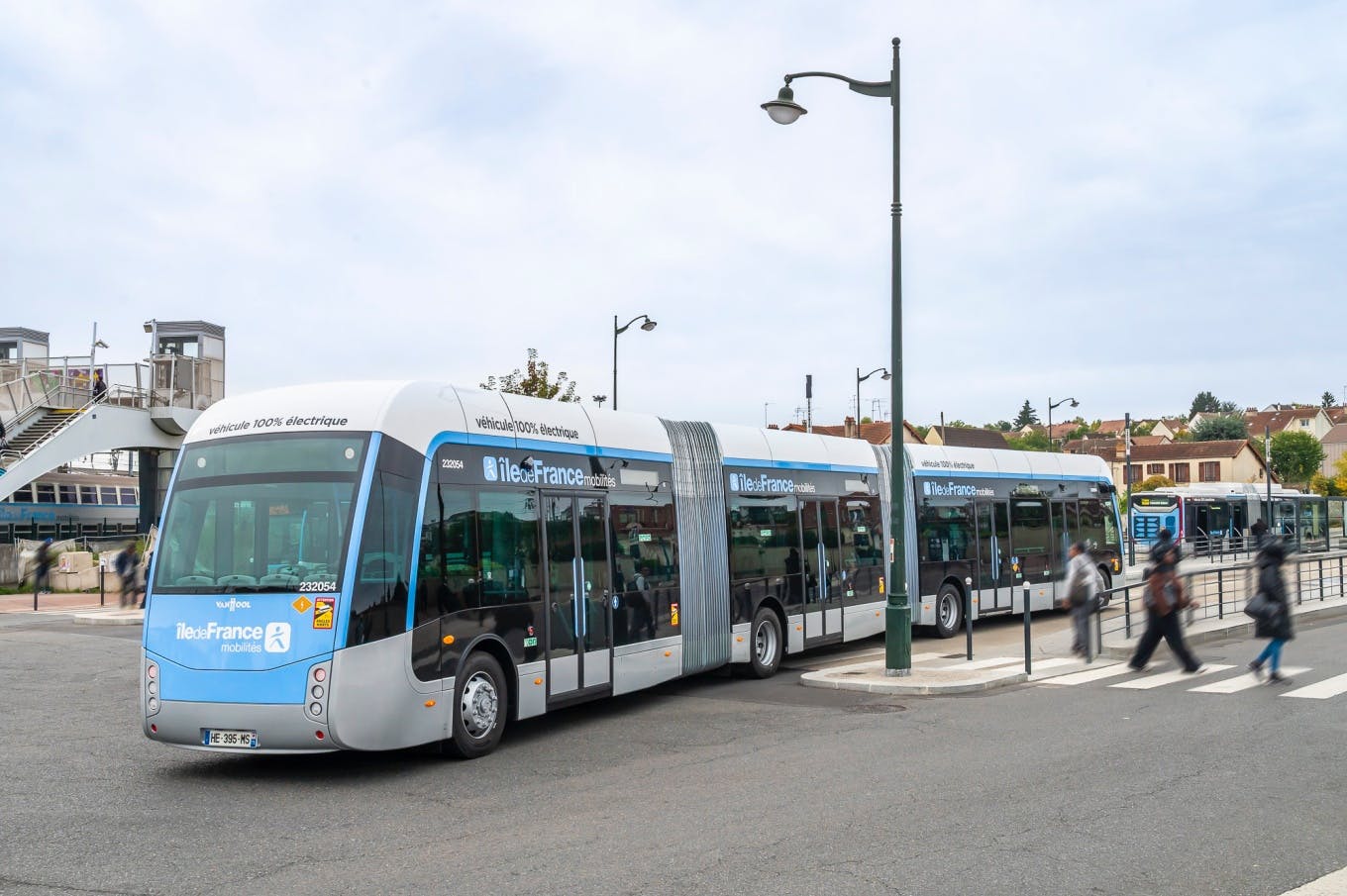
BasiGo has reached a significant milestone, announcing the deployment of its 100th electric bus across Kenya and Rwanda in East Africa.
The company began operations in 2022 with two vehicles in Nairobi and has gradually expanded its fleet to cover public transport services in both Nairobi and Kigali.
This development positions BasiGo as one of the largest operators of electric buses in Sub-Saharan Africa. The company’s buses are integrated into existing public transport networks and are supported by a Pay-As-You-Drive financing model, which aims to make electric mobility more accessible to local operators.
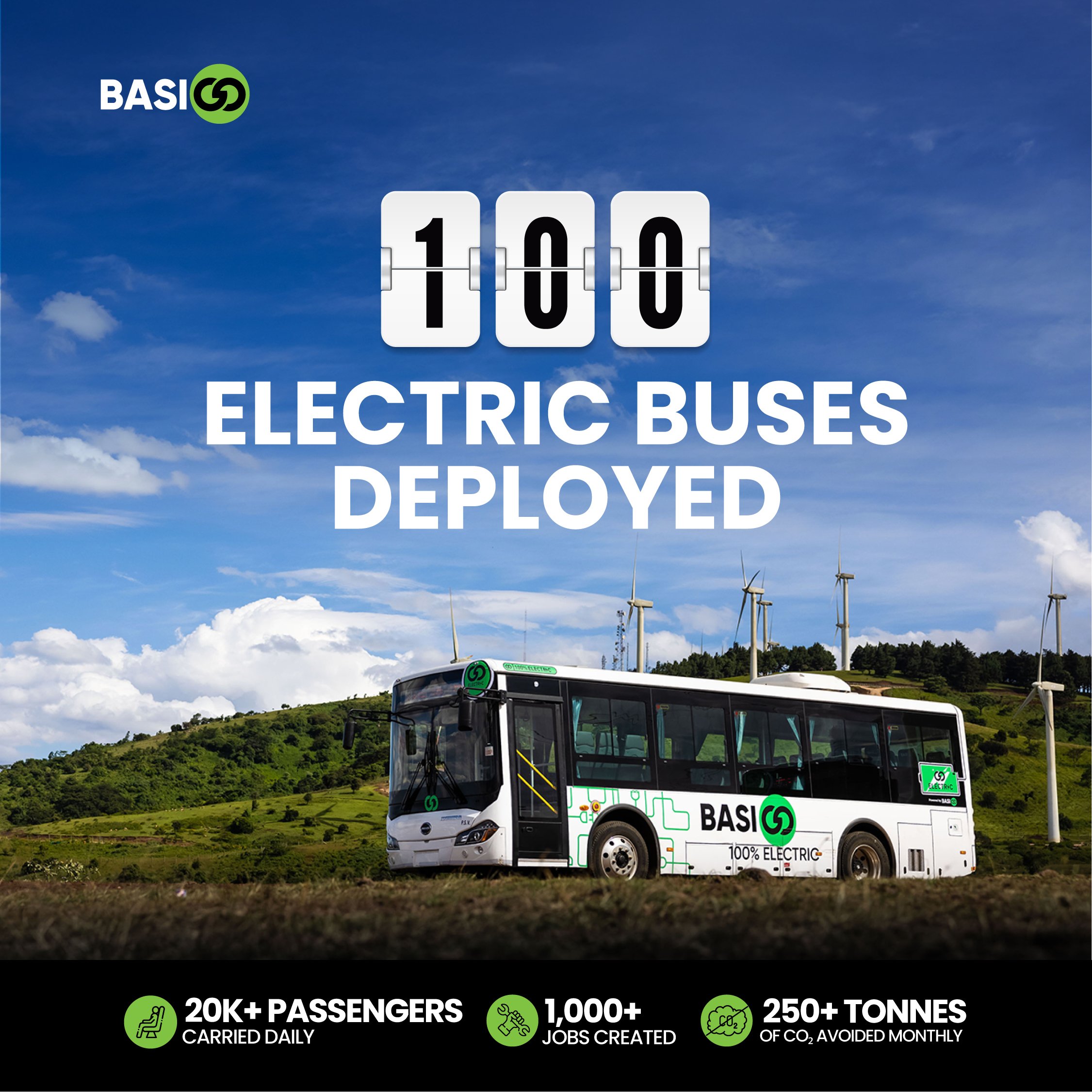
According to BasiGo, the current fleet collectively transports over 20,000 passengers daily and supports more than 1,000 jobs across its operational and supply chain activities. The shift from diesel to electric buses is estimated to avoid the consumption of approximately 5,000 litres of diesel each day and to reduce carbon dioxide emissions by an estimated 250 tonnes each month.
BasiGo’s operations draw on East Africa’s relatively high share of renewable electricity, largely sourced from hydropower and geothermal. This renewable energy backbone is an important factor in reducing lifecycle emissions and making the transition to electric public transport more environmentally effective.
Looking ahead, the company has indicated plans to continue scaling its operations, with a target of 1,000 electric buses in the region. While challenges remain in terms of infrastructure, financing, and policy support, BasiGo’s 100-bus milestone reflects growing momentum behind electrified transport in African urban centres.