17, April 2026: As the industry marks the first-ever World Public Transport Day led by UITP, Snapper Services is calling on transport authorities and operators to embrace data-driven benchmarking as a practical route to improving performance, efficiency and passenger experience.

With increasing pressure to deliver more with limited resources, the company argues that the answers already exist within the vast amounts of operational data collected across networks, but that many organisations still struggle to turn that data into actionable insight.
Miki Szikszai, CEO of Snapper Services, said:
Public transport organisations are incredibly data-rich, but often insight-poor.
Teams aren’t just swimming in data; they’re drowning in it. The real opportunity lies in turning that data into clear, usable information that supports better decisions.
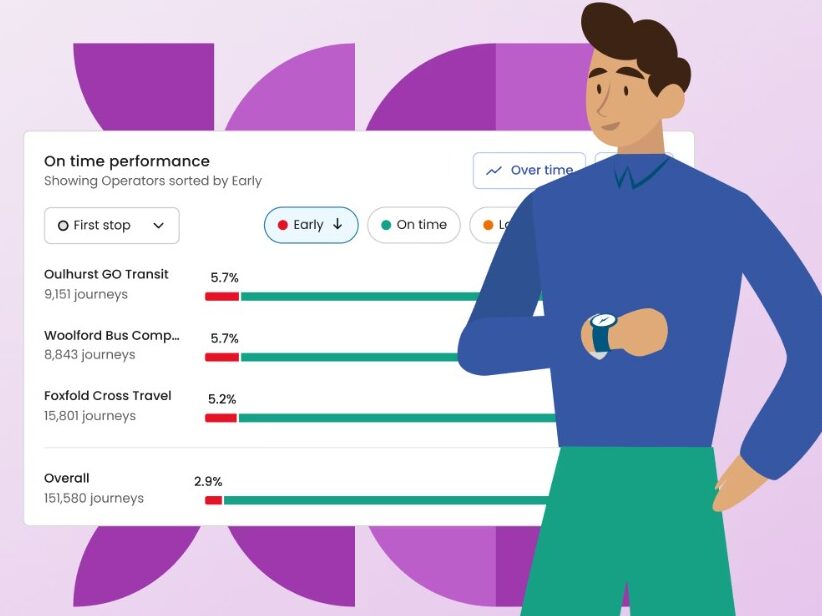
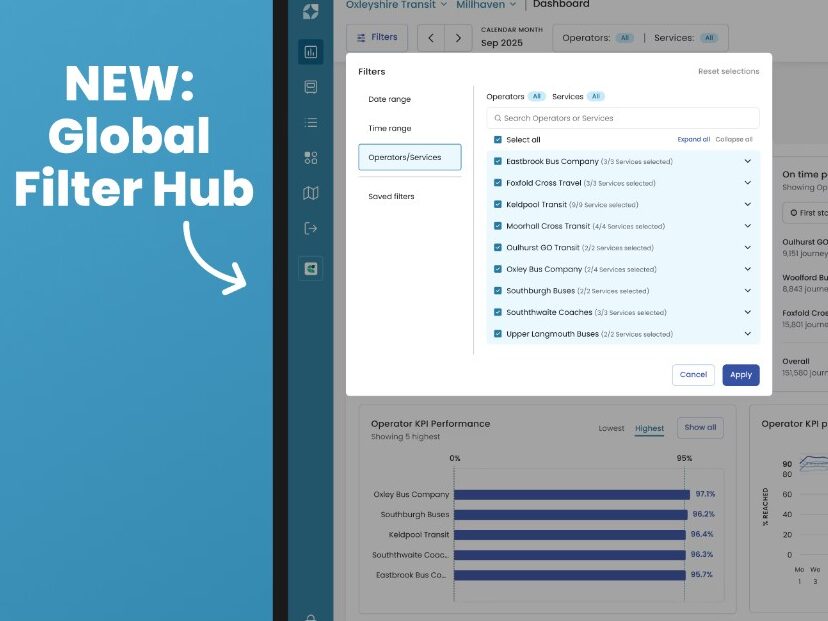
To address this challenge, Snapper Services has developed the Mosaiq Transit Intelligence Suite, a data analytics platform designed to help authorities and operators better understand, manage and optimise their networks. As part of this broader effort, the company has recently introduced the Mosaiq Global Public Transit Index (GPTI), a free, open benchmarking resource built using open data from more than 1,000 locations worldwide.

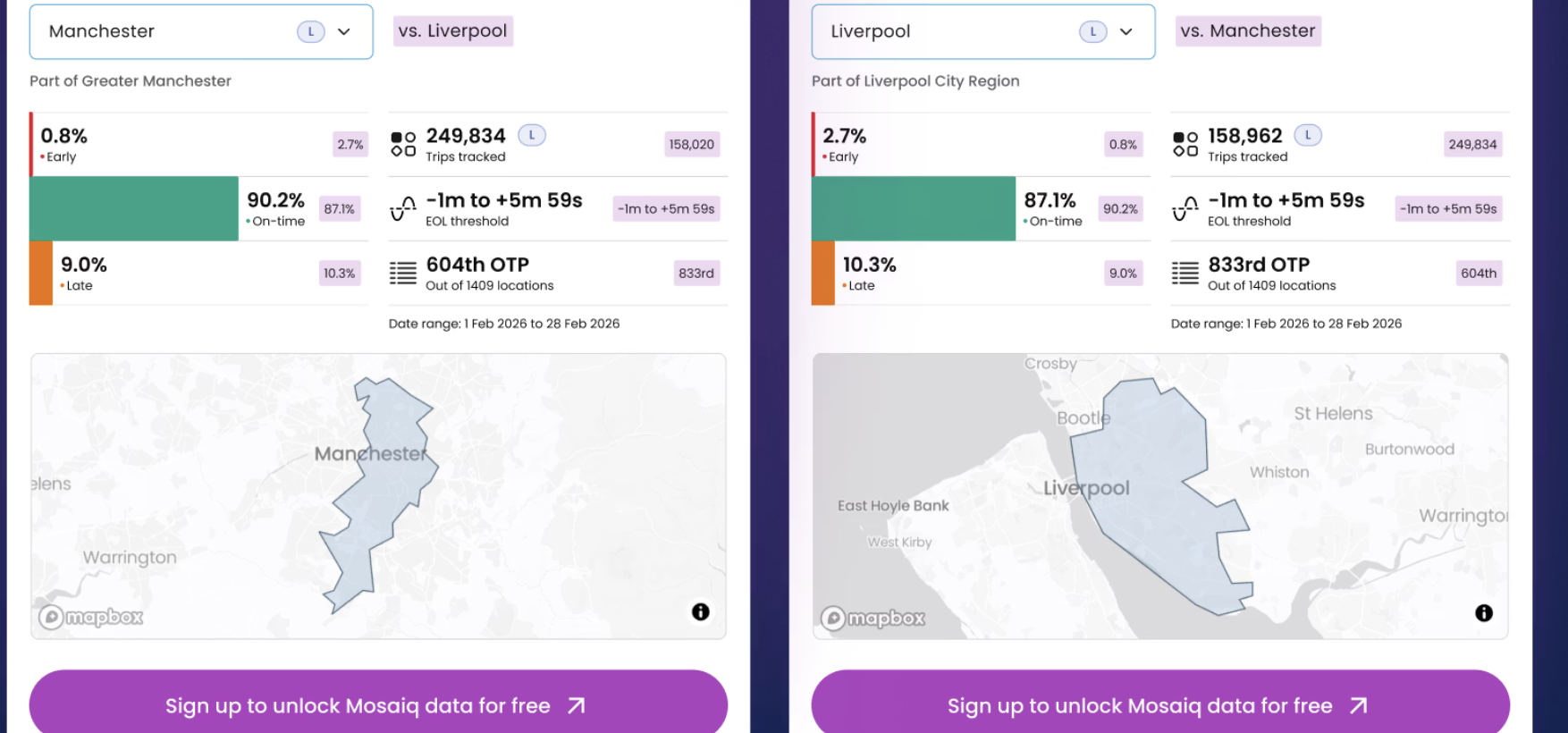
The GPTI enables users to explore performance dynamically, compare networks at multiple levels and identify peers facing similar operational and demand conditions.
Unlike traditional benchmarking approaches, which often rely on static reports and disconnected datasets, the GPTI offers a live, contextual view of performance. This allows users to better understand their results in context and make more meaningful comparisons with similar networks.
Crucially, Snapper Services stresses that benchmarking should not be viewed as a league table exercise.
Szikszai said:
In this sense, benchmarking is less about competition and more about collaboration.
It’s about helping authorities understand which networks they should be learning from, and how small, evidence-based improvements can be made over time.
The GPTI is designed to support a culture of continuous improvement, encouraging operators and authorities to focus on realistic, incremental gains rather than headline rankings.
Szikszai added:
Real progress comes from consistent 1% improvements. By understanding your peer group and learning from comparable systems, you can make targeted changes that add up to meaningful performance gains over time.
Because the GPTI is built on open data, Snapper Services has made it freely available to support greater collaboration across the sector. The company believes this openness is key to helping authorities and operators share knowledge, identify best
Szikszai concluded:
Better benchmarking leads to better decisions.
And better decisions ultimately deliver better public transport for passengers.
This article was originally written by Snapper Services.