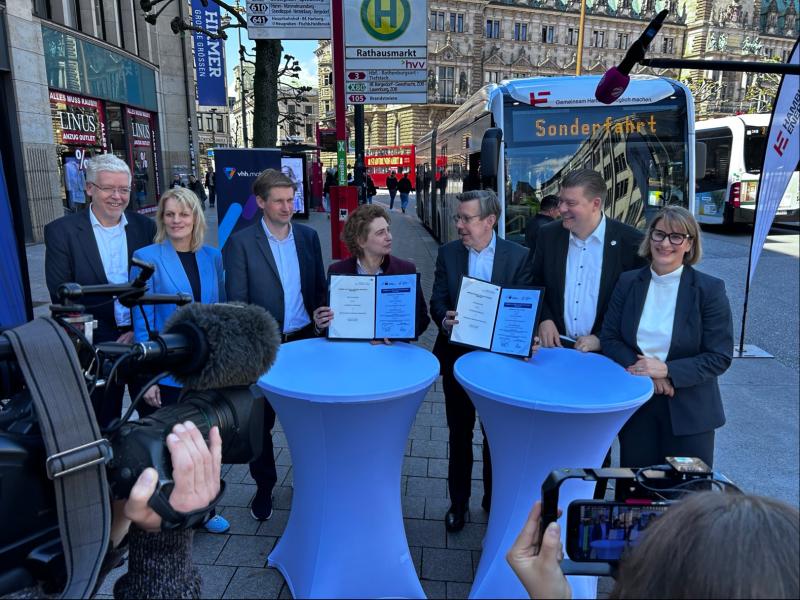
IRU – the International Road Transport Union – and the European Metropolitan Transport Authorities (EMTA) are urging the Irish Presidency and Members of the European Parliament (MEPs) to fix key provisions in the Industrial Accelerator Act’s proposed ‘Buy European’ rules for electric vehicles.
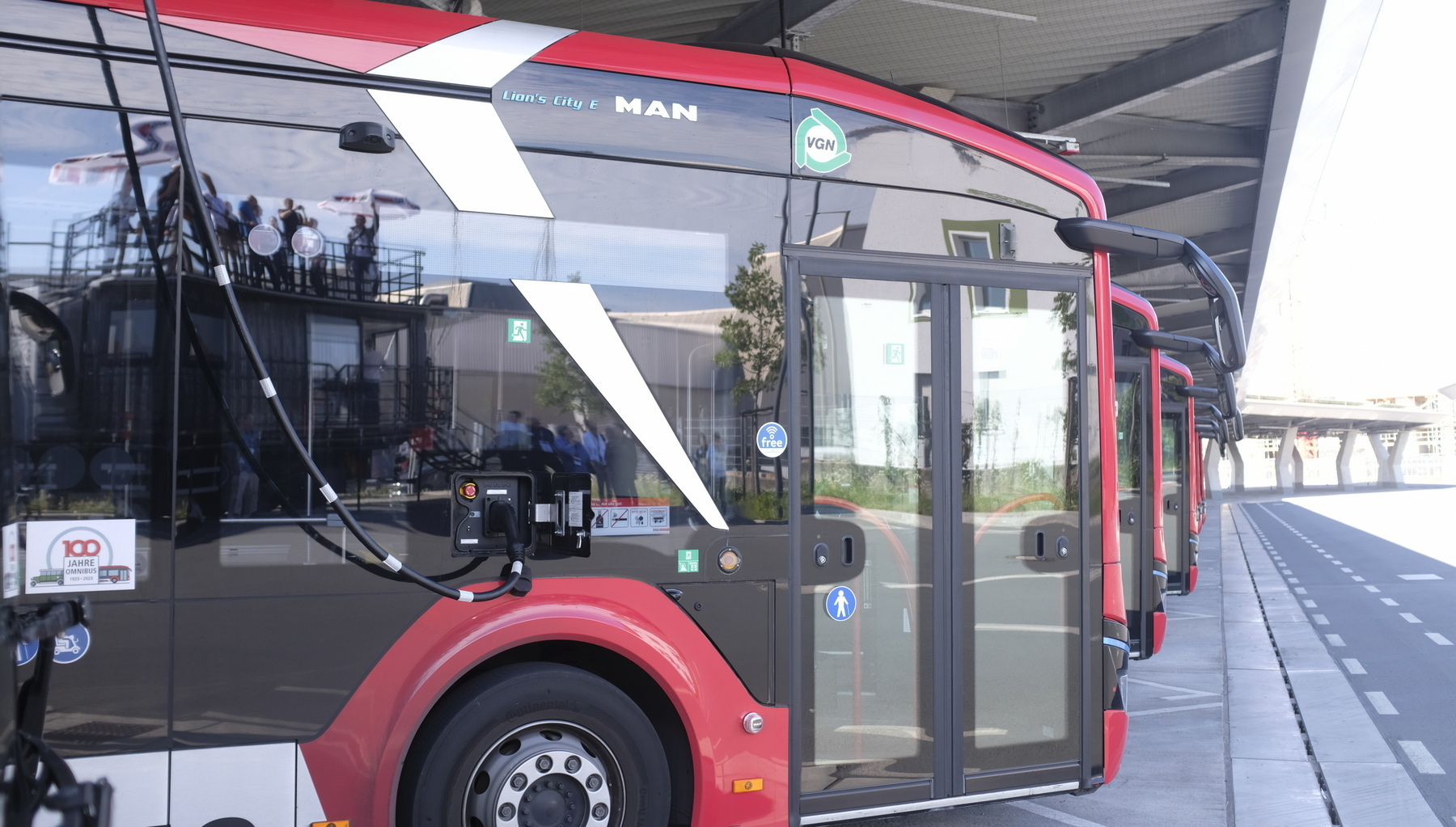
They have expressed concern that the current approach risks forcing working electric buses off the road and would penalise public transport operators and authorities that purchased them.
The European Commission proposed the Industrial Accelerator Act in March 2026, with the aim of promoting European-made and low-carbon products. However, the Act’s proposed ‘Made in EU’ and low-carbon requirements for public procurement and public support schemes would directly affect which electric buses public transport authorities and operators could buy and deploy when public funding is involved.
In their joint statement, IRU and EMTA are asking for three practical changes:
- Protecting electric buses already purchased and registered for their full operational lifetime
- Harmonising derogations across procurement and support schemes
- Protecting operators and authorities from costs linked to manufacturers’ delivery failures that are outside of their control
IRU EU Advocacy Director Raluca Marian said:IRU supports efforts to strengthen European manufacturing. But the rules need to reflect market realities and give operators the confidence to keep investing in the transition.
Ask 1: Protecting Electric Buses Already Purchased and Registered for Their Full Operational Lifetime
The letter calls for electric vehicles that are not from the European Union and that were purchased prior to the regulations coming into effect to remain eligible for public service contracts for their full operational lifetime, including after 2035, so that fully functional electric buses are not withdrawn prematurely.
The Annex III, Part I states: “Where public procurement procedures concern public service contracts referred to in subparagraph 2, vehicles already registered in the Union shall be deemed to comply with the requirements set out in this Annex until 31 December 2035.”
The IRU/EMTA are concerned that economically viable vehicles already purchased would lose their compliance eligibility because of this deadline.
Ask 2: Harmonising Derogations Across Procurement and Support Schemes
In Article 11 (public procurement), a contracting authority can skip the origin requirement only for a single-supplier situation, no suitable bids received or where compliance is ‘disproportionately’ costly – more than 25 percent cost difference.
In Article 12 (public support schemes), there is a separate exemption test: more than 30 percent cost increase, or delivery delay in excess of seven months.
This means that if a bus order is running late because of a component shortage, that delay can excuse a support scheme from applying the origin rule, while a straight procurement contract doesn’t have this exemption. As it stands, there would be different outcomes based purely on what legal instrument would be funding the purchase, even though the supply problem and bid would be the same.
Ask 3: Protecting Operators and Authorities from Costs Linked to Manufacturers’ Delivery Failures That Are Outside of Their Control
As it stands, compliance obligations are on the buyer’s side, rather than on the manufacturer’s side. If a manufacturer can’t produce a vehicle meeting the 70 percent Union-content/battery-component threshold on time, the bus operator or transport authority is left with a fleet that may not comply with the origin rules it’s contractually and legally required to procure under. It is also left with the resulting enforcement consequences Member States attach to that non-compliance. And any of its own commercial losses (e.g. contract penalties for reduced service, cost of interim vehicles, etc.) can’t be recovered from the manufacturer who caused the shortfall.
Consequently, IRU/EMTA want a mechanism written into the regulation that puts the cost and penalty for a manufacturer’s own delivery failure on to the manufacturer rather than the buyer who ordered in good faith and had no control over the manufacturer’s supply chain or production timeline.
EMTA Secretary General Thomas Geier said:Europe's transport authorities have invested heavily in decarbonisation of their public transport networks with electric buses. We need our European bus industry and support efforts to strengthen European manufacturing. At the same time, we cannot afford to let clean, publicly funded and perfectly fine buses go to waste. That is why we need the certainty that existing sustainable fleets can remain in public transport service throughout their full lifespan.
Raluca Marian concluded:A successful Buy European framework must work for the entire value chain. Clear rules, protection for existing investments and a fair sharing of responsibilities will help strengthen European manufacturing while giving operators and authorities the confidence to continue investing in the green transition.