Hamburg has secured financing from the European Investment Bank (EIB) for major investments in its electricity grid and public bus fleet.
The agreements, signed on 19 May 2026, provide a 1 billion EUR framework loan to the electricity distribution operator Hamburg Energienetze GmbH and 125 million EUR to the bus operator vhh.mobility GmbH. Both companies are part of the city-owned holding structure managed by HGV Hamburger Gesellschaft für Vermögens- und Beteiligungsmanagement mbH.
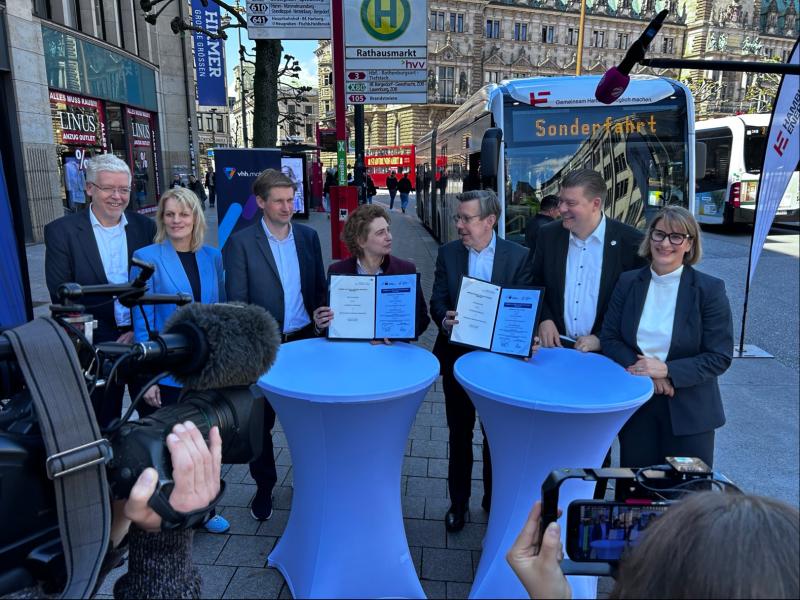
The financing is intended to support long-term infrastructure investment across the Hamburg metropolitan region, particularly in response to rising electricity demand linked to the electrification of transport and heating.
Hamburg Energienetze GmbH will use the EIB financing to support an investment programme totalling around 2.9 billion EUR up to 2029. The programme focuses on the expansion and modernisation of the city’s electricity distribution network.
Planned measures include the construction and renewal of around 1,500 kilometres of low-, medium- and high-voltage lines, upgrades to substations, the installation of additional switchgear capacity, and increased use of digital grid management systems.
Expansion of Electric Bus Fleet
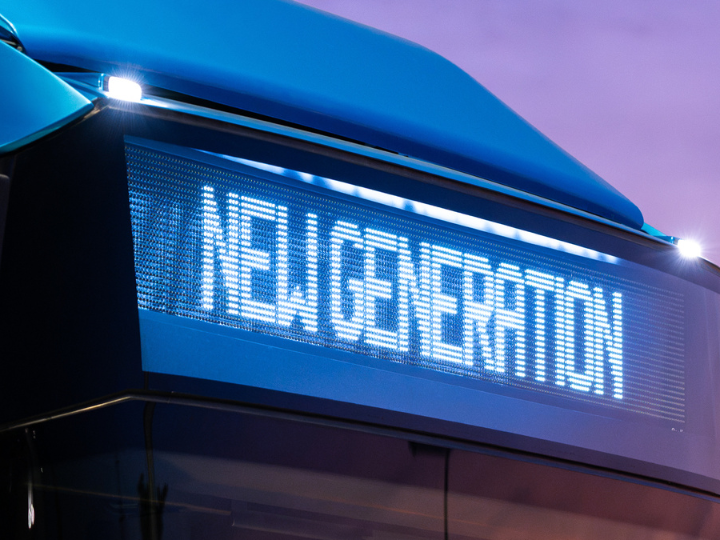
The second financing agreement specifically supports vhh.mobility GmbH in expanding its electric bus operations. The company plans to invest up to 337 million EUR in its electrification programme.
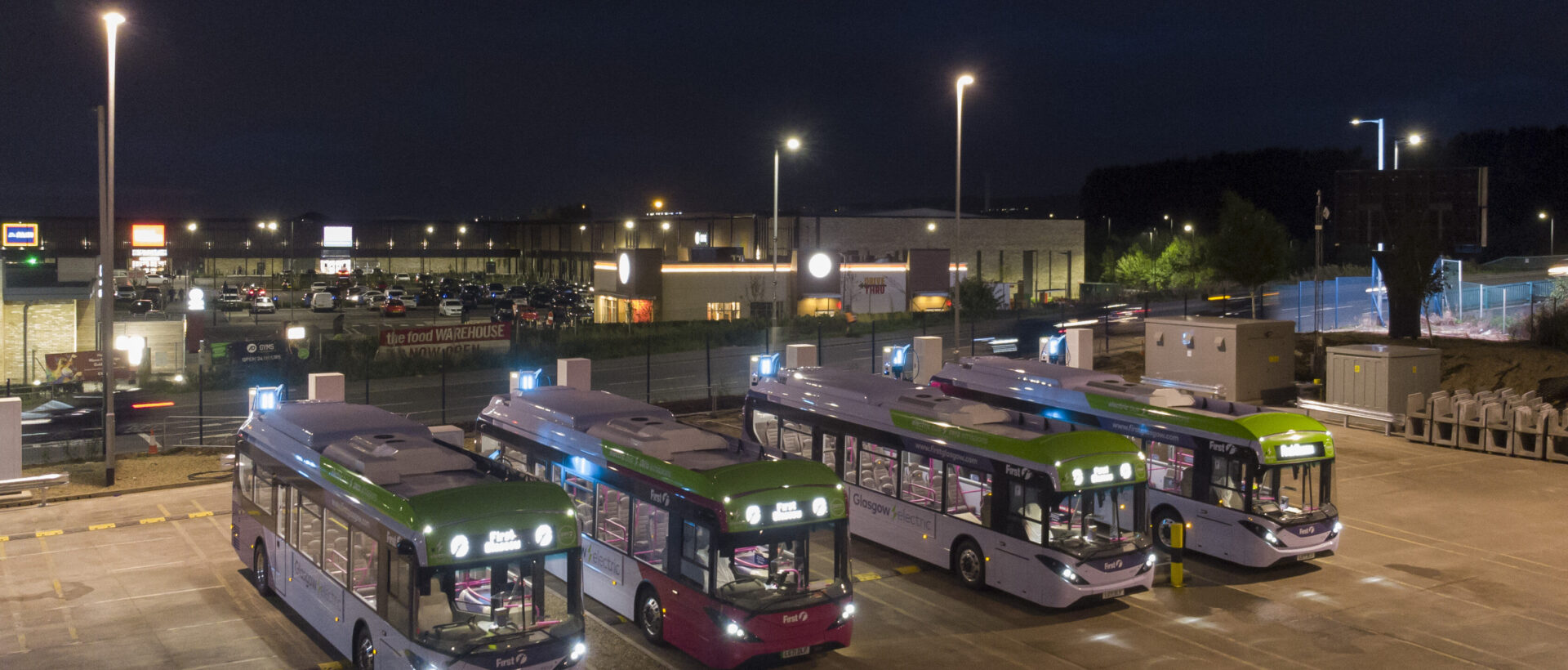
The investment includes the procurement of 188 electric buses, comprising 120 standard buses, 52 articulated buses and 16 minibuses. It also covers the conversion and expansion of the Schenefeld depot, including the installation of charging infrastructure.
vhh.mobility currently operates around 800 buses, with approximately one-third already using electric drive systems. Since 2020, the company has focused its new vehicle procurement exclusively on zero-emission buses.
The expansion is expected to increase the proportion of electric vehicles in the fleet and support reductions in local air pollutants, greenhouse gas emissions and noise levels.
The two investment programmes are closely linked. The expansion of the electric bus fleet increases electricity demand for charging infrastructure, while the grid investment programme aims to ensure sufficient capacity and reliability of supply.