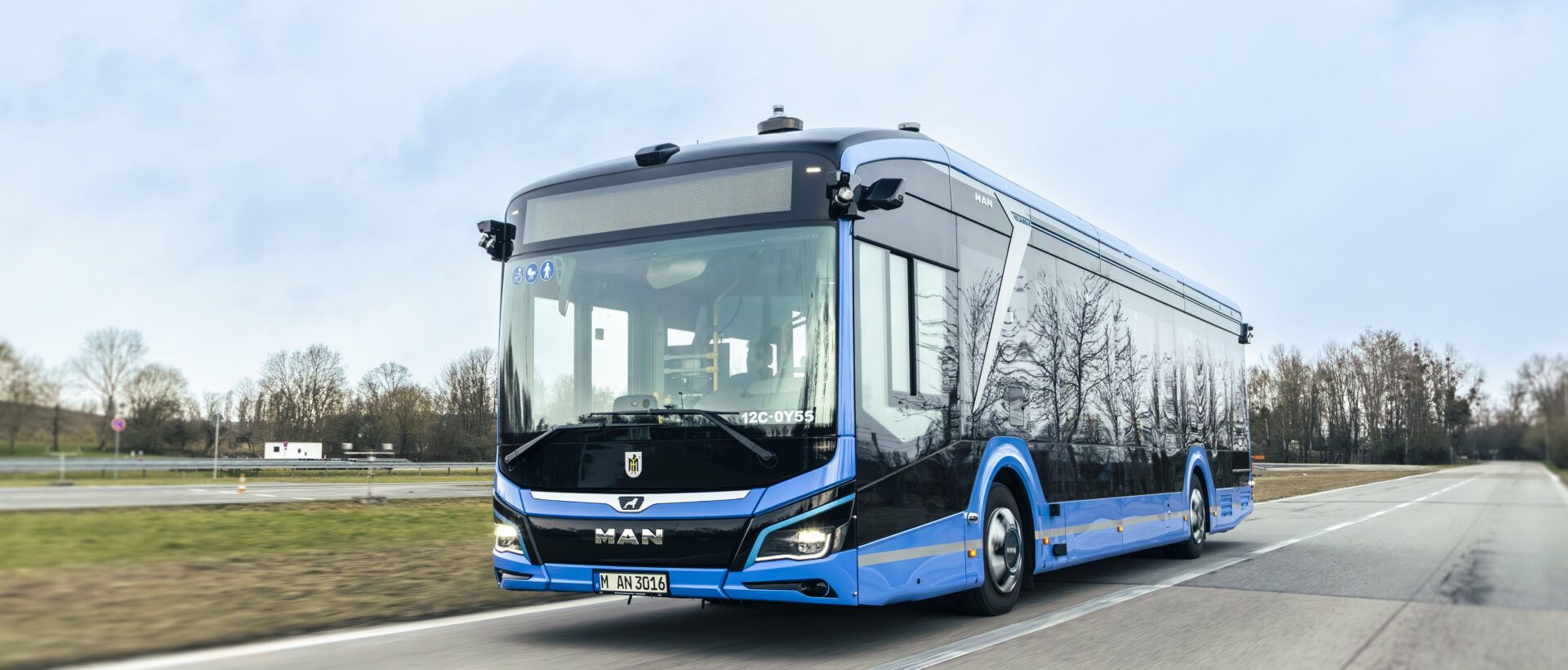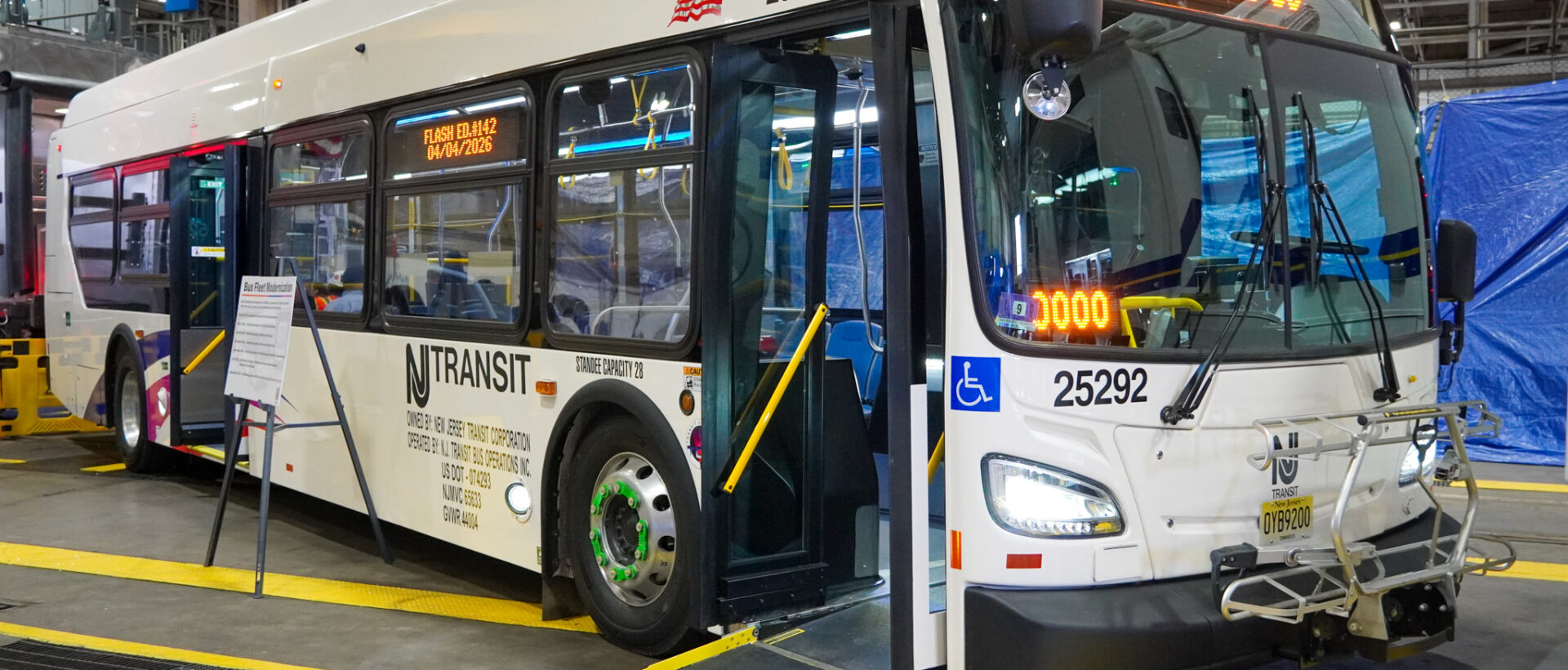
ABS has been playing a pivotal role in transit applications for decades, balancing formability, appearance, cost and performance. However, bus interiors experience a unique combination of stressors that differ significantly from those in other transportation environments. Heavy passenger flow, ongoing vibration, regular contact and routine exposure to cleaning and disinfecting chemicals all exert continuous mechanical and chemical loads on interior parts.
Since the adoption of more rigorous cleaning protocols, especially those using alcohol-based and disinfectant cleaners, material durability has become a more important design factor. Interior components now need to maintain their structural integrity and surface appearance under conditions that were not traditionally part of standard service expectations.
Designers and OEMs are paying closer attention now to how materials perform throughout the application’s material lifetime. This case study examines experiences across different transit systems, how changing conditions can affect material behaviour in real transit environments, and the implications for future interior design choices.
Observed Limitations of ABS in Transit Service
ABS has long been used for dashboards, consoles and interior panels due to its formability and cost efficiency. However, field experience from various transit systems has shown that ABS can face performance challenges under modern operating conditions.
Commonly observed material reactions include:
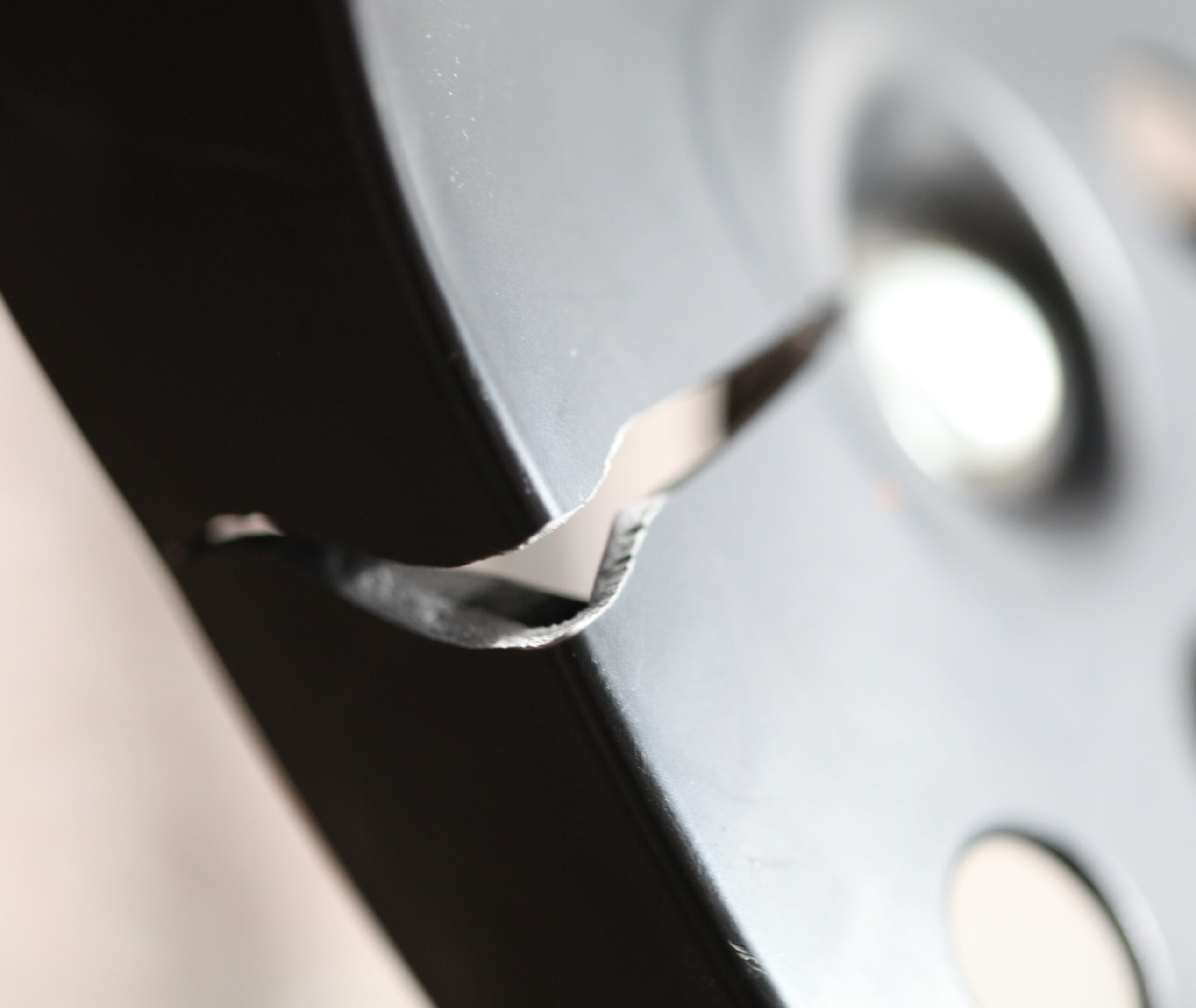
- Chemical stress cracking: Repeated exposure to disinfectants and cleaning agents can initiate microcracking within ABS. When combined with vibration and mechanical load, these microcracks can propagate over time.
- Loss of impact resistance: Ongoing chemical exposure can reduce toughness, increasing the likelihood of cracking from routine contact or vibration.
- Progressive structural degradation: Once cracks form, they can extend through the thickness of the part, resulting in visible damage and shortened service life.
These reactions have been documented in multiple regions and fleets, indicating that they are tied to material response rather than isolated manufacturing or design variables.
Design Implications for Bus Interiors
For interior designers and engineers, these limitations introduce:
- Increased maintenance and replacement frequency
- Inconsistent interior appearance over the vehicle lifecycle
- Potential downtime due to cracked or failed components
As cleaning standards continue to evolve, material compatibility with chemical exposure has become as important as initial mechanical performance.
Material Selection Considerations Beyond ABS
In response to these challenges, some OEMs and transit authorities have evaluated alternative thermoplastic materials designed for high-abuse interior environments. These materials are formulated to better withstand repeated chemical exposure while preserving impact strength and surface integrity over the long term.
Key performance attributes often prioritised in these evaluations include:
- Resistance to commonly used transit cleaning agents
- Retention of toughness after repeated cleaning cycles
- Color and surface durability without reliance on secondary coatings
- Flexibility in meeting fire, smoke and toxicity requirements depending on regional regulations
Application Example: Dashboard Components in Australian Bus Fleets
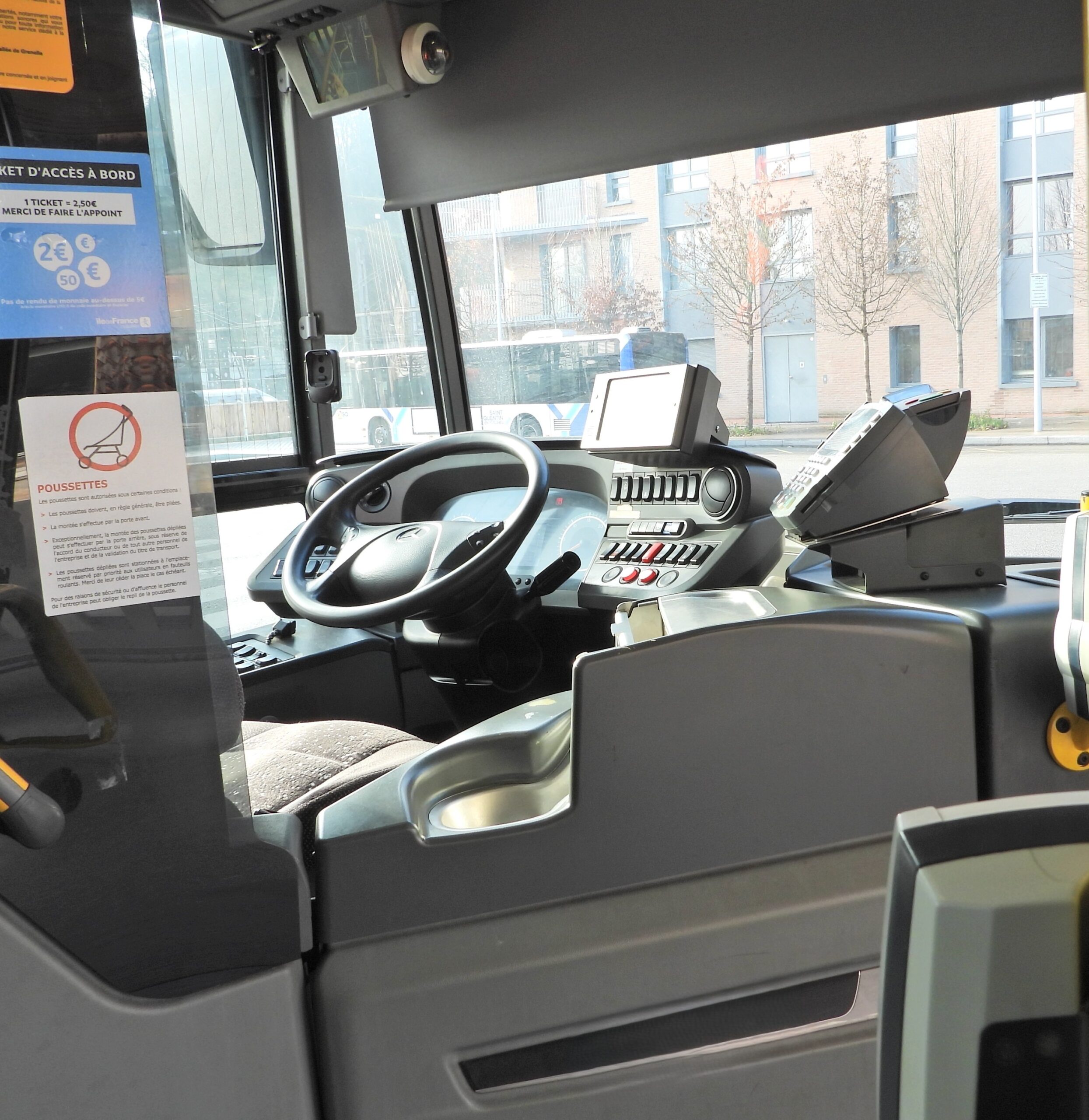
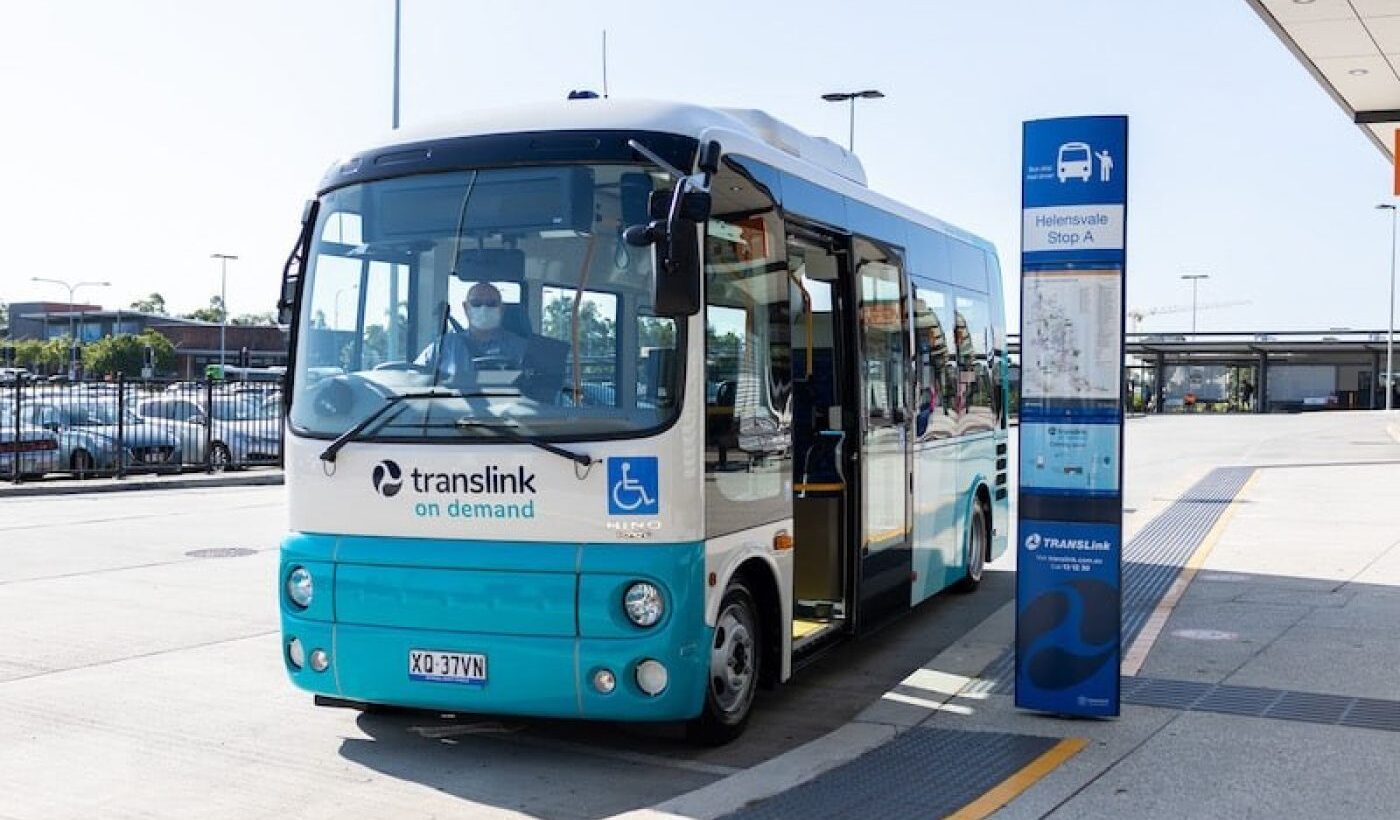
An example of this evaluation process can be seen in Australia, where a bus manufacturer identified cracking in ABS dashboard components during service. The failures were associated with the combined effects of vibration, operational stress and repeated cleaning.
Following a comprehensive material review focused on chemical resistance and long-term durability, the dashboard component was transitioned from ABS to KYDEX® T Thermoplastic sheet. The material was chosen for its resistance to chemical stress cracking and its ability to maintain mechanical performance during transit conditions.
The change addressed the observed limitations while preserving formability and design intent.
Similar Findings in North American Transit Applications
Comparable ABS performance issues have been reported in North American bus and mass transit interiors. As a result, some OEMs and agencies have incorporated alternative thermoplastics into specifications for dashboards, consoles and interior panels, especially in areas subject to frequent cleaning and contact.
Material selections vary by application and regulatory requirements, with some programmes prioritising additional fire performance criteria alongside chemical and mechanical durability.
Design for Real-World Service Conditions
The experience across various transit systems emphasises the importance of aligning material selection with real service conditions instead of relying on past assumptions. Modern bus interiors require materials that can withstand chemical exposure, vibration and daily use without breaking down over time.
ABS materials were not designed to handle the combined chemical, mechanical and operational stresses of contemporary mass transit interiors. As cleaning protocols become stricter and service expectations grow, the limitations of materials may become a significant concern.
By assessing materials based on their lifecycle performance and real-world operating environments, designers and engineers can minimise the risk of material failures and create more durable, easier-to-maintain interior designs.
This article first appeared in the Bus-News magazine and was written by KYDEX.