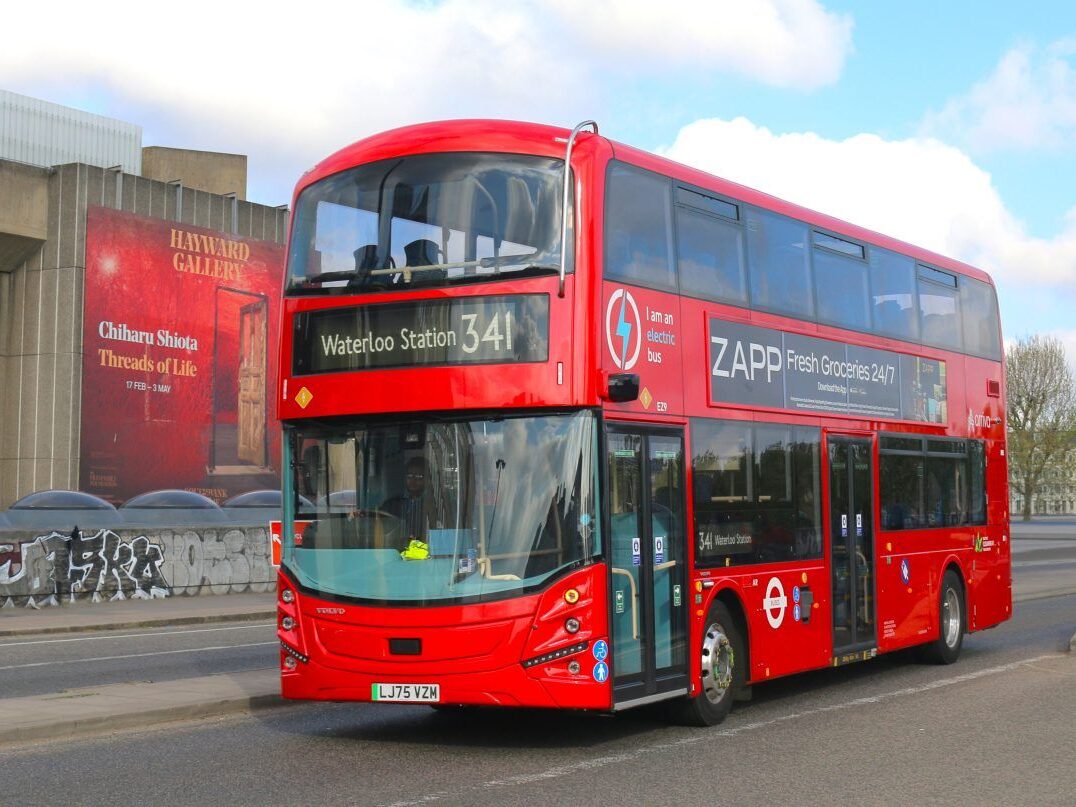
Poor public transport connectivity is limiting businesses’ ability to recruit staff and affecting investment decisions, according to new research commissioned by UK bus operator Metroline.
The research found that 66% of business leaders surveyed said poor public transport services were limiting their ability to hire the staff they need. A further 73% said improved connectivity would widen the pool of candidates available to them.
Transport links were also associated with business investment decisions. Some 68% of business leaders said improved local bus connections would make them more likely to invest or expand in an area.

The findings also point to an impact on business costs and productivity. Almost two-thirds (63%) of respondents said poor public transport links affected their profitability and turnover, while 68% said connectivity issues affected their overall cost of doing business.
Poor connections were also linked to recruitment difficulties. Around half of businesses surveyed (52%) said their recruitment catchment area was restricted by inadequate transport links, while 52% said they had lost potential employees because of transport or commuting concerns. Almost half (49%) said they had unfilled roles that they believed were linked to poor transport connections.
Bus services in particular were identified as having an impact on businesses. Some 65% of senior business decision-makers said bus service issues affected employee punctuality and attendance, while 59% said this increased their overall cost of doing business.
Meanwhile, 68% said better local bus links would increase productivity and 64% said they would help reduce overall business costs.
The research comes as local transport authorities in England gain wider powers to pursue bus franchising. The Government has also committed additional funding for bus services this year, while the planned reduction of the single bus fare cap to £2 from January 2027 is expected to form part of wider changes to bus policy.
Metroline said the findings demonstrate the need for local transport authorities and bus operators to work together when planning services.
Edward Thomas, CEO of ComfortDelGro Bus & Coach in the UK and Ireland, said:Better connectivity is a key enabler for economic growth, employment opportunities and productivity. However, these potential gains for businesses and individuals cannot be delivered by operators or local authorities alone.
The tangible economic benefits that improved bus services can bring can only be achieved when local authorities and private operators work together with a shared view, aligning investment, routes and decisions around what actually gets people to work, training and the jobs they need. That collaboration, combining the operational expertise of providers with local authorities' understanding of their communities and economic priorities, is the difference between a network that just moves people and one that unlocks real economic opportunity for individuals and growth for the businesses that rely on them.
The research also examined the effect of public transport connectivity on individuals. Almost one in 10 respondents (9%) said they had turned down or left a job because it was too difficult to reach. This increased to 14% among people who rely on buses as their main form of transport.
Young people reported particular potential benefits from improved bus services. Among 18 to 24-year-olds, 48% said better bus services could give them access to higher-paid employment, while 43% said improved connectivity would make them more likely to progress their careers.
A further 48% of respondents in the same age group said better bus connectivity would help them access education or training.
Thomas said the findings showed that unreliable public transport could affect people’s employment prospects while making it harder for businesses to recruit and grow.
Metroline’s research therefore suggests that decisions about bus networks can have implications beyond passenger journeys, with connectivity also affecting access to employment, education, recruitment and business investment.