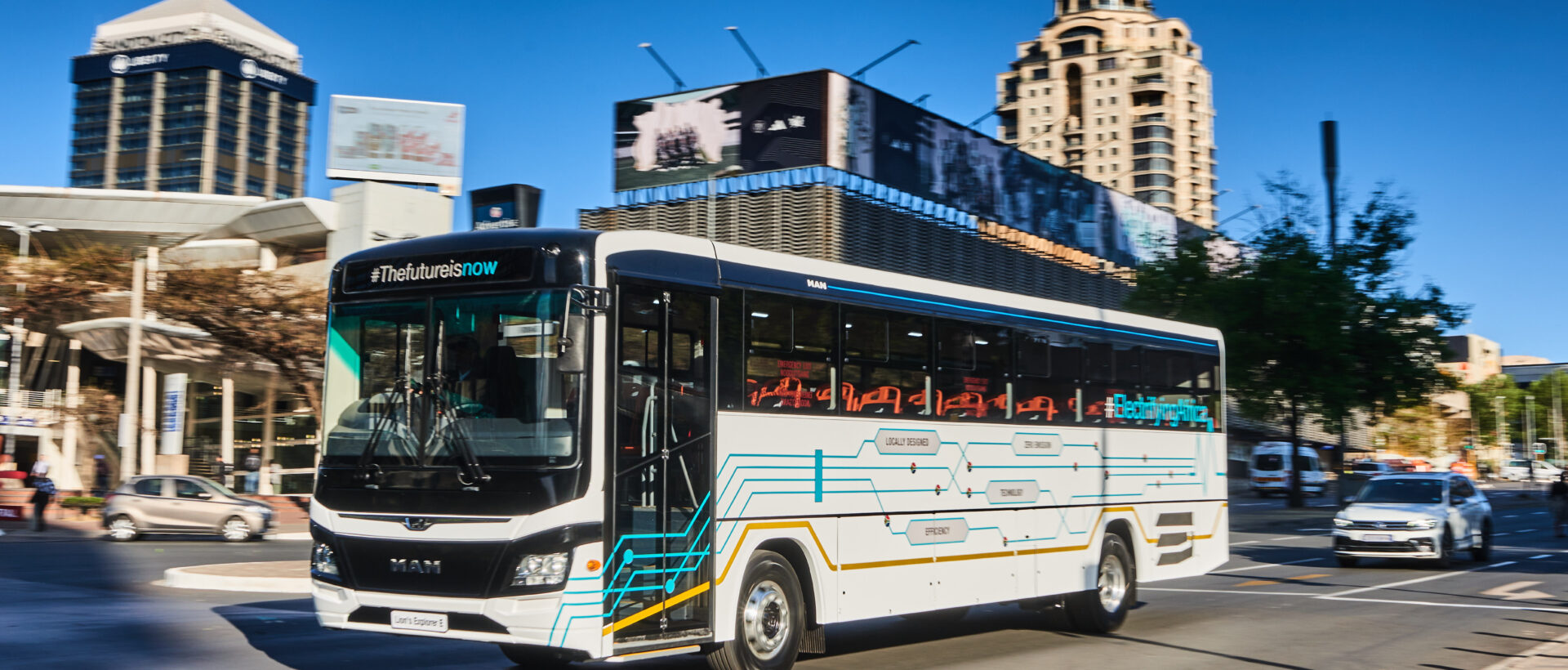
South Africa’s bus and coach industry is moving from initial electric-bus trials towards questions of wider deployment, financing and supporting infrastructure.
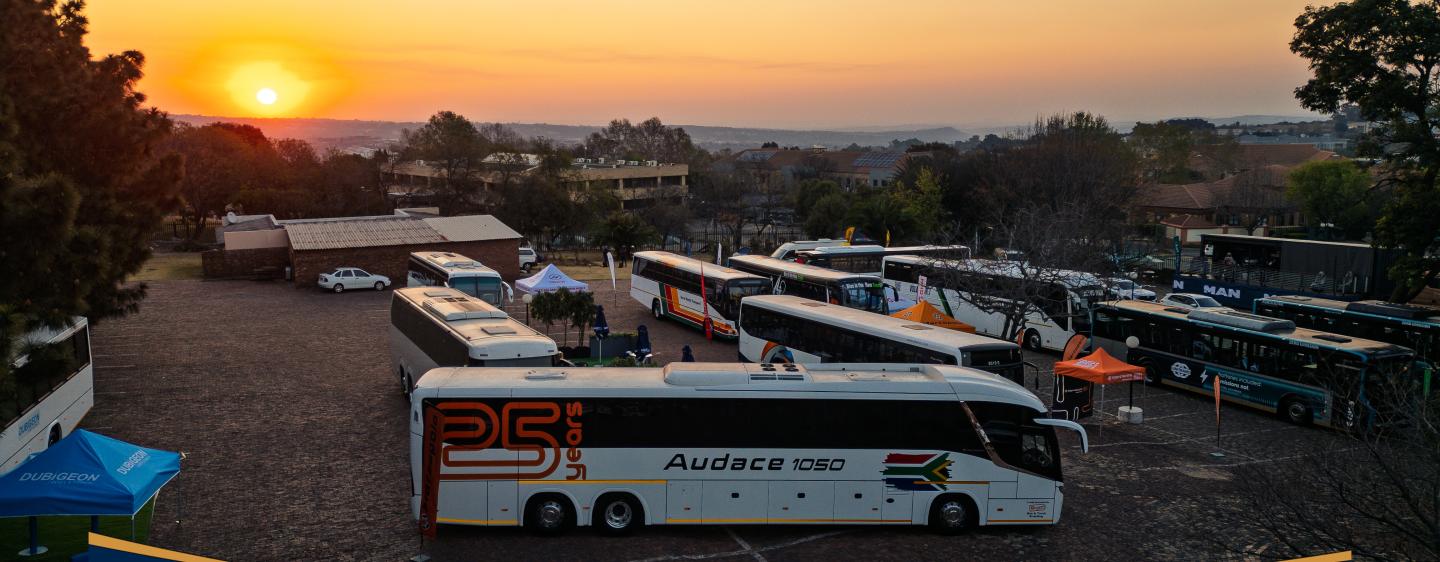
Those issues were central to the 2026 SABOA Annual Conference in Johannesburg, where government, operators, manufacturers and suppliers discussed the development of the country’s public transport sector.
South Africa’s Deputy Minister of Transport, Mkhuleko Hlengwa, addressed the conference with a call for greater progress in implementing transport plans.
His keynote covered challenges including infrastructure constraints, congestion, funding and implementation. The decarbonisation of public transport fleets was also identified as part of the country’s transport ambitions, alongside a shift towards electric buses and trains and closer integration between public transport infrastructure and renewable energy.
Hlengwa also called for changes to public transport funding, including a model that could bring together currently fragmented funding streams.
The approach reflects the fact that fleet electrification involves more than the procurement of battery-electric vehicles. Operators also need to consider electricity supply, grid capacity, charging infrastructure, depot upgrades, maintenance and financing.
The wider requirements of electric public transport are also highlighted in GreenCape’s 2026 Electrifying Public Transportation Market Intelligence Brief. The organisation identifies South Africa as a developing market for electric public transport, while noting that the sector is moving from pilot projects and early deployments towards more structured procurement.
GreenCape identifies investment in vehicles, charging infrastructure, depot preparation, electricity distribution networks and specialised maintenance as areas that will need to develop alongside fleet electrification.
This means the financial and operational case for an electric bus increasingly needs to account for the wider energy and infrastructure system. Electricity generation and supply, charging arrangements and daily vehicle utilisation can all affect the economics of a fleet.
Golden Arrow Bus Services
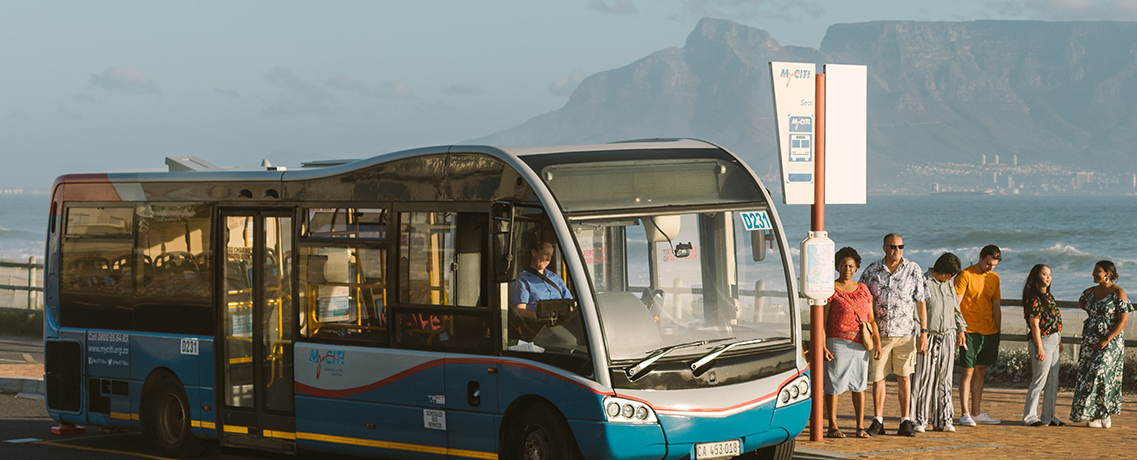
Golden Arrow Bus Services in Cape Town is among the operators that have moved beyond limited trials.
Following several years of testing, the operator ordered 120 BYD battery-electric buses. GreenCape reported in May 2026 that all 120 vehicles had been deployed, with the fleet collectively covering approximately 115,000 to 120,000 kilometres per week.
Golden Arrow expected its electric buses to cover close to six million kilometres during 2026. At the time of the report, the vehicles accounted for around 10% of the company’s total kilometres travelled.
The operator is also examining the energy infrastructure supporting the fleet. Solar photovoltaic generation is already being used to support charging, while further solar capacity and green-energy wheeling options are being considered.
The experience illustrates how the transition involves both fleet procurement and changes to the way depots obtain and manage energy.
South Africa’s Bus Industry
South Africa is not starting its electric-bus transition without an existing industry base.
SABOA, the South African Bus Operators Association, represents approximately 70% of the buses and coaches used for public transport in the country. The association provides a link between operators, government and other parts of the transport industry.
The 2026 conference brought together operators including Golden Arrow and PUTCO, alongside vehicle manufacturers and suppliers. Companies represented at the event included MAN Truck & Bus, EKA, Marcopolo, Volvo, HIGER and Scania.
South Africa also has established vehicle assembly and supply capabilities, while GreenCape identifies local manufacturing and the integration of depot energy systems as components of the emerging electric public transport market.
The transition is currently more evident in urban and commuter bus operations. Long-distance coaches face different operating requirements, including longer routes and fewer opportunities for charging, meaning electrification is likely to develop at a different pace.
Busworld, an international exhibition and networking platform for the bus and coach industry, participated in the event as an opportunity to examine a market where electric buses are already operating, while the wider infrastructure needed for large-scale adoption is still developing.
For Busworld, the SABOA conference provided an opportunity to examine the South African market and engage with companies and organisations involved in its development.
SABOA contributes knowledge of the local operating and regulatory environment, while Busworld connects the South African industry with an international network of vehicle manufacturers, suppliers and technology companies.
Vincent Dewaele, General Manager at Busworld International said:What we saw in South Africa is an industry with knowledge, ambition and a clear willingness to move forward. For Busworld, the first step is to listen, understand the market and connect people. That is where an international network can add real value.
South Africa continues to face financial, infrastructure and implementation challenges, and the pace of electric-bus adoption will depend on how those issues are addressed. GreenCape’s assessment also indicates that large-scale commercial adoption remains a developing market rather than an established one.
However, practical deployments such as Golden Arrow’s 120-bus fleet demonstrate that electric buses are already operating at a meaningful scale in the country.