Electrification is transforming far more than drivetrains. New vehicle architectures are creating fresh demands for lightweight, flexible and service-friendly fastening concepts.
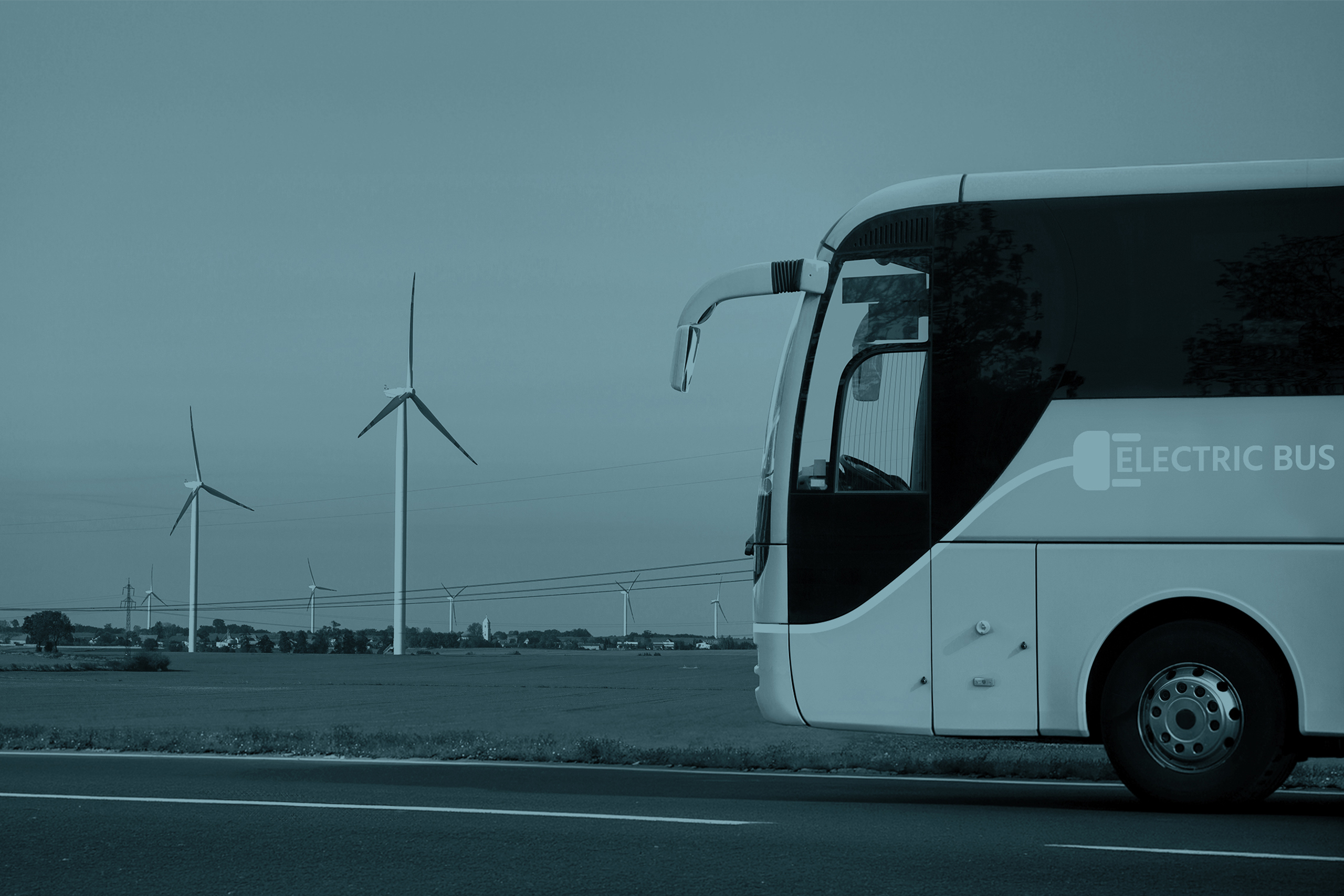
The transition to electric mobility is changing the way buses are designed. While batteries and charging infrastructure often receive the most attention, electrification is also reshaping vehicle architecture, interior layouts and maintenance requirements.
Electric buses require space for batteries, power electronics and additional electrical systems. This influences how components are packaged throughout the vehicle and creates new challenges for designers seeking to maximise passenger capacity while ensuring accessibility and serviceability.
Weight reduction has become another major priority. Every kilogram saved can contribute to improved energy efficiency and vehicle range. Manufacturers are therefore evaluating every component and system to identify opportunities for lightweight construction.
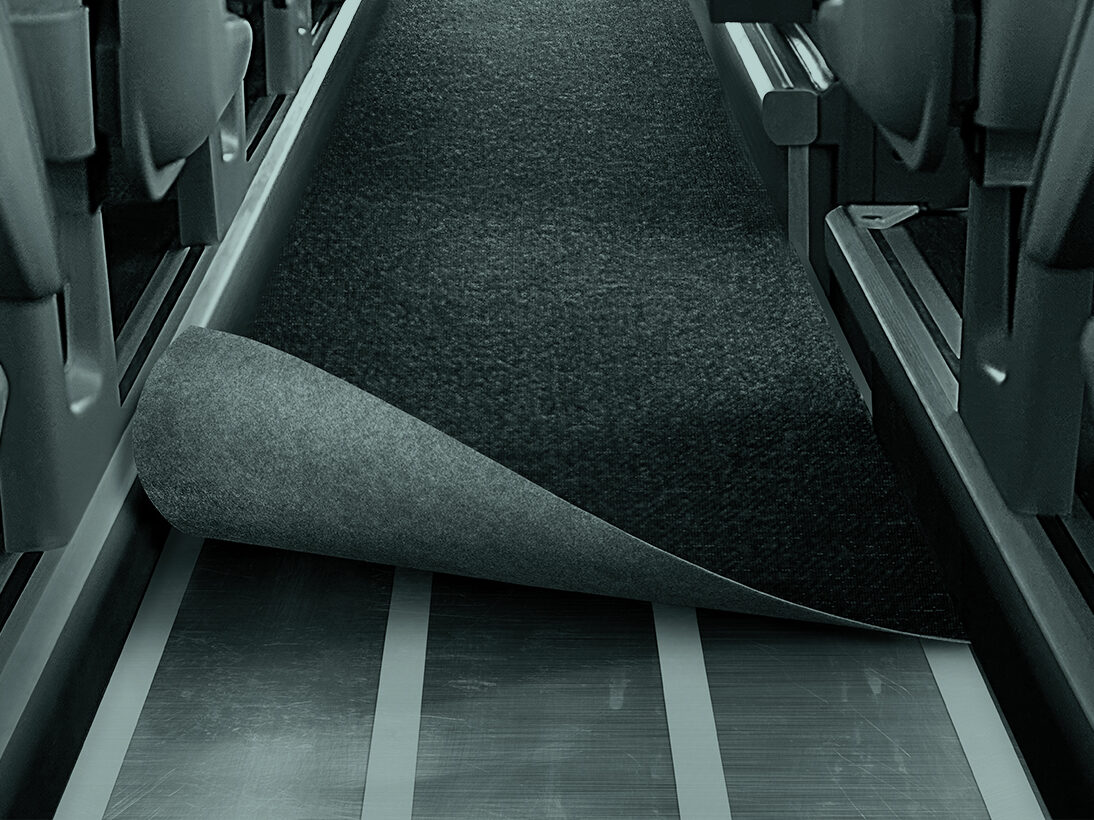
Fastening technology plays an increasingly important role in supporting these objectives. Binder supports OEMs and suppliers with fastening solutions designed to combine lightweight construction, installation efficiency and long-term durability. Applications range from headliners and interior panels to seating systems, flooring installations and cable management throughout the vehicle.
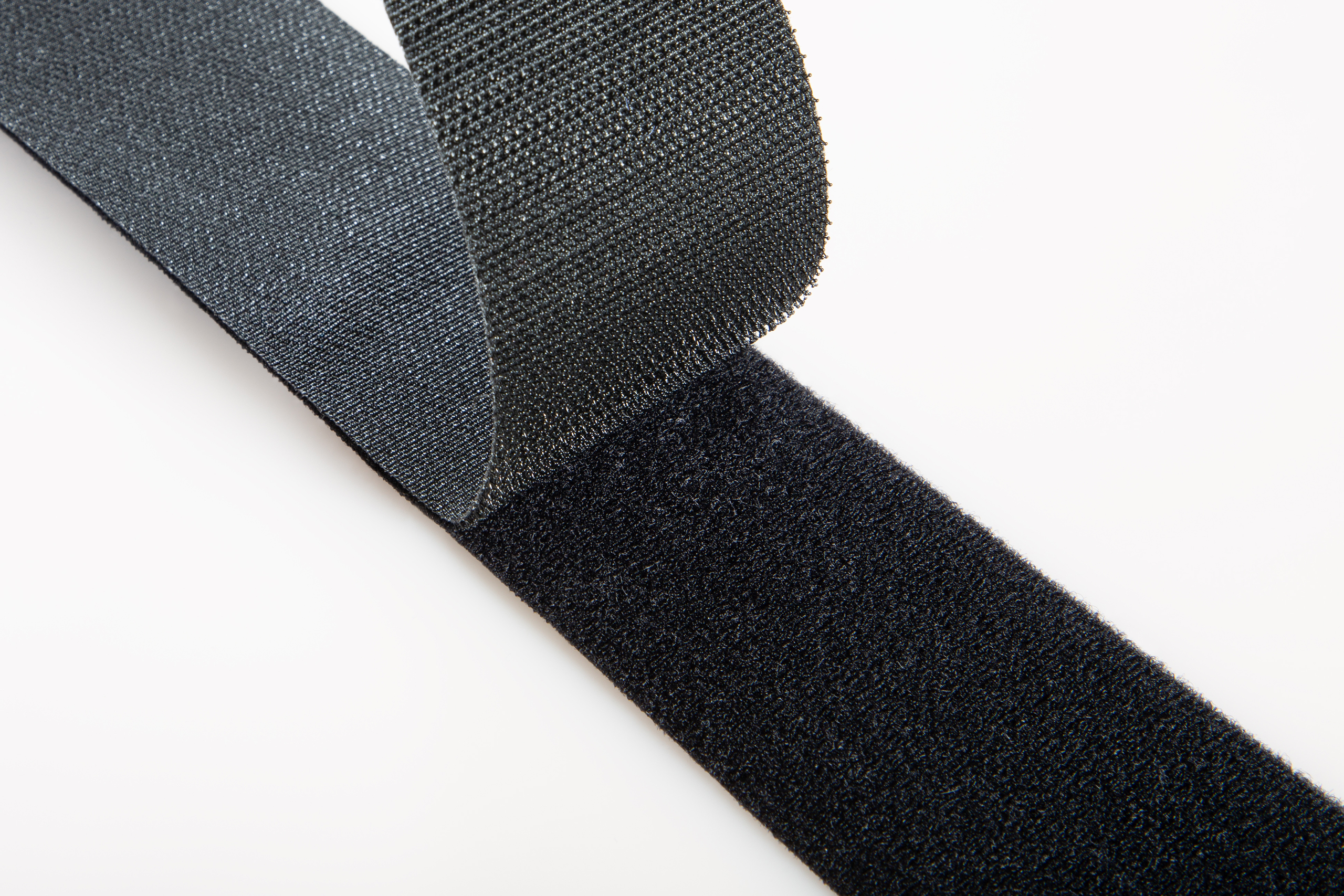
At the same time, electric buses contain a growing number of electronic systems that require regular inspection and maintenance. Easy access to cable routing, control units and technical equipment can significantly improve service efficiency over the vehicle lifecycle. Binder’s fastening solutions support maintenance-friendly vehicle concepts by enabling the secure attachment of components while facilitating efficient removal and reinstallation when service work is required.
Passenger expectations are evolving as well. Electric buses are often associated with modern, premium interior environments that reflect broader sustainability goals. Clean interior designs with fewer visible fixing points are becoming increasingly desirable for OEMs developing next-generation vehicles. Binder’s fastening technologies help manufacturers achieve these design goals while maintaining the reliability required for demanding public transport environments.
Modular design concepts are also gaining importance. As technology continues to evolve rapidly, operators may wish to update systems, integrate new equipment or refurbish interiors more frequently than in the past. Binder’s fastening solutions support modular vehicle architectures by simplifying component replacement and future upgrades throughout the vehicle lifecycle.
The electrification of public transport affects many aspects of vehicle engineering. Designers are balancing energy efficiency, passenger comfort, maintenance requirements and long-term durability.
Through fastening solutions developed and manufactured in Germany for demanding commercial vehicle applications, Binder helps manufacturers address these challenges and create electric buses that are efficient, service-friendly and prepared for the future of sustainable mobility. By supporting lightweight construction, efficient maintenance and long-term lifecycle performance, Binder has become a valued development partner for next-generation electric bus concepts.