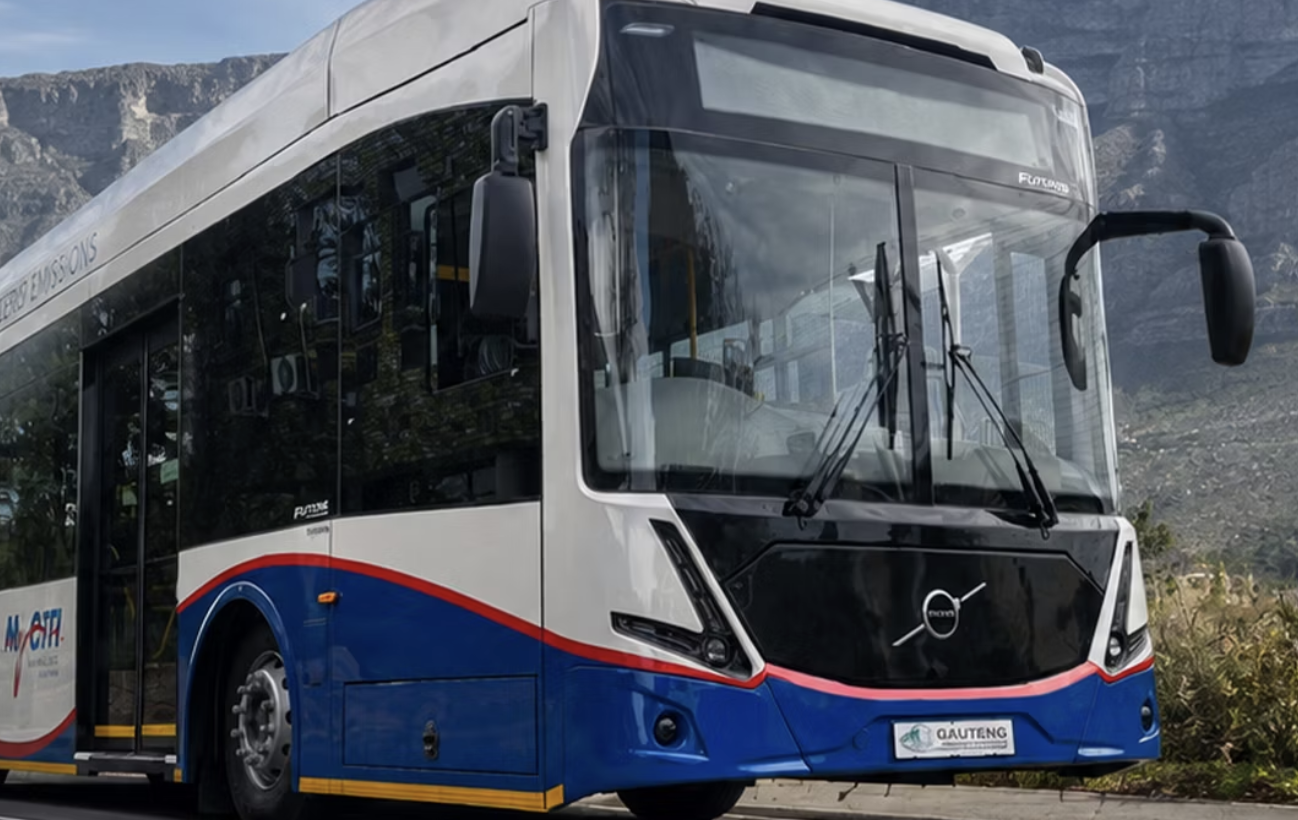
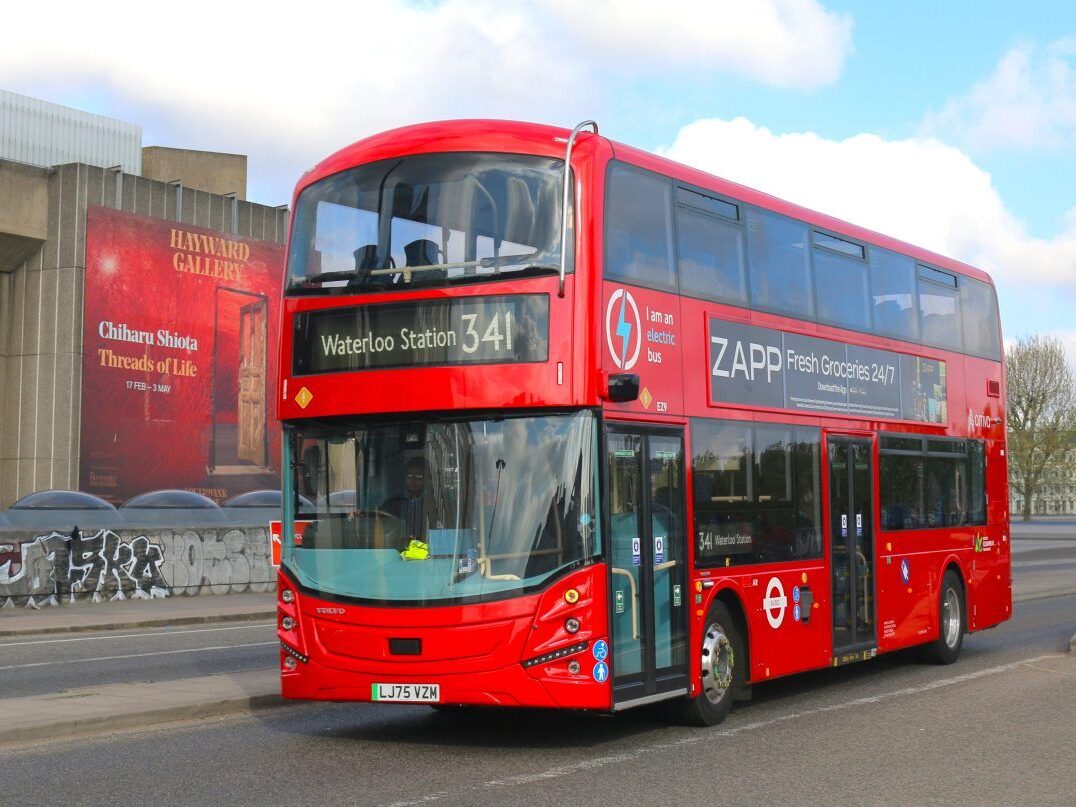
Volvo Buses is highlighting three vehicle technologies and connected services designed to help bus and coach operators reduce fuel consumption, emissions and operating costs.
The solutions combine predictive cruise control, driver feedback and fleet data to identify opportunities to improve efficiency both on the road and when vehicles are stationary.
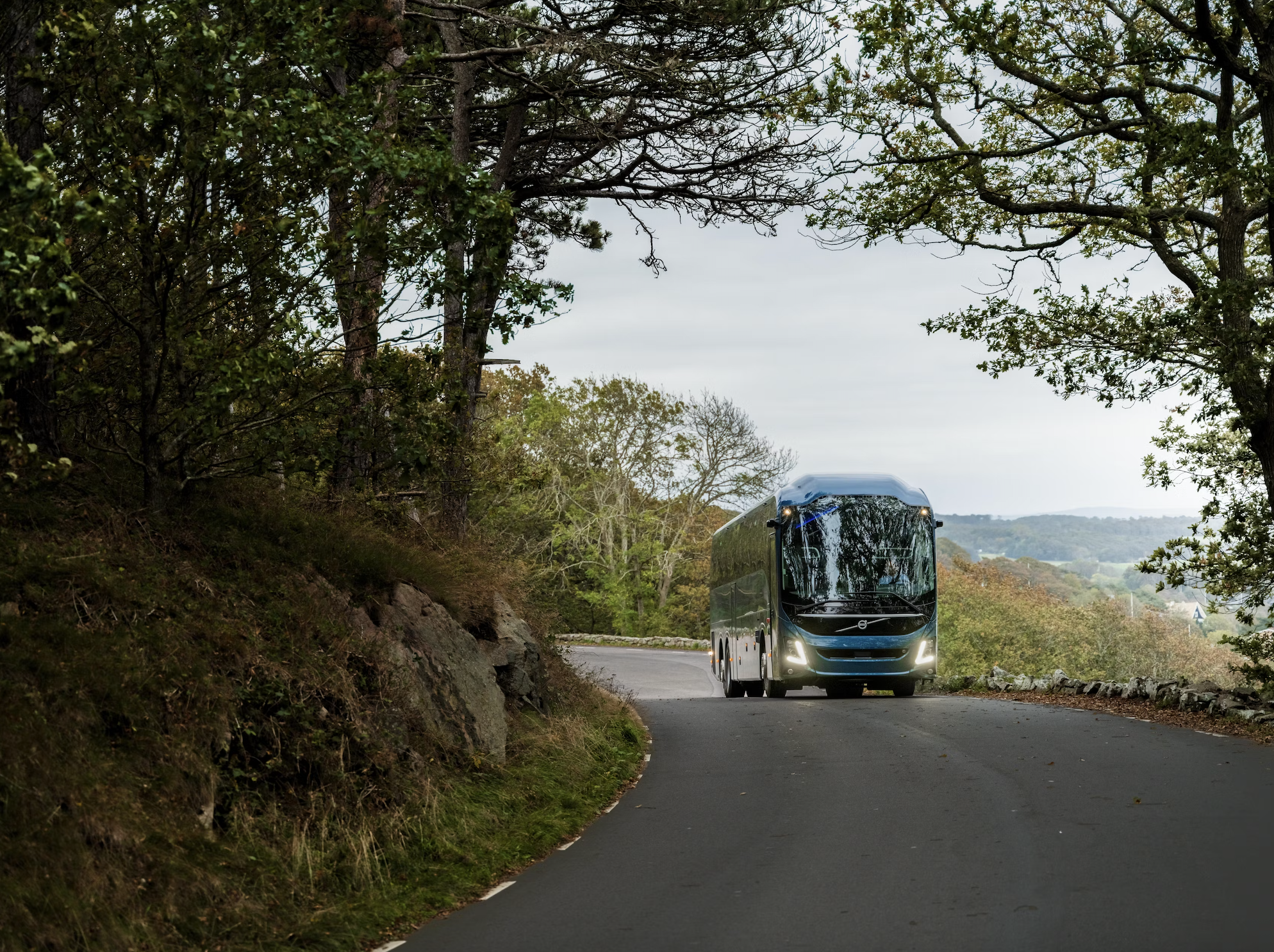
I-See Map, Volvo Buses’ predictive cruise control technology, uses GPS positioning and cloud-based topographical data to anticipate changes in road gradients. It adjusts acceleration, gear selection and braking to make better use of the vehicle’s momentum. Under optimal conditions, on routes with frequent gradients and regular cruise control use, the system can reduce fuel consumption by up to 3%.
The company is also highlighting Idless, a service available through its Volvo Connect platform. It uses vehicle data to identify excessive engine idling and show fleet managers which vehicles spend the most time stationary with their engines running.
According to Volvo Buses, around 30% of engine-on time is spent idling, accounting for approximately 7% of annual fuel consumption, or around 2,000 litres. Reducing unnecessary idling can also lower engine wear, maintenance requirements and exhaust emissions.
A third technology, I-Coaching, provides drivers with real-time feedback and gives fleet managers performance reports through Volvo Connect. By encouraging smoother driving, better anticipation and less unnecessary braking, it can help reduce fuel consumption by up to 5%.
Stefan Berggren, Senior Vice President Digital Services & Solutions, Volvo Buses said:Every liter of fuel saved matters for an operator’s business as well as for reducing emissions. Our aim is therefore not only to engineer fuel-efficient vehicles, but to give customers the technology and information they need to keep improving efficiency throughout daily operations.
Volvo Buses says the three solutions form part of a broader approach to operational efficiency, combining vehicle technology with driver behaviour and fleet data to help operators monitor consumption and identify potential savings.