How Does Load Simulation Brake Testing Work in Modern Workshops?
If it’s been a few years since you upgraded your Brake Tester equipment, you might be surprised at some of the advances the industry has made. And if you’ve followed the DVSA’s recent changes, you’ll already know that Load Simulation has become essential for passing annual tests.
So if you’re planning to refresh your workshop equipment — or setting up a new testing facility — load-simulated brake testing is something you simply can’t ignore. Modern systems now offer faster testing, improved reporting, and greater consistency for operators, all while helping workshops stay compliant.
Here’s what you need to know about Load Simulation, the different methods available, and why the right Brake Tester setup can make a major difference to your operation.
Why Do You Need Load Simulation?
Load simulation brake testing is an advanced form of brake testing designed with a simple purpose:
To improve the accuracy of brake tests and increase vehicle safety.
A standard Brake Tester can accurately measure brake performance on an empty vehicle. But with Load Simulation, you recreate the real-world conditions of a fully laden vehicle travelling on the road. And those are the conditions where braking performance matters most.
That covers the safety side of things. But there’s another reason workshops are investing heavily in Load Simulation systems:
You’re recreating the same conditions used during DVSA annual testing.
Earlier this year, the DVSA reinforced the requirement for most goods vehicles and trailers to be “appropriately laden” during annual brake tests. Vehicles that cannot meet those conditions risk rejection from testing.
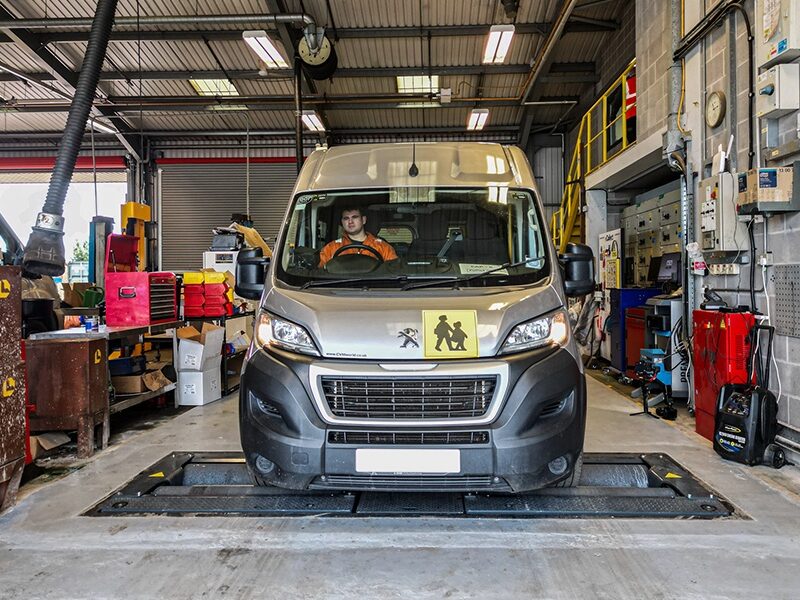
That means your in-house brake testing must mirror real testing conditions as closely as possible. Using a modern Brake Tester with integrated Load Simulation helps workshops identify issues before annual inspections and gives operators greater confidence that vehicles will pass first time.
For busy fleets, this can reduce downtime, prevent costly retests, and improve workshop efficiency.
How Does Load Simulation Work?
There are several different approaches to Load Simulation in brake testing, but they all follow the same core principle:
Applying a controlled downward force to the vehicle during testing so the brakes can be assessed under realistic operating conditions.
Typically, this means applying a force equivalent to at least 65% of the vehicle’s Design Axle Weight (DAW), while ensuring the load does not fall below 50%.
In some workshops, this may involve physically loading weight onto the vehicle. In more advanced facilities, however, a specialist Brake Tester uses hydraulic or mechanical systems to simulate those loads safely and efficiently.
Modern systems also integrate digital reporting software, making it easier for operators to record results and demonstrate compliance during inspections.
The Main Types of Load Simulation
If you’re looking for the most effective way to perform simulated brake testing, there are four primary methods currently used across commercial vehicle workshops.
1. Axle Load Simulation
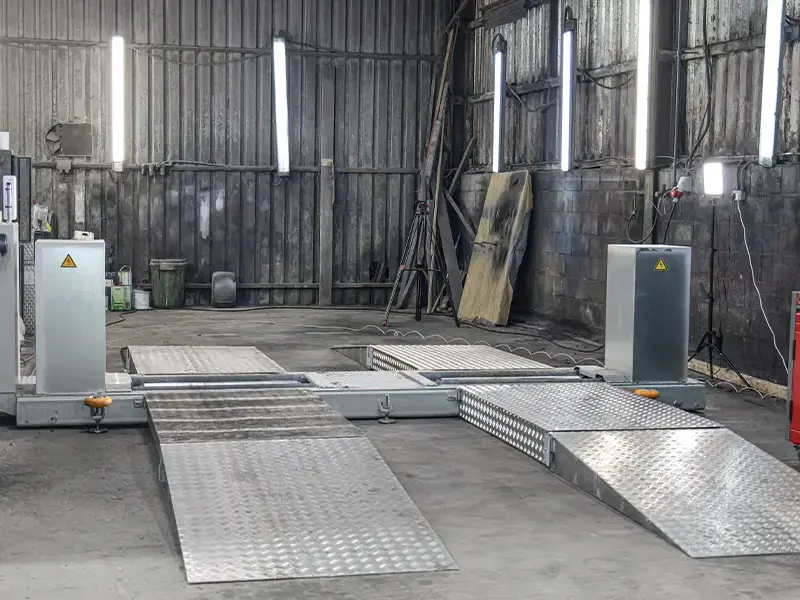
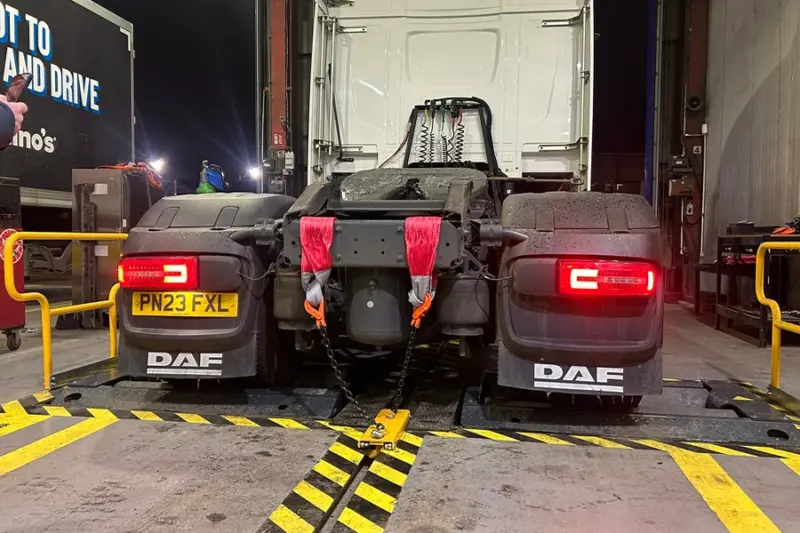
Axle load simulation applies force directly to the axle using chains connected between the vehicle and the Brake Tester.
Once the brake test is completed, the chains are removed before the vehicle is moved. This approach works especially well with mobile testing systems and is commonly used in smaller workshops or facilities with lower throughput.
While effective, axle simulation can be more time-consuming than other methods because the chains must be disconnected and reattached between tests.
However, for operators looking for flexibility without major workshop modifications, it remains a reliable option for achieving accurate Load Simulation results.
2. Chassis Load Simulation
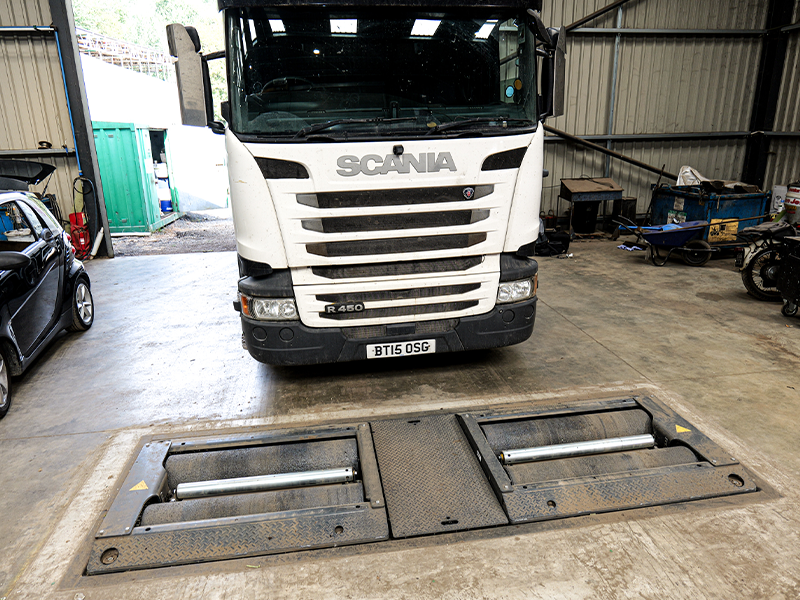
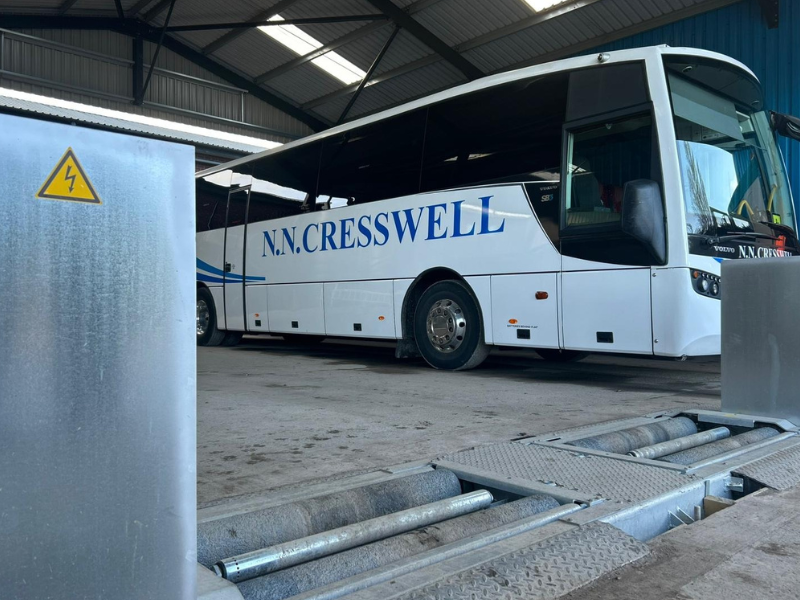
Chassis load simulation is designed for workshops using inspection pits, particularly with an in-ground Brake Tester installation.
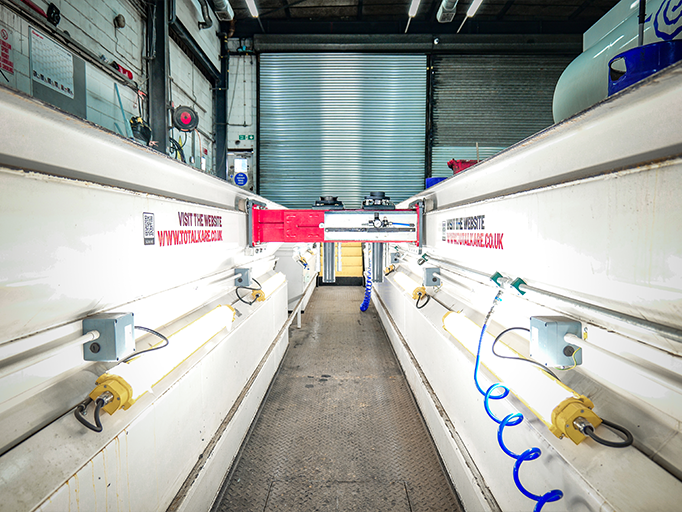
In this setup, rolling skates mounted on rails allow chains to attach directly to the chassis using self-tensioning claws. These chains apply a downward force to simulate a laden vehicle during testing.
One major advantage is efficiency. Because the skates move along the rails, the vehicle can stay attached while moving forward for additional axle tests. That significantly speeds up the process for high-volume workshops.
The system is also fully controllable remotely from the cab, improving convenience and reducing operator effort.
For many busy commercial vehicle workshops, this form of Load Simulation offers an ideal balance between testing accuracy and productivity.
3. Direct Load Simulation
Direct load simulation takes a more straightforward approach by applying force vertically from above — closely replicating how weight naturally acts on a loaded vehicle.
This method offers an important advantage because it activates both the vehicle suspension and the load sensing valve during testing. That creates highly accurate brake performance readings under realistic operating conditions.
Direct Load Simulation systems are commonly installed with in-ground brake testing equipment and often form part of a wider workshop redesign or new-build facility.
Many workshops pairing this setup with a heavy-duty Lifting Bed also benefit from improved technician access and better workflow throughout the testing lane.
Although installation requires additional groundwork, direct simulation remains one of the most precise testing solutions available.
4. Hydraulic Load Simulation
Hydraulic load simulation combines downward and upward force to recreate vehicle loading conditions.
Using a hydraulic Lifting Bed integrated into an in-ground Brake Tester, the roller bed raises upward while chains pull downward on the axle simultaneously. This creates an accurate simulated load across the vehicle during testing.
Hydraulic systems are especially useful for larger commercial vehicles because they provide extremely consistent testing conditions and allow operators to work quickly without physically loading the vehicle.
As workshops continue modernising their facilities, hydraulic Load Simulation is becoming increasingly popular thanks to its speed, repeatability, and reduced manual handling requirements.
A modern hydraulic Lifting Bed can also improve technician safety and streamline maintenance operations across the workshop.
Why Modern Brake Testing Equipment Matters
Load-simulated brake testing is no longer simply an optional upgrade for workshops. It has become a key part of maintaining compliance, improving road safety, and increasing operational efficiency.
The latest Brake Tester systems now include features such as:
- Digital test reporting
- Automated data storage
- Faster test cycles
- Improved operator controls
- Enhanced accuracy through advanced Load Simulation
For workshops handling increasing vehicle volumes, investing in the right testing equipment can save significant time while helping reduce failed annual inspections.
And when paired with workshop upgrades such as an integrated Lifting Bed, operators can create a safer and more productive environment for technicians and drivers alike.
Looking to Upgrade Your Brake Testing Equipment?
Load-simulated brake testing isn’t just about achieving more accurate results. It’s about improving vehicle safety, maintaining DVSA compliance, and ensuring every vehicle leaves the workshop ready for the road.
Whether you’re upgrading existing equipment or planning a completely new facility, investing in the right Brake Tester, Load Simulation system, and workshop Lifting Bed setup can future-proof your operation for years to come.
This article was originally published by Totalkare.