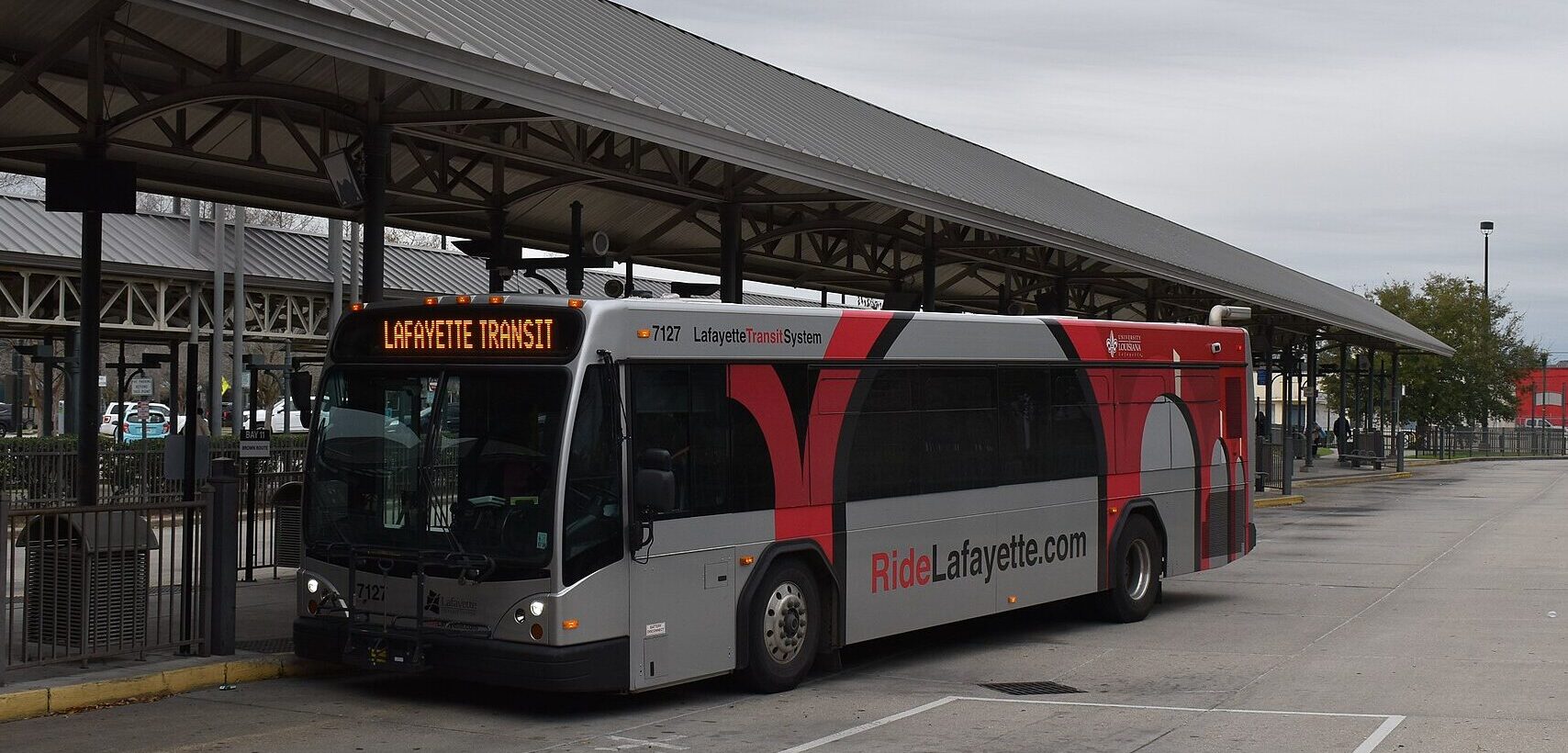
The US heavy-duty transit bus manufacturing industry supported around 34,100 jobs and contributed 5.1 billion USD to the US economy in 2025, according to a new report from Oxford Economics.
The report, Buses Mean Business, examines the economic contribution of domestic transit bus manufacturers and their supply chains. It was commissioned by business members of the American Public Transportation Association (APTA).
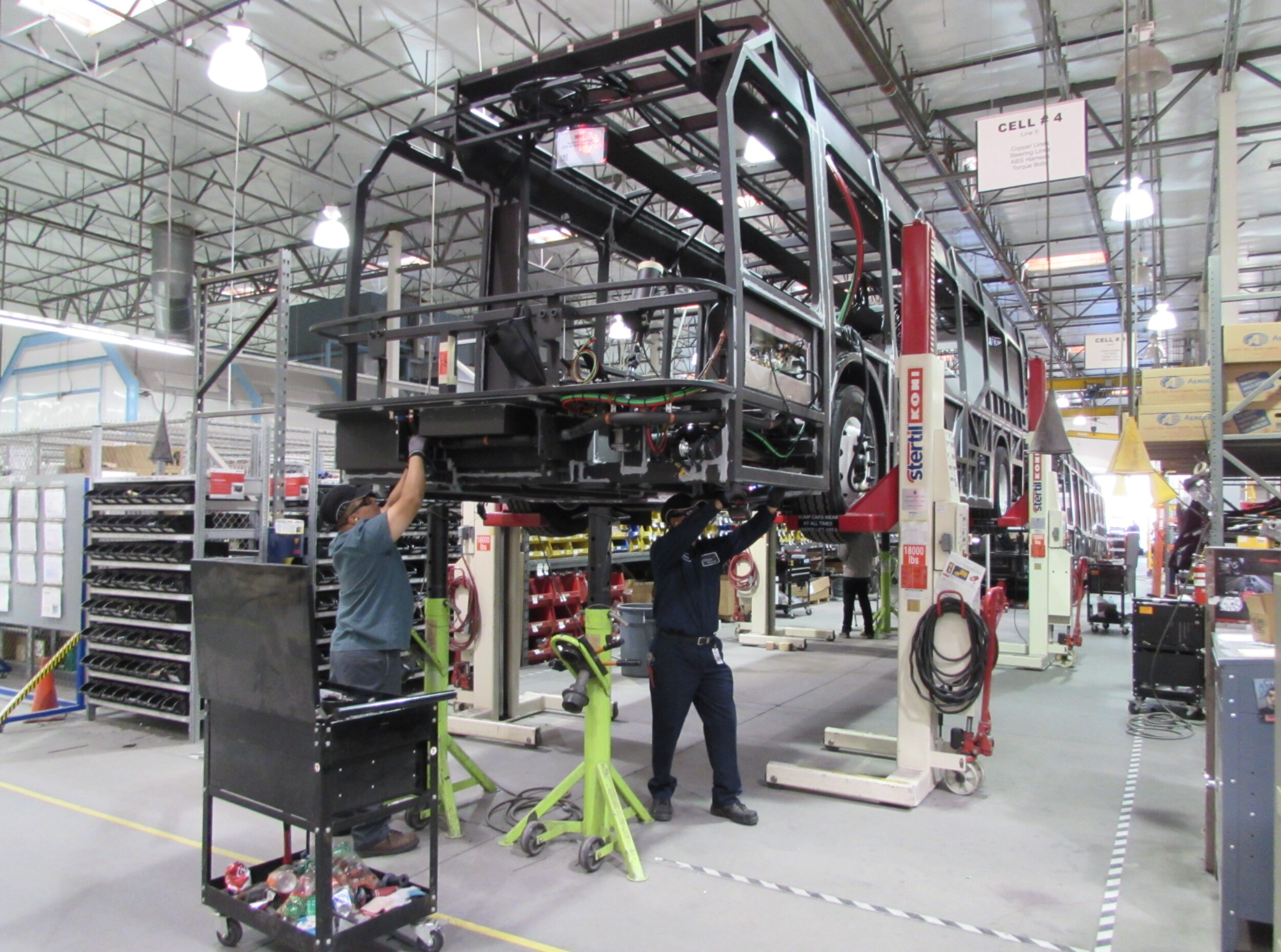
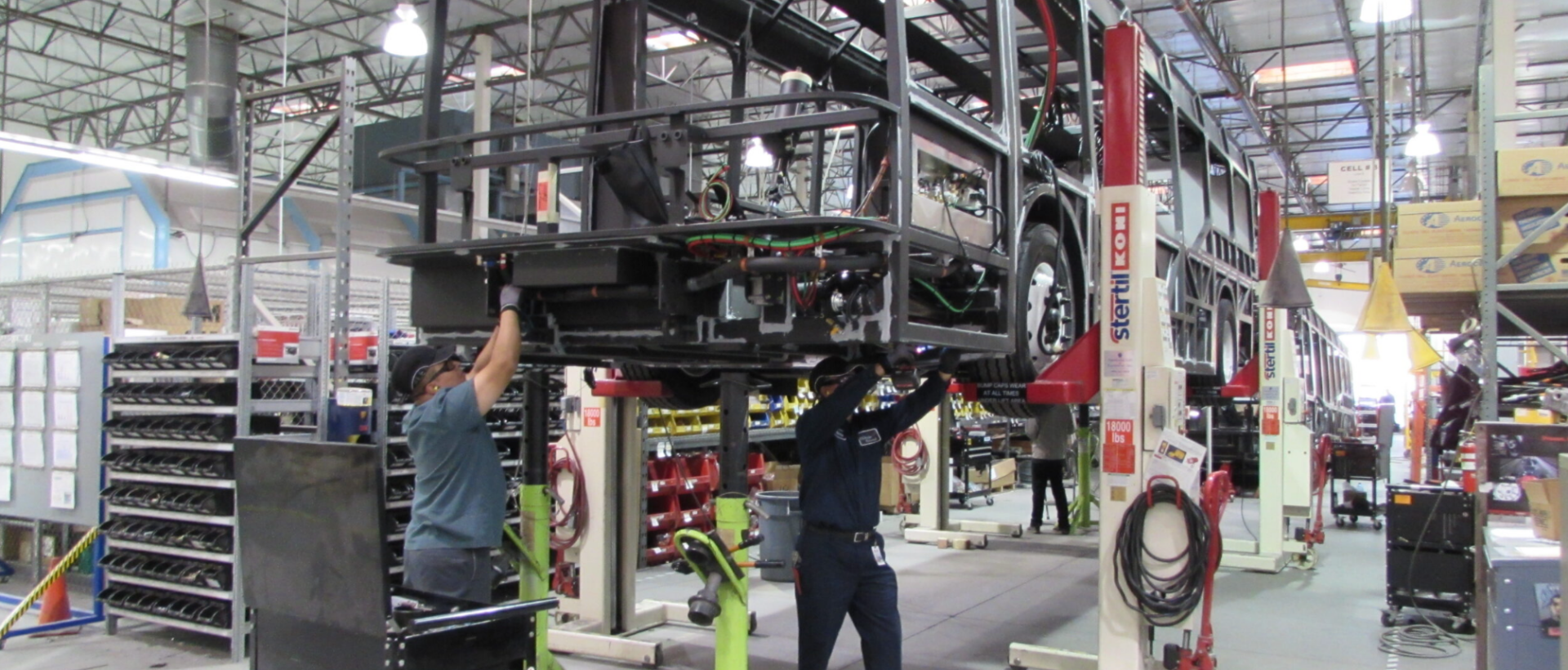
Of the 34,100 jobs supported by the industry, approximately 4,700 were employed directly by transit bus manufacturers. A further 29,400 jobs were supported through the wider supply chain and the spending of workers’ earnings.
Oxford Economics calculates that every direct job at a transit bus manufacturer supported an additional 6.3 jobs elsewhere in the US economy. Manufacturing accounted for around 13,000 of the total jobs supported.
The industry also generated an estimated 1.1 billion USD in federal, state and local tax revenue in 2025. The report estimates that every dollar of GDP generated directly by transit bus manufacturers supported a further 5.30 USD through supply-chain and household-spending effects.
The report found that the economic impact of transit bus manufacturing extended across all 50 states. States with major bus assembly facilities, including Alabama, California, Minnesota and New York, recorded some of the largest impacts. Significant activity was also identified in Illinois, Indiana, Michigan, Pennsylvania and Texas.
Research from APTA has previously shown that federal investment in public transport supports a wide manufacturing network across the United States.
The analysis covers three forms of economic impact: direct activity from bus manufacturers, indirect activity generated through their domestic supply chains, and induced activity resulting from workers spending their earnings elsewhere in the economy.
The research focuses specifically on heavy-duty transit buses, defined as vehicles of at least 30 feet operated by public transit agencies. This includes standard and articulated buses, commuter coaches, double-deckers and other heavy-duty transit vehicles.
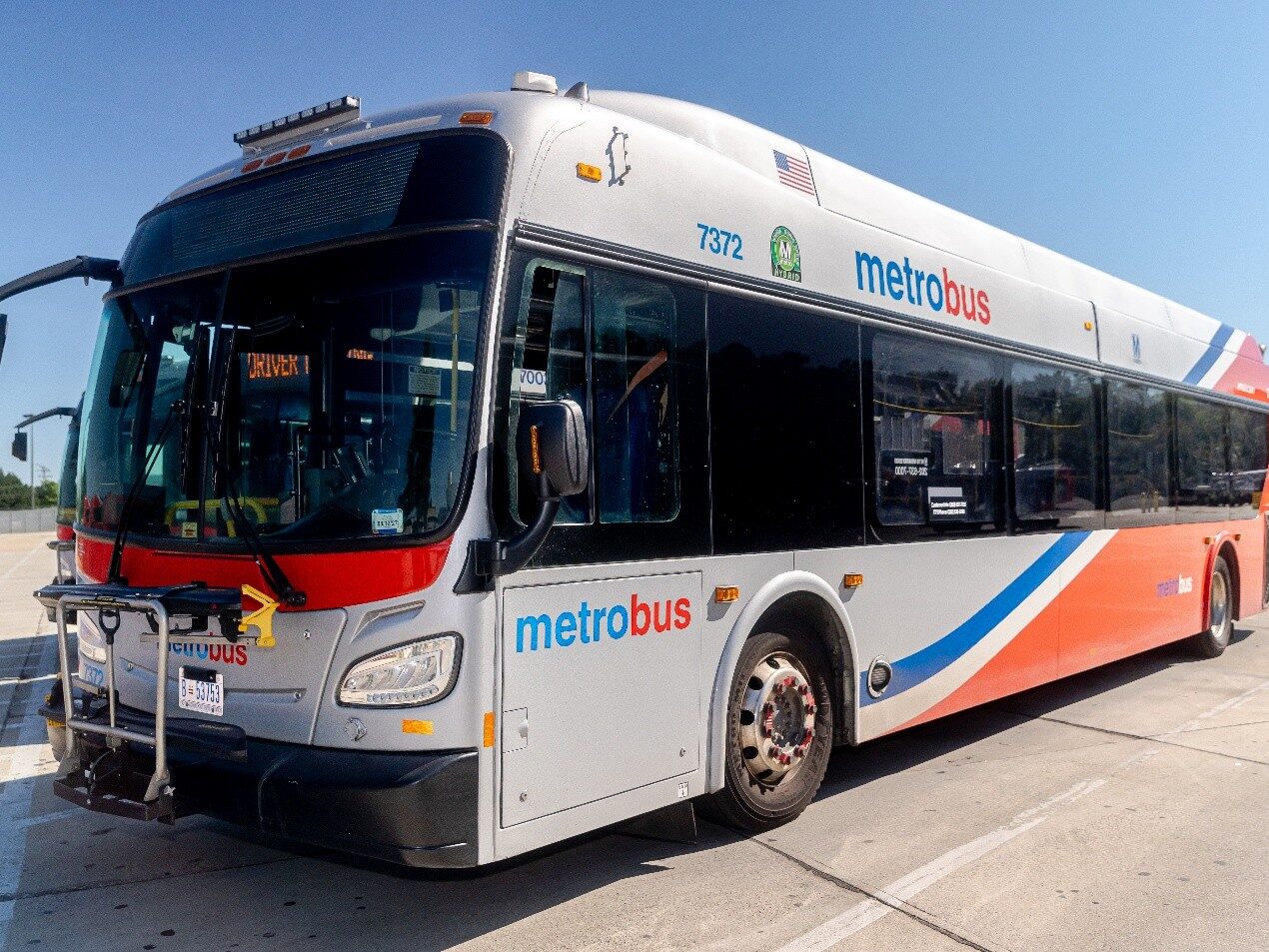
The report also highlights the age of the US transit bus fleet as a factor supporting future manufacturing demand. US transit agencies operated approximately 65,300 heavy-duty transit buses in 2024. Around 13,700 were already more than 12 years old, while another 21,500 were between eight and 12 years old. Together, those vehicles represented more than 54% of the fleet and either already exceeded, or are expected to reach within five years, the Federal Transit Administration’s 12-year useful-life benchmark.
Transit buses carried approximately 3.8 billion passenger trips in the US during 2025, representing around 49% of all public transport trips and more than 10 million trips on an average day. However, bus deliveries have yet to return to pre-pandemic levels. Around 4,700 transit buses were delivered in the US and Canada in 2025, compared with more than 6,300 in 2019.
Electric Buses
The composition of new bus deliveries is also changing. Battery-electric buses represented around 4% of the existing US transit bus fleet, but accounted for approximately 20% of transit buses delivered during 2023 and 2024. Diesel buses remained the largest category of new deliveries, representing roughly half of vehicles delivered during the period.
Oxford Economics notes that domestic procurement requirements, including federal Buy America provisions applying to federally funded transit investment, have helped support the US manufacturing and supplier base. Looking ahead, this trend may change, as the current administration has stated that it intends to give priority to low-emission projects over zero-emission proposals where permitted.
The report’s findings come as US transit agencies face a sizeable fleet replacement requirement, while manufacturers and suppliers adapt to changes in propulsion technology.
The research does not attempt to quantify the wider economic effects of operating transit services or investing in depots, charging infrastructure and other transit capital projects. Its analysis is limited to the manufacturing of heavy-duty transit buses and the domestic supply chain supporting their production.