Last week, autonomous bus technology for automated public transport systems was among the mobility solutions demonstrated at the ITS America Conference & Expo 2026 in Detroit.
Held at Huntington Place from 9 to 12 June, the event brought together transport authorities, technology suppliers and mobility operators to discuss developments in intelligent transportation systems, connected vehicles and automated mobility.
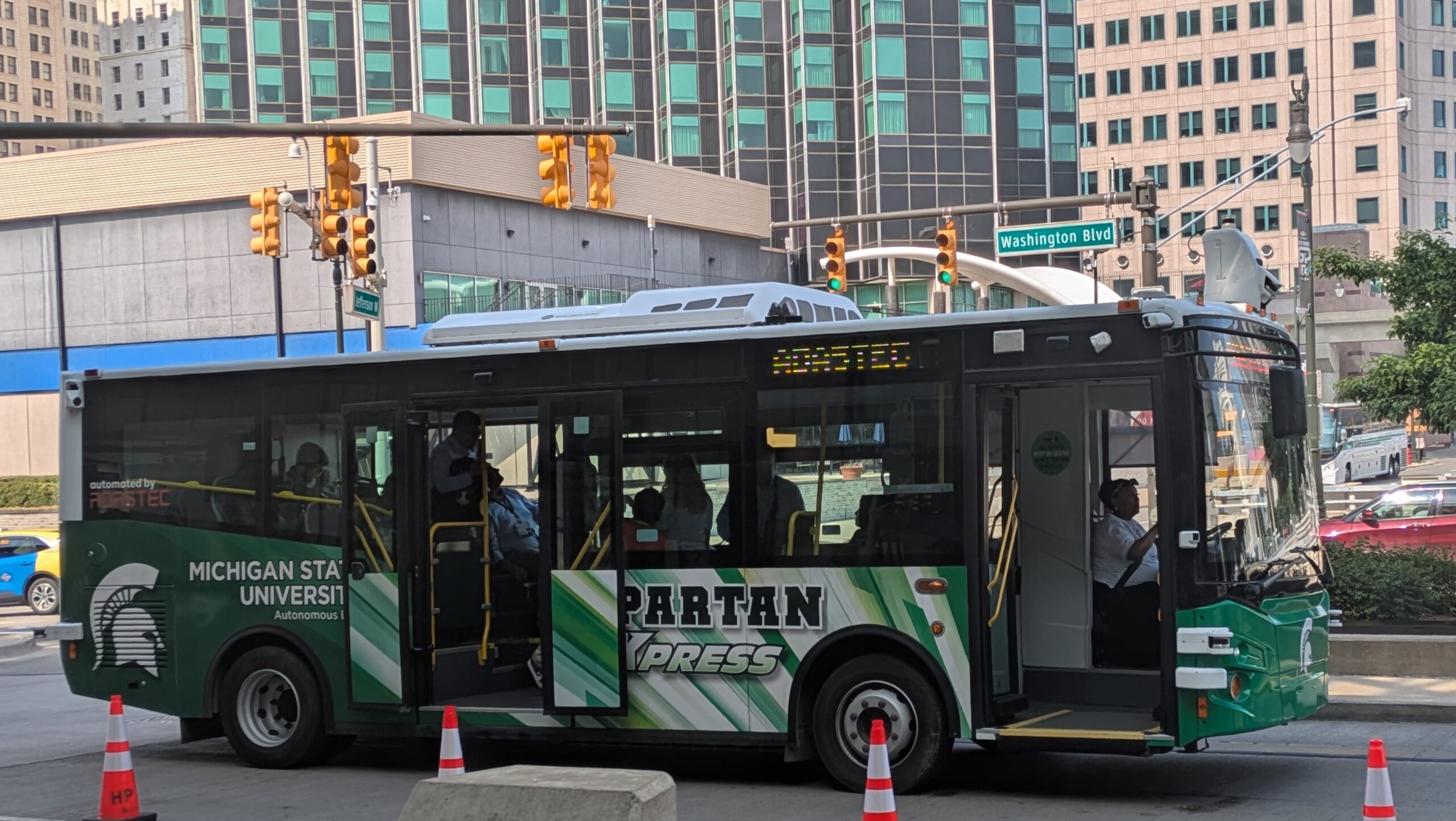
The most notable autonomous transit vehicle at the event was an automated bus operated by ADASTEC. The company organised live demonstrations linking the conference venue with Detroit’s Smart Parking Lab and Newlab innovation centre, allowing delegates to experience autonomous public transport technology in operation.
The demonstration formed part of the conference’s outdoor mobility programme, which highlighted emerging transport technologies.
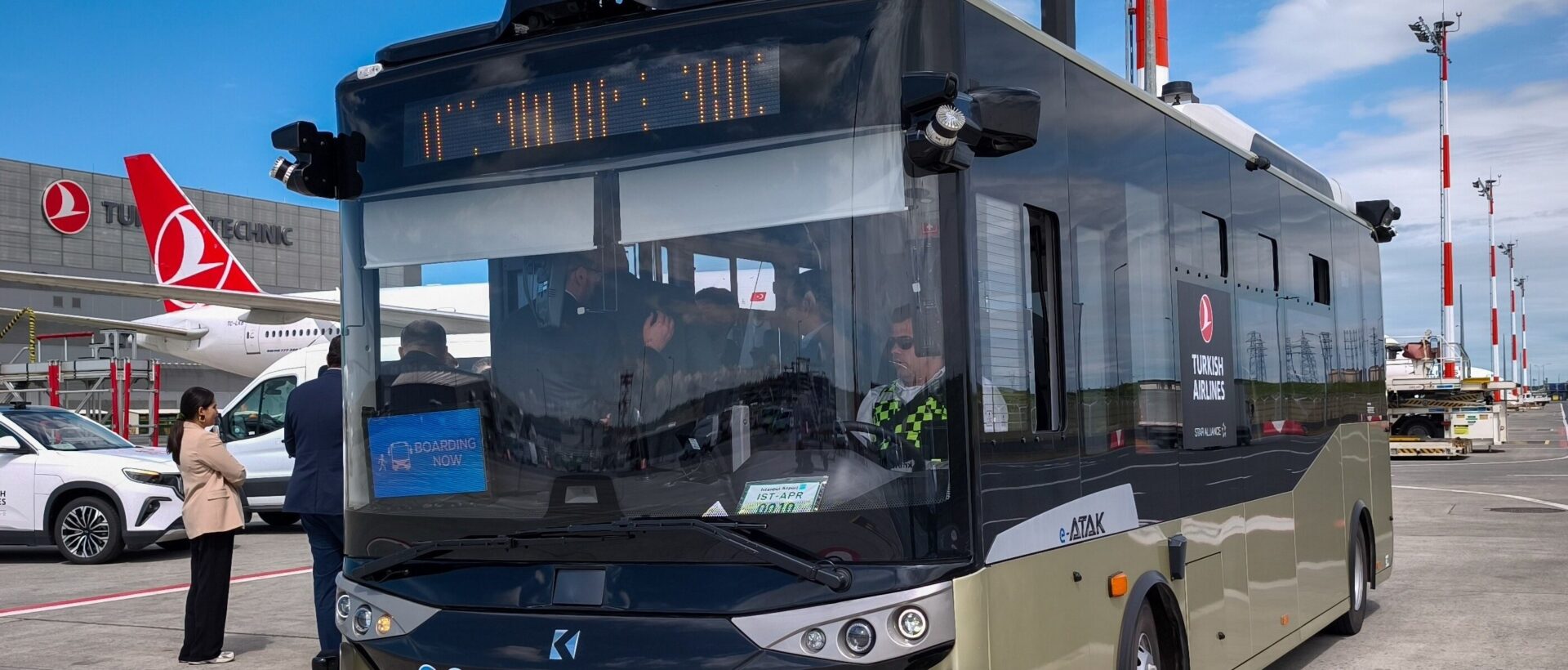
ADASTEC’s automated driving platform is widely deployed on the Karsan e-ATAK electric midibus, a vehicle that has been introduced on several autonomous transit projects in Europe and North America. The demonstration vehicle at ITS America was built to provide autonomous transport at Michigan State University.
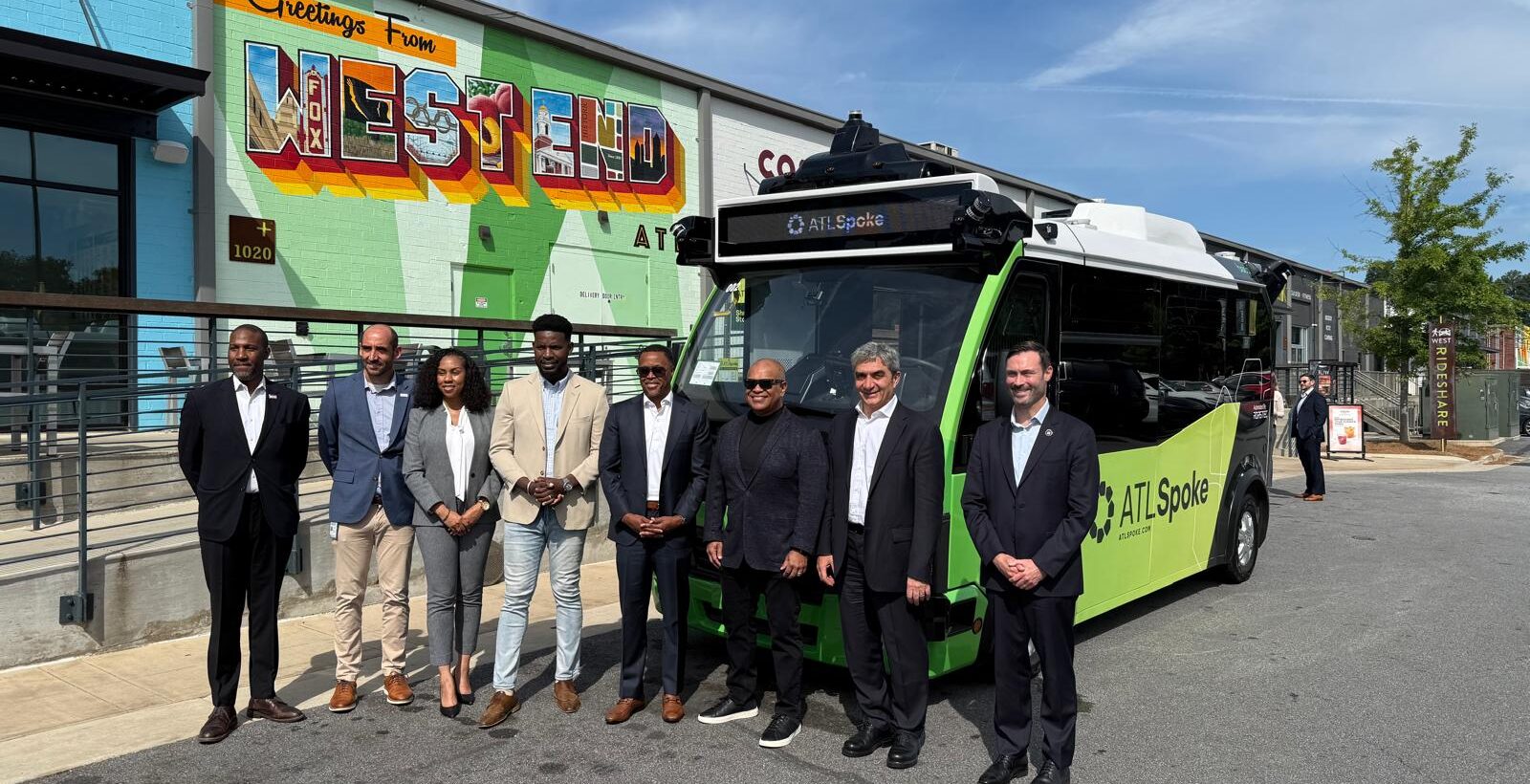
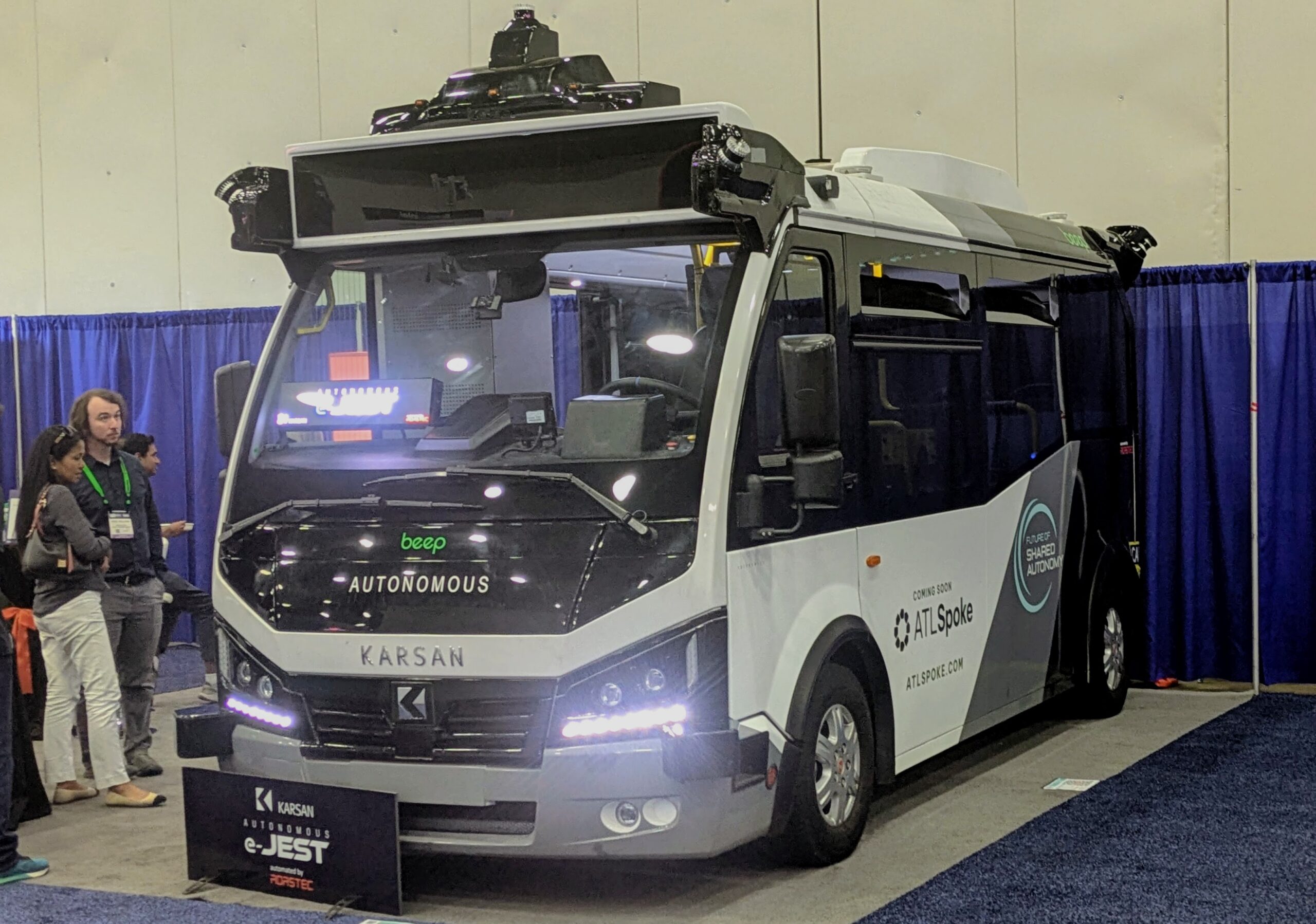
Autonomous shuttle operator Beep was also present at the exhibition, highlighting its portfolio of automated passenger transport services. The company has previously deployed autonomous shuttle vehicles, including the Volkswagen ID. Buzz AD and the Karsan e-JEST in public transport and campus environments.
At ITS America, the company displayed a Karsan e-JEST vehicle set to begin services in Atlanta.
The presence of autonomous buses and shuttles demonstrates that the intelligent transportation sector is focusing on public, as well as private, mobility modes.
The conference also included a number of sessions examining the future role of autonomous and connected public transport systems.
One session, From Pilot to Platform: High-Capacity Autonomous Transit as a New Mode, explored how autonomous vehicles are integrating within public transport networks. Speakers from Beep, ADASTEC, the City of Altamonte Springs, the Contra Costa Transportation Authority, the Michigan Department of Transportation and Atlanta Beltline discussed how larger autonomous transit vehicles could complement existing bus and rail services, reduce service intervals and extend network coverage in underserved areas.
Beyond vehicle automation, discussions also focused on the digital infrastructure required to support modern public transport. In the session Making the Invisible Visible – Using Open Data Standards for Public Transit, representatives from the Michigan Department of Transportation, HNTB and MobilityData examined how General Transit Feed Specification (GTFS) standards have improved the visibility of public transport services through journey-planning applications and digital platforms. The panel highlighted the role of open data in increasing access to both fixed-route and flexible transit services.
Operational improvements for bus networks were also examined through the session Evaluating Next Generation Transit Signal Priority. Speakers presented projects from several US cities demonstrating how transit signal priority technologies are being used to improve bus reliability and journey times. Case studies included the Miami-Dade Busway project, IndyGo’s transit signal priority programme and a pilot scheme in Pigeon Forge, Tennessee.
Together, the exhibition and conference sessions reflected an industry focus on combining automation, connectivity, open data and operational improvements to enhance public transport networks.