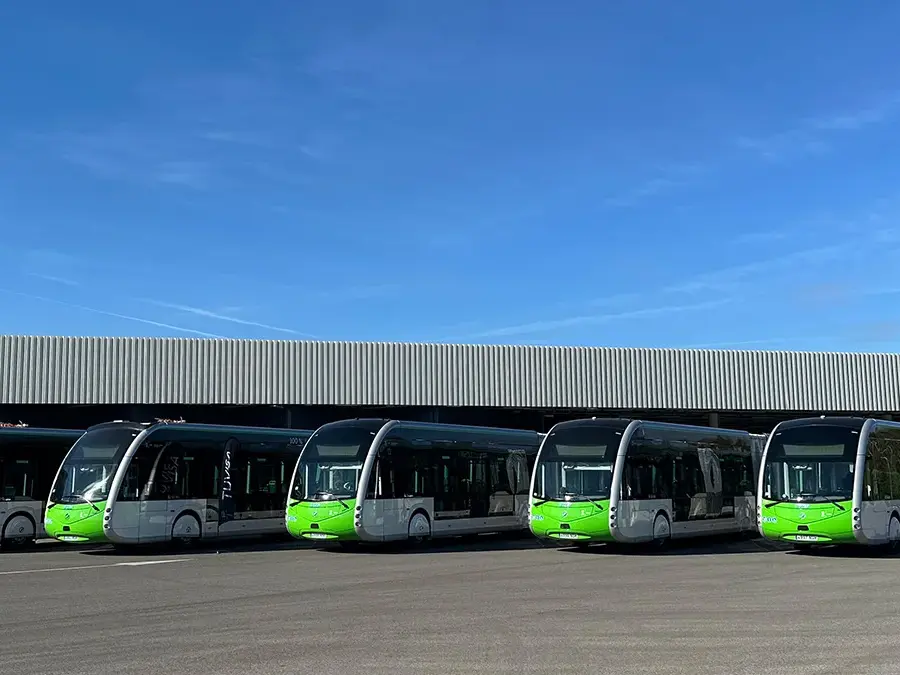
Student mobility provider Zūm has announced the deployment of an new all-electric school bus fleet in the San Francisco Unified School District (SFUSD).
Powered by the provider’s Connected Mobility Experience (CMX™) solution; the deployment aims to combine electric vehicles, charging infrastructure, routing intelligence, real-time operations, and transparency into its single integrated transportation system.
All electric buses will be supported by modern charging infrastructure with built-in bidirectional vehicle-to-grid (V2G) capabilities, enabling the fleet to become the largest of its kind in the United States.
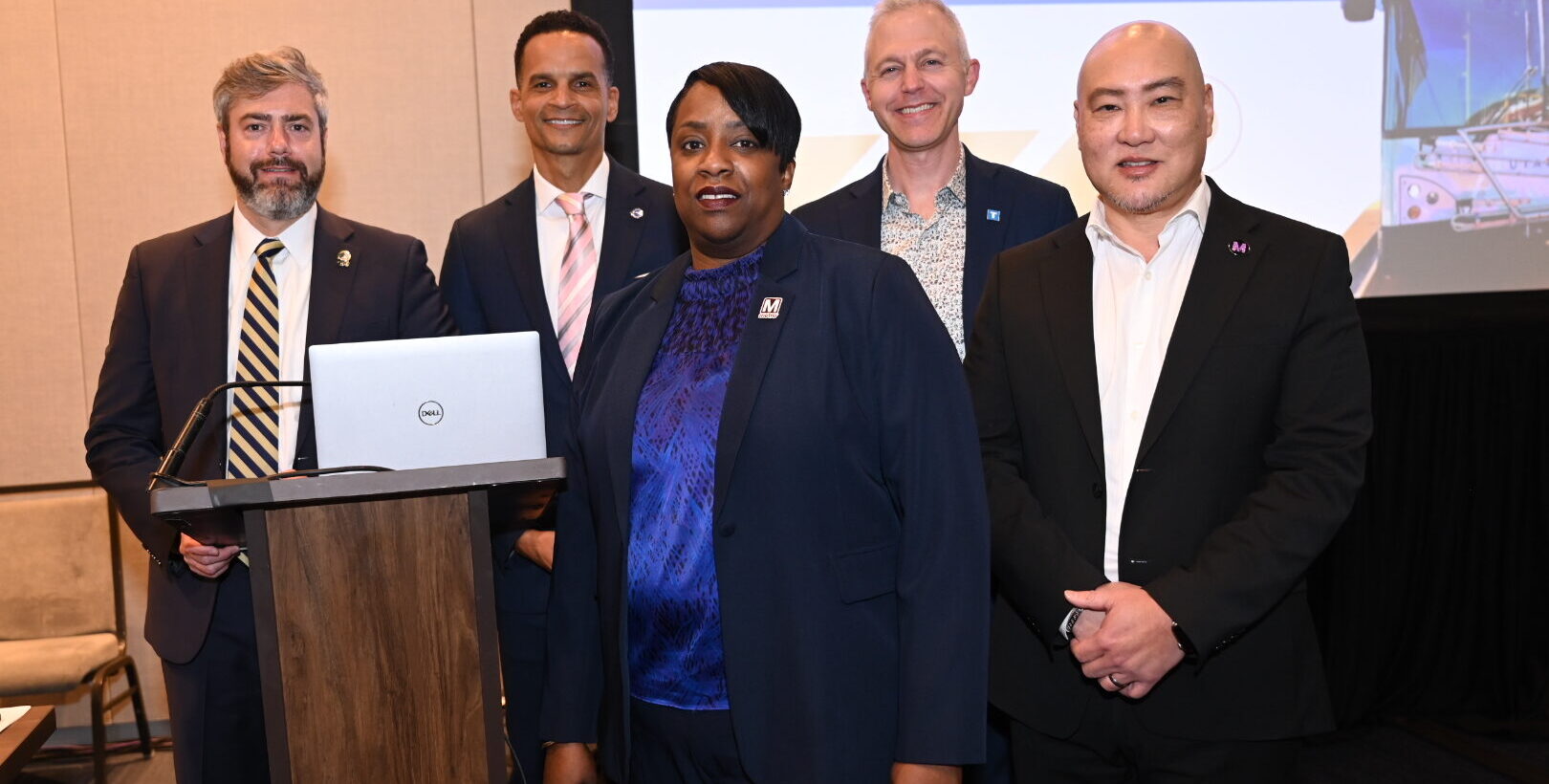
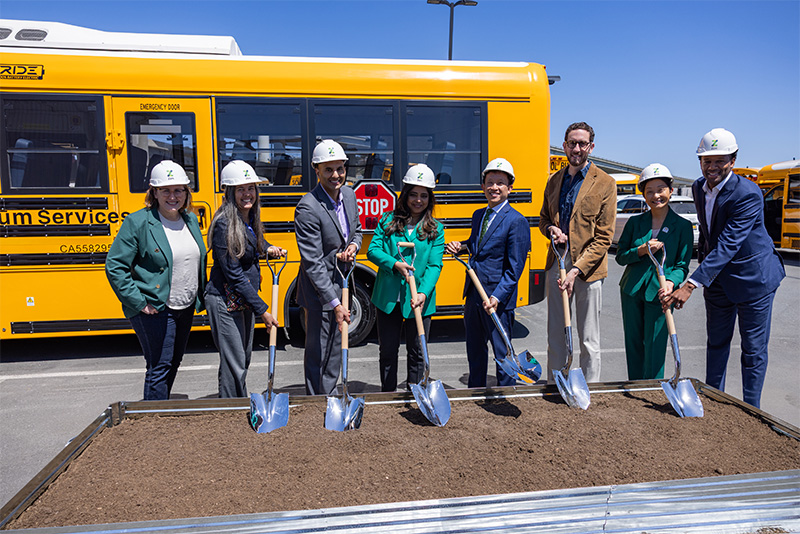
To celebrate Phase One of the electrification effort, Zūm held a groundbreaking event, which was attended by local and state leaders, including State Senator Scott Wiener; Superintendent Maria Su; San Francisco City Attorney David Chiu; SFUSD Commissioner Gupta and SFUSD Commissioner Ray.
Ritu Narayan, CEO of Zum, said:Today marks a major achievement in Zum’s national electrification efforts as well as an exciting evolution of our successful partnership with San Francisco Unified School District.
This state-of-the-art electric fleet, combined with Zum’s CMX technology, will improve the mobility experience for students, families, and drivers while strengthening grid reliability and resiliency for the entire community. We are building connected mobility infrastructure that benefits both schools and cities.
Starting in August 2026; Zūm will deploy 104 electric school buses with bidirectional charging infrastructure in San Francisco, which will aim to provide quiet, zero-emission transportation to students and will have the capability to return approximately 3 gigawatt-hours of clean energy to the local grid annually during peak hours, providing power to 1.2 million homes for up to 3-4 hours.
Plans also include the addition of more electric buses to complete the 2027-2028 school year, making a total of 238 EVs with bidirectional charging operatonal in San Francisco.
The project has been made possible through the support of EPA Region 9, the California Energy Commission, the Bay Area Air Quality Management District, and PG&E through a combination of grants and incentive programs focused on advancing clean transportation, electrification, and grid resilience infrastructure.