Electric coach operator Ember has proposed an alternative model for supporting bus travel in Scotland, arguing that a nationwide 2 GBP fare cap could create challenges for both operators and the government if implemented using existing reimbursement mechanisms.
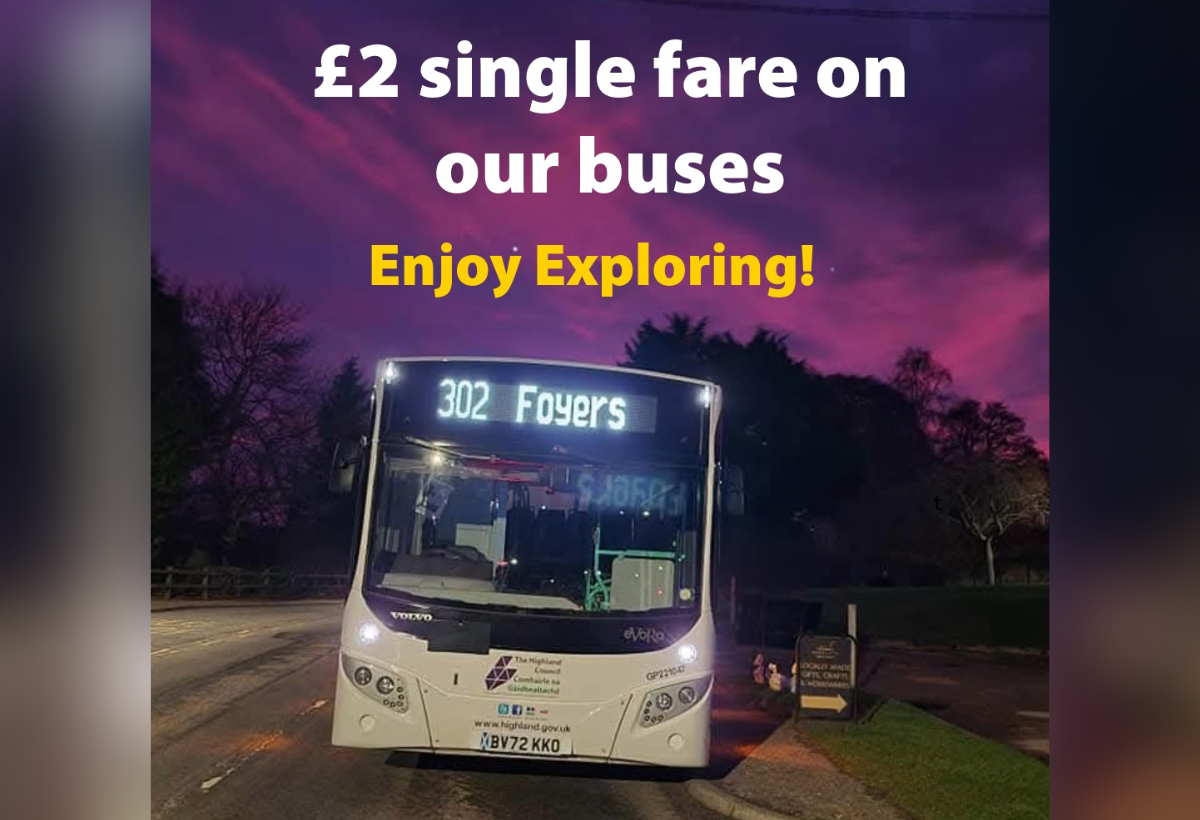
The comments follow the Scottish Government’s trial of a 2 GBP fare cap in parts of Scotland, and the Scottish National Party’s commitment to introducing a similar scheme nationwide.
In a policy statement published on 18 June, Ember said it supports efforts to make public transport more affordable but questioned whether the current fare cap model would provide a sustainable framework for long-term funding.
Under the pilot scheme, operators are reimbursed for a proportion of the difference between the capped fare and an existing reference fare, known as a “shadow fare”. Ember argues that these reference fares do not always reflect the prices typically paid by passengers, many of whom use return tickets, season tickets or discounted fares.
Ember argues that, under a permanent national scheme, operators could have limited incentives to keep shadow fares aligned with market conditions because passengers would continue to pay the capped fare regardless of the underlying reimbursement calculation.
This could create difficulties when determining how reimbursement levels should be adjusted over time and may lead to inconsistencies between operators and regions.
The operator also highlighted differences in fare structures across Scotland, noting that similar journeys can attract different fares depending on the operator and ticketing model. It argues that incorporating these historic fare levels into a national subsidy system could result in unequal reimbursement rates.
Ember said:The Scottish Government has been trialling a £2 bus fare cap in parts of Scotland since earlier this year. This has developed into an SNP manifesto commitment to roll out a similar scheme across the country.
This sounds simple and attractive. Many households are under pressure and bus fares are one of the costs people notice. Capping fares at £2 sounds like a good way to reduce the cost of living immediately and drive increased bus usage over the longer-term.
The problem is not the goal. The problem is the mechanism.
As an alternative, Ember has proposed a funding model based on passenger journeys rather than existing fares. Under the proposal, operators would receive support based on factors such as the number of passengers carried, journey distance, and local transport needs.
The company suggests that additional weighting could be applied to services operating in rural areas, locations experiencing transport poverty or during periods when services are more costly to operate, such as evenings and Sundays.
Such a system could replace existing concessionary reimbursement arrangements and other support mechanisms while providing a more transparent basis for allocating public funding.
The proposal would require operators to demonstrate that public funding is passed on to passengers through lower fares during an initial implementation period. Thereafter, operators would retain greater flexibility to respond to local market conditions while continuing to receive support through the national framework.
The company also argues that a journey-based funding model could encourage competition and make it easier for operators to establish services in areas where passenger demand alone may not be sufficient to sustain routes.
Ember acknowledged that any national support mechanism would require regular review and adjustment but said a formula-based approach would provide greater transparency than a reimbursement system linked to historic fare structures.