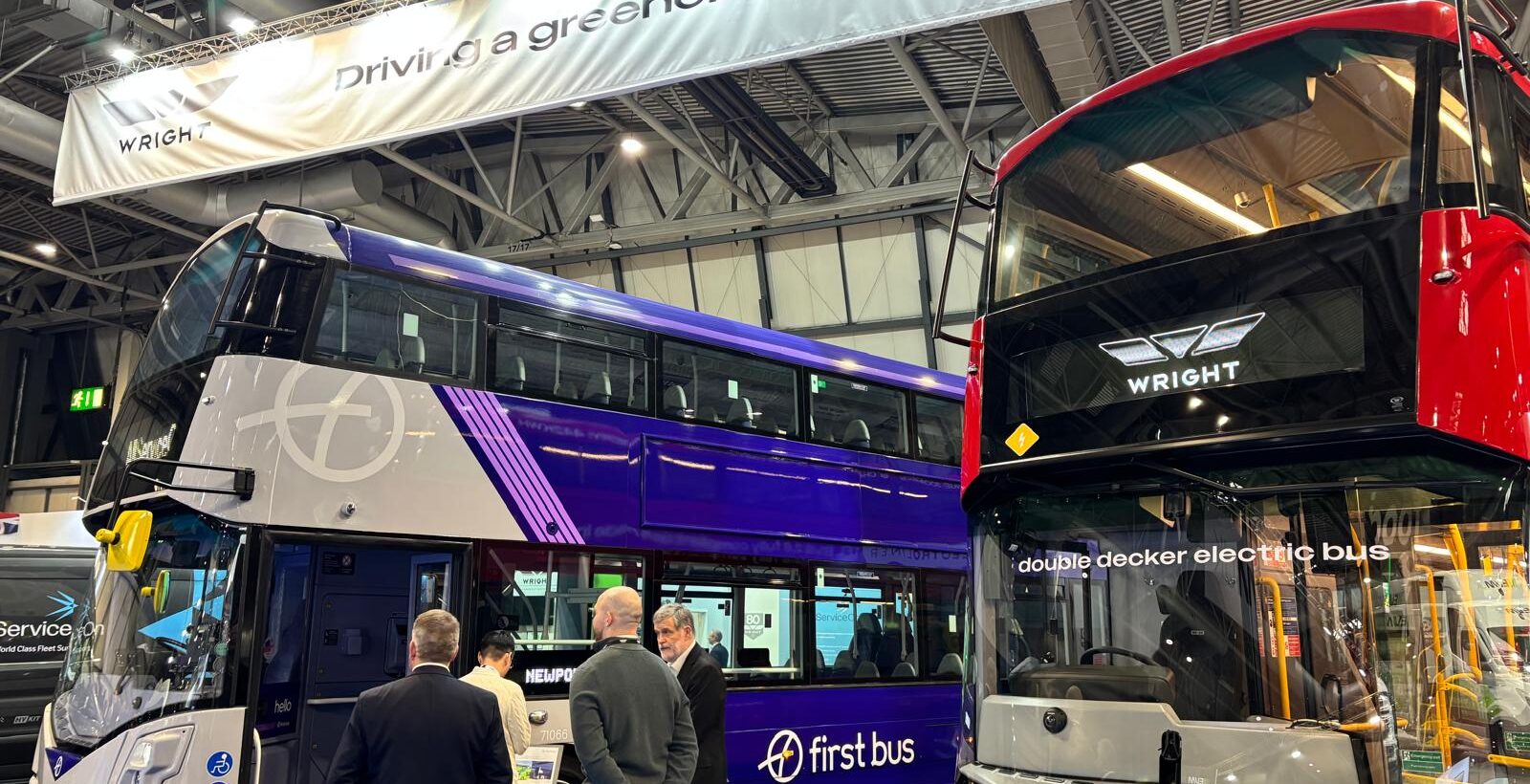
On October 27 2025; the United Kingdom officially implemented the Bus Services Act. The legislation, which first originated into the House of Lords in December 2024; broadly aimed to give local authorities in England expanded powers to control and redesign local bus networks.
Local transport authorities were given permission to issue direct awards to incumbent operators and set up franchising schemes outside of metro-mayor regions; past restrictions preventing councils from creating and running their own municipal bus services were lifted; new, stricter rules aimed to prevent the sudden cancellation of socially necessary bus routes and new fines were introduced in order to discourage antisocial behaviour on buses.

However, with a year now having passed since its ascension, a number of questions still remain – who has benefitted from the Bus Services Act 2025 so far? Which regions have made the furthest strides? Has the Act delivered on any of its promises?
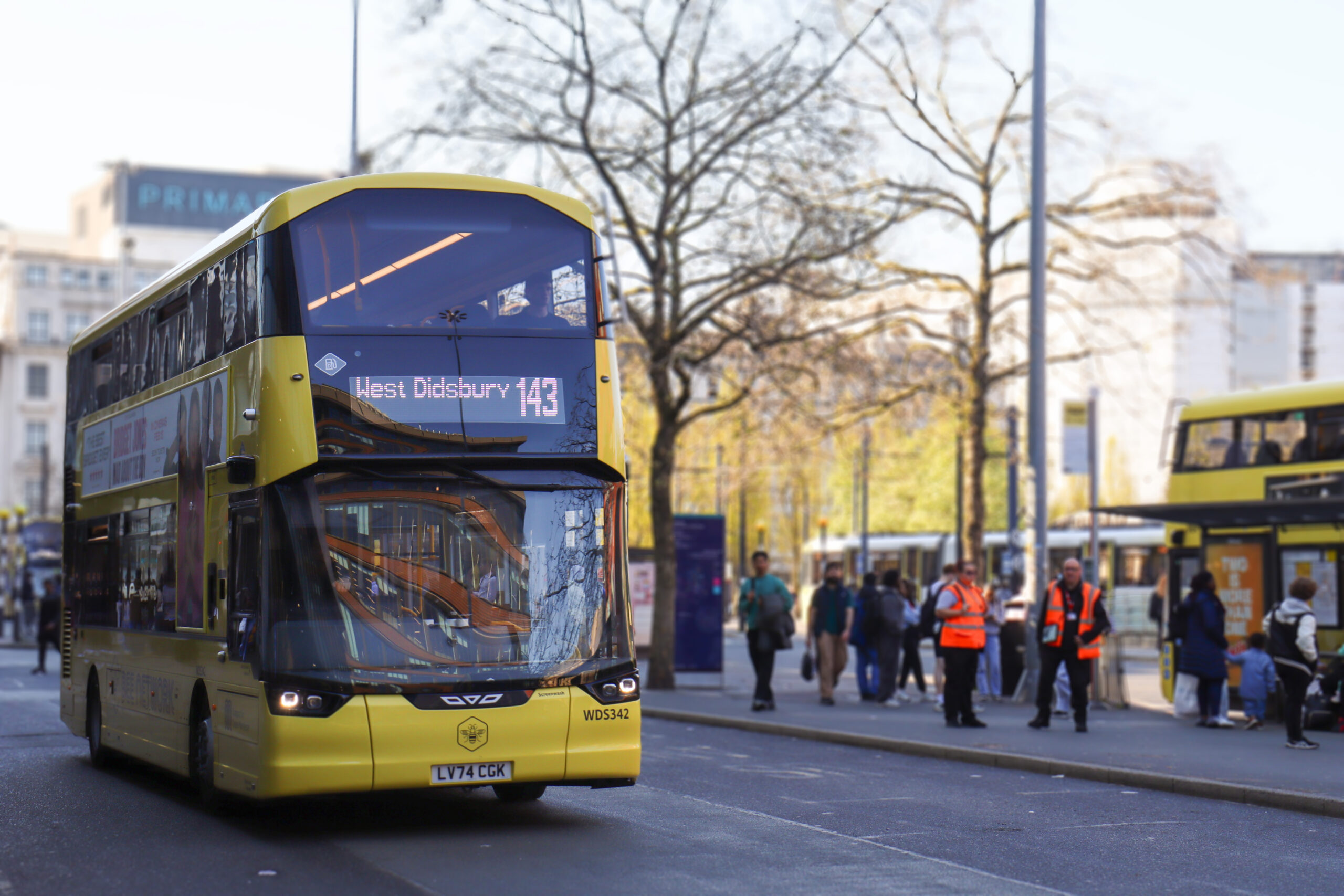
Speaking with Simon Lightwood, Minister for Buses and Local Transport, he believes that the first year has seen ‘great progress’ with regards to a number of initiatives – pointing, as anybody might expect, toward successes with franchising efforts in Greater Manchester, which has seen year-on-year passenger growth of around 14% in the areas that were first franchised, and now possesses an overall passenger satisfaction rate of 75% – 10% higher than the national average.
But this is cited as just one of the results from a year of the Bus Services Act, and elsewhere Lightwood reinforces the Government’s intention to give local authorities multiple routes toward devolution – further stressing the importance of work done to both ‘lift [the] ideological ban’ on local authority-operated bus companies, as well as work on enhanced partnerships, all of which were initially envisioned to help ensure that when significant proposals are made to change or withdraw a service, the impact on the local community is carefully considered and all other options are explored.
“For too long, people have been plagued by unreliable buses and poor connections to some really important routes. That’s made it difficult for people to get around, get to work, visit loved ones and access NHS services, particularly in rural areas.”
“The Act was crucial in giving local leaders the toolkit they need to make real changes. We’ve backed that up with 3 billion GBP of funding, which is really important for local areas.”
“It’s also multi-year funding, so it’s not just a one-off investment. Local authorities can use that money in whatever way they see fit to deliver better buses for their communities. That could mean introducing additional services, driving down fares, improving bus stops or investing in zero-emission buses.”
“Within that toolkit, there are three main options because there isn’t a one-size-fits-all approach. It’s about local leadership, which is what devolution is all about.”
An Equal Act Across the Country?
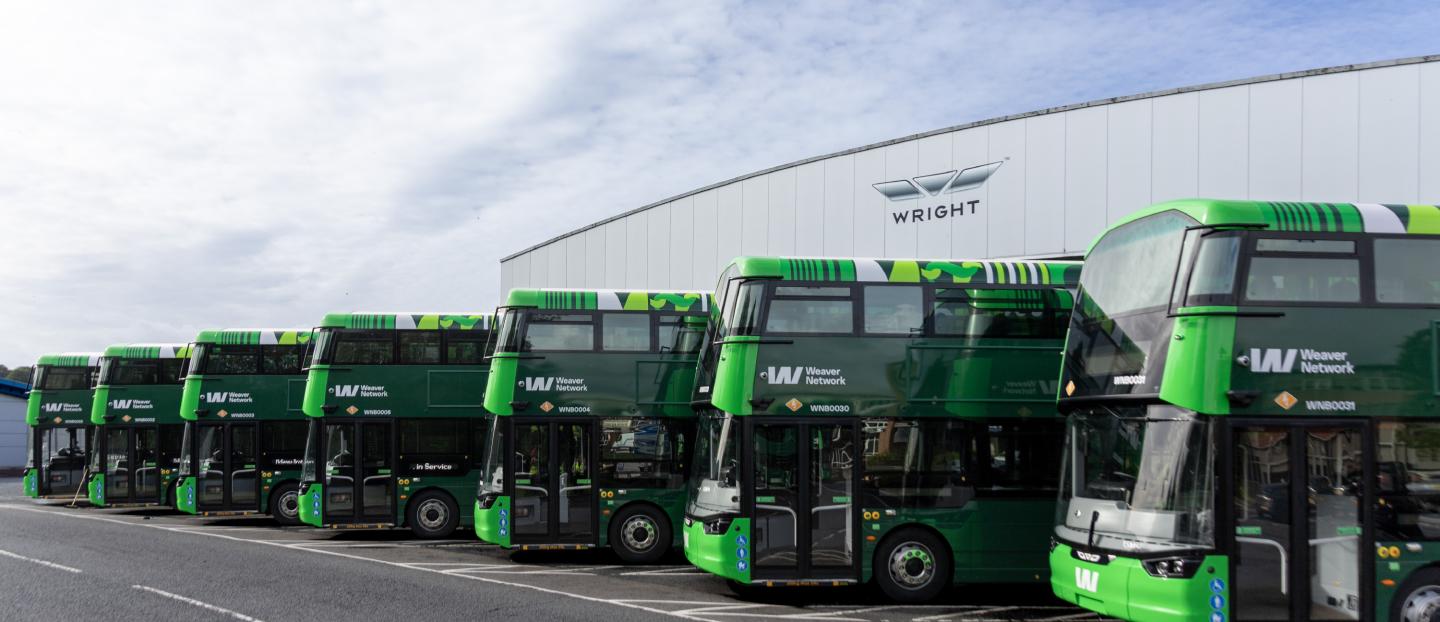
Referring back to the successes seen in Greater Manchester; it might be easy to assume that, given the wealth of coverage of the city region’s efforts thus far, it might be the only area in the country to have progressed under the Act. However, recent strides made by the West Yorkshire Combined Mayoral Authority and its Weaver Network, as well as the Liverpool City Region, paint a different picture – and with the former recently unveiling a new look at its own signature Wrightbus vehicles, it would seem that, for a large portion of the country, the law has been a tremendous help.
But with these successes in highly populated urban areas, one major question remains: how has the Bus Services Act 2025 impacted those living in more rural, less densely populated areas? What support has the Government provided for regions in which franchising may not be a viable option? When questioned on this, Lightwood stated that the Government is currently running a number of franchising pilots across the country – many of which are intended to act as ‘proof of concept’ trials for areas not considered city regions.
Citing locations such as York and North Yorkshire, the Minister stated that the Government is working to ensure that there is a ‘real spread’ of different geographies involved – a stipulation that aims to demonstrate the value in franchising in a wide variety of different circumstances. Lightwood also stressed once more that franchising is just one of the ways in which the Act aims to improve transport situations across the country.
“There are different types of franchising. There’s the full-fat version, if you like, which is what you’d describe as the Manchester model. But there are also more flexible models, such as the Jersey model, and other approaches. There are lots of different ways of delivering franchising, with different levels of risk and investment required.”
“We very much wanted to support local areas interested in exploring this, and that’s what the funding and pilots were all about, and I’ve always been clear that this isn’t a one-size-fits-all approach. Franchising gets the headlines, but we’ve delivered a whole toolkit. Franchising is one part of that. Lifting the ban on municipal bus companies, or local authority-operated bus companies, was another.”
Antisocial Behaviour
One of the many elements of the Bus Services Act 2025 is the introduction of brand-new powers that allow for the issuing of fixed penalties under both local transport and TfL bylaws, as well as specific, mandated training for drivers and staff regarding anti-social behaviour, crime prevention, and passenger safety (with a focus on women and girls).
With recent research published by the National Centre for Social Research (NatCen) indicating that around 86% of surveyed public transport users experienced some form of anti-social behaviour, and younger women being disproportionately impacted by harassment and feeling unsafe after dark; the introduction of stronger deterrents and powers for those present could not be more important.

When questioned on whether these new powers have led to a decrease in antisocial behaviour, Lightwood stated that whilst these powers have indeed been introduced, frontline bus staff are ‘not expected’ to tackle such situations themselves, and will be given the training to ‘spot the signs’ and ‘know what to do when [such situations] arise’. Elsewhere, travel safety officers are also available to take action when necessary, and the Government’s new anti-loudcasting campaign has also been developed to reduce the use of loud mobile devices on public transport, amongst other things.
However, despite these assurances, these new plans have not been met with universal praise. Last month, Unite General Secretary Sharon Graham commented on the Government’s ‘Share the Journey, Not the Noise’ campaign, stating that the proposals are ‘well meaning’ but ‘wholly inadequate to tackle the challenges and violence bus workers are facing on a daily basis’ – leaving both passengers and staff in a vulnerable position without a stronger enforcement of previously promised initiatives.
Funding for Northamptonshire
Finally, the Bus Minister gave us some insight into a recent announcement that Northamptonshire would be receiving roughly 23.8 million GBP in a funding injection led by Stagecoach with additional support from the Government.
The investment is intended to fund the purchase of 51 zero-emission buses for the area, bringing the local fleet to around 105 by spring 2027 and further decarbonising the county. These buses will be equipped with air conditioning, USB charging ports and Wi-Fi.
West Northamptonshire Council will provide 2.2 million GBP through the government’s Zero Emission Bus Regional Areas (ZEBRA) programme, whilst North Northamptonshire will contribute a further £2.2m through its Local Authority Bus Grant Capital Allocation in order to aid both Stagecoach’s funding contributions thus far.
The Future
Whilst it cannot be argued that the introduction of the Bus Services Act 2025 has provided ample opportunity for a number of regions across the country, it may be too early to tell whether the Act will have a significant, tangible effect for those living in rural areas, or those who regularly suffer from the effects of antisocial behaviour.
With franchising trials and enforcement training taking place up and down the UK; only in time will we be able to assess the impact of what is intended to be one of the most impactful changes to public transport legislation in a long, long time.