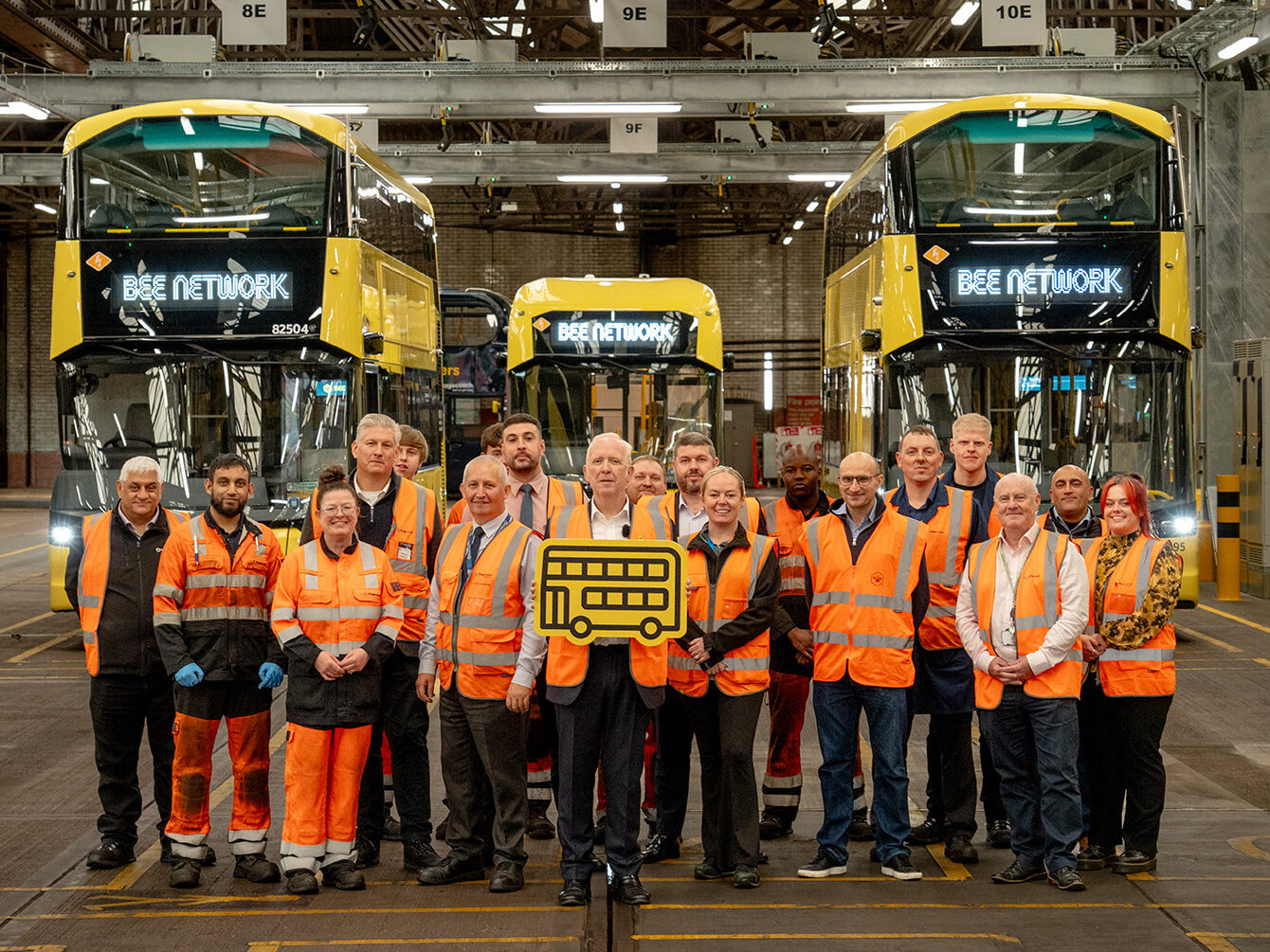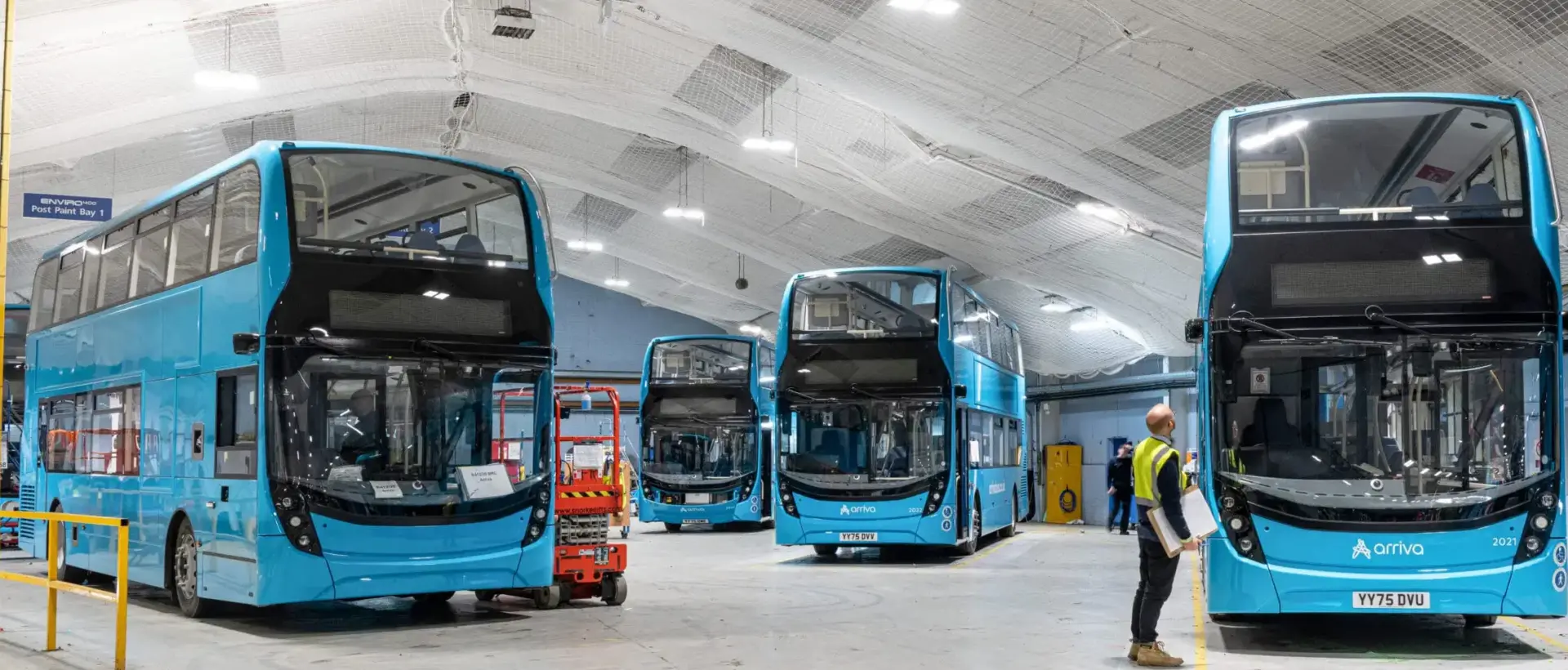
The Victoria Regional Transit System has announced the rollout of the first two of a set of 39 new double-decker buses.
Each of the new Enviro 500 Alexander Dennis buses will feature capacity to seat 80 passengers, with additional room for 24 standing passengers on the lower level.
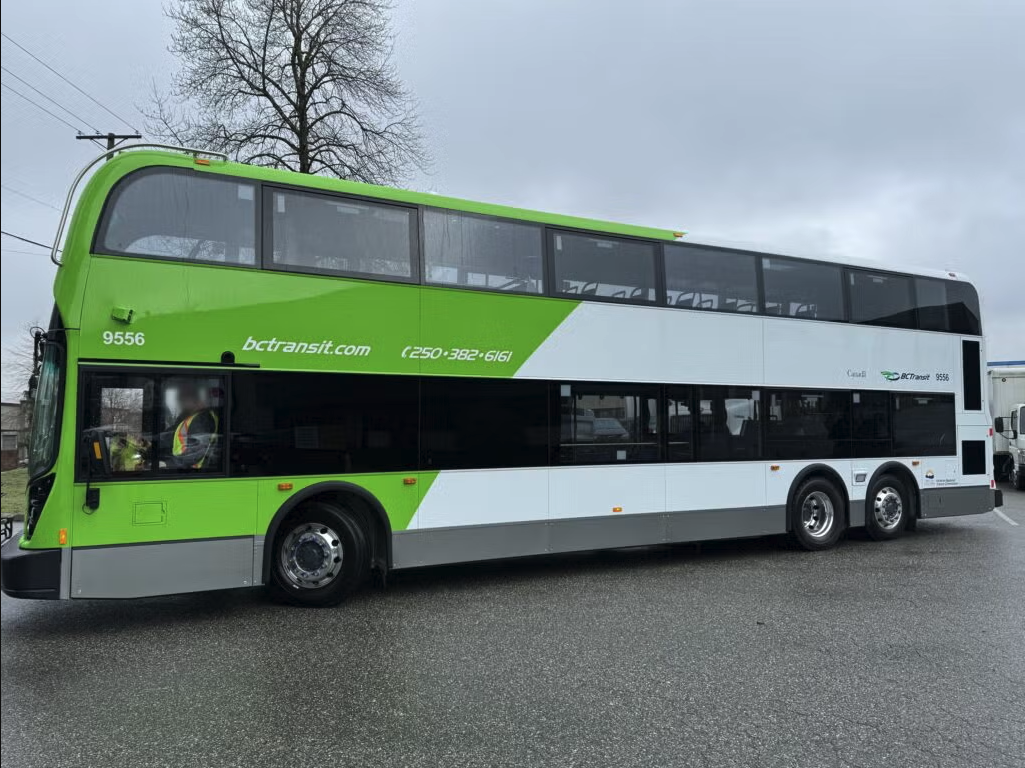
The vehicles will enter service on high-demand routes, such as the 95 Blink RapidBus, which connects people from Langford, Colwood, View Royal and Saanich to Victoria and back.
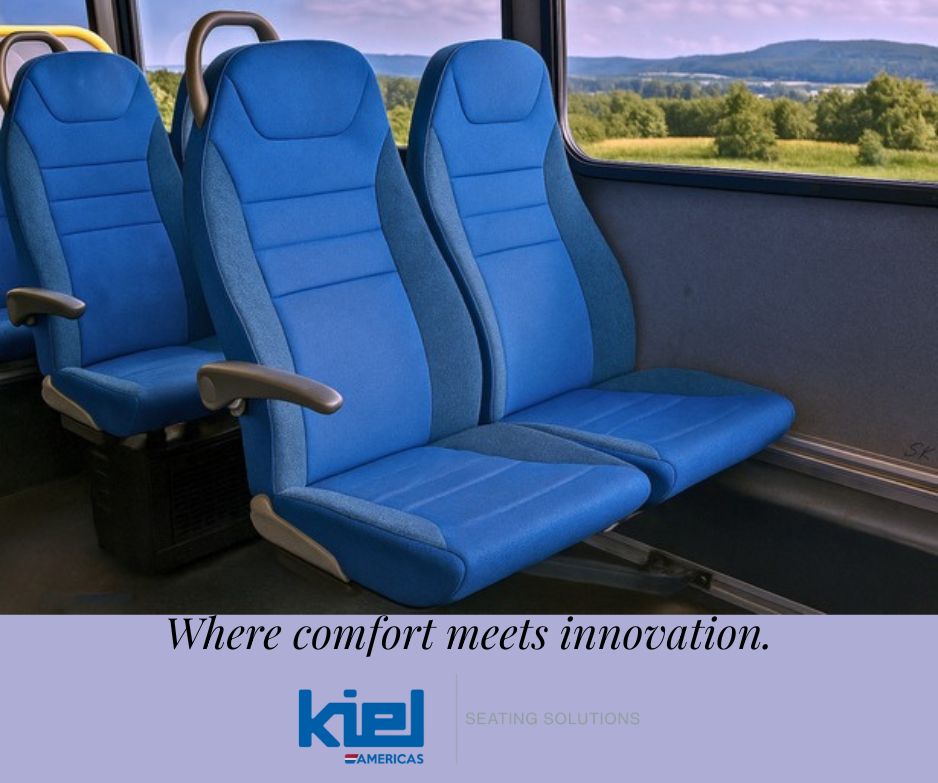
All new units will be equipped with Umo fare payment technology; USB ports at each seat; BC Transit’s NextRide system for real-time bus locations and onboard audio stop announcements on both the upper and lower levels; full-colour digital information screens; a monitor displaying seat availability on the upper deck; two improved mobility aid positions for wheelchair securement; modern vinyl seating; a bike rack to accommodate two bikes; side-mounted ‘docking lights’; and maintenance and operator improvements to increase vehicle reliability and operational performance.
Erinn Pinkerton, President and Chief Executive Officer for BC Transit, said:Our double-decker buses are iconic in the Victoria region.
The arrival of new buses marks the start of a significant investment in transit for the Victoria Regional Transit System. The 39 new buses arriving this year will help maintain reliable service on some of our busiest routes, keeping people connected to places like the Swartz Bay ferry terminal, the West Shore, the University of Victoria and downtown.
Thank you to our funding partners and everyone working to bring these buses into service.
Of the 39 new vehicles; 29 will replace existing buses nearing the end of their service lives, with the remaining 10 set to be used to expand the VRTS fleet, supporting service expansion previously announced in January 2026.
Twenty-nine of the double decker buses were funded through the Investing in Canada Infrastructure Program (ICIP), with approximate contributions each from the Government of Canada (20.99 million USD), Province of British Columbia (21.89 million USD), and the Victoria Regional Transit Commission (12.4 million USD) for a total of 55.3 million USD.
The remaining 10 vehicles were purchased via a cost-sharing agreement between the Province of British Columbia (8.4 million USD) and the Victoria Regional Transit Commission (12 million USD) for a total of 20.4 million USD.