At the APTA 2026 Mobility Conference in Salt Lake City, officials from the Federal Transit Administration (FTA) outlined funding priorities for public transport in the US.
Mark Bathrick, Acting Associate Administrator in the Office of Program Management at the FTA, outlined 14.6 billion USD in available apportionments for fiscal year 2026. Funding allocations include support for ferry services, bus networks, low- and zero-emission fleets, rail projects, transit-oriented development and a range of safety and innovation schemes.
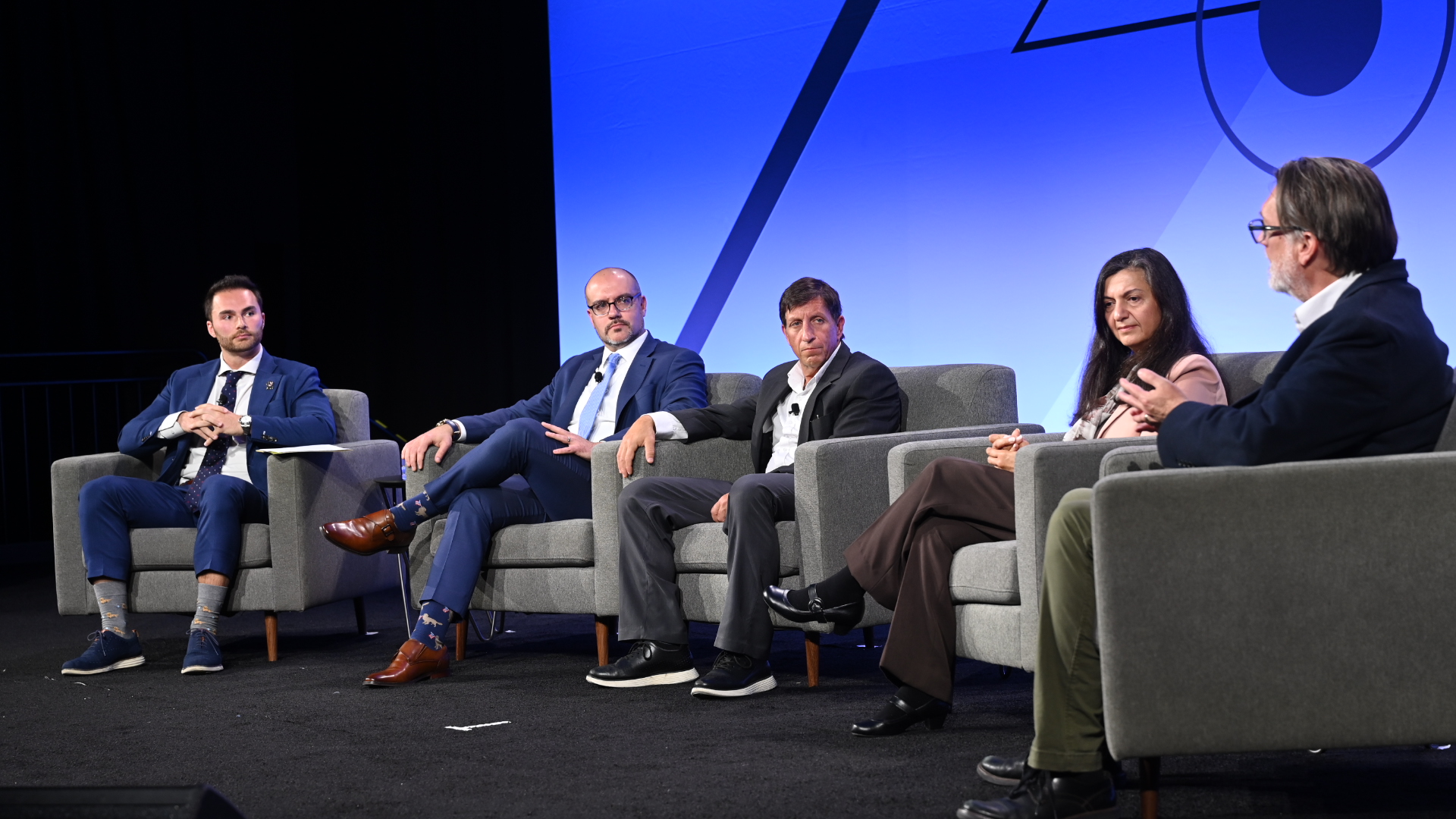
Safety was a central theme across the session, particularly in relation to workforce conditions and operational risks. Joseph DeLorenzo, Associate Administrator for Transit Safety and Oversight and Chief Safety Officer, noted that data-sharing initiatives with transit agencies had contributed to a reduction in reported assaults on drivers over the past year, the first decline recorded in eight years. However, he also acknowledged an increase in fatigue-related incidents over the past five years, and said organisations should strengthen internal communication on staff fitness for duty and fatigue management.
Alongside these operational concerns, attention turned to how safety information is recorded and communicated. Connor Torossian, Associate Administrator for Communications and Congressional Affairs, said the FTA is working to make safety data in the National Transit Database easier to interpret, with transit agencies expected to be consulted as part of upcoming changes. The focus on clarity reflects a wider push to improve how data is used by operators and policymakers rather than simply collected.
Research and longer-term safety development were also highlighted. Maryam Allahyar Wyrick, Associate Administrator in the Office of Research and Innovation, pointed to the Safety Research and Demonstration programme, which is exploring ways to reduce rail-related hazards. The programme is drawing on emerging technologies such as machine vision, artificial intelligence and automated track inspection, with the aim of adapting developments from wider transport research into operational transit settings.
Support for delivery of funding on the ground formed another strand of the discussion. David Beckhouse, Acting Administrator for FTA Region 8, described new guidance materials being developed for grant applicants, including instructional videos for the TrAMS system and toolkits designed to help agencies plan and deliver transport projects linked to major events. The resources are intended to reduce administrative barriers and improve consistency in how funding is accessed and applied.
The session itself was introduced by Leanne Redden, chair of APTA and executive director of the Chicago Regional Transportation Authority. She underlined the long-standing working relationship between APTA and the FTA, describing ongoing collaboration on grant administration, regulatory processes and practical challenges faced by transit agencies.