Masats will showcase its latest accessibility and passenger access technologies at FIAA 2026, the International Bus and Coach Trade Fair, taking place in Madrid this September. The company will present new solutions for both urban buses and coaches, with artificial intelligence playing a central role in its latest developments.
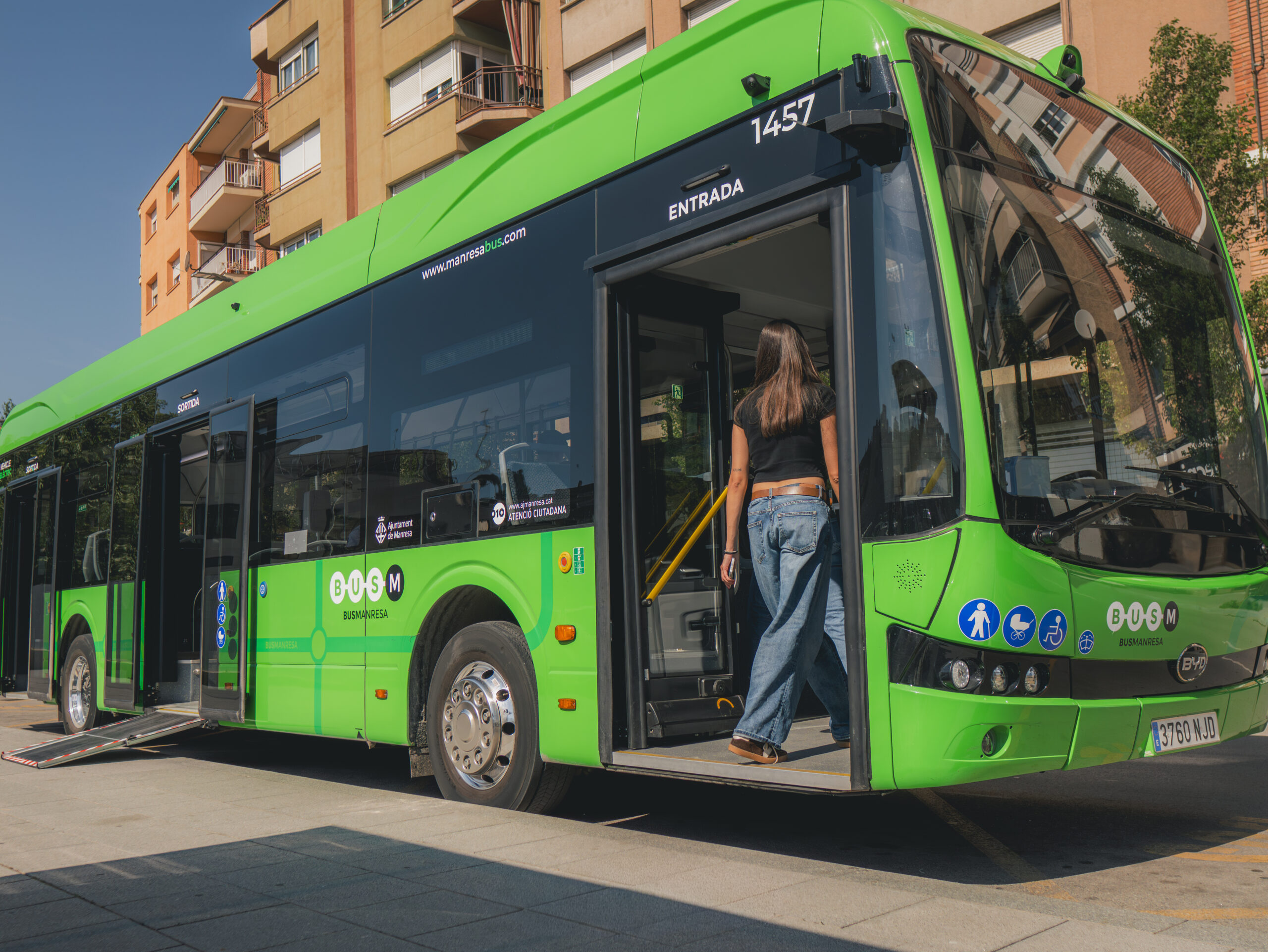
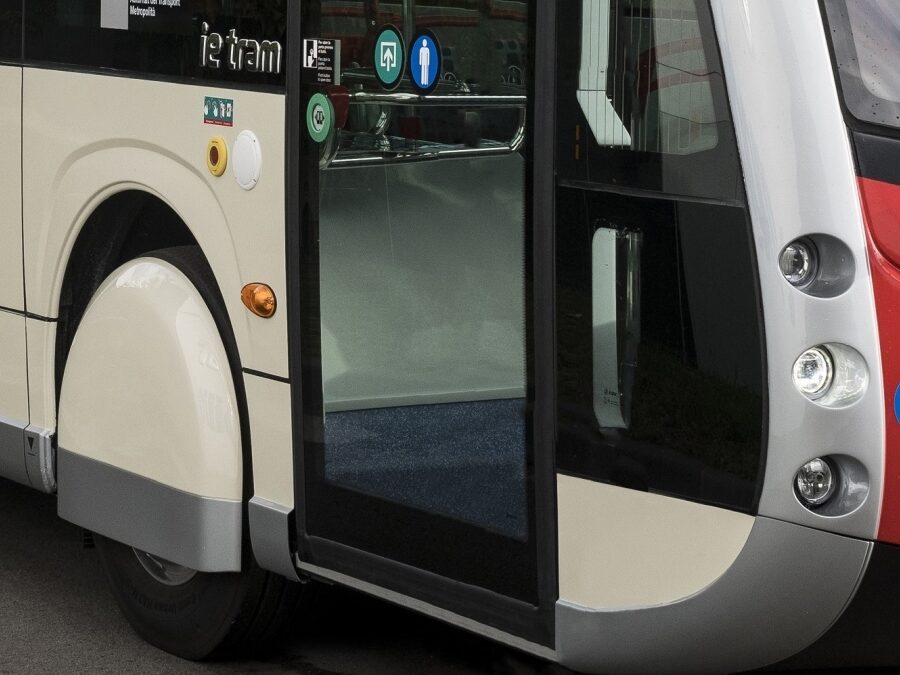
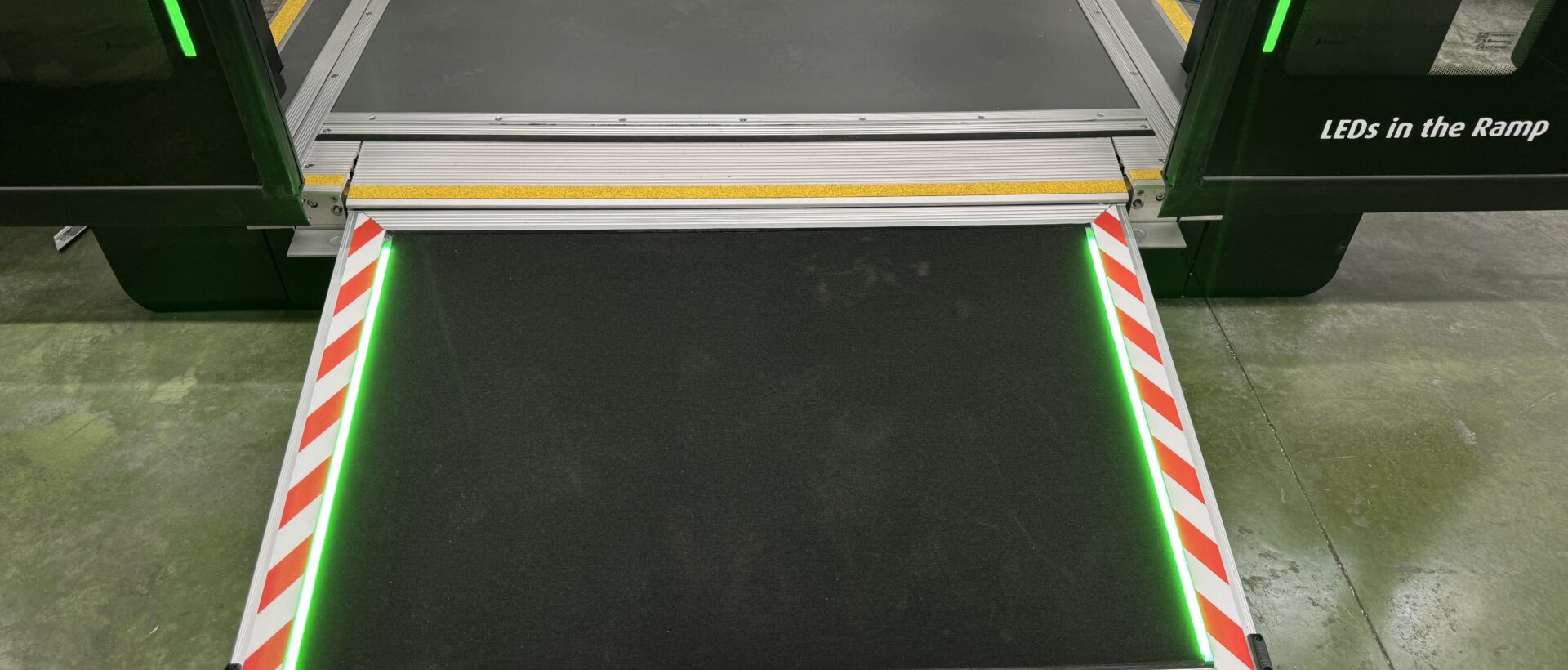
Among the highlights for city buses is the new 028d lightweight sliding door, featuring the integrated PIS-L (Passenger Information System Light). The system uses an intuitive red-green light interface to clearly indicate the door status, helping improve passenger safety while facilitating boarding and alighting.
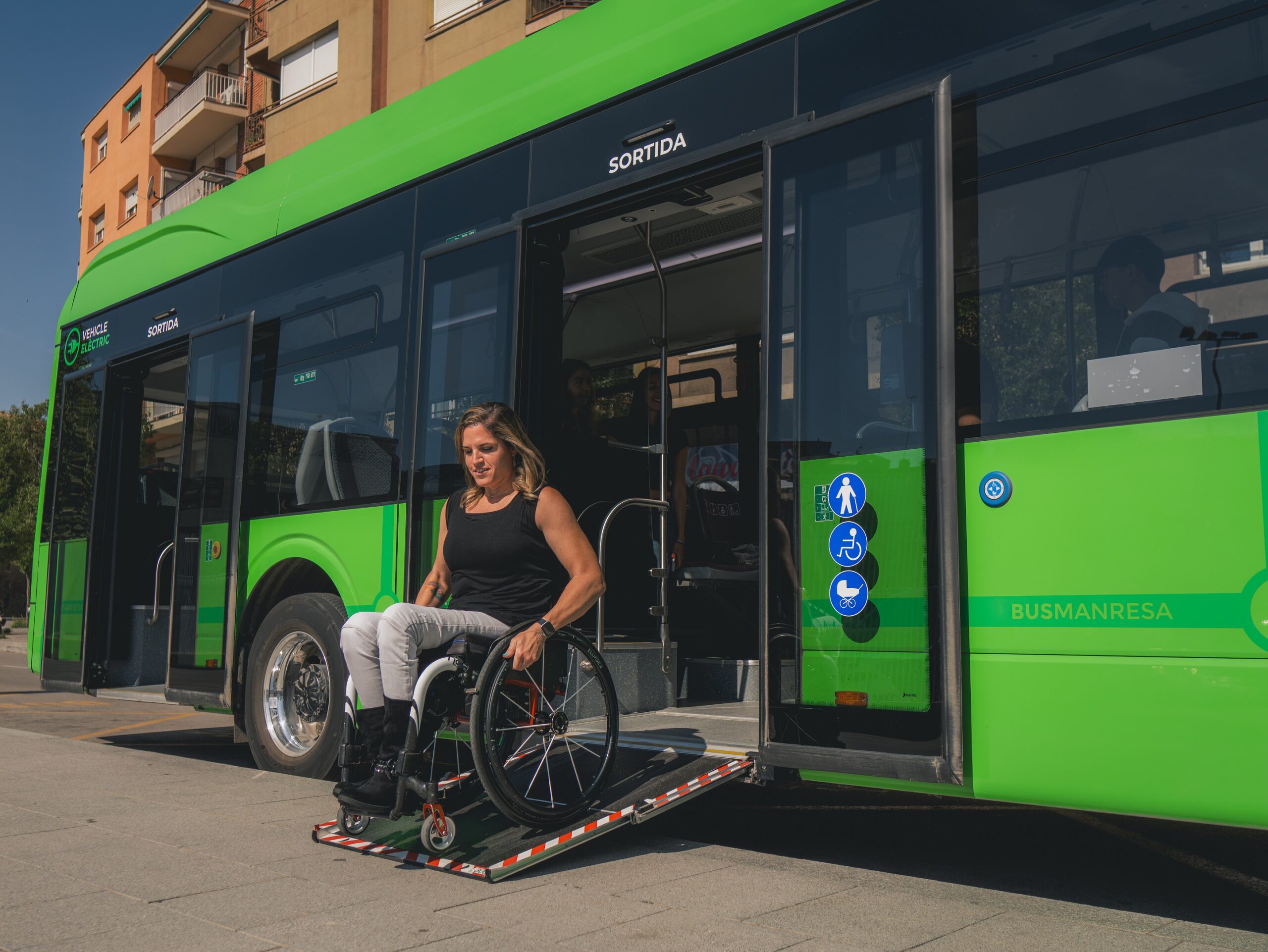
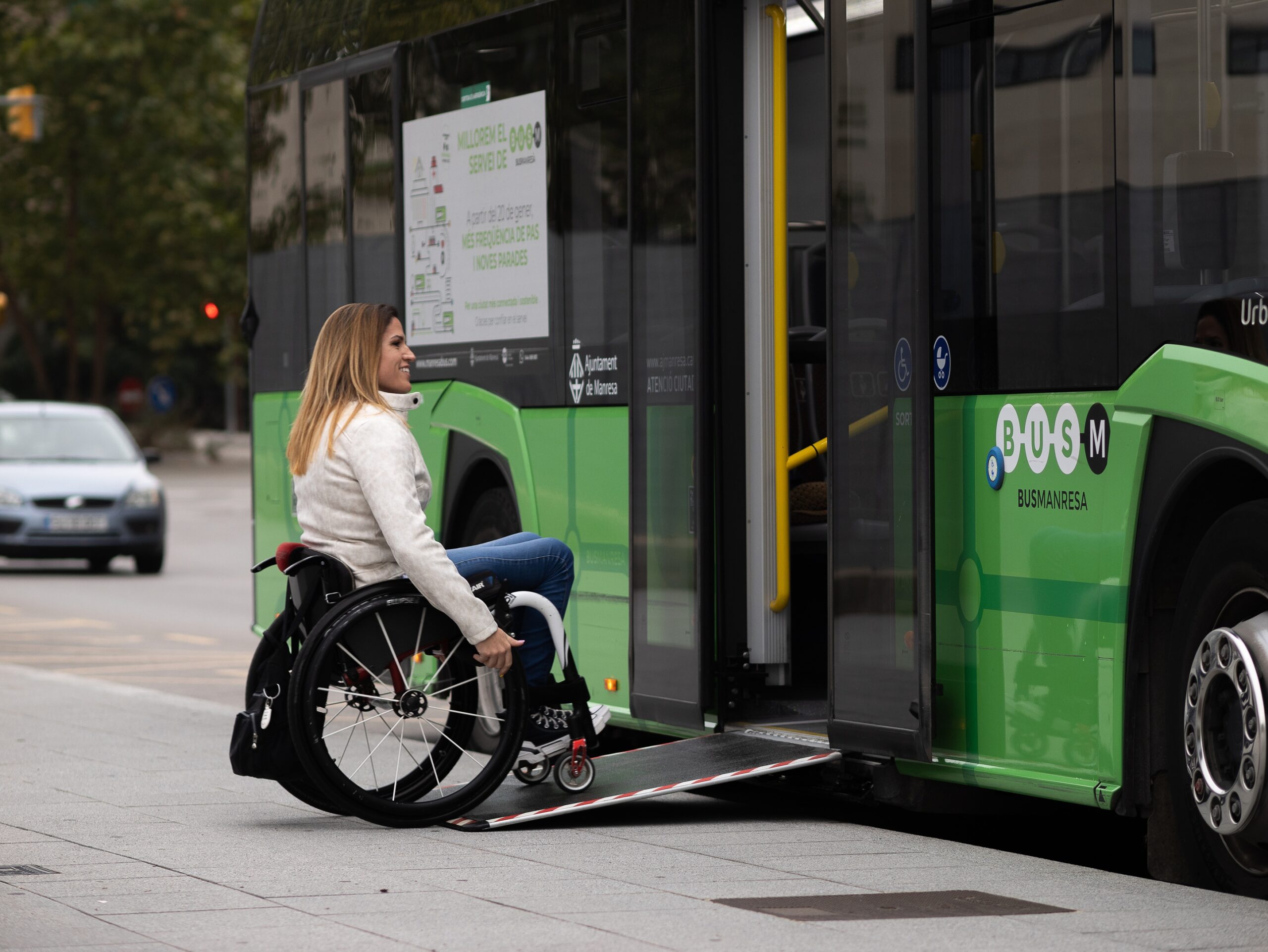
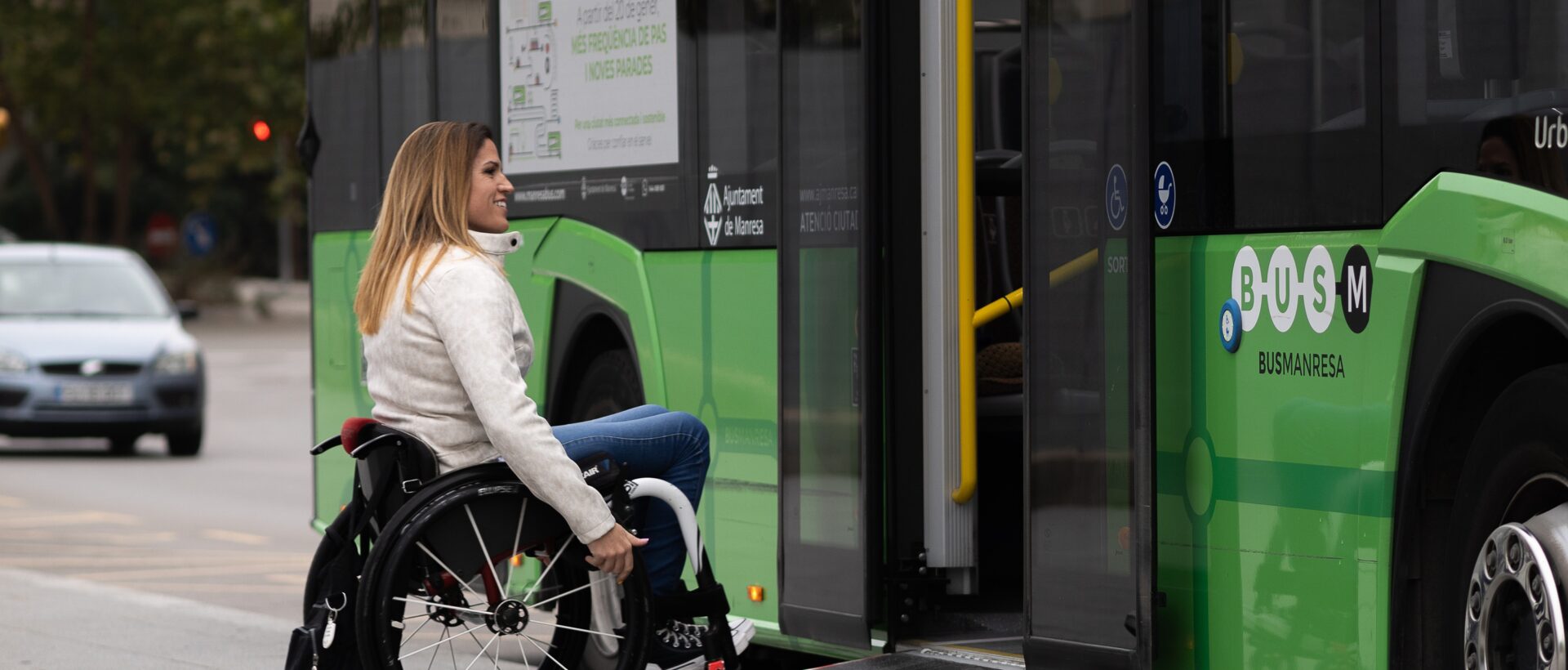
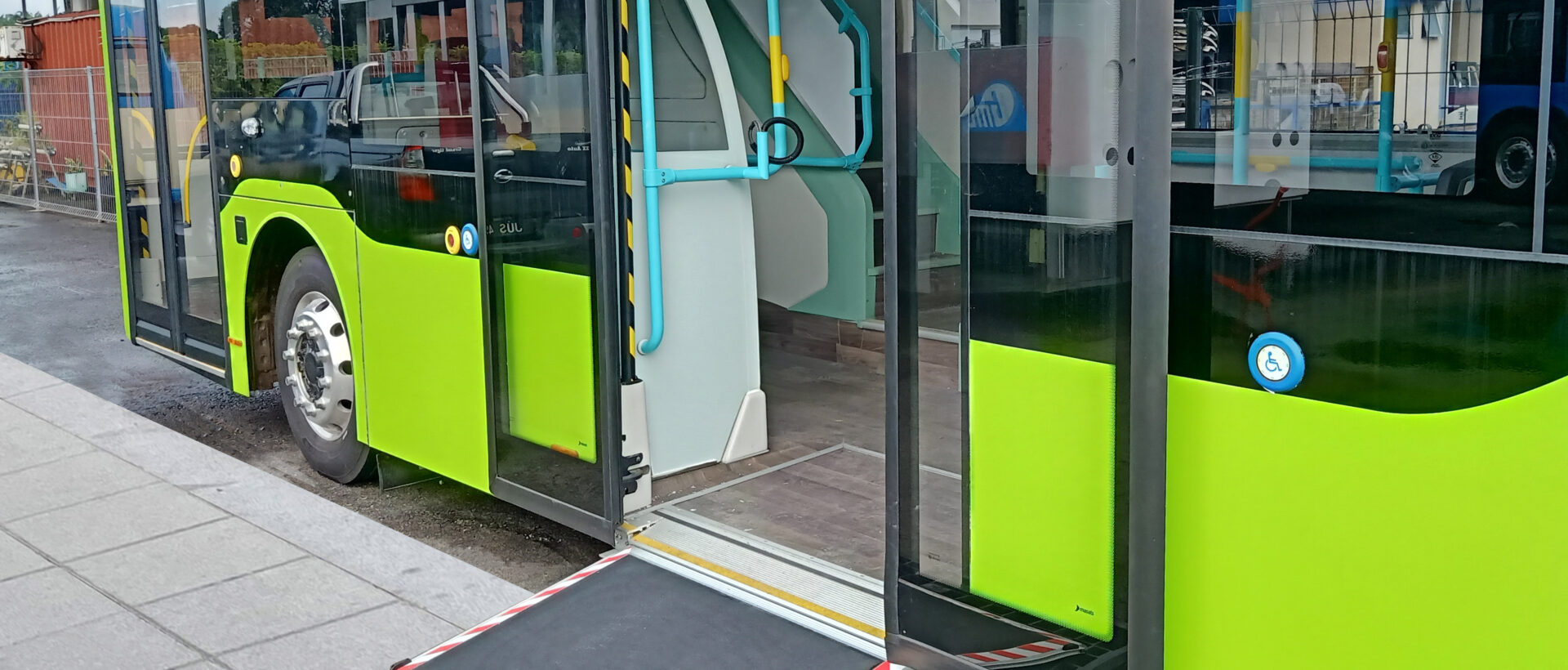
The 028d door will be displayed together with the RT1 telescopic ramp, providing a fully integrated accessibility solution.
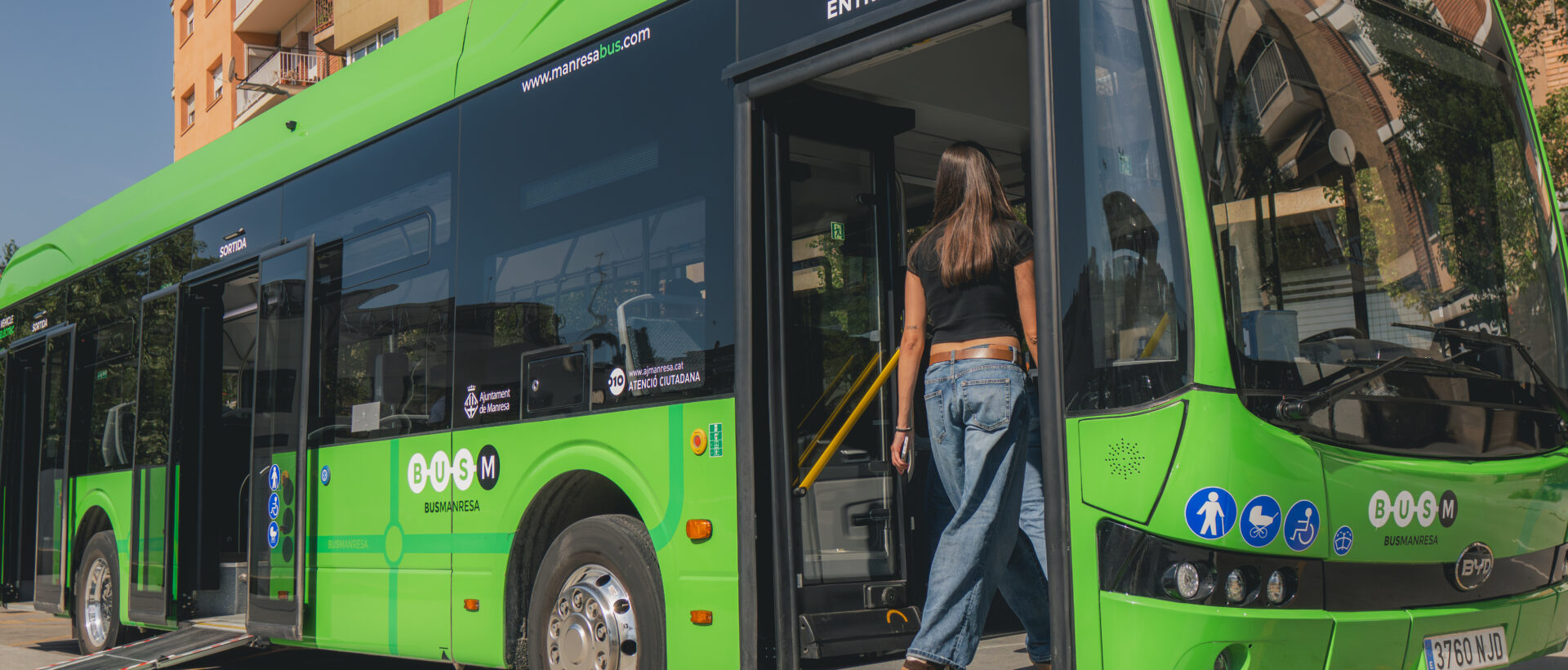
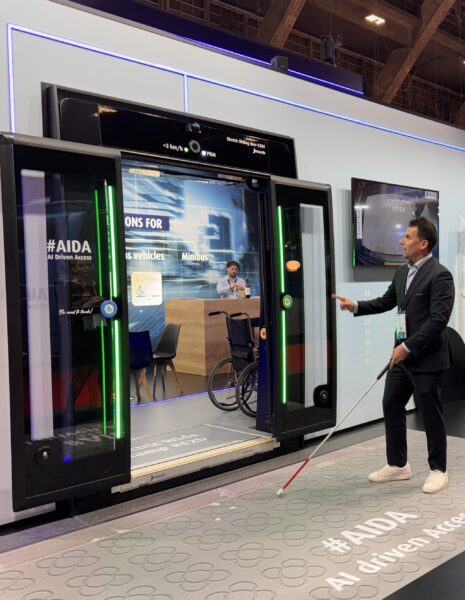
Its main innovation, however, is the integration of AIDA (Artificial Intelligence Door Access), Masats’ new AI-based passenger access system. Using computer vision and real-time image analysis, AIDA identifies passengers who may require additional boarding time or assistance, enabling the door system to automatically adapt its operation. The technology is designed to improve accessibility for passengers with reduced mobility or other specific needs, while enhancing safety, reducing dwell times and optimising passenger flow at bus stops.
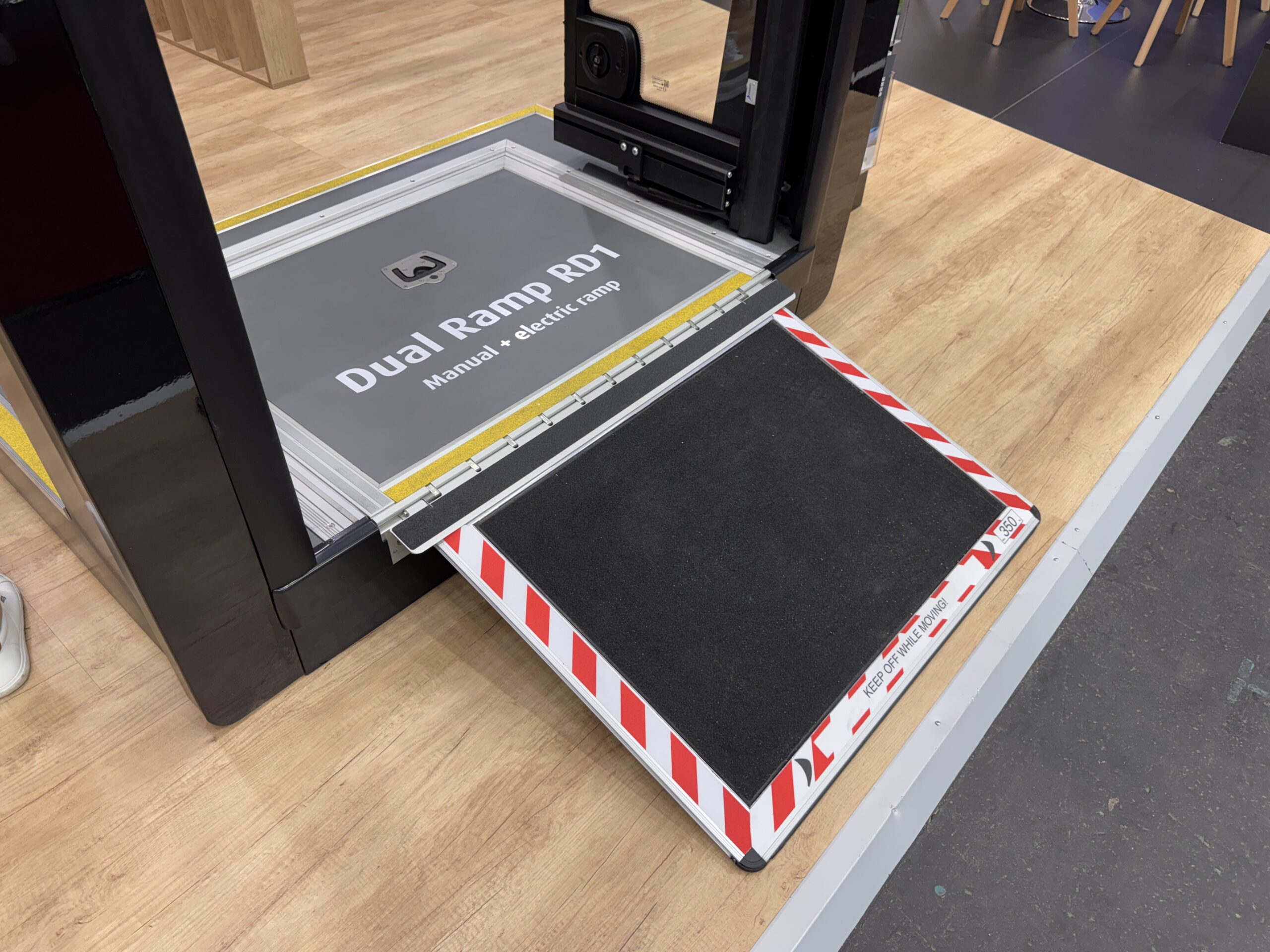
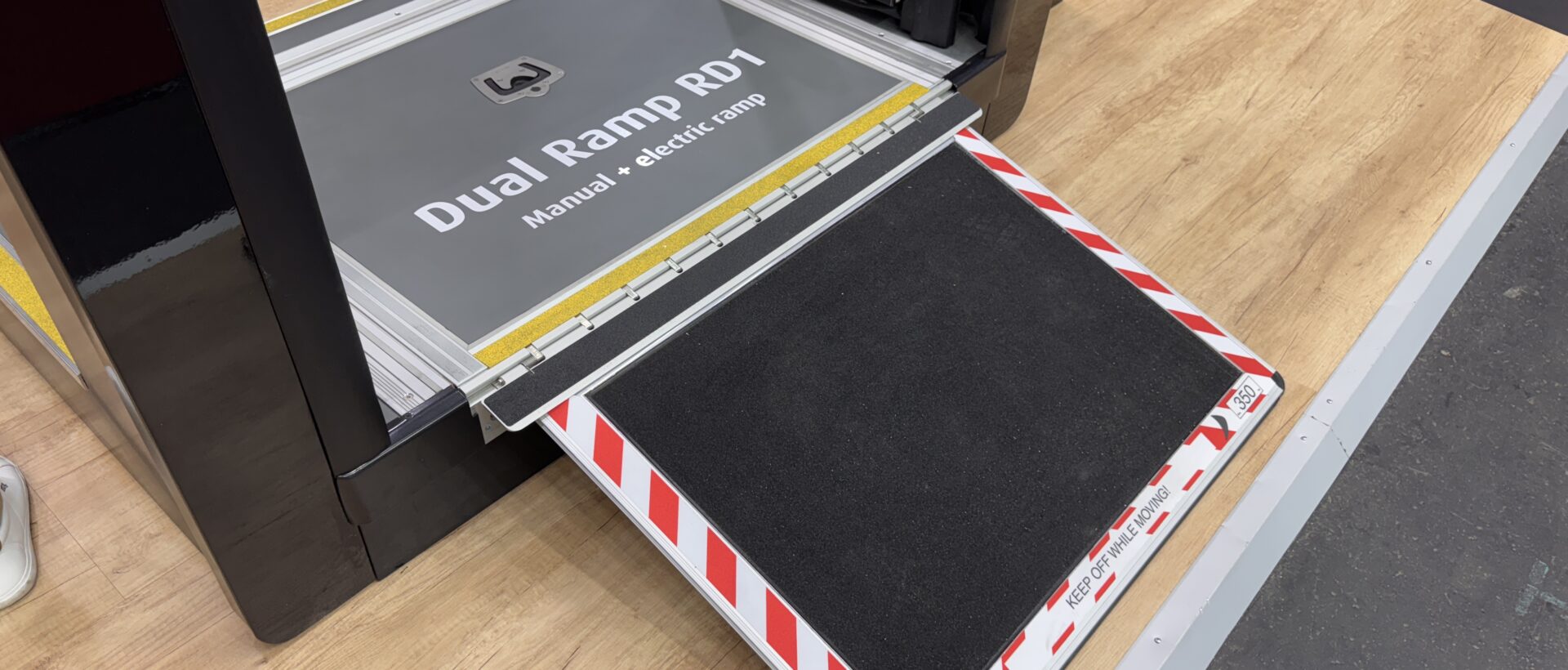
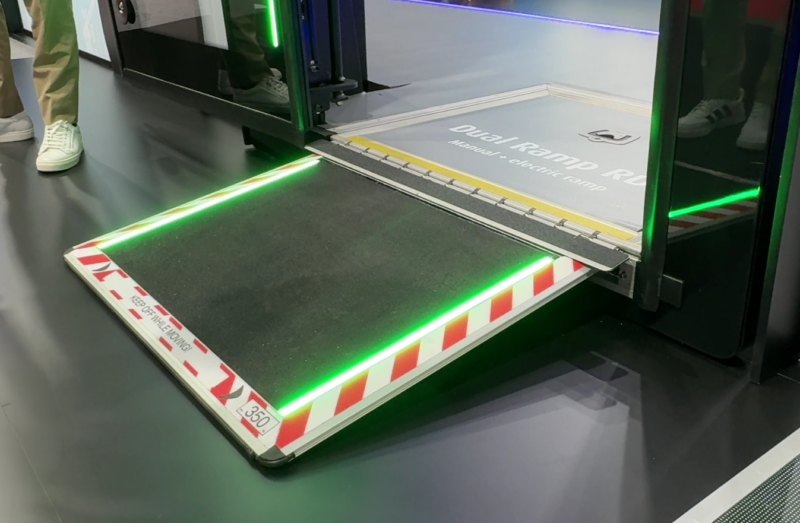
Masats will also introduce the new 028e single-leaf sliding door, designed with an inclined opening movement that enables installation at the vehicle’s front entrance. The door will be exhibited together with the Dual RD1 ramp, which combines electric operation with a manual backup function to ensure accessibility is always available.
For the coach segment, the company will present SWYNCRO, its latest passenger door system, combining compact design, operational reliability, high safety standards and performance for long-distance applications.
Through its participation at FIAA 2026, Masats continues to expand its portfolio of technologies aimed at supporting safer, more accessible and more efficient public transport, while exploring the potential of artificial intelligence to improve the passenger experience and vehicle operation.
This article was originally published by Masats.