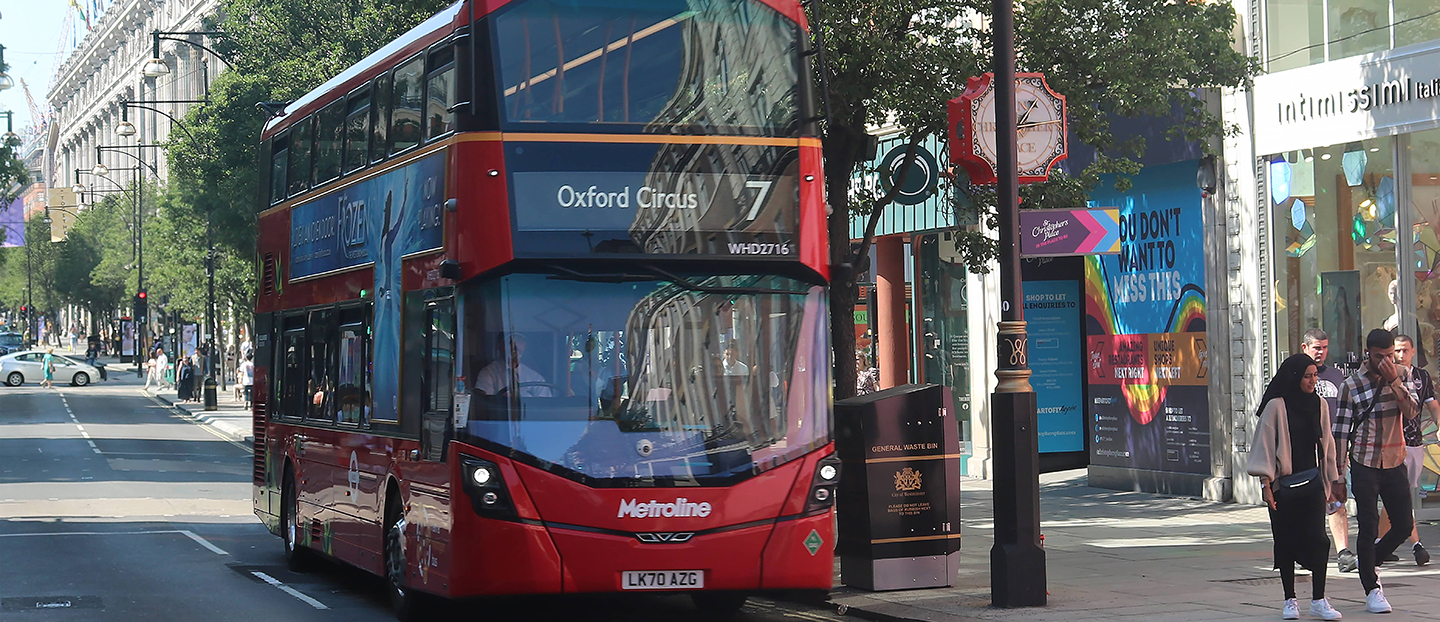
More than 3,000 zero-emission buses are now operating on London’s streets, meaning around one-third of the capital’s bus fleet no longer produces tailpipe emissions.
The milestone, announced by Transport for London (TfL) ahead of Clean Air Day on 18 June, reflects a decade-long shift in how London’s bus network is powered. In 2016, just 30 electric buses were operating in the city. Today, zero-emission vehicles serve routes across the capital, with TfL continuing to expand the fleet as older diesel and hybrid vehicles are replaced.
The transition forms part of London’s wider efforts to reduce emissions from transport, which remains one of the largest contributors to greenhouse gas emissions in the capital.
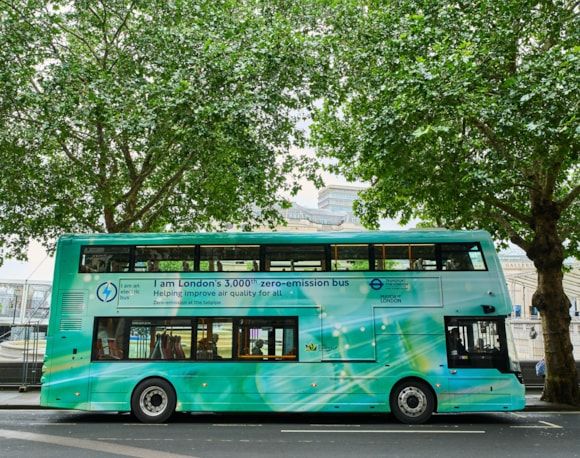
According to TfL, a fully zero-emission bus fleet could prevent around five million tonnes of carbon emissions over the next two decades. Operating the current fleet of approximately 3,000 electric buses is estimated to reduce annual carbon dioxide emissions by more than 100,000 tonnes compared with an equivalent fossil fuel-powered fleet.
The 3,000th zero-emission bus has entered service on route 165 between Romford and Rainham in east London. The vehicle forms part of an order of more than 120 electric buses supplied by Northern Ireland manufacturer Wrightbus and operated by Stagecoach from its Rainham depot.
The order will allow additional routes operating from the depot to transition to zero-emission vehicles over the next year, including the future SL12 Superloop route linking Rainham and Gants Hill.
Supporting the fleet expansion requires significant infrastructure investment. Rainham depot is currently being upgraded with charging equipment designed to support a larger number of electric buses, including overhead charging systems installed on steel gantries.
While electric buses are the most visible part of the transition, TfL is also making changes elsewhere across the network. For example, the organisation has completed the conversion of lighting at approximately 12,000 bus shelters to LED technology. The new lighting uses less than half the energy of the previous systems while increasing brightness levels, improving visibility for passengers waiting at stops.
Lorna Murphy, Director of Buses at TfL, said:This is more than a milestone; it is real visible change - cleaner journeys for Londoners every day. With a third of London's fleet of iconic buses are now zero-emission, it is even easier for customers to travel around the city in a sustainable, affordable and accessible way. We have the largest zero-emission bus fleet in Western Europe and now more than 3,000 of London's buses are now zero-emission, up from just 30 in 2016, demonstrating the pace of progress as we strive to transition the whole of the fleet.
We're brightening up our customers' journeys in more ways than one, as we've also converted all of the lighting at our bus shelters to LED lighting. Using less energy, these bulbs will make our bus shelters more welcoming for customers and help them to feel safer, especially at night. From new zero-emission buses to LED bulbs, every step we take to decarbonise the public transport network propels us on our journey towards net zero.
Since 2021, all new buses entering service in London have been required to be zero-emission at the tailpipe. TfL is also testing additional technologies, including hydrogen-powered buses and high-capacity electric vehicles that can be recharged using overhead pantograph systems at route termini.
The Mayor of London, Sadiq Khan, said:I'm proud that London is leading the charge in sustainable transport with 3,000 of our iconic red buses now going green - which is a hundred times more than when I took office in 2016, and one of the largest zero-emission bus fleets in Europe.
Over the last decade as Mayor, I've worked with TfL to take our bus network from strength to strength - creating new services, such as the game-changing Superloop, and boosting our zero- and low-emission buses to help clean up our air and support our climate goals.
I remain committed to doing everything in my power to ensure that buses remain the most accessible, affordable and sustainable form of transport in the capital as we continue building a greener, fairer, better London for everyone.
Beyond emissions reductions, electric buses are also being introduced with updated safety systems. New vehicles entering service include features developed under TfL’s Bus Safety Standard, such as speed-limiting technology, improved driver visibility through camera systems and audible warnings for pedestrians and cyclists.
There are currently 135 fully zero-emission bus routes in London, with a further 68 routes partially converted. TfL has committed to ensuring all new buses entering service are zero-emission as it continues work towards a fully decarbonised bus fleet.