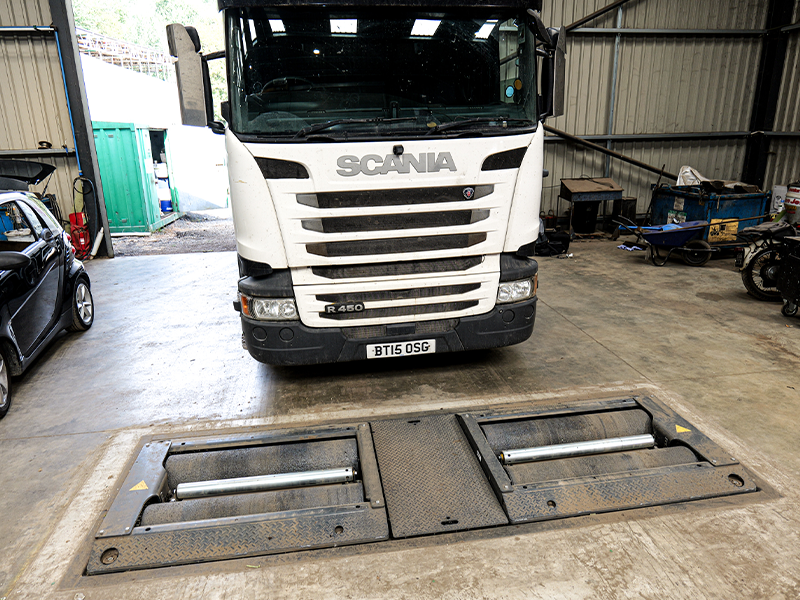
An inspection pit is one of the best investments a busy heavy vehicle workshop can make. But on its own, a pit has one gap: full access to the wheels and suspension.
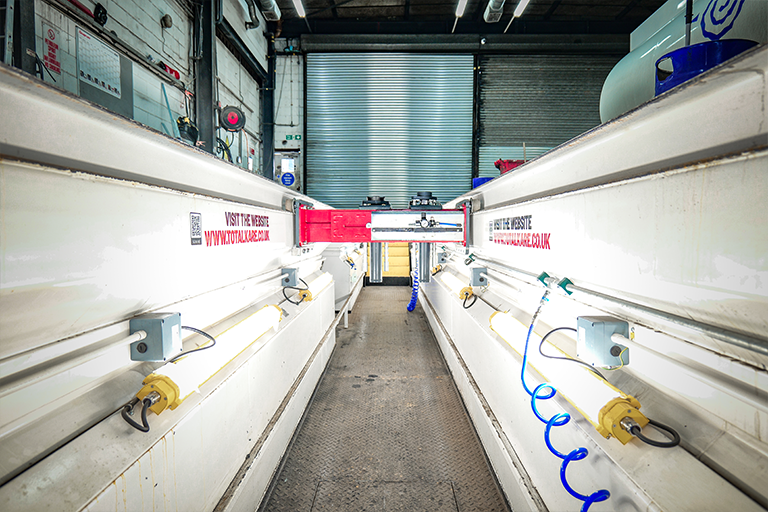
You can fill that gap with portable jacking systems like trolley jacks and bottle jacks. The problem is that these need the vehicle moved away from the pit, to a new spot on the workshop floor.
The most efficient workshops avoid that extra step. They keep the vehicle in one place and use a pit jack fitted inside the pit itself. Here’s why that matters.
A Pit Jack Is Ready the Moment You Need It
Portable jacks have to be pulled out of storage, carried across the shop floor, and set up carefully each time. A built-in pit jack, on the other hand, is already exactly where you need it.
With a pit jack fitted to your inspection pit, your team can:
- Position the vehicle once, and only once
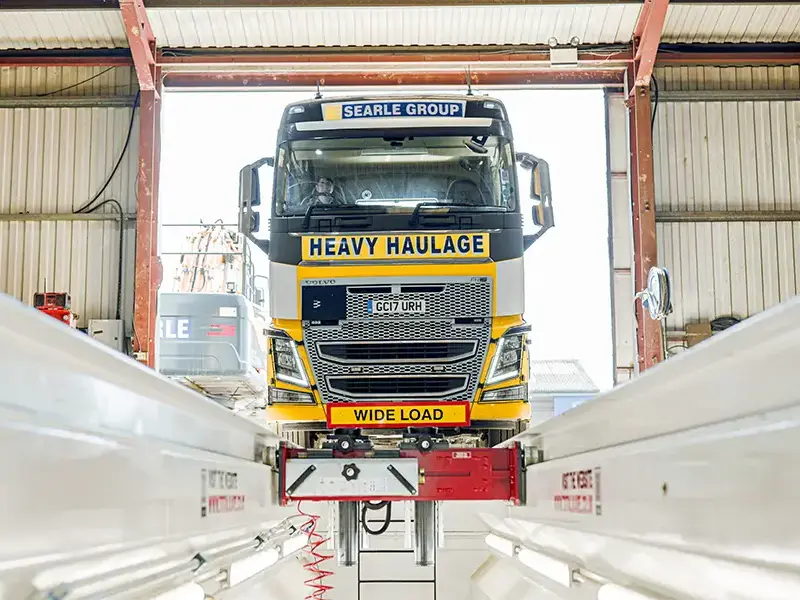
- Pull the pit jack along its rails to the right spot underneath
- Adjust the twin rams side to side for different lifting points
- Swap lifting heads for different vehicle shapes
That saves real time against moving the vehicle and setting up a portable jack from scratch, and the saving adds up across every vehicle you service in a day.
It’s a safety win too. A pit jack gives your team access to the wheels while:
- Avoiding vehicle movement across the workshop
- Avoiding manual handling of heavy equipment
- Avoiding the transport of jacks across the shop floor
- Giving full control over positioning
- Cutting the risk of injury and collisions
Built for Safety and Control
Many portable jacks lift from a single point of contact, so your team has to take extra care to keep the load balanced. Some also rely on hydraulic pressure alone to hold the vehicle up, with no mechanical backup if that pressure drops.
A good inspection pit jack is built to avoid both problems. Look for:
- Twin-ram lifting with two points of contact, for even weight distribution
- Mechanical safety locks, so the vehicle stays secure without relying on hydraulic pressure
- A fixed base on rails, removing the risk of the jack tipping
- Attachments for alternative lifting points, such as spreader beams and differential beams
These features line up with the standards set out in the Lifting Operations and Lifting Equipment Regulations (LOLER), which cover the safe use of lifting equipment in UK workshops.
More Space for Your Team to Work
Standard jacking systems lift a vehicle from a flat floor, leaving your team a narrow gap underneath to reach the chassis and wheels. That slows the job down and makes it harder to work safely.
A pit jack solves this by using the space you already have. Once the vehicle is raised, your team has the full depth of the inspection pit to work in, with tools close to hand and room to move. That means faster jobs and a more comfortable working position for the whole shift.
Choosing the Right Pit Jack
As with any lifting equipment, the first thing to check is the Safe Working Load (SWL). It needs to comfortably cover every vehicle type your workshop services.
Beyond that, the main choice is between air-operated and hand-operated models:
| Air-Operated Pit Jack | Hand-Operated Pit Jack | |
|---|---|---|
| Lifting capacity (SWL) | Up to 40,000kg | Up to 20,000kg |
| Operation | Air (easier lifting) | Manual (more effort) |
| Twin rams | Yes | Yes |
| Mechanical safety lock | Yes | Yes |
| Pit sizing | Bespoke configuration | Bespoke configuration |
Both give you the safety features and space benefits above. The right choice comes down to your lifting capacity needs and how much manual effort your team wants to put in.
Not sure which pit jack suits your workshop? Our inspection pit experts can help. Beyond the vehicle lifts and workshop equipment we’re known for, we’ve also supported full installations of inspection pits and the heavy-duty jacking systems that work inside them.
Start a chat with the team today, and we’ll help you find the right pit jack for your workshop.
This article was originally published by Totalkare.