Ask ten workshop managers whether they need a vehicle inspection pit and you will get ten different answers. Some swear by them. Others stick with lifts and jacks, because a pit looks like a big job and a big bill.
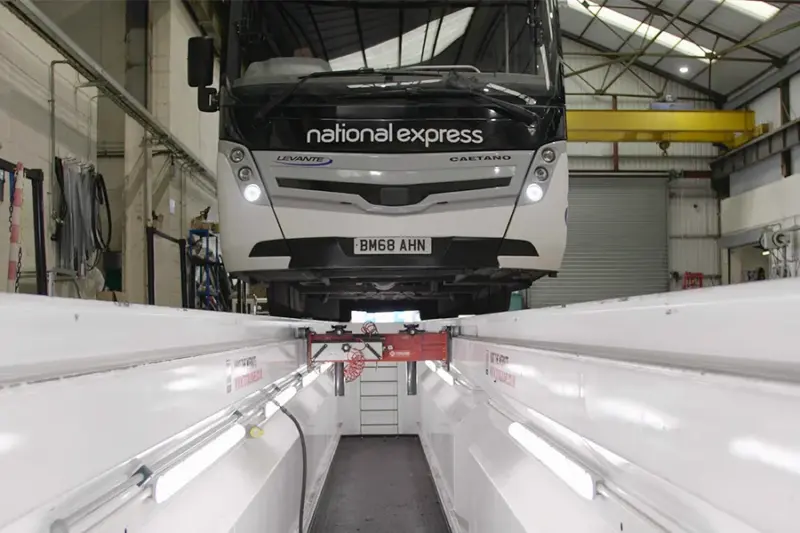
The right choice depends on your building, your vehicles and how many jobs you do each week. But pits have some benefits that people often miss. This post covers the main ones, so you can decide what suits your workshop.
Quick Access, Every Time
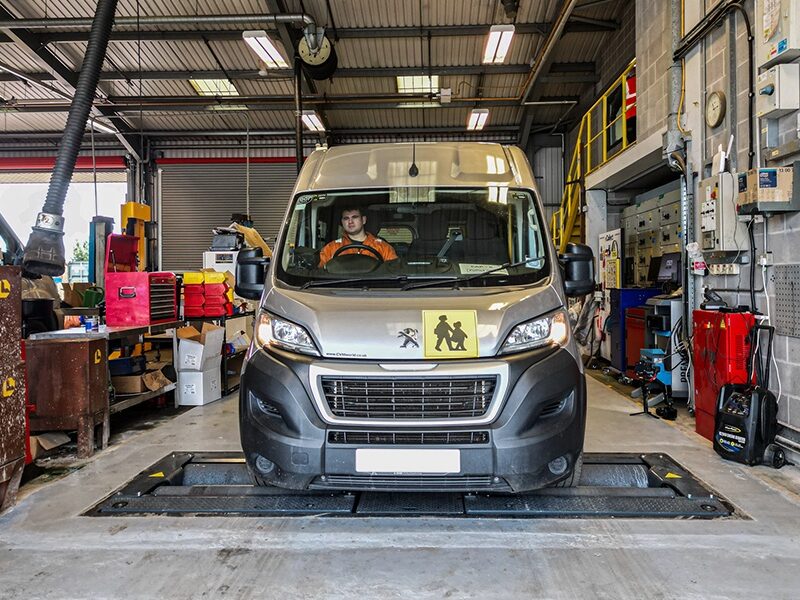
A pit is a fixed part of your floor. There is nothing to lift, plug in or set up. The vehicle drives in, the handbrake goes on and the technician can start straight away.
That saves a few minutes on every job. Over a busy week, those minutes add up to extra vehicles through the door. Faster turnaround means happier customers, and more work done without adding staff or hours.
You can save even more time with a few simple choices:
- Put the pit close to a door, so vehicles do not need to travel far inside.
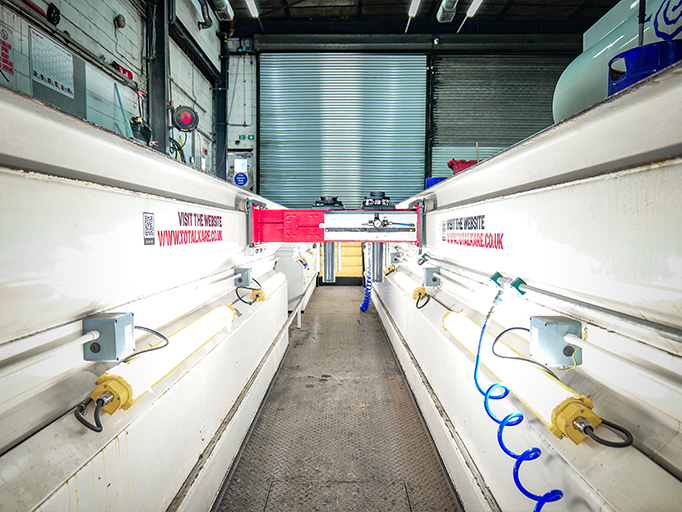
- Fit pit jacks so technicians can reach the wheels without moving the vehicle.
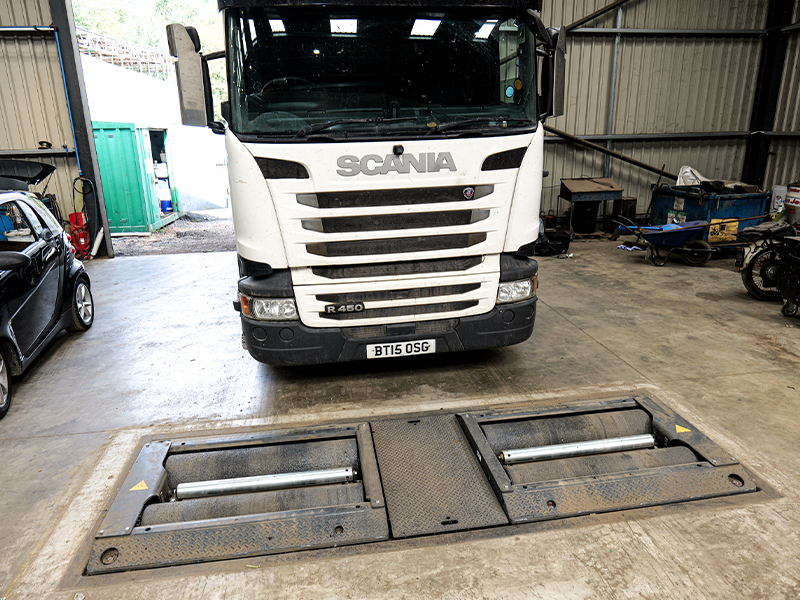
- Add a brake tester and play detector over the pit, so more of the job happens in one bay.
A well planned inspection pit means less movement for people and vehicles, and more work finished in one place.
Making the Most of Your Space
Low ceilings are a common problem. A lift needs height, and large vehicles need even more. If your building cannot give you that, a pit is often the safer answer, because it uses the depth under the floor instead of the space above it.
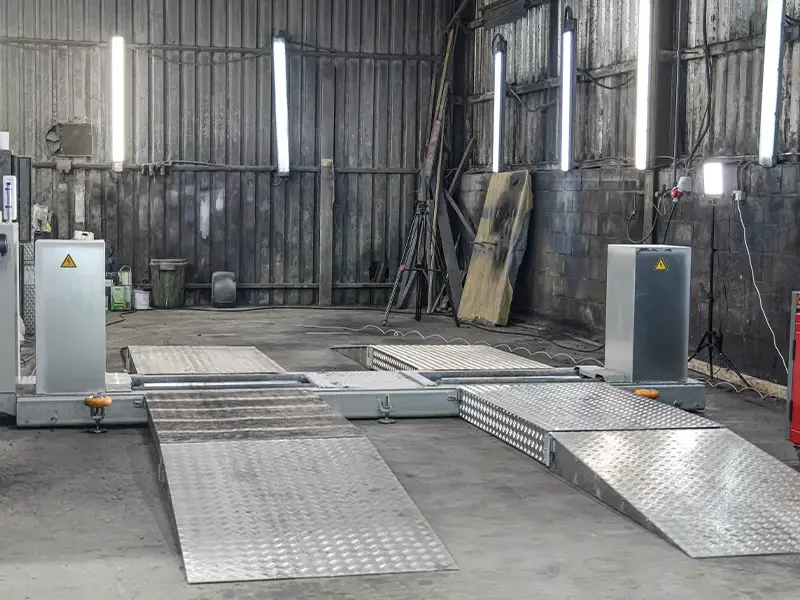
A covered inspection pit can also give space back. Some pits come with strong covers that sit level with the floor when the pit is not in use. With the cover closed, that area becomes normal floor space again. You can use it for walkways, parking or storage between jobs.
So a pit does not have to take up room all day. It can be a work area when you need it and open floor when you do not.
Lower Costs Over the Years
The upfront price puts some people off, and that is fair. But a pit often costs less over its whole life.
A pit has no motors, hydraulics or moving parts to wear out. That means fewer repairs and fewer service visits. With basic care, a good pit will last as long as the building itself.
Modern pits are often prefabricated. They are built off site as one sealed unit, then installed in your workshop. The sealed design keeps out ground water and damp, which makes the pit easier to clean and helps it stay in good shape for longer. A prefabricated pit can also be installed faster, so your workshop is out of action for less time.
When you add up the savings on maintenance, repairs and downtime, an inspection pit can give you a better return than other options.
Safety and Working Conditions
A pit can also make the workshop a safer place. The vehicle stays on the floor instead of being raised on a lift, and good lighting and ventilation make the space comfortable to work in.
Pits do need careful use. Covers should be in place when the pit is not being used, edges should be clearly marked and the space must be well ventilated. The Health and Safety Executive publishes guidance on health and safety in motor vehicle repair, and it is worth reading before you plan any inspection pit work.
When a Lift or Jacks Still Make Sense
A pit is not right for every workshop. If you work on many different vehicle types, need to move equipment often, or lease your premises, a mobile column lift or jacks may suit you better. Installing a pit also needs planning around drainage, ground conditions and your building layout.
The best way to decide is to think about the vehicles you service, how many you handle each day and how long you will be on site. If the answers point to an inspection pit, you will see the benefits quickly. If they do not, a lift is still a good choice. A pit is simply one option, and it deserves a fair look.
Ready to See What a Modern Pit Can Do?
We have installed pits for workshops and fleets for many years, with lighting, ventilation and integrated tools built in. If you are thinking about a vehicle inspection pit for your site, our workshop specialists can talk you through the options. Call us on 0121 585 2724 or email [email protected].
This article was originally published by Totalkare.