At the 2026 APTA Mobility Conference in Salt Lake City, transport officials and transit executives discussed preparations for upcoming international sporting events in the US and Canada.
The discussions focused on operational planning for the 2026 FIFA World Cup and the 2034 Winter Olympics, with speakers describing the role of public transport systems in managing large-scale events and supporting long-term infrastructure and coordination goals.
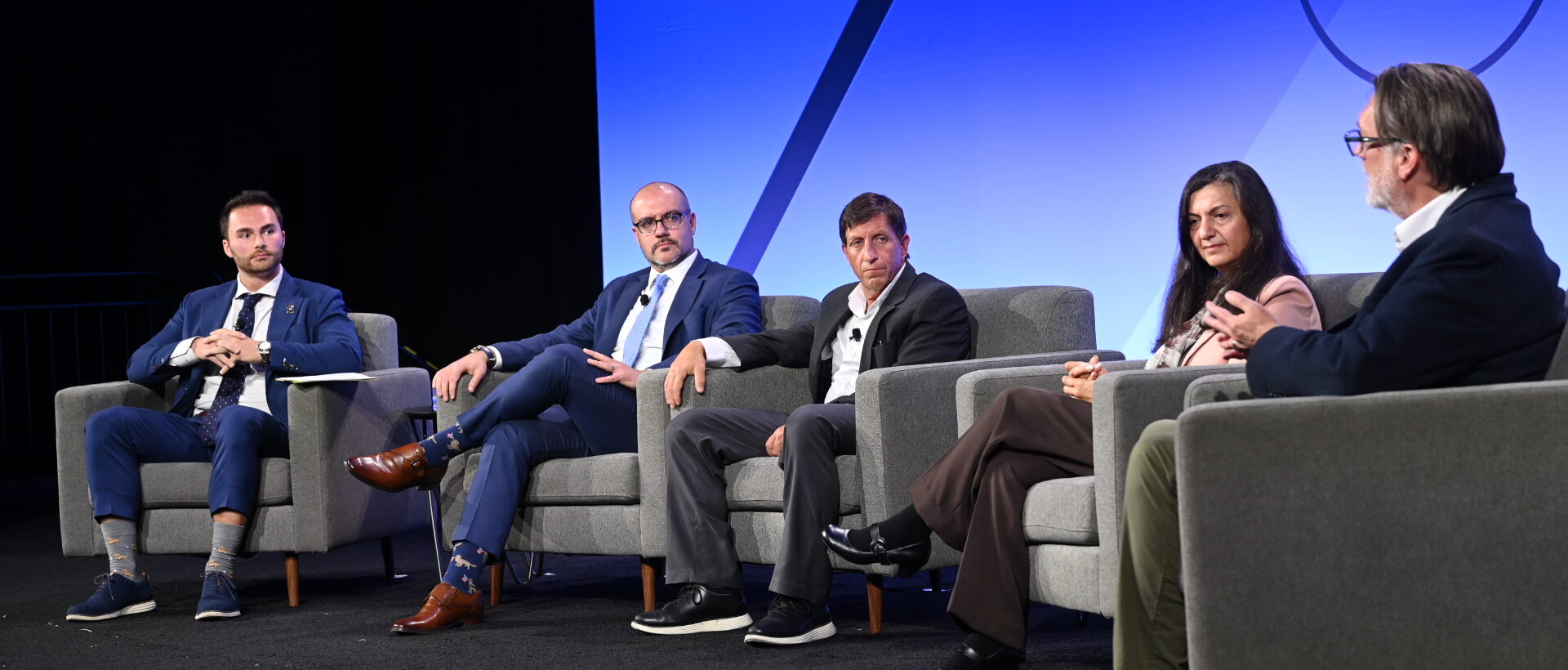
During a session titled “Best Laid Plans for FIFA World Cup,” panellists from transit agencies in Canada and the US outlined preparations for increased passenger demand and potential operational disruptions during the tournament.
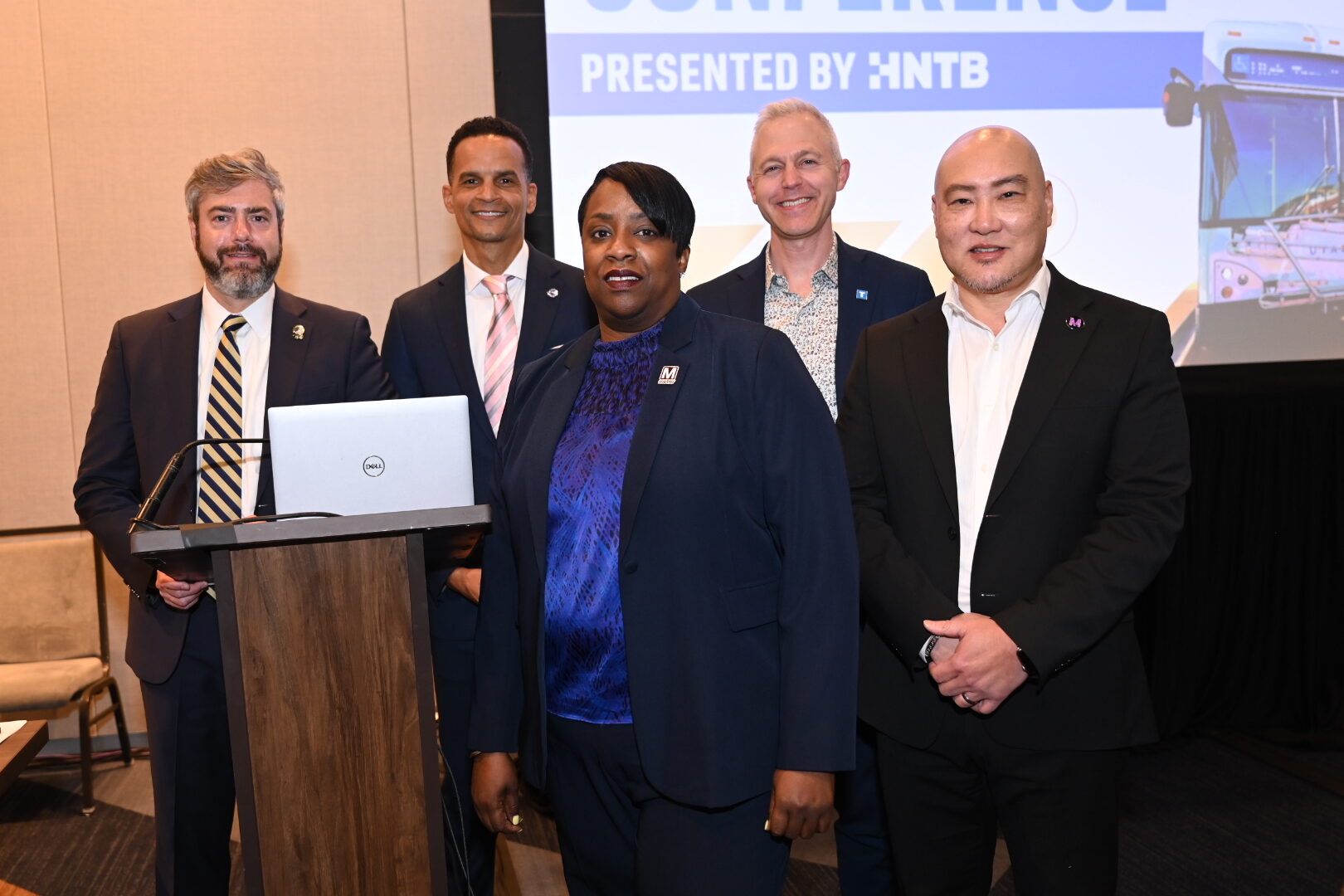
Los Angeles County Metropolitan Transportation Authority Chief Operations Officer Conan Cheung and TransLink Chief Executive Officer Kevin Quinn noted that their organisations have spent several years preparing for the event, including carrying out scenario exercises with federal and international agencies.
The discussion covered contingency planning for issues including utility outages, route diversions and staff shortages. Preparations included planning around fleet operations, accessibility, fare systems, security, passenger information and emergency communications.
Panel members also highlighted the importance of coordination between transport operators, government agencies and emergency services. They said operational plans included the use of command centres, temporary route changes, additional field staff and rapid public communication during incidents.
United States Department of Transportation Director of Public Liaison and Senior Advisor Ben Siegrist said federal agencies had worked closely with host cities to support these planning efforts.
The conference also included a panel on preparations for the 2034 Winter Olympics in Utah. Hosted by Utah Transit Authority Executive Director Jay Fox, the session examined lessons from the 2002 Winter Olympics and planning approaches for future events.
Utah Department of Transportation Executive Director Carlos Braceras pointed to the 2002 Winter Olympics as a turning point for regional transport planning, contributing to the development of incident management teams, travel demand strategies and closer coordination between state, local and federal agencies. The experience helped establish planning structures that continue to shape transport operations across Utah.
More recent events have also been used to test future Olympic planning. UTA Chief Planning and Engagement Officer Nichol Bourdeaux said the authority has used high-attendance events, including the NBA All-Star Game, to assess venue access, passenger flows and service capacity ahead of the 2034 Games. These exercises have allowed transport officials to evaluate how large visitor volumes can be managed while maintaining day-to-day public transport services for residents.
Operational readiness was also discussed from a workforce perspective. UTA Chief Operations Officer Andres Colman, who worked as a bus operator during the 2002 Olympics, highlighted the role of frontline staff during major events, particularly the need for clear decision-making structures, training and local operational authority during periods of high demand.
Crucially, Natalie Gochnour, Director of the Utah Olympic Legacy Foundation at the Kem C. Gardner Policy Institute, said Utah’s continued investment in Olympic venues and infrastructure since 2002 has strengthened the state’s position ahead of the 2034 Games. Panellists described the Olympics not simply as a short-term logistical challenge, but as an opportunity to reinforce long-term transport planning, institutional partnerships and public confidence in transit systems.