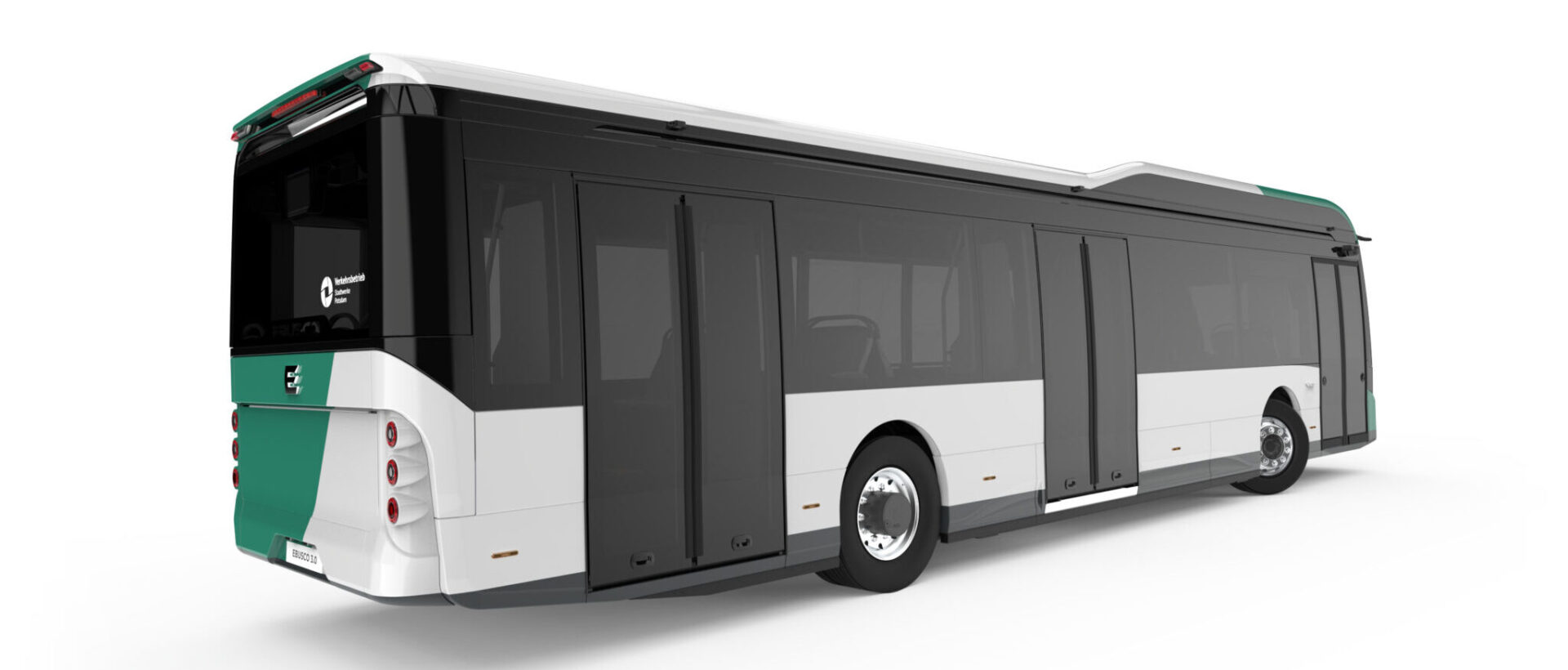
Daimler Buses has announced further expansion of its public charging infrastructure for electric buses, with plans revealed for a new charging location at Hamburg Central Bus Station (ZOB Hamburg).
Following sites in both Cologne and Munich; the new, third site will initially include a set of four fast-charging stations, and will include the capacity to increase this number to as many as eight.
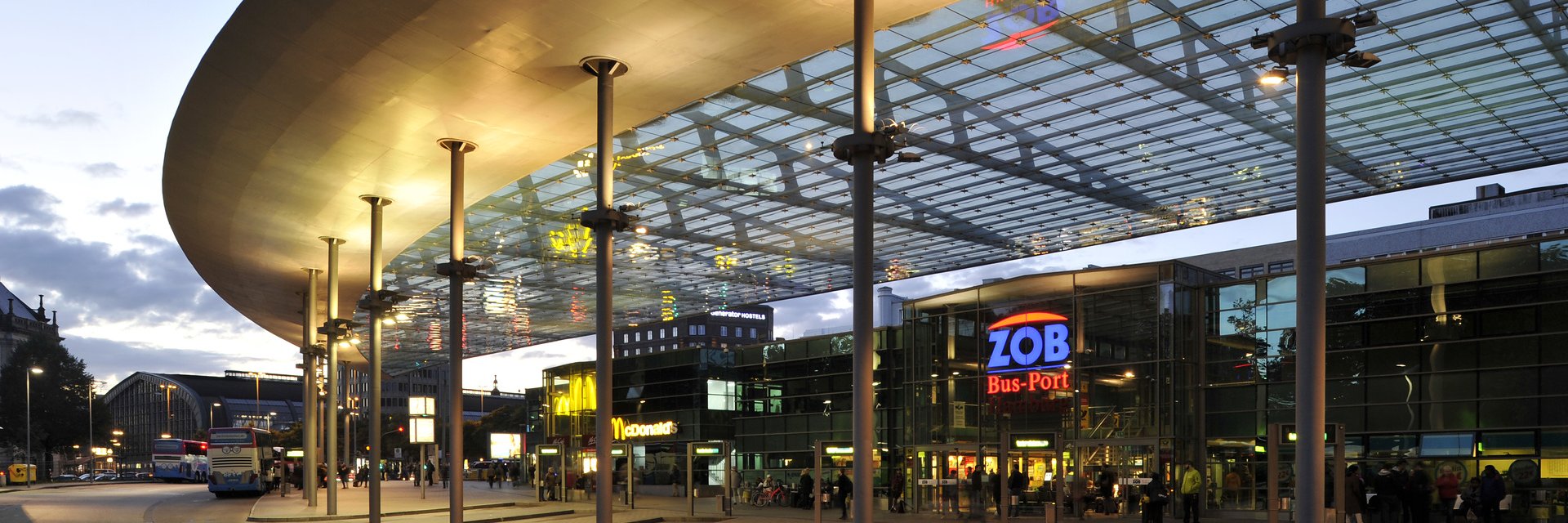
Thus far, the company has signed a lease agreement with facility operator ZOB Hamburg GmbH, and, with the approval of the municipal owner, has submitted an official building permit application.
Commissioning is scheduled for 2027, and both implementation and operation will be handled by Daimler Buses Solutions GmbH, a wholly owned subsidiary of Daimler Buses. For Hamburg Central Bus Station, this will allow the provision of the charging infrastructure to come from a single source, eliminating the need for the operator to make its own investments or manage technical operations itself.
Daimler Buses Solutions has stated that it will seek to refinance the offering through the sale of charging electricity, and, as the only bus manufacturer in Europe to date, Daimler Buses is building its own public charging stations for electric buses. In doing so, the company is aiming to further improve public charging infrastructure as a whole, as well as for its own first battery-electric intercity bus – the Mercedes-Benz eIntouro, which was first introduced for sale in spring 2025.
Steffen Germ, CEO Daimler Buses Solutions said:Public charging infrastructure for electric buses is a key enabler of the electrification of excursion and coach travel. With our charging projects in Cologne, Munich, and Hamburg, we aim to provide an important boost for the use of electric buses on key travel routes across Germany.
Buses can charge where they already stop according to schedule. This makes integration into existing operations easier and helps our customers use electric buses efficiently and economically.
At ZOB Hamburg, Daimler has stated intentions to install charging stations with an output of up to 600 kW, and will allow bus operators to charge any and all electric buses regardless of brand. The charging infrastructure will operate exclusively with electricity from renewable energy sources, and planned work is set to include civil engineering activities, the installation of high-voltage power cables, construction of a transformer, and installation of the charging infrastructure.