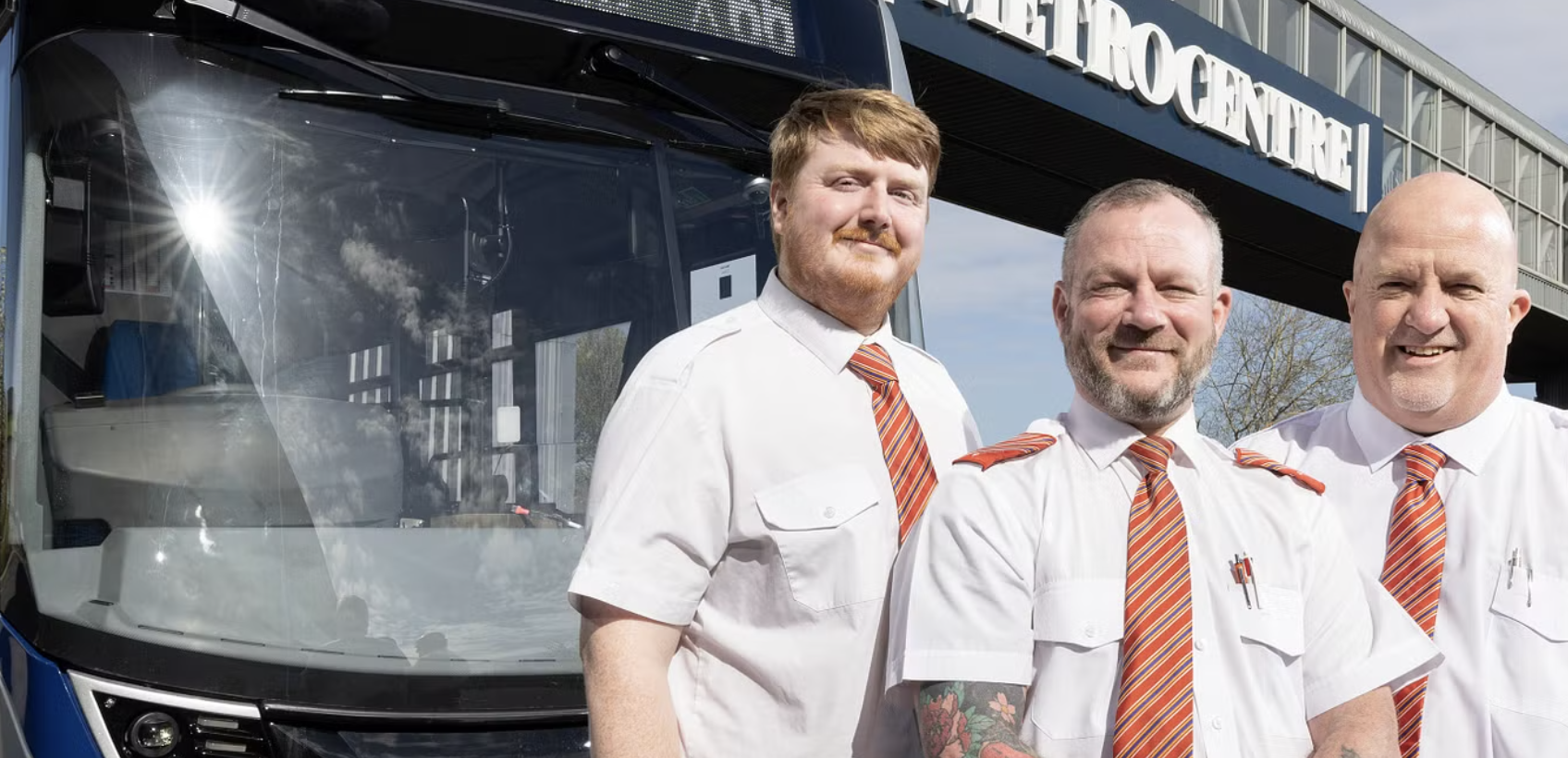
By Darragh Morris, Regional Communications Manager at Stagecoach
The transition to zero-emission public transport in the South West of England is emerging as a scalable model for regional fleet electrification in the UK. With the launch of an all-electric bus fleet in Torquay, and further deployments planned across Exeter and North Devon, the programme demonstrates how coordinated investment, public–private partnership, and phased delivery can translate net-zero ambition into operational reality.
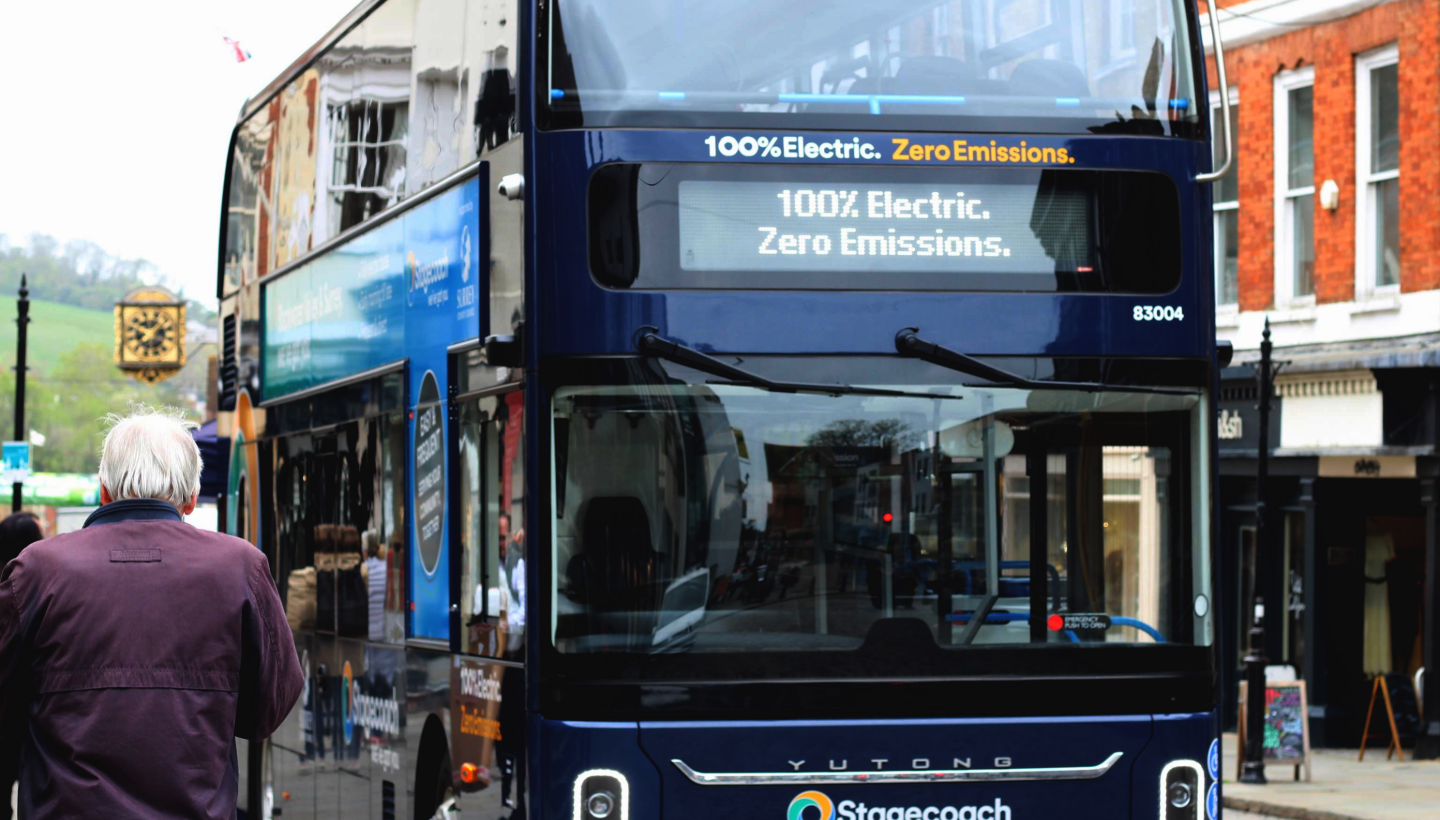
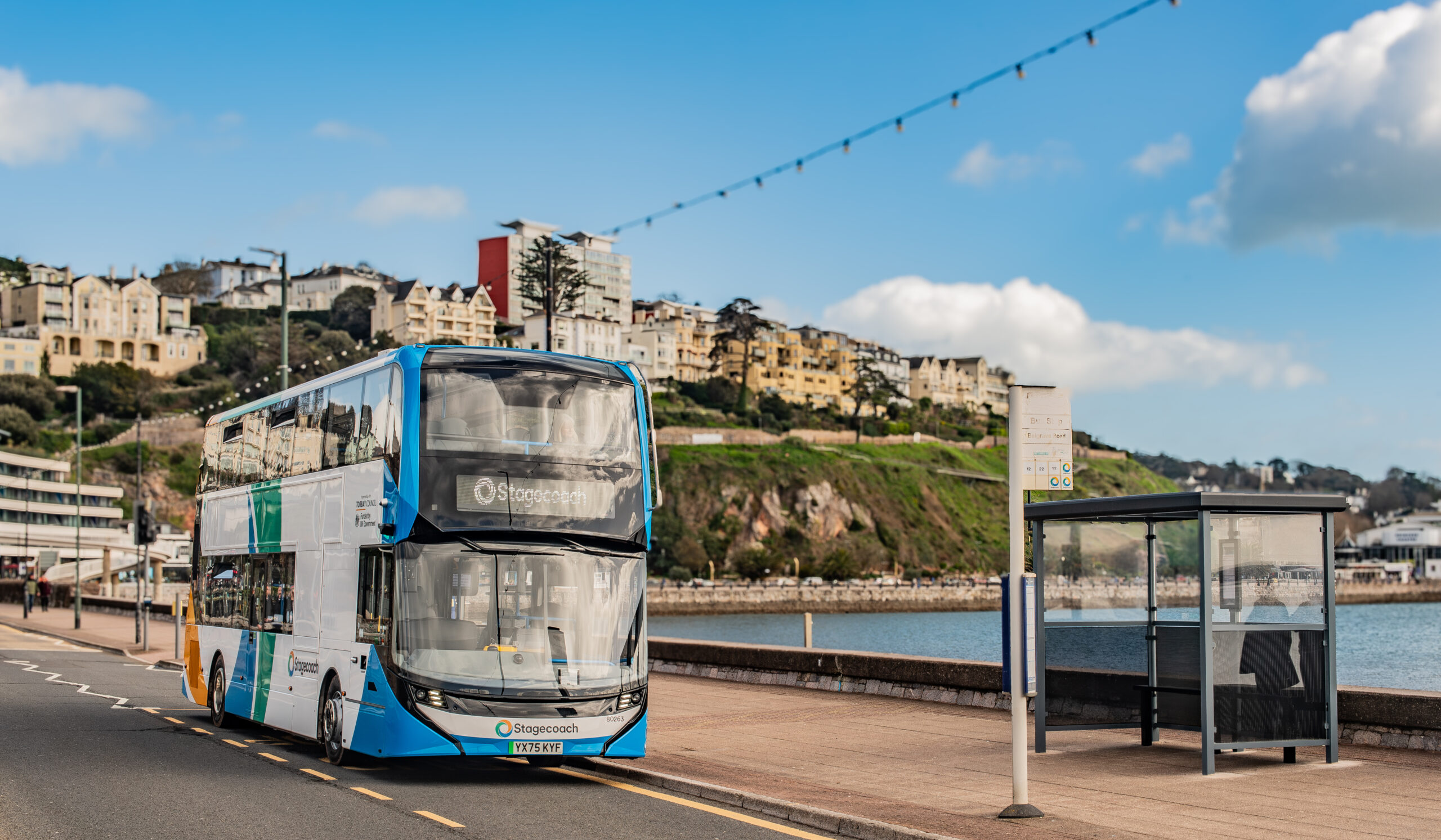
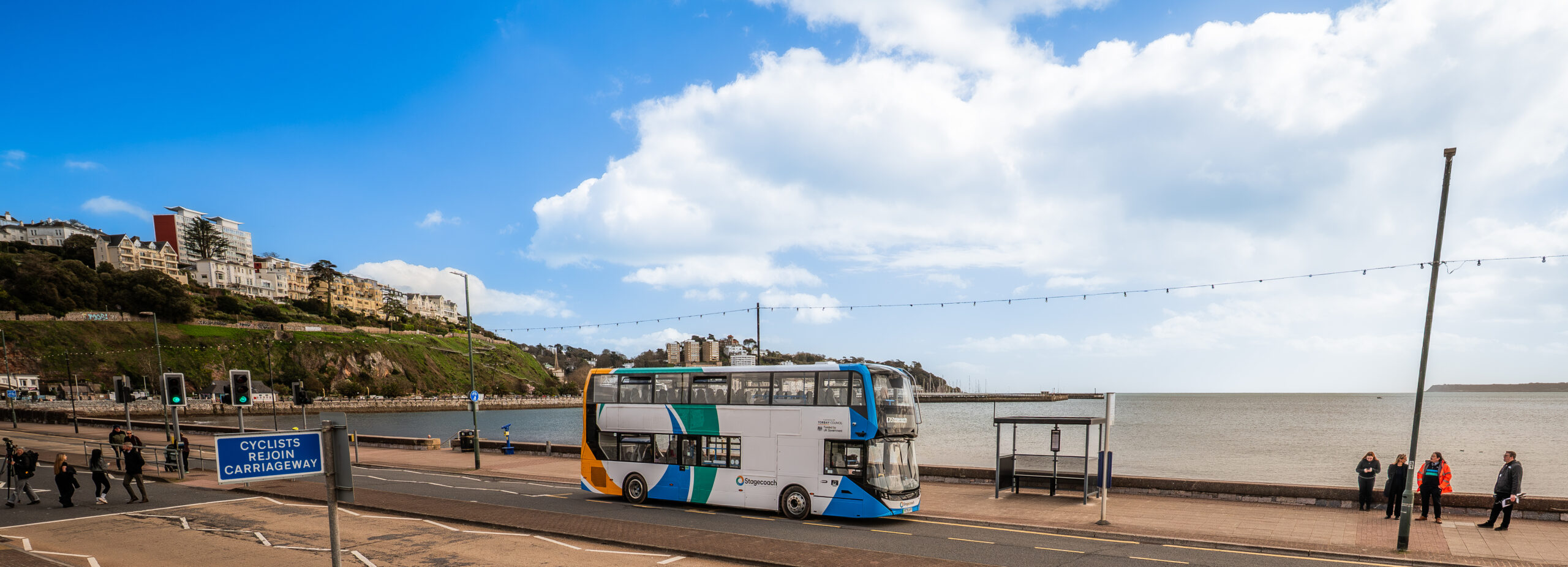
The first buses in Torbay have entered service, signalling a shift in how public transport contributes to cleaner air and improved quality of life. This initial rollout of 60 electric vehicles is part of a phased transition toward a fully electric fleet, delivered through a partnership between Stagecoach South West, Torbay Council, and the Department for Transport. Customers are already experiencing the benefits, as quieter journeys, smoother acceleration, and the absence of diesel emissions enhance everyday travel for commuters, students, and residents. The experience is markedly different from older diesel buses; journeys are near-silent, with only the hum of air conditioning accompanying the next-stop announcements. Meanwhile, the electric fleet is also expected to reduce fuel and maintenance costs, improve reliability, and contribute to stronger operational performance.
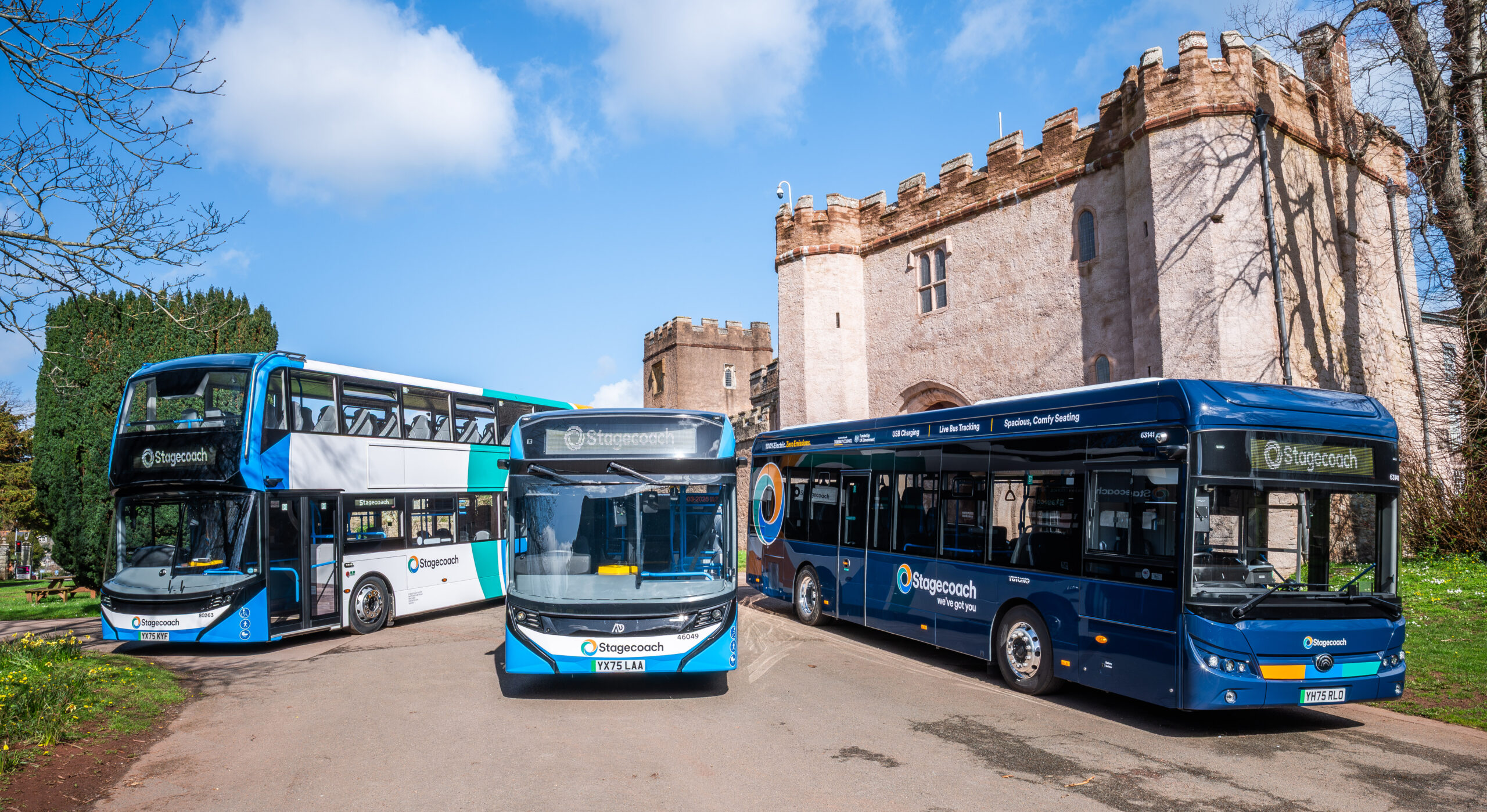
Stagecoach has invested 30 million GBP in the brand-new fleet of single and double-decker electric buses, making Torbay only the second place in the UK to operate an all-electric fleet. The company’s investment covers three-quarters of the total cost, with the remaining funding provided by the Department for Transport in partnership with the council. This launch also marks the first introduction of brand-new buses across the area in two decades.
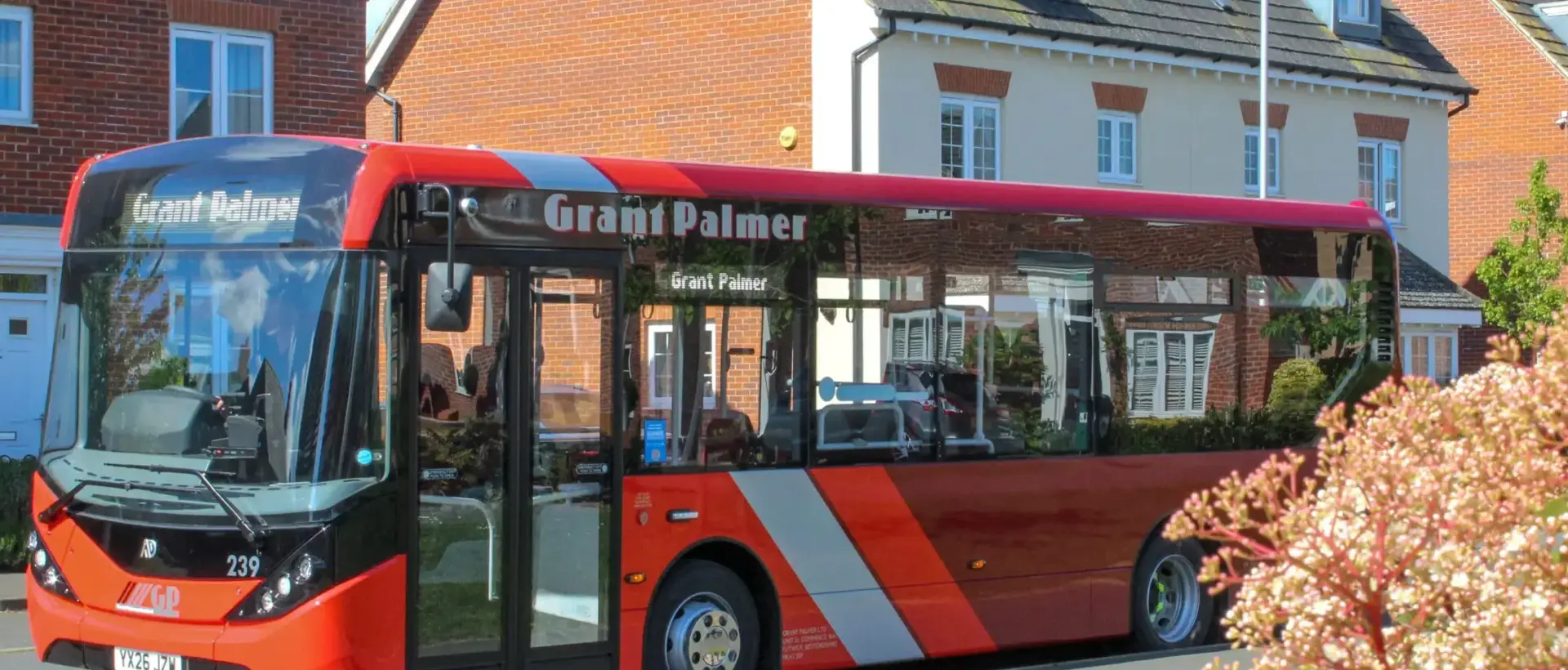
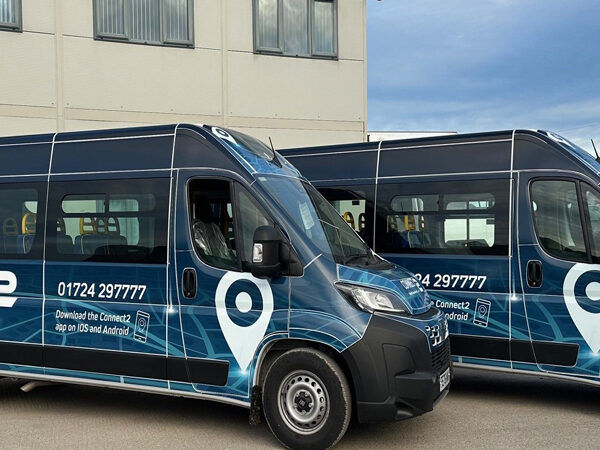
The Torbay fleet is diverse, comprising six 25-seat minibuses, a dozen 31-seat midibuses, and 37 double-deckers with 73 seats each. This approach ensures that vehicle types are aligned with route conditions and demand, avoiding a one-size-fits-all model and enhancing operational flexibility. Every vehicle is fully accessible, equipped with wheelchair ramps and spaces, next-stop announcement screens, and hearing loops.
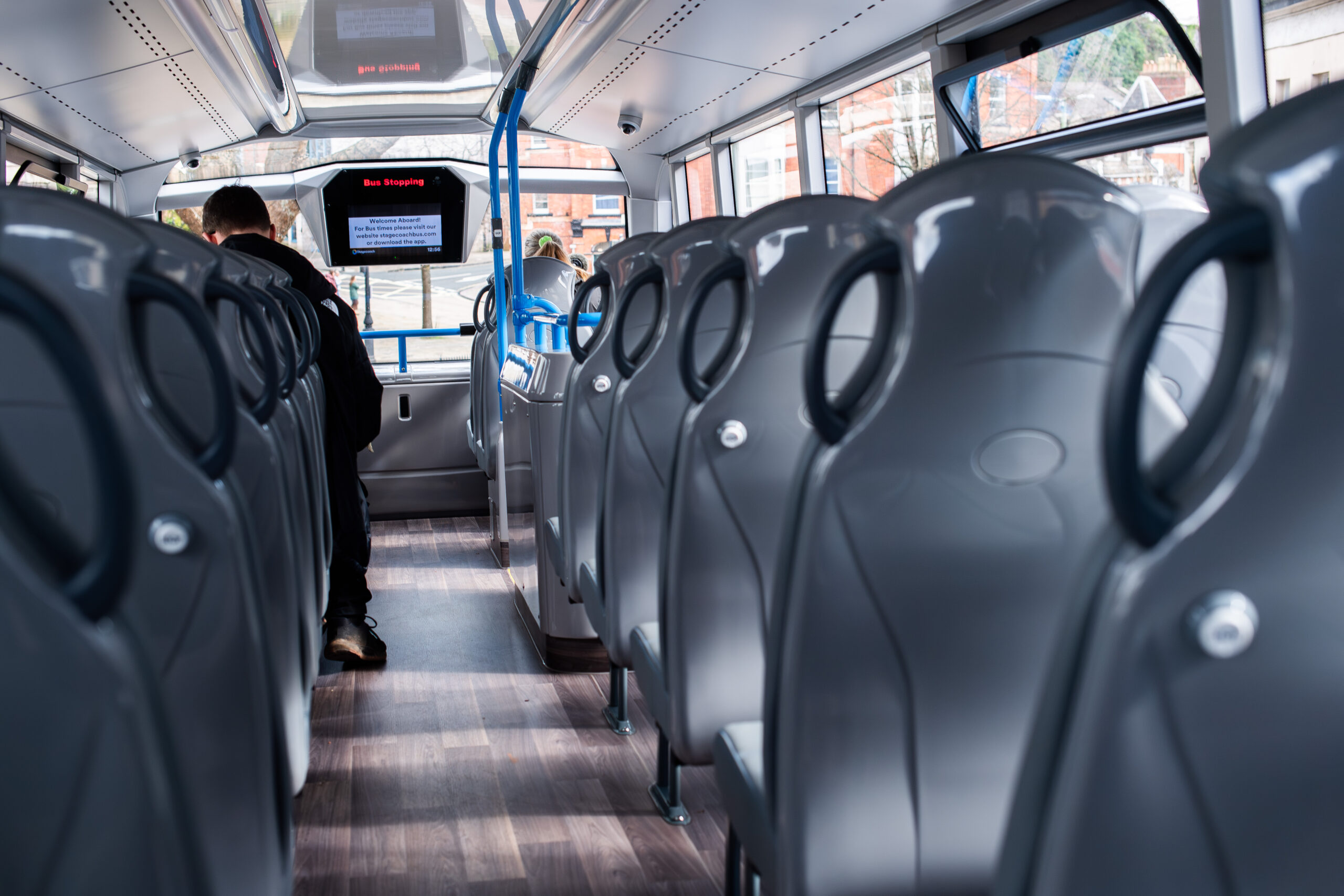
While Torbay represents the starting point, the programme is considerably larger in scope. Stagecoach South West has confirmed an additional 29.3 million GBP investment to introduce more than 100 battery-electric buses across Devon, with Exeter designated as a key hub within the network. Together, the depots in Torquay, Exeter, and Barnstaple form a coordinated electrification effort, maximising operational efficiency while improving customer experience. This initiative builds on earlier funding secured through the Government’s Zero Emission Bus Regional Areas (ZEBRA) scheme in 2024 and 2025, which delivered 51 electric buses, alongside additional vehicles funded through Devon’s Bus Service Improvement Plan.
Recent government support provides another boost. Devon County Council was awarded approximately 7.3 million GBP for further investment in electric buses, while a separate 7.5 million GBP allocation will support around 90 new zero-emission buses across the county. Thousands of customers will benefit from cleaner, more reliable services, and the progressive retirement of diesel vehicles is expected to improve air quality, particularly in urban centres and along busy transport corridors.
A key enabler of the programme is the supporting energy infrastructure. Behind the scenes, a 7.2 MW depot charging network is under construction, comprising 48 high-powered chargers across the three depots. Torquay will host 30 chargers, while Exeter and Barnstaple share 21 units. More will be deployed in Exeter to support the recently announced investment. All sites will be connected through a smart charging platform, enabling real-time monitoring and optimisation of energy usage, critical for ensuring reliable operations.
Reflecting on the project, Peter Knight, Managing Director of Stagecoach South West noted:The launch of our electric buses in Torbay represents a defining moment for public transport in the South West. This is not just about introducing new vehicles, it’s about delivering a cleaner, quieter, and more sustainable network for the communities we serve. We’ve worked closely with our local authority partners to ensure that this transition is both ambitious and practical. The scale of investment, combined with the pace of delivery, demonstrates what can be achieved through strong collaboration.
Adding further validation of Devon’s collaborative delivery model, the Devon Enhanced Bus Partnership was awarded Silver at the UK Bus Awards 2025, placing it among the top-performing partnerships in the country. The judges praised the strength of collaboration between local operators, from Stagecoach South West to smaller companies such as Tally Ho!, and Devon County Council, all working together under the county’s Bus Service Improvement Plan. The award highlights the partnership’s ongoing work to enhance services, improve passenger experience, and accelerate the shift toward greener, more sustainable travel across Devon, further cementing the county’s reputation as a national leader in bus network transformation.
Looking ahead, the focus remains on expanding the programme into Exeter and North Devon while maintaining momentum. The long-term transformation of Devon’s bus network goes beyond electrification, providing a platform for digital integration, better service design, and improved connectivity for customers. As more buses enter service, customers across a wider geographic area will begin to enjoy the smoother, quieter, and more accessible travel experience that electric vehicles make possible.
Devon’s approach sets a strong example. By aligning funding, infrastructure, and operations within a single strategic framework, the county demonstrates how local authorities, operators, and government support can work together to deliver meaningful change.
The arrival of electric buses in Torbay marks the beginning of a new chapter for public transport in the South West. With significant funding secured, infrastructure under development, and further rollouts imminent, the region is on track to deliver one of the most comprehensive electrification programmes in the UK.
For customers, the benefits are already clear, and they will only grow as the miles these vehicles deliver grow. For the industry, Devon offers a compelling model for regional transformation through ambition, collaboration, and investment.
This article was originally published in the Bus-News magazine.