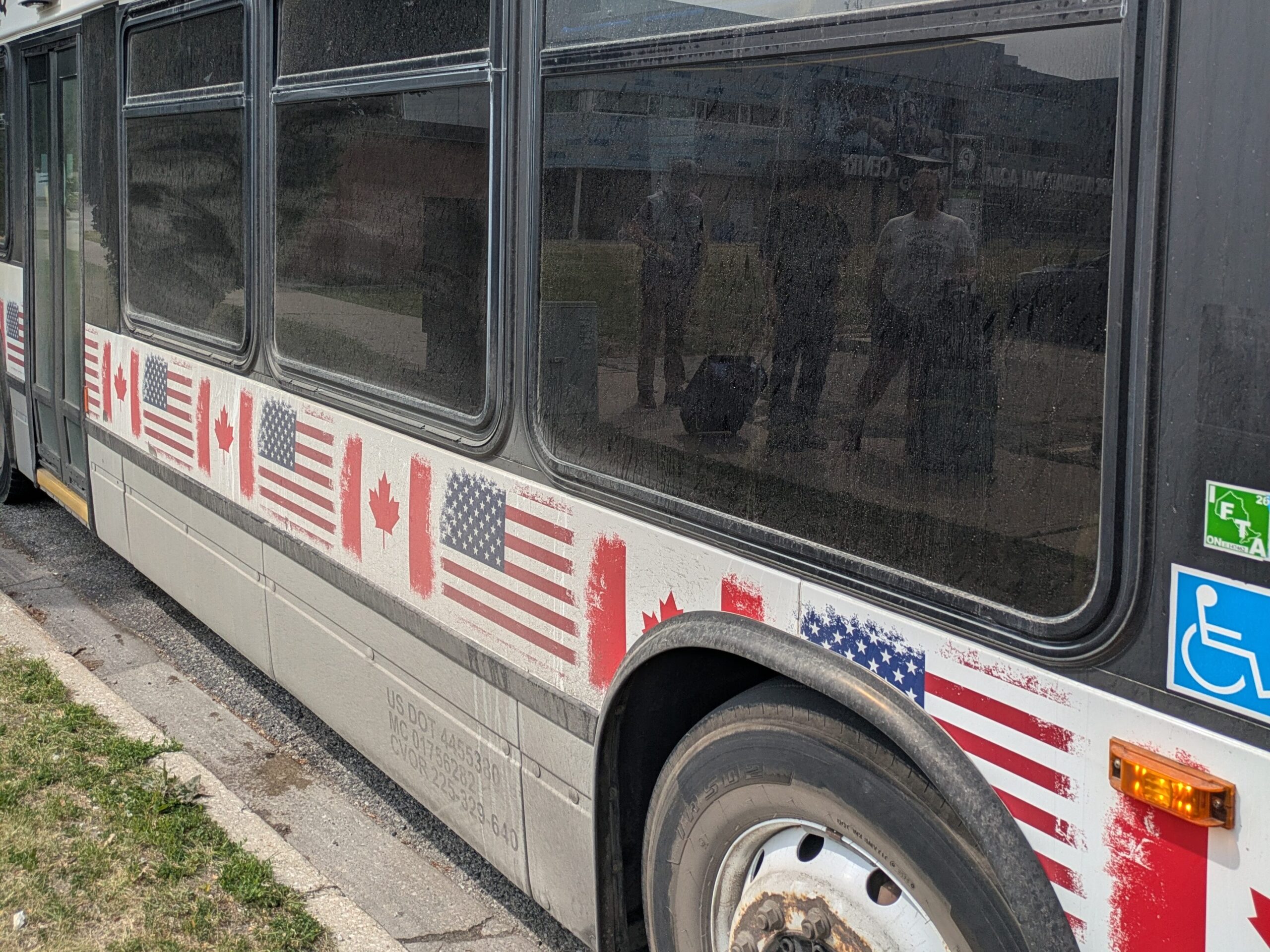
Whether travelling for work or leisure, I inevitably find myself paying close attention to public transport and how people move around. During a recent trip through Utah, I expected to be impressed by the scenery; I didn’t expect one of the highlights to be the local bus network.
Logan, a city of around 55,000 people in northern Utah, isn’t somewhere that regularly features across our transport-dedicated platforms. Well-regarded transit systems instead point to locations such as London, Singapore or Zurich. Even within the US, cities such as San Francisco, New York, Portland or Seattle are more likely to be cited as examples.
Yet after arriving in Logan on a Salt Lake Express charter bus, I found myself wondering why smaller cities like this are so often overlooked.
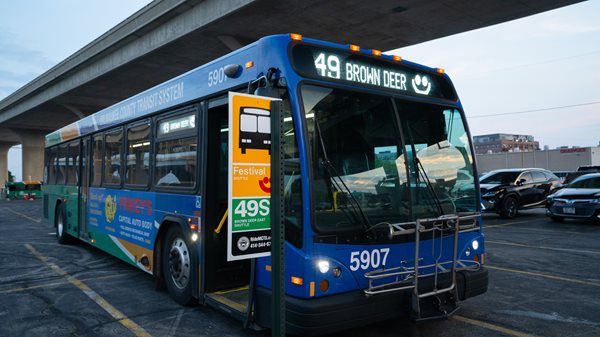
The transfer from coach to local bus was effortless. Within minutes of arriving at the transit centre, I was on a fare-free bus heading across the city. Over the following 10 days, I used the network to explore Logan, visit nearby communities and even travel across the state line into Idaho.
Services were frequent enough that I rarely found myself checking a timetable. Buses arrived when expected, routes were straightforward to understand and the network covered far more than just the city centre. The air-conditioned buses felt like the obvious way to travel, rather than a service of last resort.
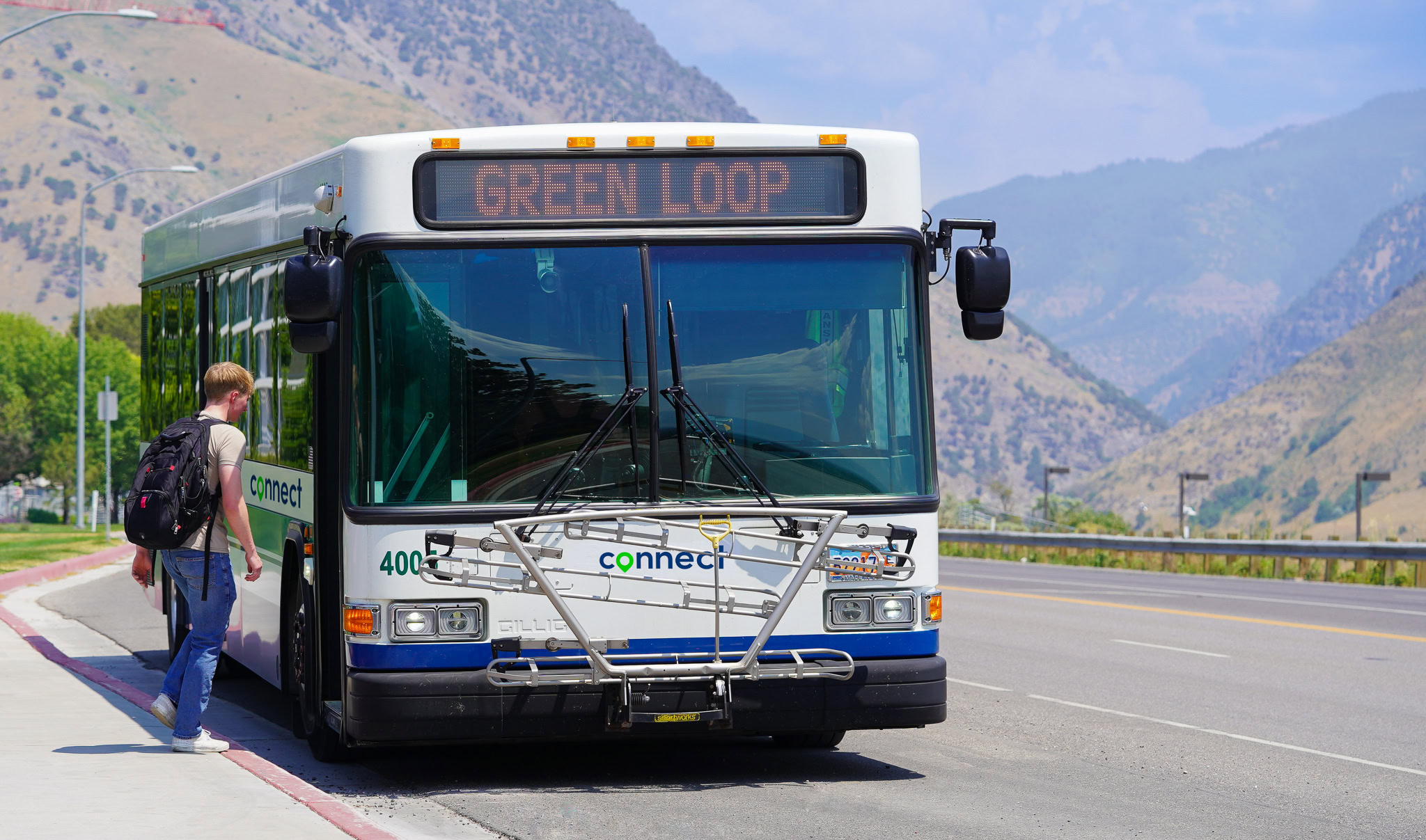
As a journalist focusing on the transport industry, my attention often naturally gravitates towards major infrastructure projects. New metro lines, zero-emission fleets and multi-billion-dollar investments dominate conference agendas and news headlines. However, Logan demonstrates that good public transport is about providing a service that people can depend on.
The city’s fare-free policy undoubtedly contributes to that experience. Connect Public Transit, formerly Cache Valley Transit District (CVTD), has operated a zero-fare network since services began in 1992. Originally introduced to encourage ridership, the policy remained in place after passenger demand exceeded expectations and has since become a defining feature of the network. According to the agency, annual ridership has grown from around 450,000 passenger trips in its first year to more than one million today. The system continues to be funded primarily through a dedicated local sales tax and federal grants.
Connect also argues that the benefits extend beyond affordability. Without fares to collect, boarding is quicker, dwell times are reduced, and operators avoid the administrative costs associated with ticketing systems. Previous studies commissioned by the agency concluded that introducing fares would likely cost more to administer than they would generate in revenue, while also reducing ridership.

If the buses had been infrequent or unreliable, I would probably have remembered Logan as a city with free buses. As it was, I remember it as a city with a genuinely useful bus network.
Across the world, local authorities are exploring ways to encourage greater public transport use to reduce both emissions and congestion caused by a reliance on private vehicles. Discussions often focus on funding, decarbonisation and new technologies. While these issues are undoubtedly important, my time in Logan served as a reminder that passengers tend to judge a network much more simply:
“Can I understand it?” “Can I rely on it?” “Will it take me where I need to go?” In Logan, the answer to these questions was, largely, yes.
Logan’s network also demonstrates the importance of integration. Regional chartered coach services provided by Salt Lake Express connect the city with destinations further afield, while the local buses make those longer journeys practical without requiring a car for the final leg.
Of course, Logan benefits from circumstances that cannot be replicated everywhere. Utah State University generates significant travel demand, while the city’s small size allows services to remain relatively easy to coordinate with minimal congestion to contend with.
Yet for me, the key takeaway was that some of the most noteworthy public transport networks aren’t always found in the world’s biggest cities.
As a journalist, I spend much of my time following the industry’s largest announcements. Here, I wanted to spend a little more time looking at the networks that simply work. Alongside major fleet orders, new technologies and infrastructure investment, some of public transport’s most valuable lessons are operational rather than technological.
My time in Logan stayed with me long after the trip, prompting further discussion in the introduction of the latest episode of All Routes Considered: