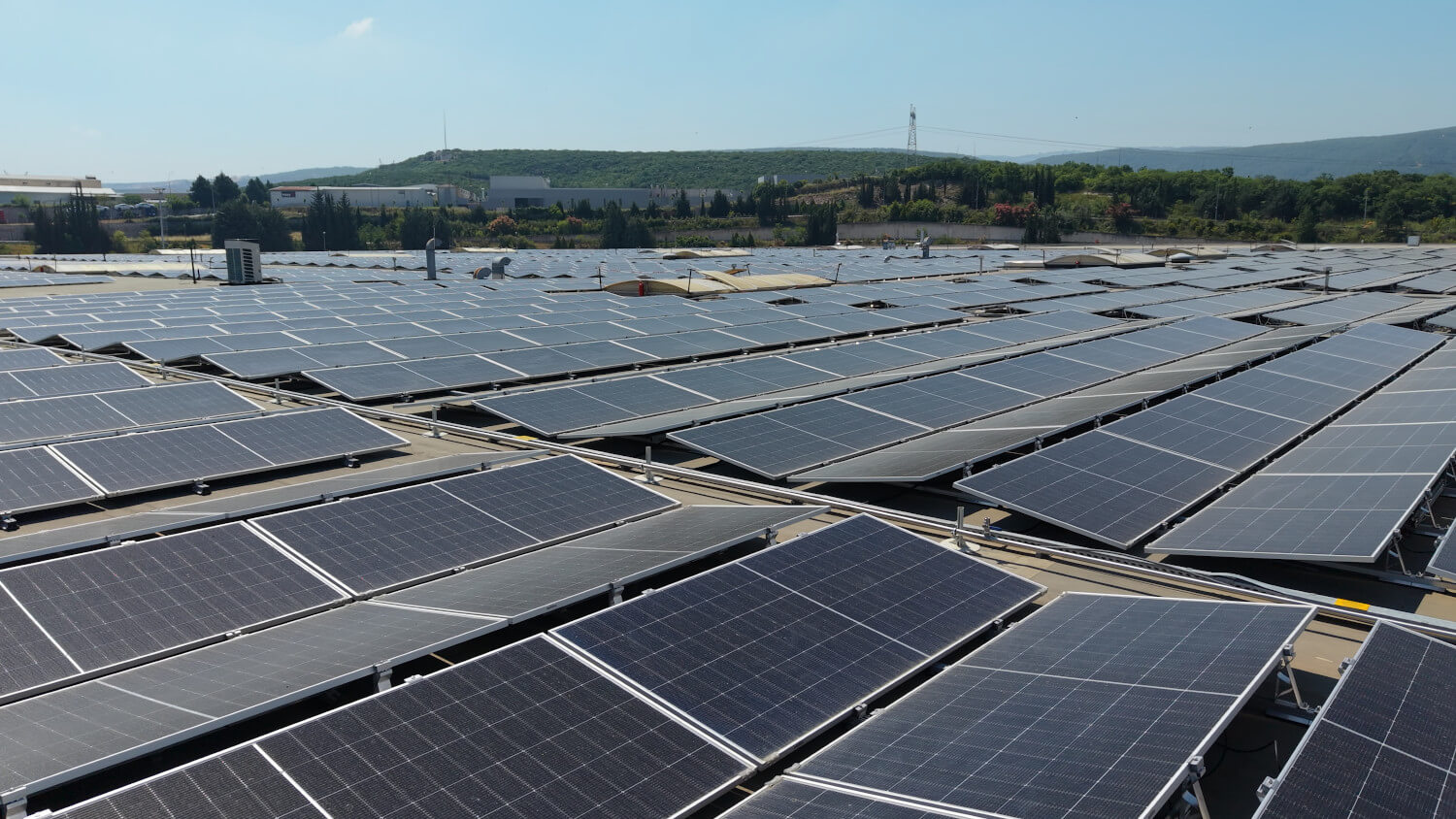
Karsan has commissioned a brand-new 3.5 MW DC installed-capacity solar power plant, taking another significant step toward its Net Zero Factory 2030 goal.
The new plant, which will be situated in Bursa, Türkiye, is expected to meet 25% of the company’s total electricity demand at its manufacturing facility, generating 4.6 million kWh of renewable electricity annually.
Once fully operational, this will allow renewable energy to power the production process of approximately 1,000 vehicles each year.
Karsan CEO Utku Ayyarkın said:While leading the transformation of mobility with our electric and autonomous public transportation solutions, we believe that sustainable mobility begins at the manufacturing stage.
We embrace a holistic approach that aims to reduce not only the environmental impact of electric vehicles during operation, but also the carbon footprint generated throughout the manufacturing process.
Our newly commissioned 3.5 MW solar power plant will supply approximately 25% of our manufacturing facility's electricity demand from renewable energy sources. The fact that the energy we generate will be sufficient to power the production of approximately 1,000 electric vehicles annually clearly demonstrates the tangible environmental impact of this investment.
We see renewable energy investments not only as part of our environmental responsibility, but also as a key pillar of Karsan's long-term growth, competitiveness, and energy security strategy. This investment represents one of the most significant milestones on our journey toward our Net Zero Factory 2030 vision. We will continue investing decisively in making our manufacturing processes more efficient, resilient, and low-carbon.
Constructed in approximately six months, the project has completed all feasibility studies, engineering, procurement, on-site installation, testing, and commissioning.
In an attempt to maximise energy efficiency, the facility has been equipped with locally manufactured 620 Wp TopCon Bifacial solar panels and high-efficiency inverters, which are expected to prevent around 2,000 tonnes of CO2 emissions each year through the reduction of manufacturing-related emissions – which can account for approximately 10–20% of an electric vehicle’s total carbon footprint.